
African Trek Travel: Best Tanzania Tour Operator and Safari Agency, We organize Kilimanjaro Trekking, Mount Meru Hiking Tours, Tanzania Safaris to the most popular National Parks and Kenya Safaris.
African Trek Travel: Best Tanzania Tour Operator and Safari Agency, We organize Kilimanjaro Trekking, Mount Meru Hiking Tours, Tanzania Safaris to the most popular National Parks and Kenya Safaris.
Mount Kilimanjaro is a dormant stratovolcano in Tanzania, consisting of three volcanic cones: Kibo, Mawenzi, and Shira. Kilimanjaro is the highest mountain in Africa, standing at approximately 5,895 meters (19,341 feet) above sea level. The age of Kilimanjaro is estimated through geological studies that examine the volcanic rock and the formation of its distinct cones.
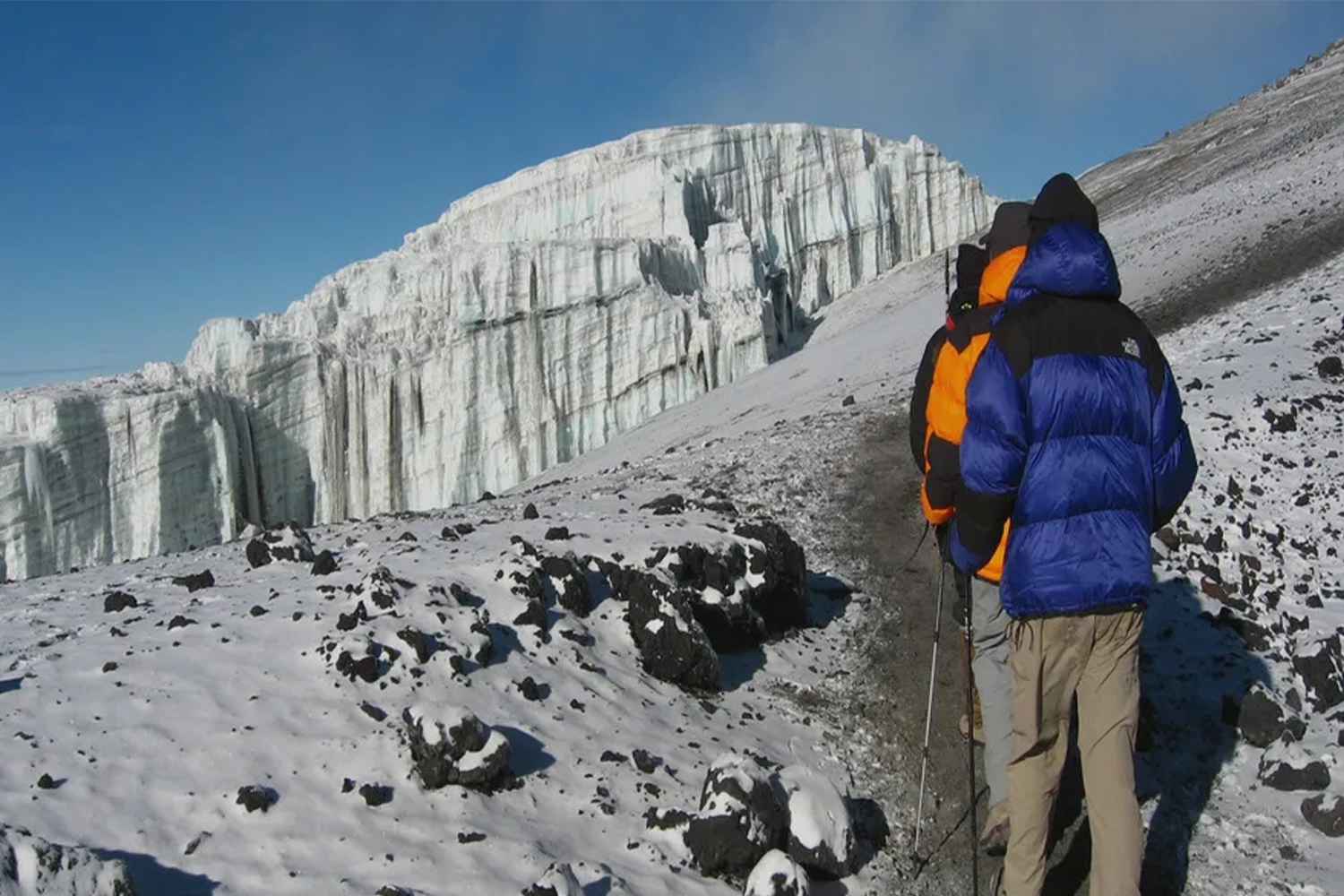
Mount Kilimanjaro, Africa highest mountain, has fascinated scientists and adventurers alike for centuries. But how old is this iconic peak? Understanding the age of Kilimanjaro requires delving into its geological history and the formation of its three volcanic cones: Kibo, Mawenzi, and Shira.
Kilimanjaro is a stratovolcano, formed by the movement of tectonic plates and volcanic activity. The mountain is composed of three distinct cones:
Scientists use various dating techniques to determine the age of Kilimanjaro volcanic rock:
The age of Kilimanjaro is not just a number; it tells a story of geological processes and natural history:
Mount Kilimanjaro stands as a testament to the powerful geological forces that shaped our planet. Its age, determined through meticulous scientific study, highlights the mountain's dynamic history and significance in understanding Earth's volcanic activity. As you ponder the age of Kilimanjaro, consider the millions of years of natural history encapsulated in this majestic peak.
| Destination | Moshi/Arusha |
|---|---|
| Depature | Arusha/Moshi |
| Departure Time | Recommended |
| Return Time | Recommended |
| Included |
Meals and Drinks
Health care included Transfer Guide |
| Excluded |
Travel insurance
Flight Ticket Personal issue Accommodation Camera Man |


