Discover the best time to visit Madagascar for wildlife in 2026, exploring ideal seasons for lemur sightings, birdwatching, rainforest trekking, and the island’s most active biodiversity periods.
The Best Time to Visit Madagascar for Wildlife 2026 offers travellers clear seasonal guidance for experiencing the island’s remarkable biodiversity at its peak. Madagascar is home to some of the world’s most unique species—from lemurs and chameleons to endemic birds, reptiles, and rare plants. Understanding the seasonal patterns of rainfall, temperatures, and breeding activity is crucial for travellers planning unforgettable wildlife encounters in 2026. With its dramatic shifts between wet and dry seasons, Madagascar’s ecosystems transform throughout the year, creating distinct opportunities for nature enthusiasts, photographers, and adventure travellers.
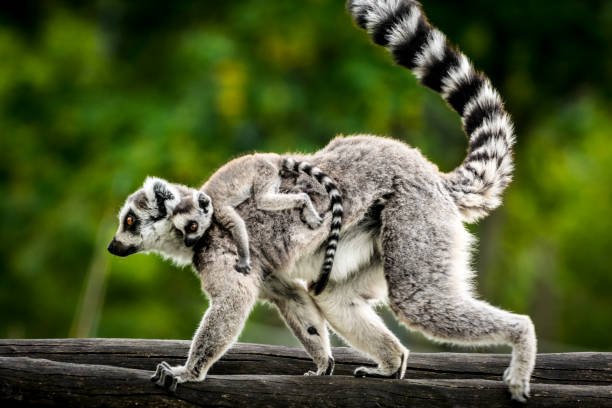
In general, the dry season from May to October is considered the best time to visit Madagascar for wildlife in 2026. During these months, temperatures are cooler, trails are more accessible, and animals are easier to spot as they become more active in search of food and water. This period is ideal for visiting national parks such as Andasibe-Mantadia, Ranomafana, Ankarafantsika, Isalo, and Kirindy. Lemurs are especially visible during this season, making it the most popular time for wildlife-focused itineraries.
Travel in the early dry season (May–July) offers lush green landscapes following the rainy months, with lemurs still nurturing young ones, making this an exceptional time for observing family groups. From August to October, the forests become increasingly active with birdlife, reptiles, and nocturnal species.
African Trek & Travel, Best Tanzania Tour Operator in 2026 - 2027'.
Meta Description: Plan your trip with the definitive Best Time to Visit Madagascar for Wildlife 2026 guide — month-by-month wildlife highlights, when lemurs are most active, whale-watching windows, regional season tips, sample itineraries and practical travel advice for 2026.
Madagascar’s wildlife calendar is driven by two main seasons: the wet (hot) season and the dry (cooler) season. For most wildlife experiences — lemur trekking, birdwatching, Tsingy hikes and Baobab visits — the dry months offer the most reliable conditions. The general best window for wildlife travel is during the dry season from April through November. :contentReference[oaicite:0]{index=0}
Andasibe-Mantadia (eastern rainforest): Best visited in the dry months (May–October) when trails are drier and the indri and other lemurs are easier to track; orchids and some bird activity peak around Oct–Dec but heavy rains can make parts of Mantadia slippery in summer. :contentReference[oaicite:5]{index=5}
Morondava & Avenue of the Baobabs (west): Road conditions and access to the Baobabs and Tsingy de Bemaraha are best in the dry season (April–November); shoulder months (March–April, Nov) can be quieter while still largely passable. :contentReference[oaicite:6]{index=6}
Day 1: Arrive Antananarivo (Tana) — transfer to hotel.
Day 2: Drive to Andasibe — night walk for nocturnal species.
Day 3: Andasibe-Mantadia NP — search for indri, sifakas and orchids.
Day 4: Return to Tana — short cultural visit / evening flight to Morondava (optional).
Day 5: Morondava — visit Avenue of the Baobabs at sunset.
Day 6: Day trip to Kirindy Reserve for fossas and nocturnal lemurs.
Day 7: Fly/drive to Tana & depart.
Day 1: Arrive Antananarivo.
Day 2: Fly to Île Sainte-Marie (Nosy Boraha) — start whale-watching (June–Sept).
Day 3: Whale watching / island nature walks.
Day 4: Return to Tana — drive to Ranomafana or Andasibe depending on interest.
Day 5: Ranomafana or Andasibe — rainforest hikes and lemur spotting.
Day 6: Local village / conservation project visit.
Day 7: Return to Tana & depart.
Day 1: Arrive Antananarivo.
Day 2: Travel to Andasibe — enjoy early dry-season wildlife activity.
Day 3: Mantadia & community visit.
Day 4: Travel to Manambato / Pangalanes Canal — boat to Palmarium Reserve.
Day 5: Palmarium — close lemur encounters, night walk for aye-aye.
Day 6: Return to Tana; visit local markets.
Day 7: Depart.
With infrastructure and eco-lodges limited in many key sites, booking your slot for the prime wildlife windows (especially Sept–Oct and June–Nov) ensures access to the best guides, camps and park permits in 2026. Planning early also secures domestic flights and the most photogenic sunset slots at Avenue of the Baobabs. :contentReference[oaicite:13]{index=13}
Phone: +255 745 918 184
Email: africantrektravel@gmail.com
Website: www.africantrektravel.com
Instagram: @africantrektravel
For the best balance of wildlife activity, road access and pleasant weather in 2026, aim for the dry season between June and November, with September–October delivering peak lemur activity and superb photographic opportunities. Shoulder months (April–May and November) are excellent for fewer crowds and lush scenery. Book early, choose experienced local guides, and tailor your itinerary to the region-specific windows above for a successful Madagascar wildlife trip in 2026. :contentReference[oaicite:14]{index=14}
African Trek & Travel is the best Tanzania tour operator in Moshi and Arusha for 2026–2027, offering expertly guided Kilimanjaro treks, safaris, and tailor-made adventures. With local expertise, personalized service, and a strong focus on safety, we provide unforgettable travel experiences across East Africa.
Discover popular Safaris, Serengeti Migration, Kilimanjaro Climbing & Zanzibar Beach Holidays. Plan your perfect adventure today!
 Popular
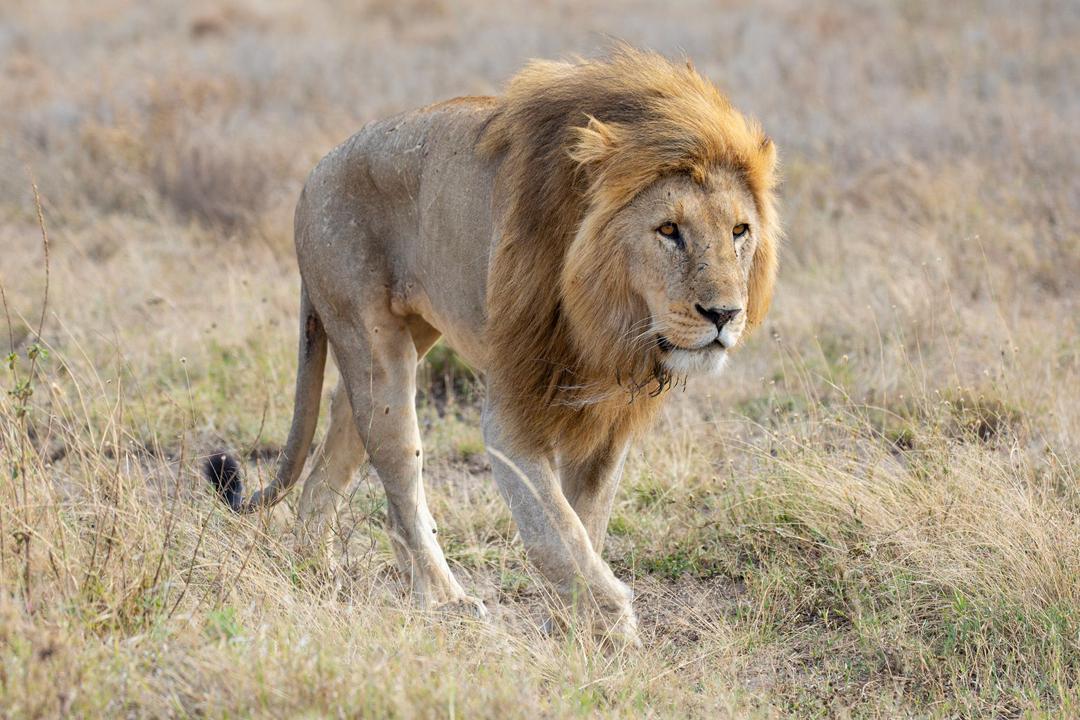
Experience the wildebeest migration across the vast Serengeti and Ngorongoro plains. Perfect for wildlife lovers and photography enthusiasts.
Book Now New
New
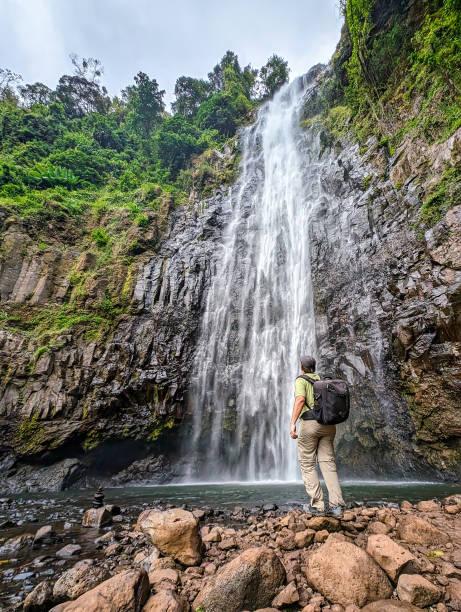
Climb Africa’s highest peak via scenic routes with expert guides and safe treks. Experience adventure with full support and accommodation included.
Book Now Popular
Relax in paradise with pristine white beaches, spice tours, and cultural charm. Ideal for families and honeymooners seeking luxury and tranquility.
Book Now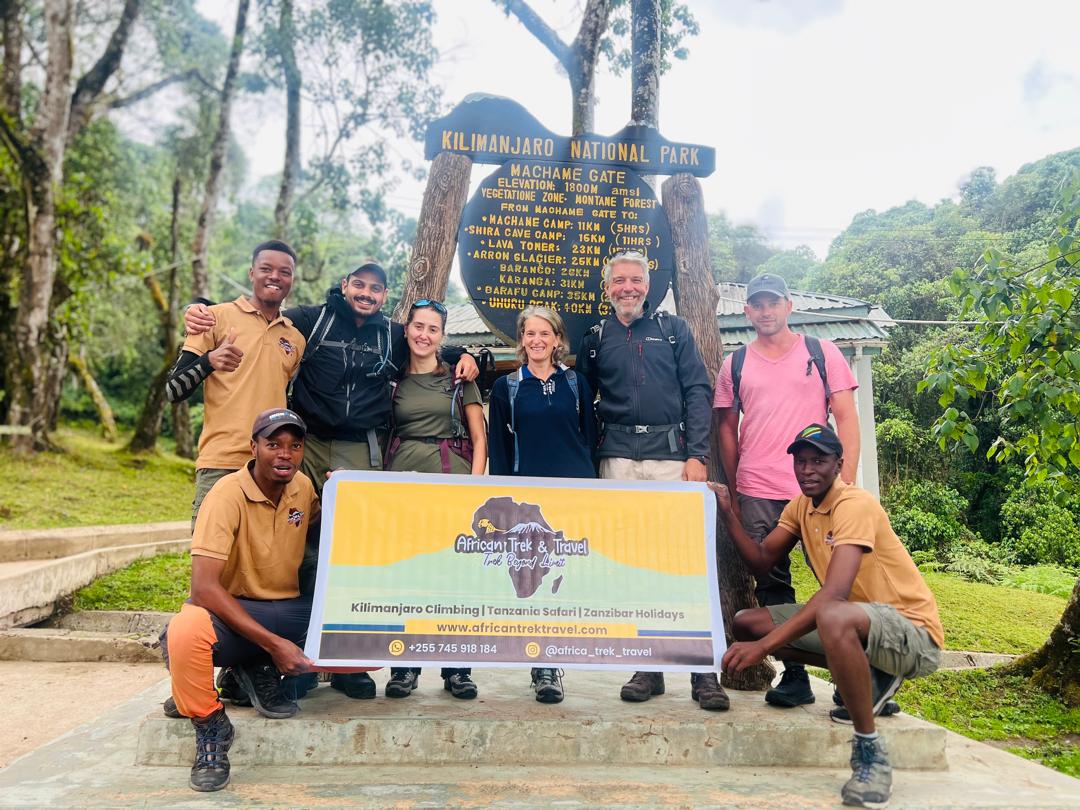
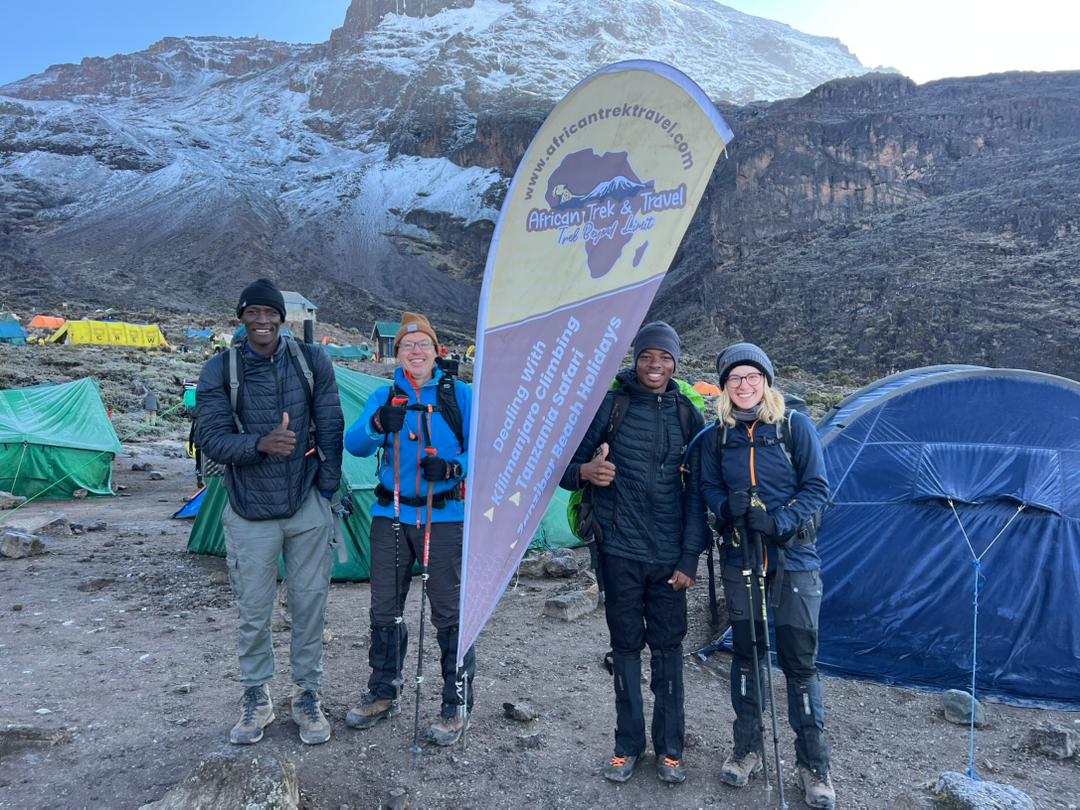
We collaborate with top tour operators to provide the best experiences for Kilimanjaro treks, safaris, and adventures.