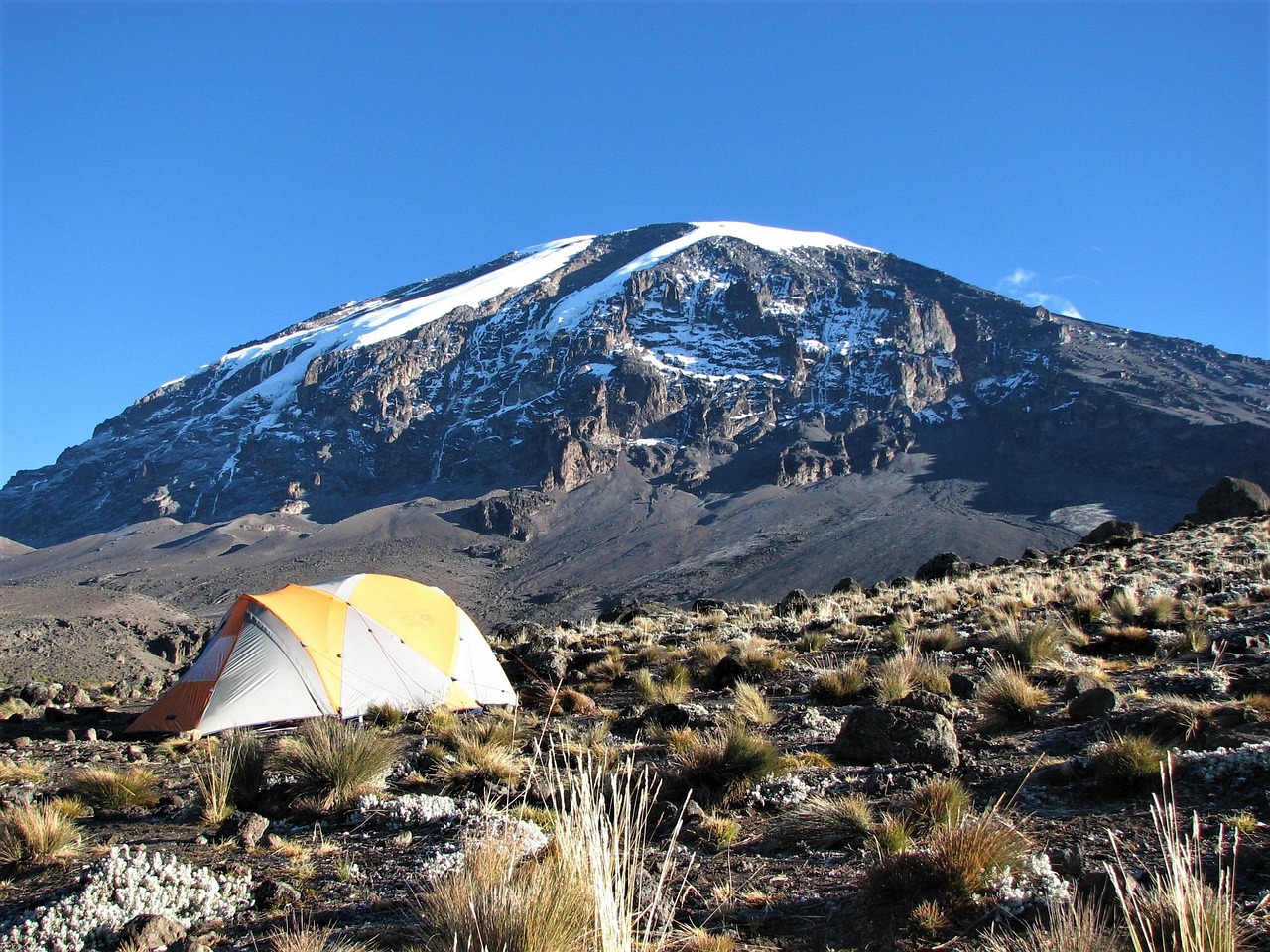
Learn about safety for tourists in West Africa in 2026–2027. Get tips on travel precautions, safe destinations, and practical advice for exploring the region confidently.
Traveling in West Africa in 2026–2027 can be a safe and enjoyable experience with proper planning and precautions. The region offers rich cultural heritage, historic landmarks, vibrant cities, and scenic landscapes, but visitors should remain informed about safety, health, and local customs.
Key Destinations & Safety Overview:
Ghana: Generally safe for tourists, with friendly locals, secure urban areas, and popular destinations like Accra, Cape Coast, and Kumasi.
Senegal: Considered one of the safest West African countries; Dakar, Saint-Louis, and Goree Island are tourist-friendly.
Nigeria: Some areas require extra caution, particularly in northern and border regions; Lagos, Calabar, and tourist hubs are generally safer with standard precautions.
Togo & Benin: Coastal towns and cultural sites are mostly safe, but travelers should remain alert in less populated areas.
Travel Precautions:
Stay updated on travel advisories for each country.
Avoid risky areas, especially at night or in regions with political instability.
Use registered taxis, reputable transport services, and guided tours where possible.
Keep personal belongings secure and avoid displaying valuables publicly.
Health & Safety Tips:
Ensure vaccinations are up-to-date (yellow fever, hepatitis A & B, typhoid, etc.).
Carry basic first aid, mosquito repellent, and hand sanitizer.
Drink bottled or purified water to prevent waterborne illnesses.
Purchase comprehensive travel insurance covering health, theft, and emergencies.
African Trek & Travel, Best Tanzania Tour Operator in 2026 - 2027'.

West Africa is a region full of cultural richness, historic sites, natural beauty, and vibrant cities. Countries such as Ghana, Senegal, Ivory Coast, Nigeria, and Mali offer incredible experiences for travelers. However, safety is often a key concern for tourists considering visiting the region. Understanding safety conditions, health precautions, local laws, and practical travel tips is essential for a secure and enjoyable trip.
Ghana is considered one of the safest West African countries for tourists. Major cities like Accra and Kumasi are generally safe, though petty theft can occur. Rural areas are safe but follow local guidance.
Senegal, including Dakar and Saint-Louis, is generally safe for travelers. Exercise caution in crowded markets and avoid isolated areas at night. Road travel is common, but public transport can be crowded.
Urban areas such as Abidjan are relatively safe, though petty crime exists. Travel to border regions or remote areas should be approached with caution. Stay updated on local news and security advisories.
Some parts of Nigeria, particularly northern and northeastern regions, may have security risks due to conflict or insurgent activity. Major cities like Lagos and Abuja are generally safer but take precautions in crowded areas and when traveling at night.
Travel to Mali requires caution. Northern regions, including Timbuktu, may be unsafe due to ongoing conflict. Southern cities like Bamako are relatively safer but follow local advice and security updates.
West Africa is generally safe for tourists when travelers exercise caution, stay informed, and follow local advice. Urban centers and major tourist destinations offer enriching experiences, vibrant culture, and historical exploration. By taking necessary health precautions, avoiding high-risk areas, and practicing responsible travel, visitors can enjoy a safe and memorable journey across the diverse and culturally rich countries of West Africa.
African Trek & Travel is the best Tanzania tour operator in Moshi and Arusha for 2026–2027, offering expertly guided Kilimanjaro treks, safaris, and tailor-made adventures. With local expertise, personalized service, and a strong focus on safety, we provide unforgettable travel experiences across East Africa.
Discover popular Safaris, Serengeti Migration, Kilimanjaro Climbing & Zanzibar Beach Holidays. Plan your perfect adventure today!
 Popular
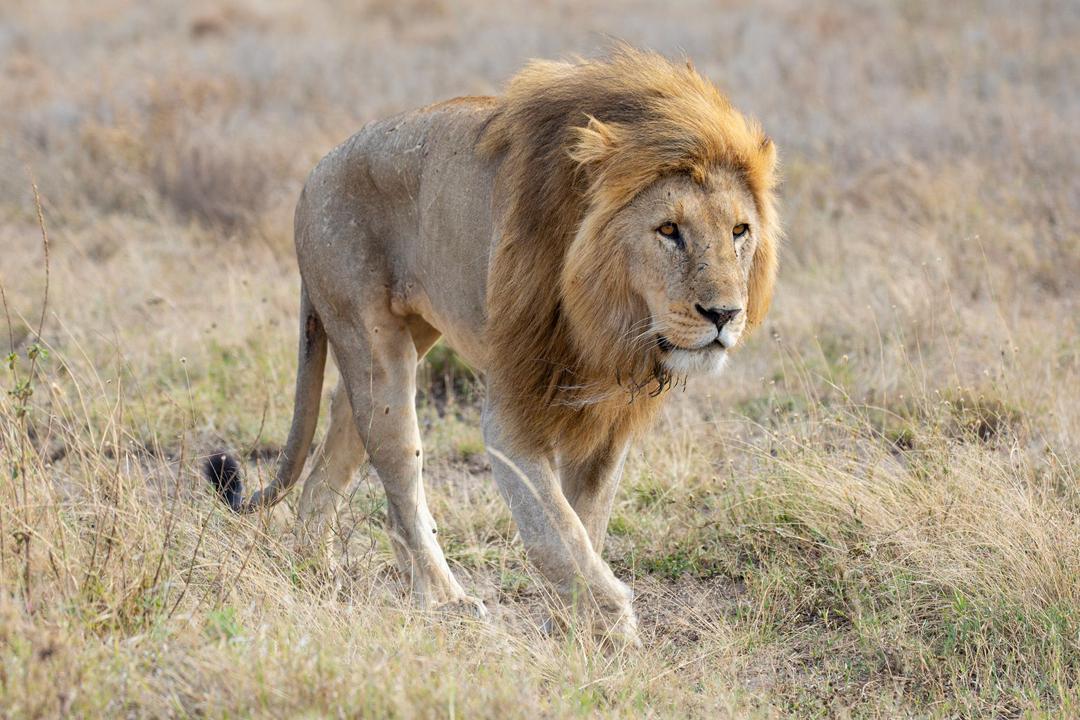
Experience the wildebeest migration across the vast Serengeti and Ngorongoro plains. Perfect for wildlife lovers and photography enthusiasts.
Book Now New
New
Climb Africa’s highest peak via scenic routes with expert guides and safe treks. Experience adventure with full support and accommodation included.
Book Now Popular
Relax in paradise with pristine white beaches, spice tours, and cultural charm. Ideal for families and honeymooners seeking luxury and tranquility.
Book Now
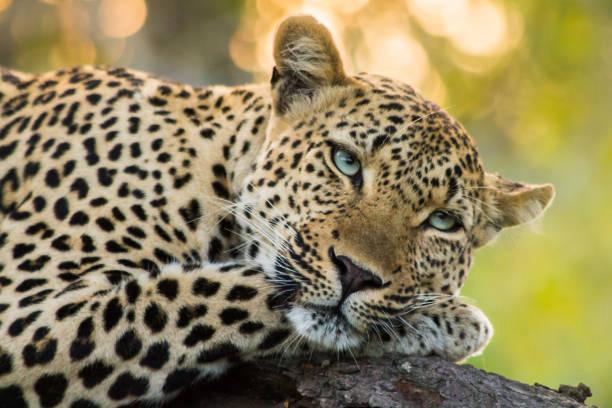
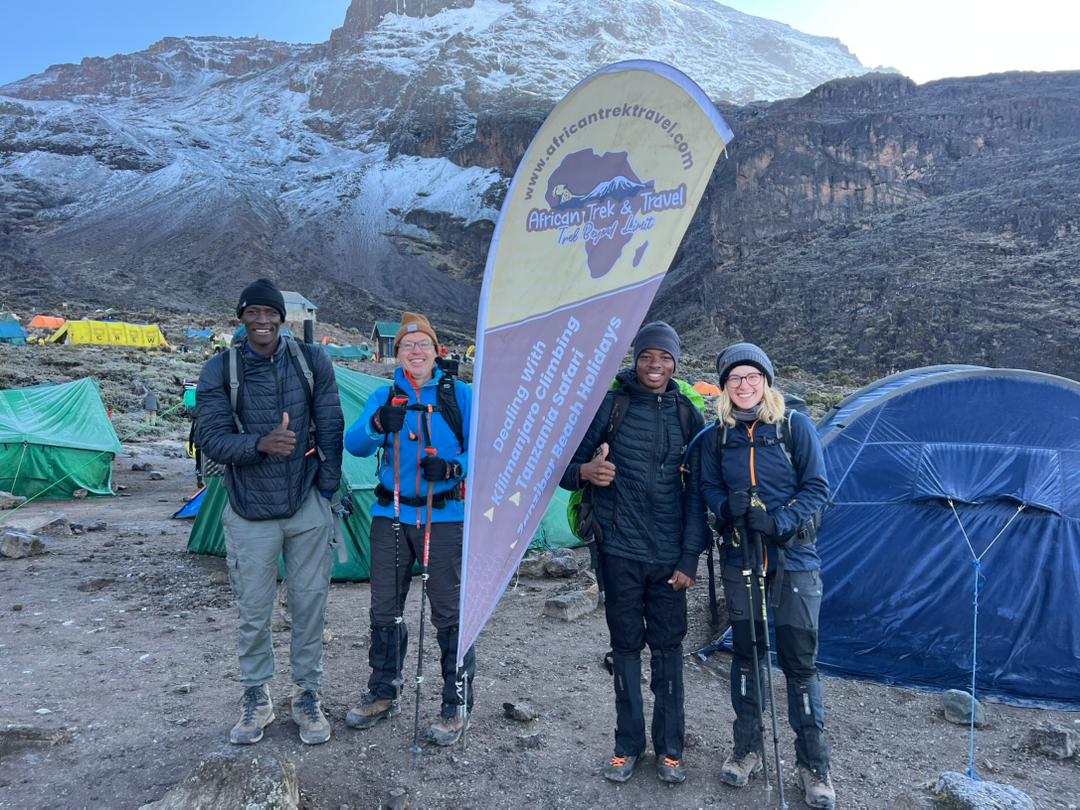
We collaborate with top tour operators to provide the best experiences for Kilimanjaro treks, safaris, and adventures.