Learn how to travel with medication to Africa in 2026–2027. Understand prescription rules, packing guidelines, customs declarations, medical documentation, and essential tips for smooth and safe travel.
Traveling with medication to Africa in 2026–2027 requires careful planning to ensure safety, legality, and comfort throughout your trip. Many travelers bring prescription drugs, over-the-counter medicines, and specialized treatments when visiting Africa for safaris, beach holidays, volunteering, or long-term stays. Understanding import rules, documentation requirements, and proper packing methods helps avoid complications at airports or border points.
Most African countries allow travelers to bring personal-use medication, including prescriptions, as long as quantities are reasonable—typically a 30–90-day supply. Medications should be kept in original packaging with labels clearly displaying your name, dosage instructions, and prescribing doctor. Carrying a valid prescription or doctor’s letter is recommended, especially for controlled substances.
Travelers should pack medication in carry-on luggage to prevent loss or exposure to extreme temperatures. Essential items such as inhalers, insulin, EpiPens, and daily prescriptions should remain easily accessible during flights. A travel health kit with pain relievers, antihistamines, rehydration salts, and basic first-aid supplies is useful for safari regions, remote lodges, and rural travel.
Some African countries have strict regulations on certain drugs, including strong painkillers, stimulants, sedatives, and narcotics. Nations like Nigeria, Egypt, Kenya, Tanzania, Rwanda, and South Africa may require additional documentation for controlled medications.
African Trek & Travel, Best Tanzania Tour Operator in 2026 - 2027'.

Traveling with medication to Africa requires preparation, proper documentation, and an understanding of airline and border regulations. Whether you’re carrying prescription drugs, over-the-counter medicines, medical devices, or chronic-condition treatments, following the right steps ensures smooth airport checks, hassle-free customs clearance, and safe medication use during your trip. This guide explains what medicines you can bring, how to pack them, required documents, restrictions, and essential tips for staying healthy while traveling in Africa.
Africa’s diverse climates, travel distances, and health systems make proper medication planning essential. Benefits include:
Some African countries have strict rules about controlled substances. You may face restrictions on:
Always check the rules of your destination country before you travel.
Most countries allow:
Larger quantities may require a medical import permit.
Some medications—such as insulin—require cooling. Travel tips include:
Confirm entry rules with your destination’s embassy or immigration website.
Essential for controlled substances or chronic illness medications.
Keep everything in your hand luggage with documents accessible.
Some countries ask you to declare certain medicines on arrival.
Work with your doctor to adjust medication schedules when crossing time zones.
Keep medicine cool and away from humidity—especially in tropical regions.
Traveling with medication to Africa is simple when you prepare properly. By carrying the right documentation, packing medicine correctly, and following local regulations, you can enjoy a safe and comfortable trip. With careful planning—especially for chronic or temperature-sensitive medications—you’ll avoid travel delays, health risks, and customs complications, ensuring a smooth journey throughout Africa.
African Trek & Travel is the best Tanzania tour operator in Moshi and Arusha for 2026–2027, offering expertly guided Kilimanjaro treks, safaris, and tailor-made adventures. With local expertise, personalized service, and a strong focus on safety, we provide unforgettable travel experiences across East Africa.
Discover popular Safaris, Serengeti Migration, Kilimanjaro Climbing & Zanzibar Beach Holidays. Plan your perfect adventure today!
 Popular
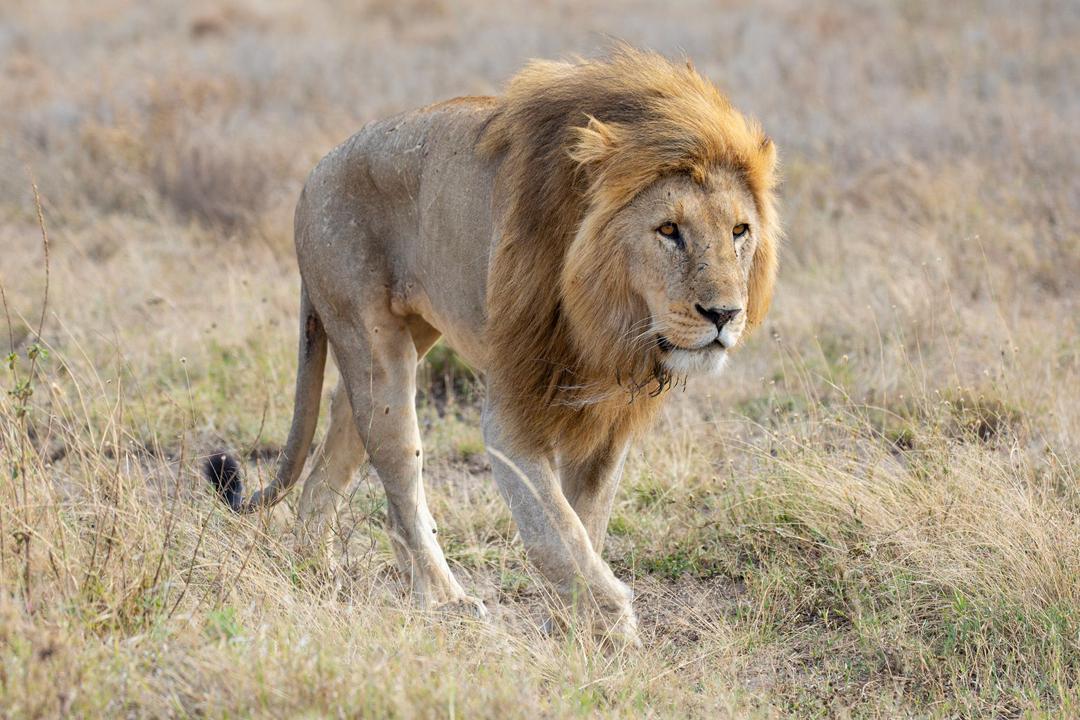
Experience the wildebeest migration across the vast Serengeti and Ngorongoro plains. Perfect for wildlife lovers and photography enthusiasts.
Book Now New
New
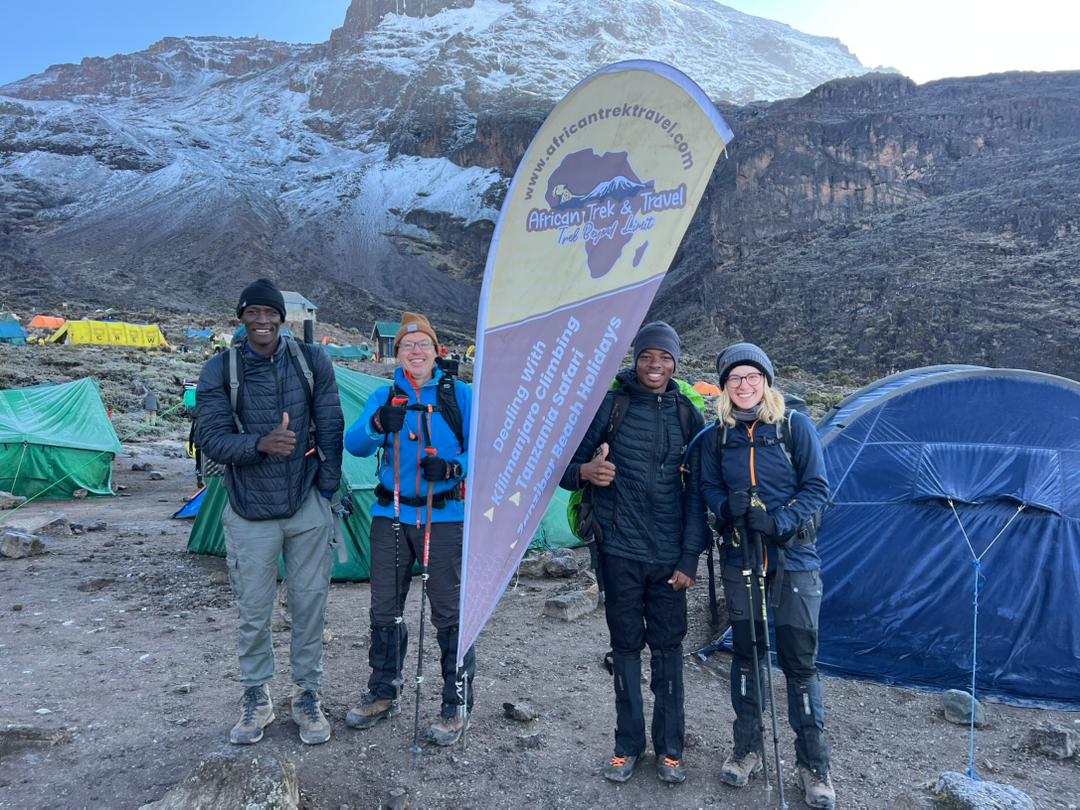
Climb Africa’s highest peak via scenic routes with expert guides and safe treks. Experience adventure with full support and accommodation included.
Book Now Popular
Relax in paradise with pristine white beaches, spice tours, and cultural charm. Ideal for families and honeymooners seeking luxury and tranquility.
Book Now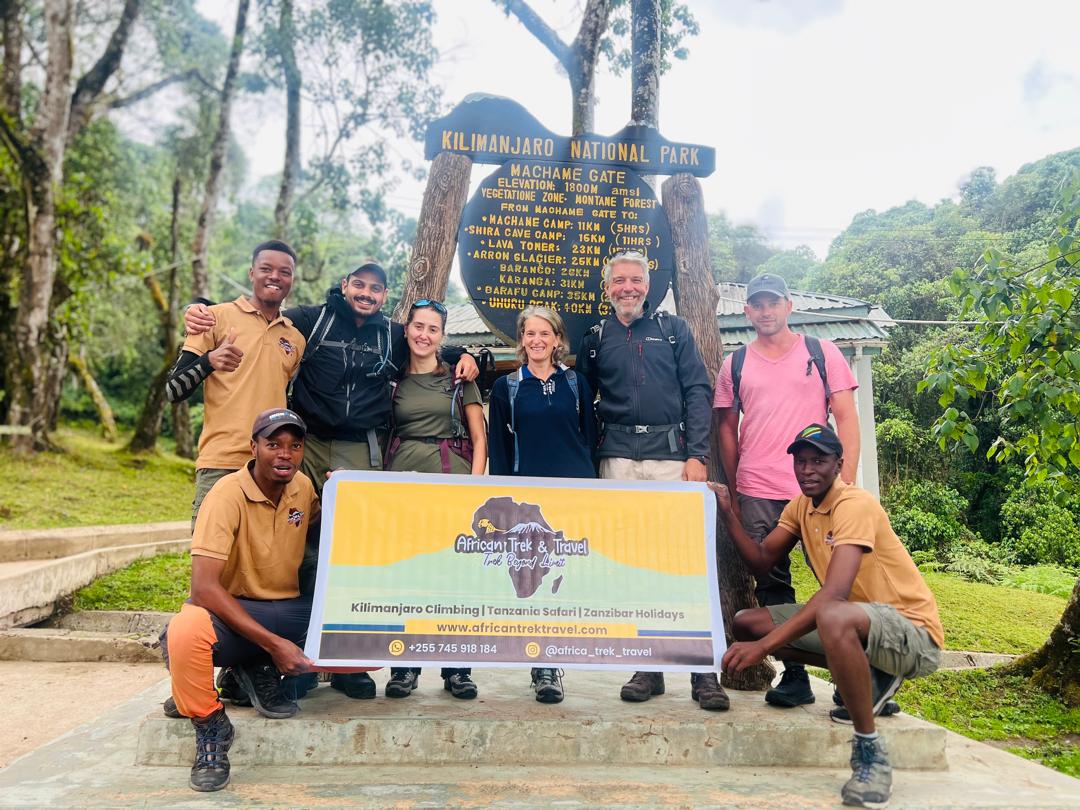

We collaborate with top tour operators to provide the best experiences for Kilimanjaro treks, safaris, and adventures.