How to Visit South Luangwa National Park 2026-2027

Learn how to visit South Luangwa National Park in 2026–2027. Discover flights, park access, safari camps, activities, and the best time to explore Zambia’s premier wildlife destination.

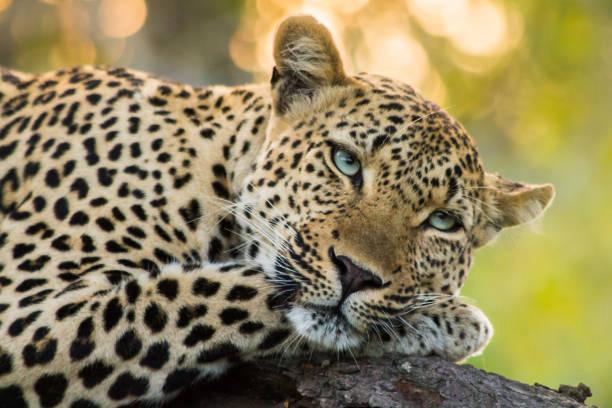
South Luangwa National Park is one of Africa’s top wildlife destinations, and visiting it in 2026–2027 offers unmatched safari experiences including walking safaris, exceptional leopard sightings, and diverse wildlife along the Luangwa River. Ideal for photographers, safari lovers, and adventure travelers, South Luangwa provides a mix of luxury lodges, remote bush camps, and guided activities led by some of Africa’s best-trained safari guides.
How to Get There: By Air: Fly into Mfuwe International Airport via Lusaka. Daily flights connect Lusaka to Mfuwe, especially during peak safari season. International travelers arrive via Lusaka, Johannesburg, Nairobi, or Addis Ababa before connecting to Mfuwe. By Road: Self-drive routes from Lusaka are possible but lengthy and recommended only for experienced overlanders. Safari operators and lodges offer private road transfers for guests.
Where to Stay: South Luangwa offers a wide range of safari accommodations, including: Luxury Camps: Riverfront suites, plunge pools, fine dining, and private guides. Mid-Range Lodges: Comfortable tents or chalets with guided activities included. Bush Camps: Seasonal, remote camps focused on walking safaris. Community Lodges: Affordable, eco-friendly options supporting local conservation.
Activities in South Luangwa: Walking Safaris: The birthplace of walking safaris, led by expert guides and armed rangers. Game Drives: Day and night drives offer opportunities to see leopards, lions, elephants, and wild dogs.

African Trek & Travel, Best Tanzania Tour Operator in 2026 - 2027'.
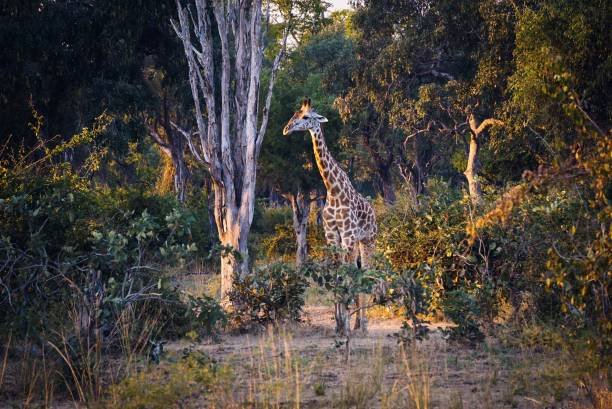

how to visit south luangwa national park
  • how to visit south luangwa national park,
    African Trek & Travel - Best Tour Operator in 2026–2027

How to Visit South Luangwa National Park — Complete Guide

South Luangwa National Park in eastern Zambia is widely regarded as one of Africa’s finest safari destinations, especially for travelers who value walking safaris, abundant wildlife, and uncrowded wilderness. This park combines lush riverine ecosystems, oxbow lagoons, dense woodlands and open plains — offering a rich diversity of habitats and wildlife. If you’re planning a visit, this guide will walk you through everything: why South Luangwa stands out, how to get there, when to go, where to stay, what to do, what to pack, and how to get the most out of your safari adventure.

Why Visit South Luangwa?

  • World-renowned walking safaris: South Luangwa is celebrated as the birthplace of the walking safari. The guided bushwalks allow close encounters with wildlife tracks, birds, reptiles, and a deep sense of immersion in nature.
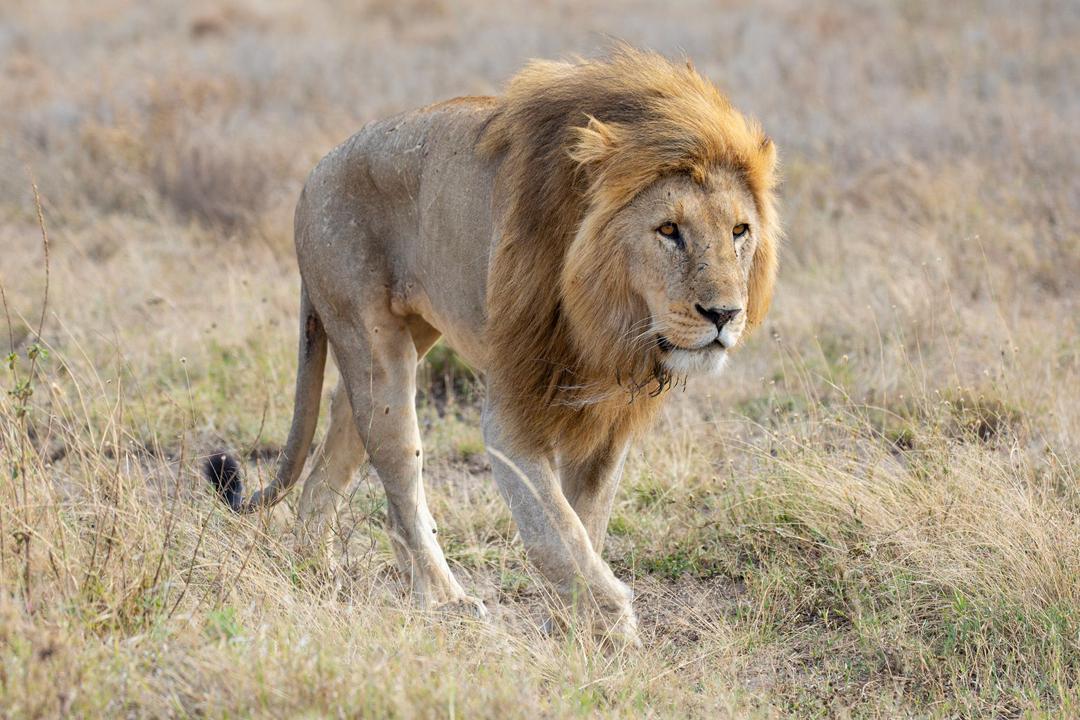
  • Rich wildlife diversity: You’ll find elephants, buffalo, giraffe, hippos, crocodiles, large herds of antelope, and a high density of predators: lions, leopards, wild dogs, hyenas — and nocturnal species on night drives.
  • Luangwa River & Oxbow Lagoons: The meandering river, seasonal lagoons, floodplain patches, and woodlands create varied habitats ideal for plains game, aquatic species, and prolific birdlife.
  • Low tourist density: Compared to many popular safari parks, South Luangwa remains relatively uncrowded — enhancing the wilderness feel and giving better chances for intimate wildlife encounters.
  • Flexible safari styles: From budget-friendly chalets to upscale lodges, from walking safaris to game drives or night drives — there are safari options for many traveler types and budgets.

How to Get There

  • Fly via Mfuwe Airport: The easiest and fastest way to reach the park. Scheduled flights operate from Lusaka, and seasonal flights connect with Livingstone (near Victoria Falls) or Malawi (Lilongwe). From Mfuwe to most lodges/camps is a 30–60 minute drive, usually arranged by the lodge.
  • Road Transfer from Lusaka: A long but possible drive (~700–750 km, around 10–12 hours). Roads are tarred mostly, but conditions may vary. A good option if you enjoy overland travel or want to combine Lusaka city visit with the safari. Recommended only for experienced drivers or pre-arranged transfers.
  • Combination of Road + Air: Some travelers choose to self-drive or bus to Lusaka, then fly to Mfuwe to avoid long drives at the end when tired. Also useful if starting in another country.

Where to Stay — Best Areas & Camps in the Park

South Luangwa has several “zones” or sectors and many camps/lodges. Choose based on what you want to experience.

  • Mfuwe / North Bank Area (Most accessible): Lodges and camps close to the airport, good for first-time visitors, popular for walking safaris, game drives, and easy access after arrival.
  • Nsefu Sector (Central Park): More remote, fewer vehicles, excellent for predators — especially leopards — and for scenic river/lagoons landscapes. Good for travelers wanting a quieter, more wilderness-focused safari.
  • Southern Sector (Deep Wilderness): Least crowded, often small camps — ideal for purists seeking remote, off-grid safari experiences, amazing night drives, and solitude.

Recommended Lodges & Camps

  • Mfuwe Lodge — A classic, well-known lodge with solid amenities and fairly high chance of animal sightings near the lodge itself.
  • Flatdogs Camp — Great value for money: comfortable mid-range facilities, good guiding, and great night-drive opportunities.
  • Time + Tide Chinzombo — Luxury villas, excellent comfort, and high-end safari experience for those wanting upscale comfort after the day's safari.
  • Kakuli Bush Camp — Small, intimate, and highly regarded for walking safaris and personalized guide attention — ideal for wilderness lovers.
  • Bilimungwe Bushcamp — Reputation for superb guides, big cat sightings, and immersive safari vibes away from crowds.
  • Nsefu or Other Remote Camps — If you want isolation, leopard sightings, and wild landscapes, look for small, remote camps in the central / southern sectors.

When to Visit South Luangwa — Seasons & Wildlife

  • Dry Season (June – October): The top period for wildlife viewing. As rivers and lagoons shrink, animals gather near water sources, making sightings easier. Walking safaris are safer and vegetation is less dense. Nights and early mornings are cool and pleasant. This is high season — book early.
  • Emerald or “Green” Season (November – April): After rains the landscape turns lush and green, water is plentiful, birdlife is abundant (great for bird watchers), and calves/fawns appear. Some roads/camp access may be difficult, and a few camps may close or have limited operations, but it’s a beautiful, quiet time with fewer tourists.
  • Shoulder Periods (May & November): Can offer a balance: fewer guests than peak season, reasonable wildlife sightings, and more moderate prices — a good compromise for budget-conscious travelers.

What to Do — Safari Activities in South Luangwa

  • Walking Safaris: The signature experience — guided bush walks with trained guides and scouts. Great for tracking animals, spotting smaller creatures, birds, reptiles, and experiencing wilderness on foot.
  • Day Game Drives: Early morning and late afternoon drives for plains game, elephants, giraffes, buffalo, predators — ideal for first-time guests or those with limited time.
  • Night Drives: One of Africa’s best for nocturnal species: leopards, hyenas, civets, genets, owls, porcupines, bush babies, and other night-active animals. Many camps offer night drives (when park regulations permit).
  • Photography Safaris: With oxbow lagoons, riverbank vistas, big cats, and open plains — great opportunity for wildlife and landscape photography, especially at dawn and dusk.
  • Bird Watching: Especially during “green season”: Zambia’s birdlife is rich, with waterbirds, raptors, and a variety of woodland species. Great for birding enthusiasts or combined safari + nature/wildlife photography trips.
  • Cultural & Community Visits: Some lodges offer visits to nearby villages, local community projects or craft markets — nice add-on for cultural immersion and supporting local communities responsibly.

Suggested 7–10 Day Safari Itinerary

  • Day 1: Arrival & Orientation
    • Fly into Mfuwe Airport, transfer to your lodge, enjoy evening game drive or sunset river view.
  • Days 2–4: Walking Safaris (Mfuwe Area)
    • Guided bushwalks, day drives, early morning & night drives — build up a feel for the bush and get familiar with wildlife.
  • Days 5–6: Move to Central/Nsefu Sector
    • Stay in a remote camp — enjoy quiet wilderness, canoe or boat trip if available, and focus on predators and birdlife.
  • Days 7–8: Deep Bush + Southern Sector
    • For a more remote experience — night drives, walking safaris, photography, river or lagoon excursions (seasonal), and bird watching.
  • Day 9: Relax & Cultural Visit or Optional Activity
    • Take a rest day — lodge comfort, maybe a cultural visit to a nearby village or community project, or light walk around the area.
  • Day 10: Departure
    • Morning game drive or walk, transfer to Mfuwe Airport, and fly out or continue travel.

Approximate Cost & Budgeting

Costs vary widely depending on camp choice, season, and activities. Here’s a rough guideline:

  • Budget to Mid-Range Safari: Basic chalets or mid-range camps — expect USD ~150–250 per person per night (includes meals and standard game drives).
  • Mid-range / Comfort Safari: Better lodges with more amenities, walking safaris and night drives included — approx. USD 250–450 per person per night.
  • Luxury Safari: High-end lodges or boutique camps, private guiding, premium service — expect USD 500–1,200+ per person per night during peak season.
  • Additional Costs: Park/conservation fees, guide/vehicle fees, optional activities, tips, drinks, and transport to/from Mfuwe Airport — factor these into your budget.

What to Pack — Essentials & Safari Gear

  • Lightweight, neutral-colored clothing (khaki, olive, beige) for game drives and walking safaris.
  • Sturdy walking shoes or hiking boots (closed-toe), plus sandals for camp.
  • Sun protection: hat, sunglasses, sunscreen (high SPF), lip balm.
  • Insect repellent and malaria prophylaxis (consult a travel doctor before you go).
  • Binoculars (preferably 8× or 10×), camera with zoom lens, spare batteries & memory cards — wildlife can appear suddenly.
  • Light fleece or jacket — early mornings and nights can be cool, even in dry season.
  • Refillable water bottle — many camps provide safe water or have refill services.
  • Flashlight or headlamp — useful for night drives, camp paths, and lodge transfers.
  • Small backpack for day trips, and a waterproof bag/sack for camera or electronics during walks or boat rides near the river.

Tips for a Great Safari Experience

  • Book early for peak season (July–October): Lodges fill up quickly; prices are higher but wildlife sightings are very reliable.
  • Mix camp types: Try combining a mid-range lodge with a remote bushcamp to experience both comfort and wilderness — gives full perspective of the park.
  • Prioritize walking safaris + night drives: That’s where South Luangwa shines — these often deliver the most unique encounters.
  • Respect wildlife & follow guides’ rules: Always stay inside vehicles or paths when told; wildlife is wild and unpredictable.
  • Support local communities/responsible tourism: Many lodges work with nearby villages — consider buying crafts or contributing to community projects if offered.
  • Be flexible: Wildlife sightings can’t be guaranteed; sometimes early morning drives or walks pay off — but sometimes an afternoon nap or slow river view is just as magical.

Why South Luangwa Often Surprises Visitors

Many visitors come with expectations for classic “big safari” — elephants, giraffes, lions — but South Luangwa often surprises with intimacy, quiet wilderness, and unexpected encounters:

  • Leopards silently stalking near the lodge at night.
  • Herds of elephants crossing river channels at dawn.
  • Hippos lounging in oxbow lagoons under stars.
  • An incredible diversity of birds (fish eagles, nightjars, kingfishers) — especially during the wet season.
  • A pristine, near-untouched wilderness feeling, even though the park is accessible.

Conclusion

South Luangwa National Park remains one of Africa’s best-kept safari secrets — a place where walking safaris were born, where predators roam freely, and where wildlife thrives largely undisturbed. Whether you choose budget, mid-range, or luxury camps; whether you prefer walking, night drives, or photography — South Luangwa offers flexibility, authenticity, and immense natural beauty. With careful planning, respect for nature, and an open mind, your visit can be a truly unforgettable safari experience.

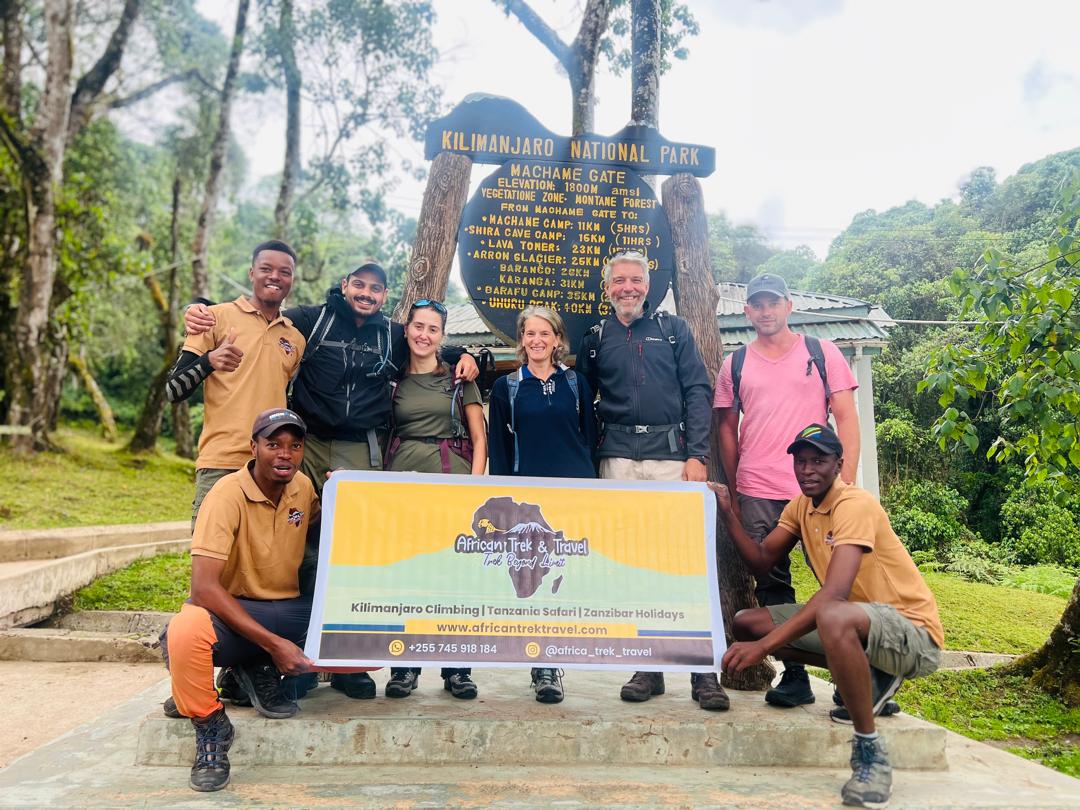
African Trek & Travel is the best Tanzania tour operator in Moshi and Arusha for 2026–2027, offering expertly guided Kilimanjaro treks, safaris, and tailor-made adventures. With local expertise, personalized service, and a strong focus on safety, we provide unforgettable travel experiences across East Africa.


🌍 Explore the Beauty of Tanzania 2026-2027

Discover popular Safaris, Serengeti Migration, Kilimanjaro Climbing & Zanzibar Beach Holidays. Plan your perfect adventure today!

Serengeti Safari Popular

Serengeti Safari 2026

Experience the wildebeest migration across the vast Serengeti and Ngorongoro plains. Perfect for wildlife lovers and photography enthusiasts.

Book Now
Kilimanjaro Climbing New

Join Kilimanjaro Climbing 2026

Climb Africa’s highest peak via scenic routes with expert guides and safe treks. Experience adventure with full support and accommodation included.

Book Now
Zanzibar Beach Popular

Zanzibar Beach Holidays 2026

Relax in paradise with pristine white beaches, spice tours, and cultural charm. Ideal for families and honeymooners seeking luxury and tranquility.

Book Now
Our Trusted Partners - Best Tour Companies in Moshi & Arusha, Tanzania

We collaborate with top tour operators to provide the best experiences for Kilimanjaro treks, safaris, and adventures.

Member of Renowned Tourism Associations

ATTA - African Travel & Tourism Association TATO - Tanzania Association of Tour Operators TTB - Tanzania Tourist Board KPAP - Kilimanjaro Porters Assistance Project