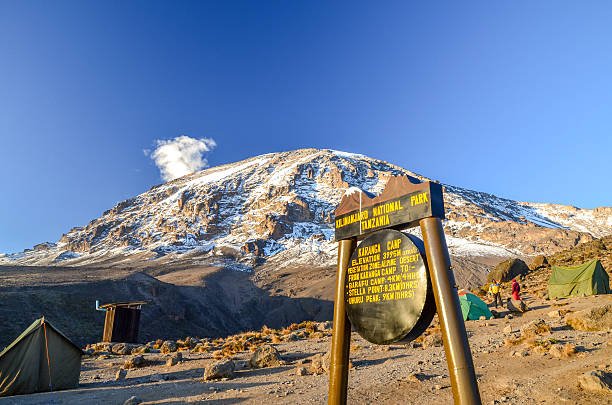
4 Day Kilimanjaro Farm Culture Safari
The 4 Day Kilimanjaro Farm Culture Safari combines agricultural life around Mount Kilimanjaro with wildlife safaris in Tarangire National Park, Ngorongoro Crater and Lake Manyara National Park.
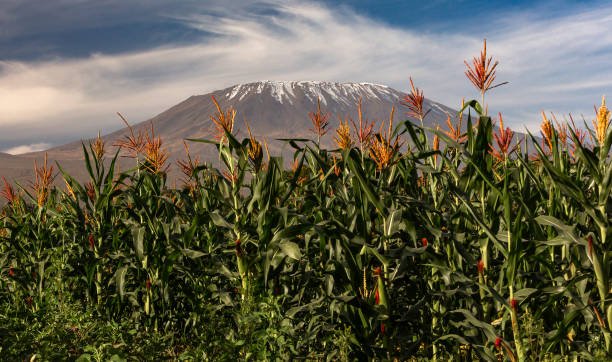
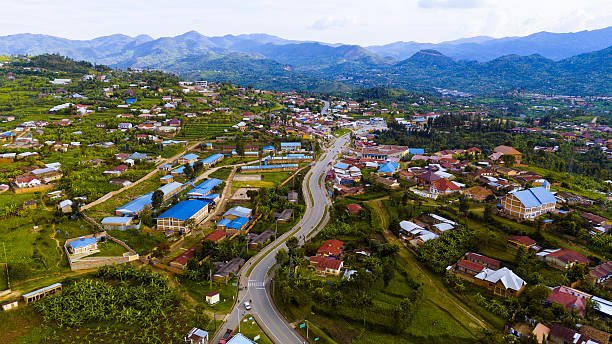
The first day focuses on Chagga farming communities on the fertile lower slopes of Kilimanjaro. Depending on the selected village and host, travellers can learn about coffee, bananas, household gardens, seasonal crops, local food and the connection between agriculture and everyday community life.
The following three days explore Tanzania's northern safari circuit by 4×4 vehicle.
Tarangire provides opportunities to observe African elephants, giraffes, zebras, wildebeest, buffalo, antelope, lions and varied birdlife among distinctive baobab landscapes.
Ngorongoro Crater supports wildebeest, zebras, buffalo, lions, spotted hyenas, hippos, elephants, gazelles and possible black rhino.
Lake Manyara adds forest and lake habitats with opportunities to see elephants, buffalo, giraffes, zebras, baboons, monkeys, hippos and birdlife.
All wildlife remains free roaming, so particular species, predator behaviour, black rhino, tree climbing lions and other sightings cannot be guaranteed.
The 4 Day Kilimanjaro Farm Culture Safari is especially suitable for travellers who want to understand some of the farming landscapes surrounding Mount Kilimanjaro before exploring northern Tanzania's wildlife areas.
4 Day Kilimanjaro Farm Culture Safari at a Glance
- Duration: 4 days.
- Cultural region: Kilimanjaro foothills near Moshi.
- Farm focus: Coffee, bananas, household gardens, seasonal crops and local food.
- Community focus: Chagga farming and contemporary village life.
- Safari Day 1: Tarangire National Park.
- Safari Day 2: Ngorongoro Crater.
- Safari Day 3: Lake Manyara National Park.
- Safari style: Guided 4×4 wildlife game drives.
Why Choose the 4 Day Kilimanjaro Farm Culture Safari?
The 4 Day Kilimanjaro Farm Culture Safari combines two sides of northern Tanzania that travellers sometimes experience separately.
The first day focuses on people, agriculture and food around Mount Kilimanjaro, while the following days explore wildlife habitats in Tarangire, Ngorongoro and Lake Manyara.
This creates a journey from cultivated highland landscapes to baobab woodland, crater grasslands, wetlands and lake influenced forest.
Main Package Highlights
- Kilimanjaro farm experience
- Chagga community culture
- Coffee farming
- Coffee processing where included
- Coffee roasting and tasting
- Banana cultivation
- Household gardens and seasonal crops
- Local Tanzanian food
- Possible Mount Kilimanjaro views
- Tarangire elephants and baobabs
- Ngorongoro Crater wildlife
- Possible black rhino opportunities
- Lake Manyara forest and birdlife
- Professional safari guide
4 Day Kilimanjaro Farm Culture Safari Itinerary
DAY
01
KILIMANJARO FARM CULTURE
Chagga Farms, Coffee, Bananas and Local Food
Begin your 4 Day Kilimanjaro Farm Culture Safari with pickup from Moshi or another agreed location around Mount Kilimanjaro.
Travel to a participating farming community on the lower slopes of the mountain and meet your local cultural guide.
The exact village may vary according to the confirmed program and can include Uru, Marangu or another suitable Kilimanjaro community.
Possible Day 1 Activities
- Guided farm and village walk
- Coffee tree cultivation
- Coffee processing where included
- Coffee roasting and grinding
- Coffee brewing and tasting
- Banana farm visit
- Household gardens
- Seasonal crops
- Chagga farming stories
- Local food experience
Meet Your Local Farm Guide
Your guide introduces the farming area and explains how the day's activities are organised.
The experience takes place in a working community rather than a staged agricultural attraction.
Walk Through the Farming Landscape
Follow village roads and farm paths through cultivated areas on the lower slopes of Mount Kilimanjaro.
The route may pass coffee trees, banana plants, household gardens, fruit trees, homes and small community businesses.
Walking distance can be adjusted according to age, mobility and preferred activity level.
Coffee Farming
Learn how coffee is grown within the Kilimanjaro agricultural environment.
Your host may discuss soil, rainfall, shade, pruning, farm maintenance and seasonal work.
Coffee Harvesting
Coffee cherries ripen seasonally.
When ripe cherries are available, travellers may learn how they are selected and harvested.
Coffee picking cannot be guaranteed throughout the year.
Coffee Processing
Depending on the selected host and season, travellers may learn about stages that take coffee from harvested cherries toward a finished drink.
The exact processing steps demonstrated vary according to what is happening on the farm.
Roasting and Grinding
Some programs include roasting and grinding coffee using locally demonstrated methods.
This provides a practical connection between agricultural production and the finished beverage.
Coffee Brewing and Tasting
Finish the coffee experience by tasting freshly prepared coffee when included in the program.
Travellers who do not drink coffee can still participate in the farming and cultural activities.
Banana Farming
Bananas are commonly grown around Mount Kilimanjaro and may form an important part of mixed household farming.
Your guide may explain different varieties and how bananas are used in local food.
Household Gardens
Some families grow vegetables, fruit, herbs and other seasonal crops near their homes.
The exact plants visible vary by season and individual household.
Visitors should not pick crops without permission.
Mixed Farming
The farm experience can help travellers understand how different crops may be grown together within relatively small agricultural areas.
Farming methods vary between households and should not be presented as identical throughout the Kilimanjaro region.
Chagga Farming Culture
Your local guide may explain how farming connects with food, family history and community livelihoods.
The cultural interpretation should also include contemporary life, education, business and other modern livelihoods.
Local Lunch
Enjoy a local meal according to the confirmed program.
Possible Foods May Include
- Banana dishes
- Rice
- Beans
- Vegetables
- Ugali
- Chapati
- Stews or sauces
- Seasonal fruit
The exact menu varies according to the host and available ingredients.
Vegetarian and vegan meals can often be arranged when requested in advance.
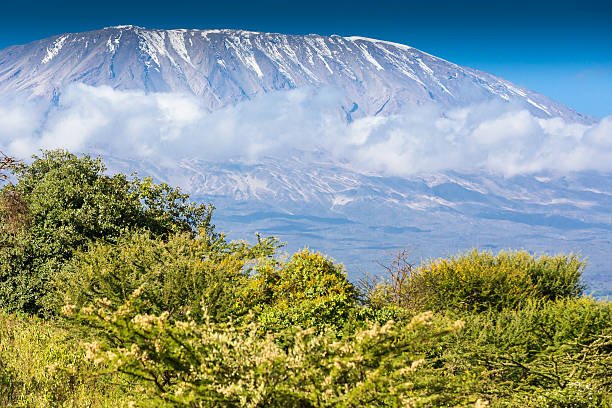
Possible Mount Kilimanjaro Views
Some farming communities may provide views toward Mount Kilimanjaro when skies are clear.
Cloud can develop around the mountain at any time, so visibility cannot be guaranteed.
Return to Moshi
After the farm cultural experience, return to Moshi or another confirmed overnight location and prepare for the safari portion of the itinerary.
Accommodation
Moshi hotel, lodge or another confirmed property.
Meals
Local lunch and additional meals according to the confirmed package.
Transfer
Moshi to the selected Kilimanjaro farming community and return.
DAY
02
TARANGIRE NATIONAL PARK
Elephants, Baobabs and Wildlife Safari
After an early breakfast, meet your professional safari guide and depart from Moshi toward Tarangire National Park.
Enter the park and begin exploring its riverine habitats, woodland, open areas and distinctive baobab landscapes.
Wildlife Travellers May See
- African elephants
- Giraffes
- Zebras
- Wildebeest
- African buffalo
- Impala and other antelope
- Warthogs
- Baboons
- Lions
- Possible leopard
- Varied birdlife
African Elephants
Tarangire provides strong opportunities to observe African elephants.
Travellers may see individuals, family groups or larger gatherings depending on water, season and natural movement.
Specific herd sizes and close encounters cannot be guaranteed.
Baobab Landscapes
Large baobab trees are among Tarangire's most recognisable landscape features.
They provide distinctive scenery and attractive wildlife photography backgrounds.
Giraffes, Zebras and Wildebeest
Giraffes, zebras and wildebeest may be encountered during the game drive.
Their locations vary according to grazing and water availability.
African Buffalo
Buffalo may be seen in different parts of the park.
Group sizes and locations change naturally.
Lions
Lions occur in the Tarangire ecosystem and may be observed during the safari.
Predator hunting behaviour cannot be scheduled or guaranteed.
Leopards
Leopards occur within the wider ecosystem but are secretive and generally difficult to locate.
A leopard sighting should be regarded as possible rather than expected.
Birdlife
Tarangire supports varied birdlife across its woodland, river and open habitats.
Binoculars can be helpful for both birds and distant mammals.
Picnic Lunch
Enjoy a picnic lunch at an authorised location according to the day's safari schedule.
Continue the wildlife game drive during the afternoon.
Continue to Karatu
After the Tarangire safari, continue toward Karatu or another suitable accommodation location near Ngorongoro.
Accommodation
Karatu lodge, camp or another confirmed property.
Meals
Breakfast, picnic lunch and dinner according to the confirmed package.
Safari
Tarangire National Park guided 4×4 game drive.
DAY
03
NGORONGORO CRATER
Crater Wildlife Safari and Black Rhino Opportunities
After breakfast, continue toward the Ngorongoro Conservation Area and travel to the crater rim.
Descend into Ngorongoro Crater for a guided 4×4 game drive through grasslands, wetlands, woodland and freshwater habitats.
Wildlife Travellers May See
- Wildebeest
- Zebras
- African buffalo
- Lions
- Spotted hyenas
- Hippos
- Elephants
- Gazelles
- Warthogs
- Possible black rhino
- Varied birdlife
Wildebeest and Zebras
Wildebeest and zebras may be observed on suitable grassland areas of the crater floor.
Their location depends on grazing conditions and natural movement.
African Buffalo
Buffalo may be encountered in different parts of the crater.
Herd sizes and exact locations vary naturally.
Lions
Lions may be observed during a Ngorongoro game drive.
They may be resting, travelling or interacting with other wildlife.
Hunting activity cannot be predicted or guaranteed.
Spotted Hyenas
Spotted hyenas may be seen resting, moving across open areas or interacting with other animals.
Black Rhino Opportunities
Ngorongoro can provide opportunities to observe black rhino.
Rhinos may remain far from authorised safari roads and sightings cannot be guaranteed.
Binoculars can be useful for distant observations.
Hippos
Hippos may be observed around suitable freshwater areas.
These environments can also provide opportunities to observe waterbirds.
Elephants
Elephants may be encountered within the wider Ngorongoro ecosystem.
Their exact location depends on natural movement.
Leopard Expectations
Leopards occur in northern Tanzania but are generally difficult to locate during a standard crater safari.
A leopard sighting should never be guaranteed.
Picnic Lunch
Enjoy a picnic lunch at an authorised location according to the day's game drive schedule.
Return to Karatu
After completing the crater safari, ascend from Ngorongoro and return to Karatu or another confirmed accommodation location.
Accommodation
Karatu lodge, camp or another confirmed property.
Meals
Breakfast, picnic lunch and dinner according to the confirmed package.
Safari
Ngorongoro Crater guided 4×4 wildlife game drive.
DAY
04
LAKE MANYARA NATIONAL PARK
Forest Wildlife, Primates, Birdlife and Return
After breakfast, travel toward Lake Manyara National Park for the final safari day of the 4 Day Kilimanjaro Farm Culture Safari.
Explore forest, woodland, open habitats and lake influenced environments by 4×4 vehicle.
Wildlife Travellers May See
- African elephants
- African buffalo
- Giraffes
- Zebras
- Baboons
- Monkeys
- Hippos
- Antelope
- Possible lions
- Varied birdlife
- Possible flamingos when ecological conditions are suitable
Groundwater Forest
Forest habitats help give Lake Manyara a very different character from Tarangire and Ngorongoro.
Travellers may encounter primates, elephants and other wildlife while exploring suitable roads.
Baboons and Monkeys
Baboons and monkeys may be seen in forested areas.
Their locations and group sizes vary naturally.
Elephants
Elephants may be observed during the game drive.
No individual encounter can be guaranteed.
African Buffalo
Buffalo may also occur in suitable areas of Lake Manyara.
Giraffes and Zebras
Giraffes and zebras may be encountered where habitat and grazing conditions are suitable.
Hippos
Hippos may be observed around suitable water areas.
Viewing distance depends on current conditions and authorised roads.
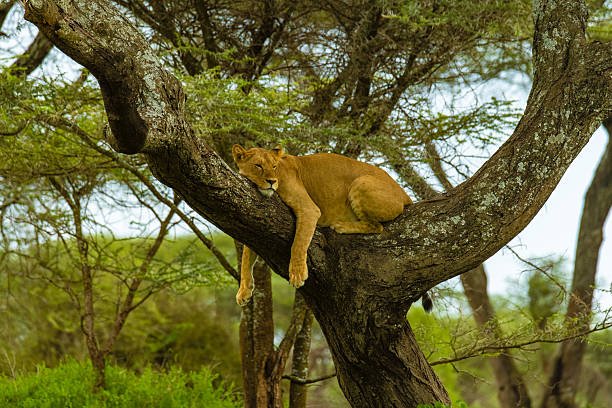
Tree Climbing Lions
Lake Manyara is widely associated with tree climbing lion behaviour.
This behaviour is unpredictable and cannot be guaranteed.
Travellers should regard a tree climbing lion sighting as a possibility rather than an expectation.
Flamingos and Birdlife
Lake Manyara supports varied birdlife and may sometimes host flamingos.
Flamingo numbers depend on water conditions, food availability and other ecological factors.
Large concentrations cannot be guaranteed.
Picnic Lunch
Enjoy a picnic lunch at an authorised location according to the safari schedule.
Return to Moshi or Arusha
After completing the Lake Manyara game drive, return toward Moshi, Arusha or another agreed final destination.
Final Destination
Moshi, Arusha or another agreed location.
Meals
Breakfast and picnic lunch according to the confirmed package.
Safari
Lake Manyara National Park guided 4×4 game drive.
Kilimanjaro Farm Culture Experience
The farm component is what makes the 4 Day Kilimanjaro Farm Culture Safari different from a standard northern circuit wildlife itinerary.
It provides time to understand how fertile land around Mount Kilimanjaro supports coffee, bananas, household gardens and other crops.
The exact experience changes according to the farm, community and agricultural season.
Chagga Farming Communities
Chagga communities have long histories connected with agriculture on the slopes of Mount Kilimanjaro.
A local guide can explain selected farming traditions, food, community history and contemporary livelihoods.
No single household or village represents every Chagga family, so cultural interpretation should remain specific to the community visited.
Coffee Farming Around Mount Kilimanjaro
Coffee is an important crop within parts of the Kilimanjaro region.
Travellers can learn about coffee trees, farm maintenance, seasonal harvesting, processing and preparation.
The exact activities depend on season and the participating farm.
Coffee Harvesting Season
Coffee cherries do not remain ripe throughout the year.
Visitors travelling during suitable periods may see harvesting activity, while those visiting at other times can still learn about cultivation and preparation.
Coffee Roasting and Tasting
Some farm programs include roasting, grinding and brewing coffee.
The process gives travellers a practical understanding of the journey from farm to cup.
Banana Farming
Banana plants are common in many farming areas around Kilimanjaro.
Different varieties can be used for cooking, eating and other household purposes.
Your local guide may explain these uses according to the farm visited.
Household Gardens and Seasonal Produce
Family farms may also contain vegetables, fruit trees, herbs and other crops.
The produce visible depends on season, elevation and individual farming choices.
Farm to Table Connection
A local lunch can connect the farm visit with the food that households prepare and eat.
Some ingredients may come from local farms or nearby markets depending on the host.
Specific ingredients and menus should not be assumed unless confirmed.
Responsible Farm and Community Tourism
Farm Visit Guidelines
- Follow your local guide.
- Ask permission before entering private farm areas.
- Do not pick crops without permission.
- Do not handle agricultural tools unless invited.
- Ask permission before photographing people.
- Respect homes and private spaces.
- Recognise farming as a livelihood rather than a performance.
- Respect both traditional knowledge and contemporary community life.
Tarangire National Park
Tarangire forms the first wildlife destination after the Kilimanjaro farm day.
The park is associated with baobab landscapes, river habitats and strong elephant viewing opportunities.
Wildlife distribution changes naturally according to rainfall, water and vegetation.
Elephants in Tarangire
Travellers may see elephants feeding, travelling or gathering near suitable water sources.
Exact herd sizes and locations cannot be guaranteed.
Lions in Tarangire
Lions may be encountered during a Tarangire game drive.
Hunting behaviour and close encounters remain unpredictable.
Ngorongoro Crater
Ngorongoro provides a contrasting environment with grasslands, wetlands and crater floor habitats.
Travellers may see wildebeest, zebras, buffalo, lions, hyenas, hippos, elephants and possible black rhino.
Black Rhino in Ngorongoro
Ngorongoro can provide opportunities to observe black rhino.
Rhinos can remain far from authorised roads and sightings cannot be guaranteed.
Lake Manyara National Park
Lake Manyara provides the final wildlife environment in the standard itinerary.
Its forest, woodland, lake influenced areas and primate populations create a different safari experience from Tarangire and Ngorongoro.
Tree Climbing Lions at Lake Manyara
Lake Manyara is often associated with lions resting in trees.
This behaviour is unpredictable and cannot be guaranteed during any particular safari.
Flamingos and Birdlife
Flamingos may be present when ecological conditions are suitable.
Water levels and food availability influence their numbers.
Large concentrations cannot be guaranteed.
Can You See the Big Five?
Across Tarangire and Ngorongoro, travellers may have opportunities to observe lion, African elephant, African buffalo and black rhino.
Leopard occurs in northern Tanzania but is usually difficult to locate.
Black rhino may also remain distant in Ngorongoro.
Seeing all five Big Five species cannot be guaranteed.
Professional Safari Guide
A professional safari guide accompanies the wildlife portion of the 4 Day Kilimanjaro Farm Culture Safari.
Safari Guide Responsibilities
- Driving and route planning
- Park and conservation area procedures
- Wildlife interpretation
- Responsible animal viewing
- Bird identification where possible
- Picnic coordination
- Daily timing management
4×4 Safari Vehicle
The wildlife portion normally uses a 4×4 safari vehicle with a pop up viewing roof.
Typical Safari Vehicle Features
- 4×4 capability
- Pop up viewing roof
- Passenger seating
- Wildlife viewing windows
- Luggage space
- Drinking water storage
Private 4 Day Kilimanjaro Farm Culture Safari
The 4 Day Kilimanjaro Farm Culture Safari can be arranged privately for one travelling party.
A private package offers greater flexibility with farm activities, walking time, vehicle space, photography stops and safari pacing.
Private travel does not guarantee specific wildlife sightings.
Group Joining Safari Option
The Kilimanjaro farm day may remain private while the wildlife section can sometimes be arranged as group joining.
Shared safari availability depends on compatible travel dates, matching routes, accommodation style and available vehicle seats.
Camping Safari Option
A camping version can be arranged when suitable campsite logistics are available.
The confirmed package should state tent arrangements, mattresses, sleeping bag requirements, meals and campsite facilities.
Lodge Safari Option
A lodge version can use permanent accommodation around Karatu and other suitable locations.
The exact properties depend on availability and preferred comfort level.
Accommodation category does not determine wildlife sightings.
Tour for Solo Travellers
Solo travellers can request a private Kilimanjaro farm experience and either private or compatible group joining safari arrangements.
Tour for Couples
Couples can arrange the complete 4 Day Kilimanjaro Farm Culture Safari privately with a dedicated safari vehicle during the wildlife portion.
Tour for Families
Families can participate in all four days.
The farm walking distance can be adjusted for children, while the safari days are mainly vehicle based.
Children should remain supervised around farms, roads, agricultural tools, picnic areas and wildlife environments.
Tour for Older Travellers
The farm experience can be adapted with shorter walking distances and more time at selected stops.
The wildlife section is mainly vehicle based.
Mobility requirements should be shared before booking.
Best Time for the 4 Day Kilimanjaro Farm Culture Safari
The 4 Day Kilimanjaro Farm Culture Safari can be arranged during different seasons of the year.
Farm activities change according to rainfall, harvest cycles and seasonal agricultural work, while wildlife distribution changes according to water, vegetation and natural movement.
No season guarantees particular farm activities or specific wildlife sightings.
Seasonal Considerations
- Coffee harvesting is seasonal.
- Crops visible on farms change through the year.
- Farm paths may become muddy after rainfall.
- Dry conditions can be dusty.
- Mount Kilimanjaro visibility depends on cloud conditions.
- Tarangire wildlife distribution changes naturally.
- Black rhino sightings in Ngorongoro remain unpredictable.
- Lake Manyara flamingo numbers vary with ecological conditions.
Extend to Serengeti
Serengeti can be added for travellers who want more wildlife time.
The ecosystem supports wildebeest, zebras, lions, cheetahs, giraffes, elephants, African buffalo, spotted hyenas and possible leopards.
Additional safari days create more viewing opportunities but do not guarantee specific animals.
Great Migration Extension
A longer Serengeti extension can be planned around areas where migrating wildebeest and zebras may be moving during the travel period.
The Great Migration depends on rainfall, grazing and water availability.
Exact herd locations, river crossings, calving events and predator hunts cannot be guaranteed.
Combine with Mount Kilimanjaro Climbing
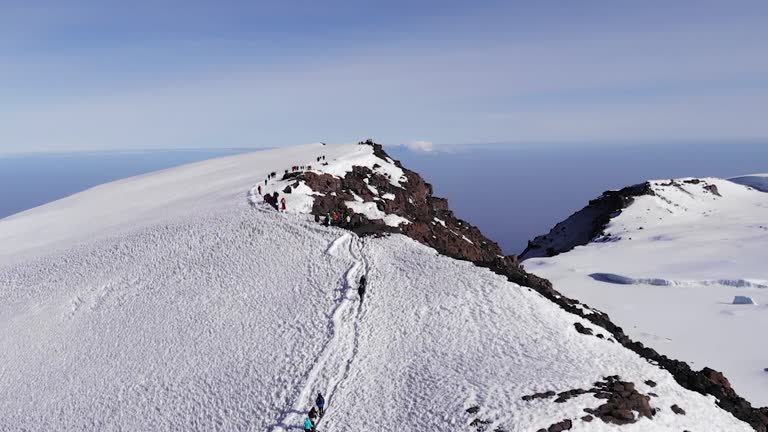
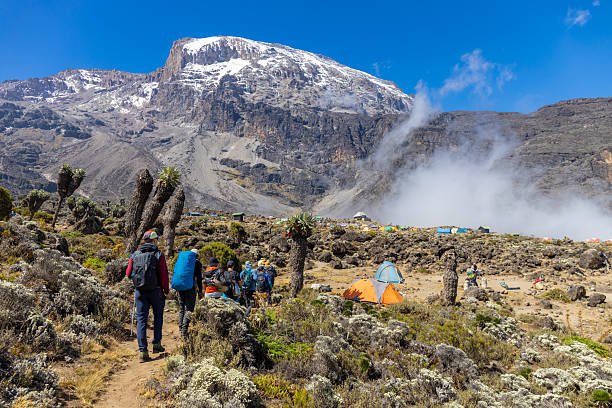
The 4 Day Kilimanjaro Farm Culture Safari can be arranged before or after climbing Mount Kilimanjaro.
Before a climb, the farm day provides cultural context about communities living around the mountain.
After a trek, the walking distance can be shortened if travellers prefer a more relaxed activity before safari.
Combine with Zanzibar
Zanzibar can be added after the safari for a beach extension.
Flights, beach accommodation and island transfers can be arranged as part of a longer Tanzania itinerary.
What to Wear
- Comfortable walking shoes
- Lightweight clothing
- Long trousers where appropriate
- Sun hat
- Light long sleeved layer
- Warm layer for Ngorongoro highlands
- Light rain protection when appropriate
- Respectful clothing for community visits
What to Bring
- Drinking water
- Sunscreen
- Sunglasses
- Sun hat
- Camera or phone
- Binoculars
- Personal medication
- Small day bag
- Warm layer
- Light rain jacket when appropriate
Typical 4 Day Kilimanjaro Farm Culture Safari Inclusions
- Pickup according to the confirmed itinerary
- Local Kilimanjaro farm guide
- Guided farm and village experience
- Coffee activities when included
- Banana and household farm interpretation
- Local lunch according to the confirmed program
- 4×4 safari vehicle
- Professional safari guide
- Tarangire National Park game drive
- Ngorongoro Crater game drive
- Lake Manyara National Park game drive
- Applicable safari arrangements stated in the confirmed package
- Meals stated in the itinerary
- Drinking water
- Transfers according to the confirmed itinerary
Typical Exclusions
- International flights
- Tanzania visa
- Travel insurance
- Accommodation unless specifically included
- Serengeti unless added to the itinerary
- Mount Kilimanjaro climbing package unless included
- Airport transfers unless stated
- Alcoholic beverages
- Personal expenses
- Tips
What Affects the 4 Day Kilimanjaro Farm Culture Safari Price?
The price of the 4 Day Kilimanjaro Farm Culture Safari depends on the number of travellers, farm activities, safari style, accommodation and transport arrangements.
Main Price Factors
- Number of travellers
- Private or group joining safari
- Selected Kilimanjaro farming community
- Coffee activities included
- Local meal arrangements
- Accommodation category
- Camping or lodge safari
- 4×4 safari vehicle
- Professional safari guide
- Tarangire safari arrangements
- Ngorongoro safari arrangements
- Lake Manyara safari arrangements
- Pickup and drop off location
- Serengeti or Zanzibar extensions
Responsible Wildlife Viewing
Responsible Safari Guidelines
- Remain inside the safari vehicle except at authorised places.
- Never feed wildlife.
- Do not make noises to attract animals.
- Do not approach wildlife on foot.
- Respect other safari vehicles.
- Stay on authorised roads.
- Follow your safari guide's instructions.
Important Information About the 4 Day Kilimanjaro Farm Culture Safari
The 4 Day Kilimanjaro Farm Culture Safari combines one Kilimanjaro farming and cultural day with three wildlife safari days.
The standard wildlife route includes Tarangire, Ngorongoro and Lake Manyara.
The exact farm and village depend on the confirmed cultural program.
Farm activities depend on participating host availability and season.
Coffee harvesting is seasonal.
Not every coffee processing stage will necessarily be demonstrated live.
Banana farms and household gardens vary according to location and season.
Walking distance can be adjusted.
Farm paths may be muddy after rainfall or dusty during dry conditions.
A clear Mount Kilimanjaro view cannot be guaranteed.
Photography of identifiable community members requires permission.
Visitors should not pick farm produce without permission.
Local meal menus vary according to the participating host.
Dietary requirements should be communicated in advance.
Wildlife remains free roaming.
Specific wildlife sightings cannot be guaranteed.
Elephants may be observed in Tarangire and Lake Manyara but remain free moving.
Lions may be observed in Tarangire and Ngorongoro but are not guaranteed.
Leopards occur in northern Tanzania but are generally difficult to locate.
Black rhino may be observed in Ngorongoro but can remain distant.
Tree climbing lion behaviour at Lake Manyara cannot be guaranteed.
Flamingo concentrations depend on ecological conditions.
Predator hunts and kills cannot be guaranteed.
Seeing all five Big Five species cannot be guaranteed.
The package can be arranged privately.
Group joining safari arrangements may be possible when compatible departures exist.
Camping and lodge versions can be arranged.
Serengeti can be added for additional wildlife time.
The itinerary can be arranged before or after a Mount Kilimanjaro climb.
Zanzibar can be added after the safari.
Before booking, provide your preferred dates, number and ages of travellers, starting location, accommodation preference, dietary requirements, walking ability and any Serengeti, Kilimanjaro or Zanzibar extension required.
Why Book the 4 Day Kilimanjaro Farm Culture Safari?
The 4 Day Kilimanjaro Farm Culture Safari combines local agricultural life around Tanzania's highest mountain with three distinctive northern circuit wildlife destinations.
Travellers can learn about coffee, bananas, household gardens, Chagga farming culture and local food before continuing to Tarangire for elephants and baobabs, Ngorongoro for crater wildlife and possible black rhino, and Lake Manyara for forest habitats, primates, hippos and birdlife.
The four day itinerary is compact but varied and can be arranged privately or adapted with camping and lodge options.
Serengeti, a Kilimanjaro climb and Zanzibar can also be added for a longer Tanzania holiday.
Frequently Asked Questions
What is the 4 Day Kilimanjaro Farm Culture Safari?
It is a four day itinerary combining a farm and cultural experience around Mount Kilimanjaro with wildlife safaris in Tarangire, Ngorongoro and Lake Manyara.
Where does the tour start?
The package normally starts from Moshi or another agreed location in the Kilimanjaro region.
What happens on Day 1?
Day 1 can include Chagga farming culture, coffee, banana farms, household gardens, village walking and local food.
What happens on Day 2?
Day 2 includes a guided wildlife game drive in Tarangire National Park before continuing toward Karatu.
What happens on Day 3?
Day 3 includes a Ngorongoro Crater safari with opportunities to observe varied wildlife and possible black rhino.
What happens on Day 4?
Day 4 explores Lake Manyara National Park before returning toward Moshi, Arusha or another agreed destination.
Which farm do we visit?
The selected farming community depends on the confirmed program and may be in Uru, Marangu or another suitable Kilimanjaro area.
Do we visit a coffee farm?
Coffee farming can form an important part of the Kilimanjaro farm cultural experience.
Can we harvest coffee?
Coffee harvesting is seasonal, so ripe coffee cherries cannot be guaranteed throughout the year.
Can we roast and grind coffee?
Roasting and grinding may be included depending on the selected farm and confirmed cultural program.
Can we taste the coffee?
Fresh coffee tasting can be included according to the selected host and farm experience.
Do we see banana farms?
Banana cultivation can be included depending on the farming community visited.
Do we visit household gardens?
Household gardens may form part of the experience, although crops vary according to season and individual family farms.
Do we learn about Chagga culture?
Yes. Local guides may explain farming traditions, food, history and contemporary Chagga community life.
Is the farm visit staged?
The experience should take place with participating farmers in working communities rather than presenting farming as a staged performance.
Can we pick crops?
Only when the farmer or guide specifically gives permission. Visitors should never pick farm produce without asking.
Is local food included?
A local lunch can be included on the farm cultural day according to the confirmed package.
Can vegetarian meals be arranged?
Vegetarian meals can usually be arranged when requested in advance.
Can vegan meals be arranged?
Vegan meals may also be possible when dietary requirements are communicated before the tour.
Can we see Mount Kilimanjaro?
Views may be possible from some farming areas when skies are clear, but cloud cover means mountain visibility cannot be guaranteed.
How difficult is the farm walk?
Walking is generally easy to moderate and can be adapted according to age, mobility and preferred activity level.
Which wildlife parks are included?
The standard safari includes Tarangire National Park, Ngorongoro Crater and Lake Manyara National Park.
What wildlife may we see in Tarangire?
Travellers may see elephants, giraffes, zebras, wildebeest, buffalo, antelope, warthogs, baboons, lions and varied birdlife.
Are elephants guaranteed?
No. Tarangire provides strong elephant viewing opportunities, but all wildlife remains free roaming.
What wildlife may we see in Ngorongoro?
Travellers may see wildebeest, zebras, buffalo, lions, spotted hyenas, hippos, elephants, gazelles, warthogs and possible black rhino.
Can we see black rhino?
Black rhino may be observed in Ngorongoro, but sightings cannot be guaranteed and animals may remain distant.
What wildlife may we see in Lake Manyara?
Travellers may see elephants, buffalo, giraffes, zebras, baboons, monkeys, hippos, antelope and varied birdlife.
Can we see tree climbing lions?
Tree climbing lion behaviour is associated with Lake Manyara but cannot be guaranteed during a particular game drive.
Can we see flamingos?
Flamingos may be present when ecological conditions are suitable, but numbers vary and large concentrations cannot be guaranteed.
Can we see lions?
Lions may be observed in Tarangire or Ngorongoro and are also possible in Lake Manyara, but sightings remain unpredictable.
Can we see leopards?
Leopards occur in northern Tanzania but are secretive and generally difficult to locate.
Can we see the Big Five?
The route offers opportunities for lion, elephant, buffalo and possible black rhino, while leopard is often difficult to locate. Seeing all five cannot be guaranteed.
Is Serengeti included?
Serengeti is not included in the standard four day itinerary but can be added by extending the safari.
Can Serengeti be added?
Yes. Additional days can be added for Serengeti wildlife and, when relevant, Great Migration focused areas.
Is the safari private?
The complete 4 Day Kilimanjaro Farm Culture Safari can be arranged privately.
Can the wildlife safari be group joining?
Group joining may be possible when compatible travellers have matching dates, routes and accommodation arrangements.
Can solo travellers book?
Yes. Solo travellers can request a private farm experience and either private or compatible shared safari arrangements.
Can couples book privately?
Yes. Couples can arrange the complete package privately with a dedicated safari vehicle.
Can families join?
Yes. Farm walking can be adapted for children and the wildlife days are mainly vehicle based.
Can older travellers join?
Yes. The farm visit can be arranged with less walking according to mobility, while the safari portion is primarily vehicle based.
Can we camp?
A camping version can be arranged when suitable campsites and equipment are available.
Can we use lodges?
Yes. Lodge accommodation can be selected according to availability and preferred comfort level.
Can the tour be arranged before climbing Kilimanjaro?
Yes. It can be arranged before a Mount Kilimanjaro climb according to your trek departure schedule.
Can it be arranged after climbing Kilimanjaro?
Yes. It can also be arranged as a post trek farm, culture and wildlife extension.
Can Zanzibar be added?
Yes. Zanzibar can be added with suitable flights, beach accommodation and island transfers.
Can airport transfers be included?
Airport pickup and departure transfers can be included according to flight details and the confirmed itinerary.
What should we bring?
Comfortable walking shoes, sun protection, warm layers, a camera, binoculars, personal medication, light rain protection and a small day bag are useful.
How do I book the 4 Day Kilimanjaro Farm Culture Safari?
Provide your preferred dates, number and ages of travellers, starting location, accommodation preference, dietary requirements, walking ability and any Serengeti, Kilimanjaro or Zanzibar extension you would like included.
Request Your 4 Day Kilimanjaro Farm Culture Safari
Experience coffee farms, banana cultivation, household gardens, Chagga culture and local food around Mount Kilimanjaro before exploring Tarangire, Ngorongoro and Lake Manyara by 4×4 with opportunities to observe elephants, buffalo, lions, giraffes, zebras, hippos, primates, birdlife and possible black rhino.
Book Your Kilimanjaro Farm Culture Safari