5 Day Marangu Route Itinerary on Mount Kilimanjaro
The 5 Day Marangu Route Itinerary follows one of Mount Kilimanjaro's established summit routes from Marangu Gate through three main mountain huts before the overnight ascent toward Uhuru Peak.
The route begins in dense rainforest, climbs through heath and moorland to Horombo Hut, continues across high alpine terrain toward Kibo Hut and then makes a summit attempt via Gilman's Point.
After the summit stage, climbers descend through Kibo to Horombo Hut and complete the final descent to Marangu Gate on Day 5.
5 Day Marangu Route Itinerary at a Glance
- Day 1: Marangu Gate to Mandara Hut
- Day 2: Mandara Hut to Horombo Hut
- Day 3: Horombo Hut to Kibo Hut
- Day 4: Kibo Hut to Gilman's Point and Uhuru Peak attempt, then descend to Horombo Hut
- Day 5: Horombo Hut to Marangu Gate and Moshi
- Mountain nights: 4
- Accommodation: Permanent mountain huts
- Highest point: Uhuru Peak at 5,895 m when safely reached
- Summit attempt: Included
- Acclimatisation: Faster schedule than the 6 day Marangu Route
How the 5 Day Marangu Route Itinerary Works
The five day Marangu itinerary follows a direct progression from the lower rainforest to the summit zone.
Climbers spend the first night at Mandara Hut, the second at Horombo Hut and the third at Kibo Hut before beginning the overnight summit attempt.
After summit day, the route descends to Horombo Hut for the fourth night and then returns to Marangu Gate on the fifth day.
The standard itinerary does not normally include an additional acclimatisation day at Horombo, making altitude management especially important.
Detailed 5 Day Marangu Route Itinerary
DAY
01
RAINFOREST
Moshi to Marangu Gate and Mandara Hut
The 5 Day Marangu Route Itinerary normally begins with a morning transfer from Moshi to Marangu Gate.
At the gate, your mountain team completes Kilimanjaro National Park registration and prepares for the first trekking stage.
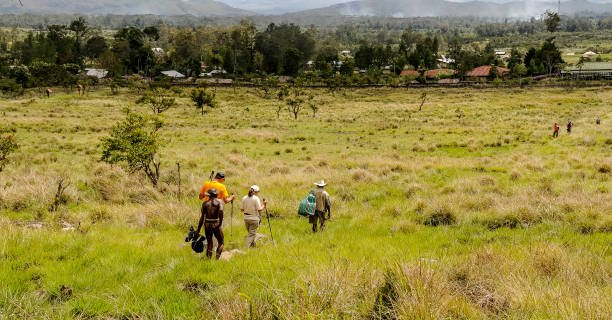
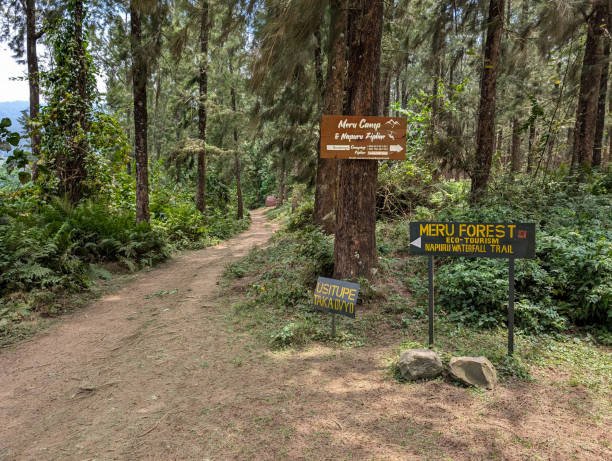
The trail begins through lush montane rainforest where tall trees, ferns, mosses and dense vegetation create a humid environment.
Rain is possible throughout the year, and sections of the trail may become muddy, making waterproof hiking boots and rain clothing important.
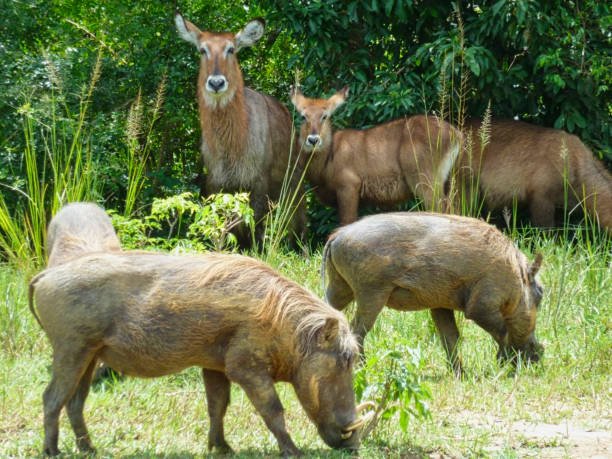
Birds and monkeys may occasionally be seen or heard in the forest, although wildlife sightings cannot be guaranteed.
The climb is generally steady rather than steep, giving trekkers an opportunity to settle into a comfortable mountain pace.
Reach Mandara Hut at approximately 2,700 metres and spend the first night of the itinerary.
Day 1 Highlights
- Morning transfer from Moshi
- Marangu Gate registration
- Rainforest trekking
- Possible monkey and bird sightings
- Gradual first day ascent
- Mandara Hut overnight
Accommodation
Mandara Hut at approximately 2,700 m.
Meals
Lunch and dinner during the mountain program.
Trekking
Approx. 8 km | around 4–5 hours | Marangu Gate at about 1,860 m to Mandara Hut at about 2,700 m.
DAY
02
HEATH & MOORLAND
Mandara Hut to Horombo Hut
After breakfast at Mandara Hut, continue upward toward Horombo Hut.
The dense forest gradually thins and the trail enters the heath and moorland zones.
Vegetation becomes shorter while views across the upper mountain become increasingly open.
Clear conditions may provide views toward Mawenzi and Kibo, although mountain weather can change quickly.
The trail gains substantial elevation during this stage, so a deliberately slow walking pace becomes increasingly important.
Reach Horombo Hut at approximately 3,720 metres.
Altitude may become more noticeable during or after this day's ascent, so report headache, nausea, dizziness, unusual weakness or other concerning symptoms to your guide.
Day 2 Highlights
- Departure from Mandara Hut
- Transition out of rainforest
- Heath and moorland scenery
- Possible Kibo and Mawenzi views
- Higher altitude trekking
- Horombo Hut overnight
Accommodation
Horombo Hut at approximately 3,720 m.
Meals
Breakfast, lunch and dinner.
Trekking
Approx. 11–12 km | around 5–7 hours | Mandara Hut to Horombo Hut.
DAY
03
ALPINE DESERT
Horombo Hut to Kibo Hut
Day 3 is the final full trekking stage before summit night.
Leave Horombo Hut and continue into increasingly dry and exposed terrain.
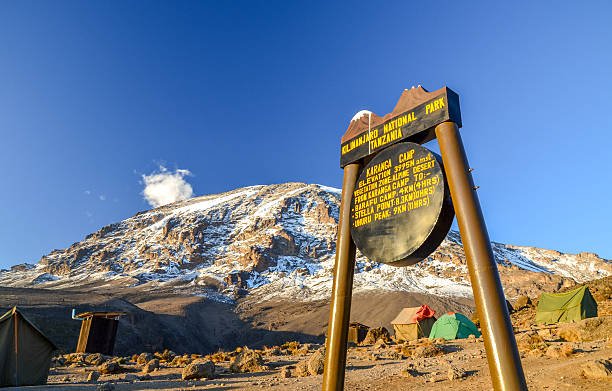
Vegetation becomes sparse as the route enters Kilimanjaro's alpine desert.
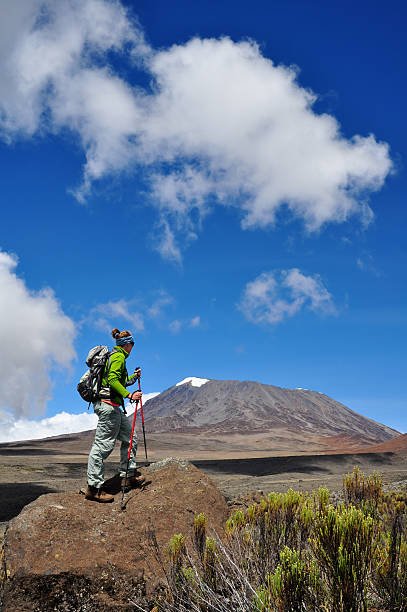
The trail crosses the broad high altitude landscape between Mawenzi and Kibo, where the scale of the upper mountain becomes especially clear.
Continue at a slow pace toward Kibo Hut at approximately 4,700 metres.
The five day itinerary does not normally add another acclimatisation day before Kibo, making careful pacing particularly important.
At Kibo Hut, eat, organise your summit clothing, headlamp, gloves, water and other essential equipment.
Your guide provides the final summit briefing before you rest for the overnight departure.
Day 3 Highlights
- Departure from Horombo Hut
- Alpine desert environment
- Crossing the high terrain between Mawenzi and Kibo
- Arrival at Kibo Hut
- Summit equipment preparation
- Final summit briefing
Accommodation
Kibo Hut at approximately 4,700 m.
Meals
Breakfast, lunch and dinner before summit preparations.
Trekking
Approx. 9–10 km | around 5–7 hours | Horombo Hut to Kibo Hut.
DAY
04
SUMMIT ITINERARY
Kibo Hut to Gilman's Point, Uhuru Peak and Horombo Hut
The most demanding section of the five day itinerary normally begins during the night.
After a limited period of rest at Kibo Hut, dress in warm summit layers, prepare your headlamp and begin climbing slowly with your mountain guide.
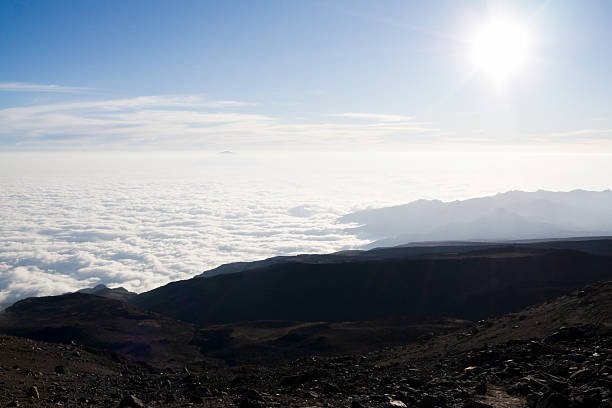
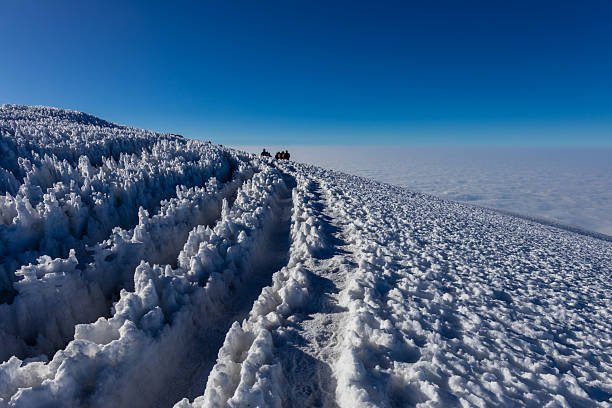
The trail ascends steeply over loose volcanic terrain while climbers face cold temperatures, darkness and increasingly thin air.
The first major objective is Gilman's Point at approximately 5,685 metres on Kilimanjaro's crater rim.
Climbers who reach Gilman's Point in suitable condition may continue around the crater rim toward Uhuru Peak at 5,895 metres.
This continuation adds further high altitude exposure, and the decision to continue should depend on participant condition and professional guide assessment.
After reaching the highest safe point, descend back to Kibo Hut for a short rest before continuing downhill to Horombo Hut.
The exact duration of summit day varies according to walking pace, weather, altitude response and turnaround point.
Summit Safety
The itinerary includes an attempt to reach Uhuru Peak but never guarantees summit success. A guide may require an earlier turnaround or immediate descent because of altitude symptoms, exhaustion, weather or another safety concern.
Day 4 Highlights
- Overnight departure from Kibo Hut
- Steep summit ascent
- Gilman's Point at approximately 5,685 m
- Uhuru Peak attempt at 5,895 m
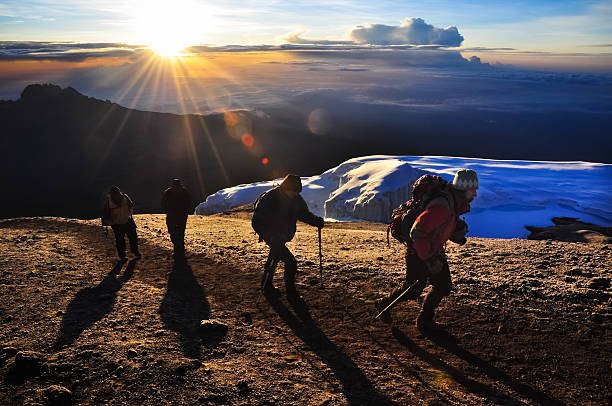
- Possible sunrise over the upper mountain
- Descent to Kibo Hut
- Continue to Horombo Hut
Accommodation
Horombo Hut after the summit attempt.
Highest Point
Uhuru Peak at 5,895 m when safely and successfully reached.
Trekking
A long summit and descent day with timing depending on pace, conditions and safe turnaround point.
DAY
05
FINAL DESCENT
Horombo Hut to Marangu Gate and Moshi
After breakfast at Horombo Hut, begin the final trekking day of the itinerary.
Descend through open moorland toward the Mandara area and continue into Kilimanjaro's lower rainforest.
The trail is mainly downhill, but tired legs after summit day can make this section physically demanding.
Trekking poles can be useful for reducing strain on the knees and improving stability on wet or uneven terrain.
Reach Marangu Gate and complete the required Kilimanjaro National Park exit procedures.
Meet your vehicle and return to Moshi, completing the five day Marangu Route itinerary.
Day 5 Highlights
- Breakfast at Horombo Hut
- Moorland descent
- Pass through Mandara area
- Rainforest trekking
- Arrival at Marangu Gate
- Park exit procedures
- Return to Moshi
Accommodation
Return to Moshi after completing the route.
Meals
Breakfast and lunch during the mountain program.
Trekking
Long descent from Horombo Hut through Mandara to Marangu Gate.
5 Day Marangu Route Itinerary Highlights
Main Itinerary Highlights
- Five trekking days on Mount Kilimanjaro
- Marangu Gate starting point
- Mandara Hut overnight
- Horombo Hut ascent overnight
- Kibo Hut before summit night
- Overnight summit attempt
- Gilman's Point at approximately 5,685 m
- Uhuru Peak attempt at 5,895 m
- Second Horombo night after summit attempt
- Final descent to Marangu Gate
Marangu Route Elevation Progression
The five day itinerary gains altitude rapidly over its first three trekking days.
Climbers begin near Marangu Gate at approximately 1,860 metres, reach Mandara Hut at about 2,700 metres, Horombo at approximately 3,720 metres and Kibo Hut at around 4,700 metres.
The summit attempt then climbs toward Gilman's Point at approximately 5,685 metres and Uhuru Peak at 5,895 metres.
This rapid elevation progression is one of the most important factors to consider before choosing the five day schedule.
Marangu Route Ecological Zones
The itinerary passes through several dramatically different environments over a relatively short period.
- Rainforest: Dense and humid vegetation between Marangu Gate and Mandara.
- Heath: Transitional vegetation as the route climbs higher.
- Moorland: Open high mountain scenery around Horombo.
- Alpine desert: Dry and exposed landscape approaching Kibo Hut.
- Summit environment: Cold volcanic terrain and crater rim scenery at extreme altitude.
Mandara Hut in the Itinerary
Mandara Hut is the first mountain overnight and sits at approximately 2,700 metres.
The hut provides a convenient stopping point after the first rainforest ascent from Marangu Gate.
It also marks the transition from the lower mountain into progressively higher terrain.
Horombo Hut in the Itinerary
Horombo Hut sits at approximately 3,720 metres within Kilimanjaro's moorland zone.
On the five day itinerary, climbers normally use Horombo twice: once on the ascent and once again after summit day.
Clear conditions may provide excellent views toward Mawenzi and Kibo.
Kibo Hut Before Summit Night
Kibo Hut is situated at approximately 4,700 metres and serves as the final base before the summit attempt.
The surrounding landscape is cold, dry and exposed, with very little vegetation.
After arriving, climbers normally eat, prepare their summit equipment and try to rest before departing during the night.
Gilman's Point in the Marangu Itinerary
Gilman's Point at approximately 5,685 metres is located on the crater rim and represents an important milestone during the summit ascent.
The climb from Kibo Hut to Gilman's Point is steep and normally takes place during the coldest hours of the night.
Climbers who reach Gilman's Point in suitable condition may continue toward Uhuru Peak.
Uhuru Peak Summit Attempt
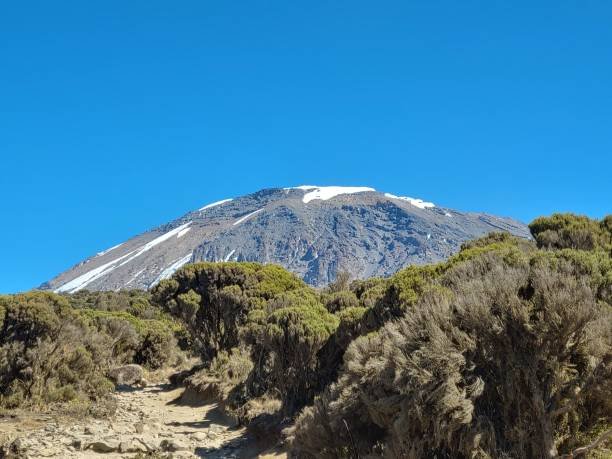
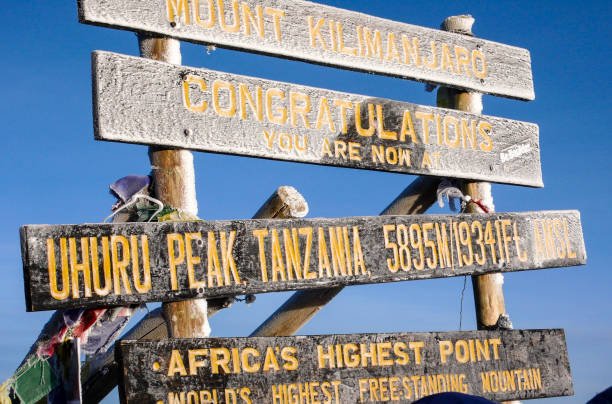
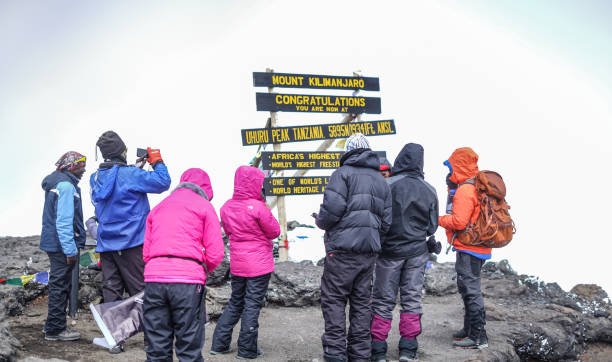
Uhuru Peak at 5,895 metres is the highest point on Mount Kilimanjaro and the principal summit objective of the five day itinerary.
The route reaches the crater rim before continuing toward Uhuru Peak when conditions and participant health allow.
Not every climber who starts summit night will necessarily reach Uhuru Peak.
Summit Success Is Never Guaranteed
The itinerary provides an opportunity to attempt the summit. Altitude symptoms, exhaustion, severe weather or another safety concern can require an earlier turnaround. The safest decision always takes priority.
How Difficult Is the 5 Day Marangu Route Itinerary?
The five day Marangu itinerary is demanding because it combines rapid altitude gain with several consecutive trekking days.
The route does not normally require technical mountaineering skills, but physical endurance, cold weather preparation and the ability to walk for long periods are important.
The summit stage is especially difficult because it begins during the night and continues through very high altitude before a long descent.
Altitude and Acclimatisation on the 5 Day Itinerary
Acclimatisation is one of the biggest considerations when evaluating the five day Marangu Route.
The standard itinerary moves from Horombo directly to Kibo Hut without a dedicated additional acclimatisation day.
This means participants gain altitude relatively quickly before attempting the summit.
Physical fitness helps with the workload of trekking but does not prevent altitude sickness.
Take Altitude Seriously
Walk slowly, maintain hydration according to guide instructions and report headache, nausea, dizziness, unusual weakness, confusion or other concerning symptoms. Your guide may require descent if continuing becomes unsafe.
5 Day vs 6 Day Marangu Route Itinerary
5 Day Itinerary: Mandara → Horombo → Kibo → summit attempt → Horombo → Marangu Gate.
6 Day Itinerary: Normally includes an additional acclimatisation day around Horombo before continuing to Kibo Hut.
The six day version provides more time for the body to adjust before summit night.
Travellers with enough time should consider the acclimatisation advantage of the longer itinerary rather than choosing solely according to trip length.
Who Is the 5 Day Marangu Route Itinerary Best For?
- Fit and active travellers
- Experienced hikers
- Travellers with limited trekking time
- Climbers who prefer hut accommodation
- Solo travellers joining suitable departures
- Couples
- Friends travelling together
- Private groups
Is the 5 Day Marangu Itinerary Suitable for Beginners?
A fit and well prepared beginner can consider the five day itinerary, but the shorter schedule should not be mistaken for an easy Kilimanjaro climb.
The main difficulty is the rapid elevation gain rather than technical climbing.
First time high altitude trekkers who have additional time may prefer the six day Marangu Route or another longer itinerary with more acclimatisation opportunities.
Professional Kilimanjaro Mountain Guides
Professional mountain guides accompany climbers throughout the itinerary.
Guides manage route navigation, daily timing, trekking pace, altitude monitoring and summit procedures.
They also assess whether continuing higher remains appropriate for each participant.
Open communication between climbers and guides is especially important on a faster five day schedule.
Marangu Route Hut Accommodation
The Marangu Route is distinguished by permanent mountain huts rather than normal sleeping tents.
The five day itinerary normally includes Mandara Hut, Horombo Hut and Kibo Hut, followed by another overnight at Horombo after summit day.
The accommodation is simple and practical rather than luxury based.
A warm sleeping bag remains essential because temperatures can become very cold at higher elevations.
What to Expect on Summit Night
Summit night is normally the most physically and mentally demanding section of the itinerary.
Climbers leave Kibo Hut during the night and ascend slowly toward the crater rim.
The trail is steep, the temperature is low and oxygen availability is considerably reduced.
Progress is deliberately slow and steady.
After reaching the safe highest point, climbers begin the long descent through Kibo Hut to Horombo Hut.
Best Time for the 5 Day Marangu Route
Mount Kilimanjaro can be climbed during much of the year, although January to early March and approximately June through October are commonly selected periods.
December is also popular for Christmas and New Year climbs.
Weather remains unpredictable in every season, so climbers should prepare for rain, strong sun, wind and freezing summit temperatures.
What to Pack for the 5 Day Marangu Route Itinerary
- Waterproof trekking boots
- Waterproof jacket
- Waterproof trousers
- Warm insulated summit jacket
- Fleece and insulating middle layers
- Thermal base layers
- Trekking trousers
- Warm summit hat
- Sun hat
- Warm gloves
- Hiking socks
- Daypack
- Warm sleeping bag
- Headlamp with spare batteries
- Sunglasses and sunscreen
- Reusable water bottles or hydration system
- Personal medication
- Trekking poles
- Duffel bag according to the confirmed trekking arrangement
Typical 5 Day Marangu Route Itinerary Inclusions
- Kilimanjaro National Park charges stated in the confirmed package
- Professional Kilimanjaro mountain guides
- Mountain support crew as specified
- Mandara Hut accommodation
- Horombo Hut accommodation
- Kibo Hut accommodation
- Mountain meals as specified
- Drinking water during the route
- Moshi to Marangu Gate transfer
- Marangu Gate to Moshi return transfer
- Mountain support services stated in the confirmed package
Typical 5 Day Marangu Route Itinerary Exclusions
- International flights
- Tanzania visa fees
- Travel and medical insurance
- Guide and crew tips
- Personal trekking equipment unless specified
- Equipment rental unless included
- Personal expenses
- Hotel accommodation unless stated
- Airport transfers unless included
- Safari or Zanzibar extensions unless included
Private 5 Day Marangu Route Itinerary
The itinerary can be organised privately for solo travellers, couples, friends and suitable groups.
A private arrangement allows the mountain team to focus more closely on the walking pace and condition of the travellers included in one booking.
The route and altitude progression remain the same, so private service does not remove the need for careful acclimatisation and responsible summit decisions.
Group 5 Day Marangu Route Itinerary
Travellers can also join a suitable group departure when one is available.
A group itinerary allows participants from different bookings to follow the same mountain schedule together.
Individual health and altitude response must still be assessed separately even when climbers are part of the same group.
Combine the Marangu Itinerary with a Tanzania Safari
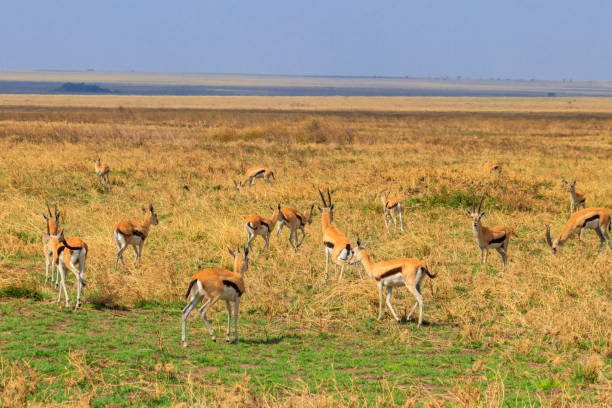
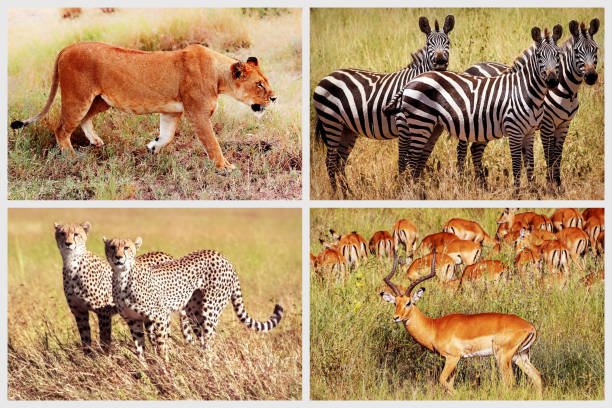
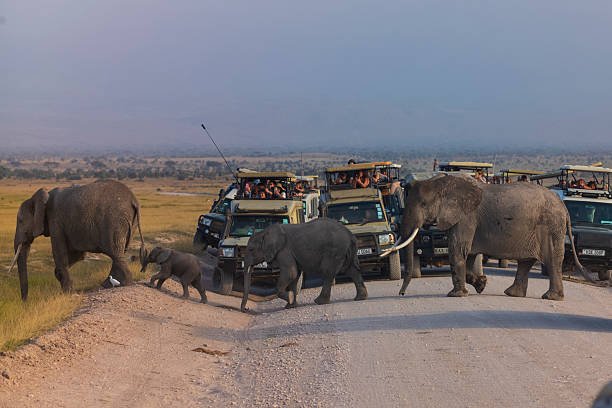
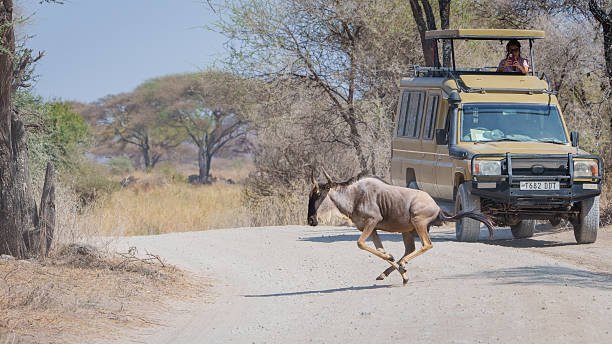
After finishing the climb and returning to Moshi, travellers can continue with a Tanzania wildlife safari.
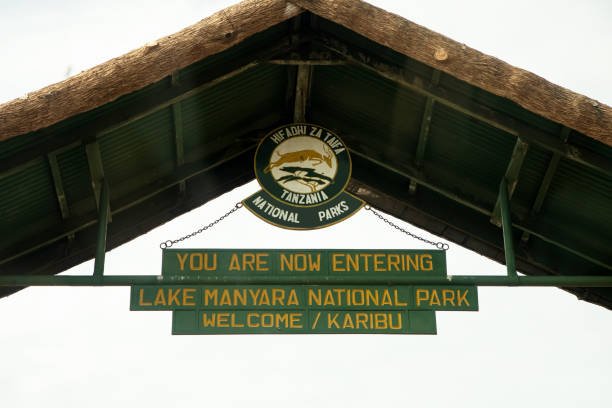
Popular destinations include Tarangire National Park, Ngorongoro Crater, Serengeti National Park and Lake Manyara.
A Zanzibar beach extension can also be added after the mountain and safari itinerary.
Frequently Asked Questions
What is the 5 Day Marangu Route Itinerary?
It is a five day Mount Kilimanjaro summit itinerary that travels from Marangu Gate through Mandara, Horombo and Kibo Hut before an overnight summit attempt.
Where do you sleep on Day 1?
Day 1 normally ends at Mandara Hut at approximately 2,700 metres.
Where do you sleep on Day 2?
Day 2 normally ends at Horombo Hut at approximately 3,720 metres.
Where do you sleep before summit night?
Climbers normally spend the third night at Kibo Hut at approximately 4,700 metres before beginning the summit attempt.
When is summit day?
The summit attempt normally begins during the night between Day 3 and Day 4.
Does the itinerary include Gilman's Point?
Yes. The summit route normally climbs toward Gilman's Point at approximately 5,685 metres before continuing toward Uhuru Peak when conditions allow.
Does the itinerary include Uhuru Peak?
Yes. The five day Marangu itinerary includes an attempt to reach Uhuru Peak at 5,895 metres, but summit success cannot be guaranteed.
Where do climbers sleep after summit day?
After descending from the summit zone, climbers normally spend the fourth mountain night at Horombo Hut.
Where does the itinerary finish?
The mountain itinerary finishes at Marangu Gate on Day 5, followed by return transport to Moshi according to the confirmed arrangement.
Does the Marangu Route use tents?
The standard route uses permanent mountain huts for overnight accommodation rather than personal sleeping tents.
What is the difference between the 5 and 6 day itineraries?
The six day Marangu itinerary normally includes an additional acclimatisation day around Horombo before continuing toward Kibo Hut.
Can I add a safari after the Marangu Route?
Yes. After returning to Moshi, travellers can continue to Tarangire, Ngorongoro Crater, Serengeti, Lake Manyara or Zanzibar.
Plan Your 5 Day Marangu Route Itinerary
Share your preferred climbing date, number of travellers and required services to receive your personalised 5 Day Marangu Route Itinerary with availability, inclusions, exclusions and complete quotation.
Plan Your Marangu Route