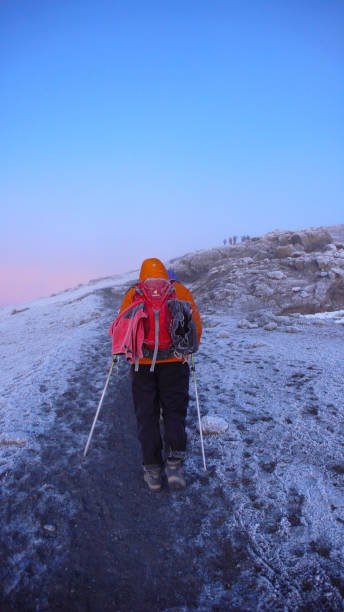
7 Day Lemosho Route Group Tour on Mount Kilimanjaro
The 7 Day Lemosho Route Group Tour is designed for travellers who want to climb Mount Kilimanjaro with other compatible climbers while following one of the mountain’s most scenic western approaches.
The Lemosho Route begins through rainforest on the western side of Kilimanjaro before reaching the broad Shira Plateau and continuing toward Lava Tower, Barranco, Karanga and Barafu.
Joining a group can provide a social mountain experience while allowing selected transport, guide and expedition logistics to be shared among participants.
Each climber still receives individual altitude monitoring because people can respond very differently to the same elevation, pace and weather conditions.
The summit attempt normally begins during the night from Barafu. Climbers ascend toward Stella Point and, when medically safe and permitted by the guide, may continue toward Uhuru Peak at 5,895 metres.
The 7 Day Lemosho Route Group Tour remains a demanding high altitude expedition. Group membership, physical fitness and determination cannot guarantee successful acclimatisation or reaching the summit.
7 Day Lemosho Route Group Tour at a Glance
- Duration: 7 mountain days.
- Route: Lemosho Route.
- Tour style: Group joining Kilimanjaro climb.
- Approach: Western side of Mount Kilimanjaro.
- Highest possible point: Uhuru Peak at 5,895 m.
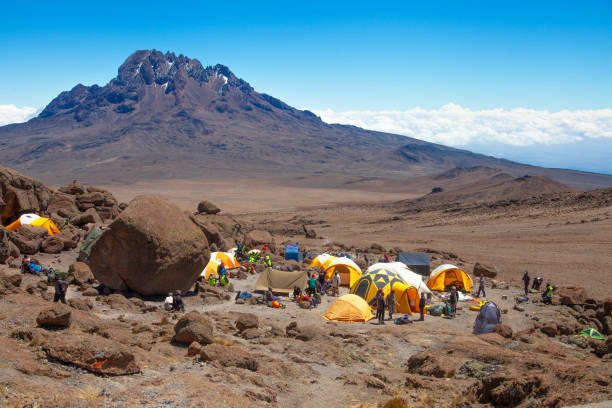
- Accommodation: Mountain camping.
- Day 1: Lemosho trailhead to Mti Mkubwa.
- Day 2: Mti Mkubwa to Shira 2.
- Day 3: Shira 2 via Lava Tower to Barranco.
- Day 4: Barranco to Karanga.
- Day 5: Karanga to Barafu.
- Day 6: Barafu to Stella Point, possible Uhuru Peak and Mweka.
- Day 7: Mweka Camp to Mweka Gate.
Why Choose the 7 Day Lemosho Route Group Tour?
A group departure can suit solo travellers, couples and friends who want to share the Kilimanjaro experience with other climbers following the same itinerary.
The seven day Lemosho itinerary combines a scenic route profile with useful altitude variation and a separate Karanga overnight before the climb to Barafu.
Main Group Tour Highlights
- Shared Kilimanjaro experience with other climbers
- Scenic western Lemosho approach
- Professional mountain guide team
- Rainforest trekking
- Shira Plateau
- Lava Tower altitude exposure
- Barranco Valley
- Barranco Wall
- Karanga Camp
- Barafu summit base
- Overnight summit attempt
- Possible Uhuru Peak summit
Complete 7 Day Lemosho Route Group Tour Itinerary
DAY
01
LEMOSHO TRAILHEAD TO MTI MKUBWA
Meet the Group and Begin the Lemosho Route
The 7 Day Lemosho Route Group Tour begins with the agreed transfer toward the western side of Mount Kilimanjaro.
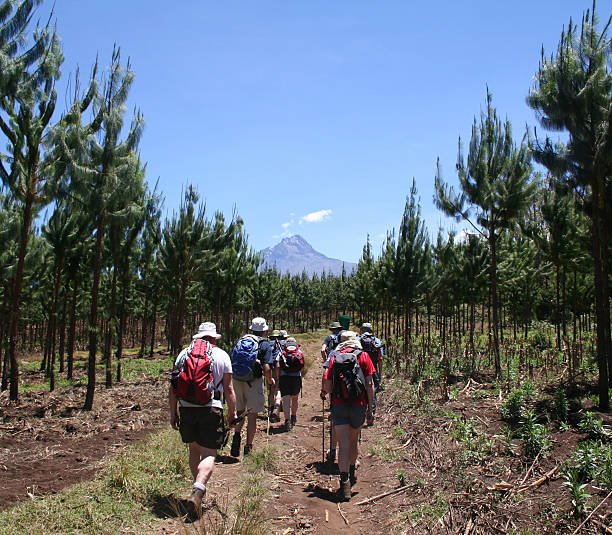
After registration, luggage preparation and a mountain briefing, the climbing group begins trekking through dense rainforest toward Mti Mkubwa.
The first stage provides time for climbers to become familiar with the group, mountain crew and daily trekking routine.
Day 1 Trek Details
- Start: Lemosho trailhead
- Finish: Mti Mkubwa Camp
- Distance: Approximately 6 to 7 km
- Walking time: Approximately 3 to 4 hours
- Finish altitude: Approximately 2,650 to 2,780 m
- Environment: Rainforest
Even when trekking as a group, climbers should avoid trying to match the fastest participant. A slow and controlled pace is important from the beginning.
Accommodation
Mountain tent at Mti Mkubwa Camp.
Meals
Lunch and dinner according to the confirmed program.
Group Trek
Approximately 6 to 7 km and 3 to 4 hours.
DAY
02
MTI MKUBWA TO SHIRA 2
Climb Toward the Shira Plateau
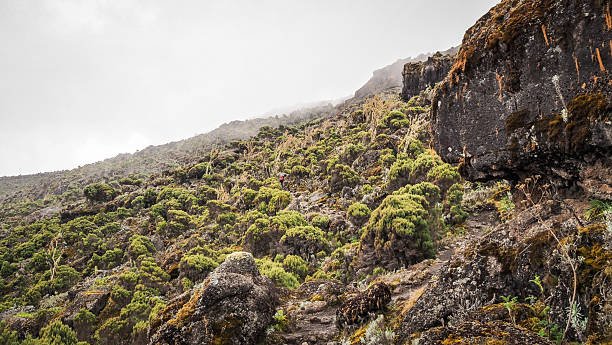
After breakfast, the group leaves Mti Mkubwa and continues upward as rainforest gives way to heath and moorland.
The route gradually opens onto the Shira Plateau, one of the most scenic sections of the Lemosho Route.
Depending on the exact operating plan, the group may pass through the Shira 1 area before continuing toward Shira 2.
Day 2 Trek Details
- Start: Mti Mkubwa
- Finish: Shira 2
- Distance: Approximately 14 to 16 km
- Walking time: Approximately 7 to 9 hours
- Finish altitude: Around 3,850 m
- Environment: Heath, moorland and plateau
This is a longer trekking day and includes substantial altitude gain.
Every group member should communicate individually about headache, appetite, nausea and unusual fatigue because altitude affects each climber differently.
Accommodation
Mountain tent at Shira 2.
Meals
Breakfast, lunch and dinner.
Group Trek
Approximately 14 to 16 km and 7 to 9 hours.
DAY
03
SHIRA 2 TO LAVA TOWER TO BARRANCO
Group Acclimatisation Through Lava Tower
Day three provides one of the most important altitude experiences on the 7 Day Lemosho Route Group Tour.
The trail climbs toward Lava Tower at approximately 4,600 metres before descending toward Barranco Camp at approximately 3,900 metres.
This climb high and sleep lower profile provides useful altitude exposure.
Day 3 Trek Details
- Start: Shira 2
- High point: Lava Tower, approximately 4,600 m
- Finish: Barranco Camp
- Finish altitude: Around 3,900 m
- Distance: Approximately 10 km
- Walking time: Approximately 6 to 8 hours
Some climbers may feel comfortable at Lava Tower while others develop headache, nausea or significant fatigue.
A climber should never hide symptoms simply because other members of the group appear stronger.
Group Acclimatisation Principles
- Walk slowly rather than competing with other climbers.
- Drink regularly.
- Eat consistently.
- Report symptoms individually.
- Follow professional guide advice.
- Do not continue solely because other group members continue.
Accommodation
Mountain tent at Barranco Camp.
Meals
Breakfast, lunch and dinner.
Group Trek
Approximately 10 km and 6 to 8 hours.
DAY
04
BARRANCO TO KARANGA
Barranco Wall and Karanga Camp
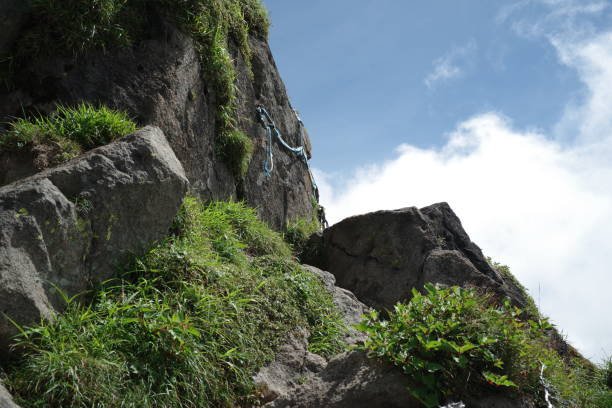
The day begins with the Barranco Wall, one of the best known sections of Kilimanjaro’s southern circuit.
The standard route is steep but normally completed as a guided scramble rather than technical rock climbing.
The group should maintain spacing and follow the guide’s instructions through steeper sections.
Day 4 Trek Details
- Start: Barranco Camp
- Finish: Karanga Camp
- Distance: Approximately 5 km
- Walking time: Approximately 4 to 5 hours
- Finish altitude: Around 4,035 m
The separate Karanga overnight provides additional mountain time before the climb toward Barafu.
Climbers should continue eating and drinking consistently even when altitude reduces appetite.
Accommodation
Mountain tent at Karanga Camp.
Meals
Breakfast, lunch and dinner.
Group Trek
Approximately 5 km and 4 to 5 hours.
DAY
05
KARANGA TO BARAFU
Reach Barafu and Prepare for Group Summit Night
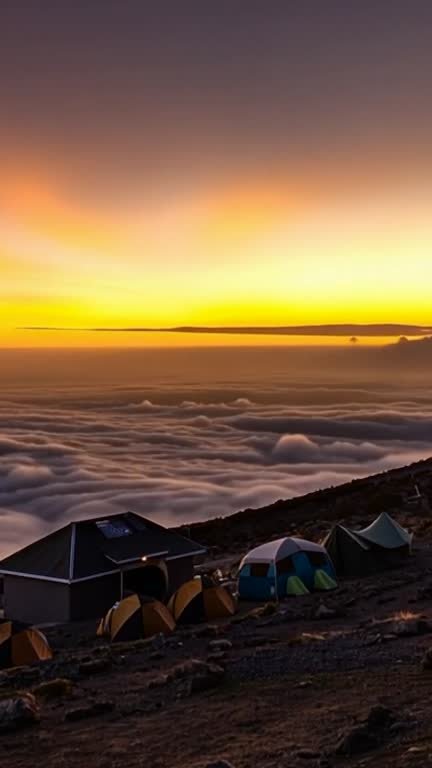
After breakfast, the group continues through high alpine terrain toward Barafu.
The trekking stage is relatively short, allowing time after arrival for food, hydration and preparation before summit night.
Day 5 Trek Details
- Start: Karanga Camp
- Finish: Barafu Camp
- Distance: Approximately 4 km
- Walking time: Approximately 3 to 4 hours
- Starting altitude: Around 4,035 m
- Finish altitude: Around 4,673 m
Each participant should organise summit clothing, water, snacks, headlamp and personal medication before resting.
Group Summit Preparation
- Prepare warm base layers.
- Prepare insulated summit jacket.
- Check waterproof outer layers.
- Check warm gloves and headwear.
- Test headlamp and spare batteries.
- Prepare drinking water and snacks.
- Report any altitude symptoms before departure.
- Rest as much as possible.
Accommodation
Mountain tent at Barafu Camp.
Meals
Breakfast, lunch and early dinner.
Group Trek
Approximately 4 km and 3 to 4 hours.
DAY
06
GROUP SUMMIT DAY
Barafu to Stella Point, Uhuru Peak and Mweka
Day six is the longest and most demanding stage of the 7 Day Lemosho Route Group Tour.
The group normally begins the summit attempt around midnight or during the late night hours.
Climbers ascend slowly toward Stella Point through darkness, freezing conditions and extreme altitude.
Climbers who remain medically safe and physically capable may continue toward Uhuru Peak at 5,895 metres.
Summit Day Details
- Start: Barafu Camp, approximately 4,673 m
- Crater rim: Stella Point, approximately 5,756 m
- Highest possible point: Uhuru Peak, 5,895 m
- Finish: Mweka Camp, approximately 3,100 m
- Total activity: Approximately 12 to 16 hours depending on pace and conditions
The climbing party may spread out naturally because climbers move at different speeds and experience altitude differently.
Appropriate guide coverage allows individual decisions to be made when one climber needs to turn around while others remain safe to continue.
After reaching the highest safe point, descend toward Barafu for a short rest before continuing to Mweka Camp.
Group Summit Safety
- Not all climbers move at the same speed.
- Altitude affects group members differently.
- One climber may need to descend while others continue.
- Professional guide decisions must be respected.
- Serious symptoms require descent.
- Summit success cannot be guaranteed.
Accommodation
Mountain tent at Mweka Camp.
Meals
Meals according to summit timing and the confirmed program.
Group Trek
Approximately 12 to 16 hours including summit ascent and descent.
DAY
07
MWEKA CAMP TO MWEKA GATE
Final Group Descent
After breakfast, begin the final descent through lower vegetation and rainforest toward Mweka Gate.
Wet weather can make the lower trail slippery, so trekking poles and careful footing can remain useful until the end.
Day 7 Trek Details
- Start: Mweka Camp
- Finish: Mweka Gate
- Walking time: Approximately 3 to 4 hours
- Environment: Lower vegetation and rainforest
- Final transfer: Mweka Gate to Moshi or agreed destination
Complete the required mountain exit procedures before meeting the group transfer vehicle.
Eligible climbers normally receive the appropriate summit certificate according to the highest recognised point reached and applicable mountain procedures.
Final Destination
Mweka Gate followed by agreed road transfer.
Meals
Breakfast and lunch according to the confirmed program.
Transfer
Group transfer from Mweka Gate to the agreed destination.
How a Lemosho Group Tour Works
A group joining departure combines travellers who have compatible climbing dates and want to follow the same seven day Lemosho itinerary.
Participants may arrive from different countries and may not know one another before the climb.
The group shares the same route schedule, mountain guides, selected camp facilities and other expedition logistics.
Typical Group Tour Structure
- Fixed or agreed departure date
- Shared seven day Lemosho itinerary
- Professional lead guide
- Assistant guides according to group size
- Shared dining arrangements
- Individual health monitoring
- Shared selected mountain logistics
- Summit decisions made according to individual health
Group Size on the 7 Day Lemosho Route Group Tour
Group size can vary according to the departure date and confirmed bookings.
A larger party requires additional guides, porters and camp support.
Travellers should ask about the expected group size before departure if they prefer a particular social environment.
Why Guide Ratio Matters in a Group
Guide coverage is especially important on a group climb because participants do not always walk at the same speed.
At altitude, one climber may be strong while another needs to slow down, rest or descend.
Why Additional Guide Support Can Be Important
- Climbers can move at different speeds.
- Altitude symptoms can affect only one group member.
- A climber may require descent while the others continue.
- Summit night can naturally spread out the group.
- Appropriate guide coverage helps manage individual needs.
Acclimatisation on the 7 Day Lemosho Route Group Tour
The route includes useful altitude variation through Shira Plateau, Lava Tower, Barranco and Karanga.
The separate Karanga overnight gives climbers another night on the mountain before reaching Barafu.
However, the same itinerary can affect different group members very differently.
Good Group Acclimatisation Habits
- Walk at the guide controlled pace.
- Avoid competing with faster climbers.
- Drink consistently.
- Eat properly.
- Rest at camp.
- Report symptoms honestly.
- Follow guide decisions about ascent or descent.
Altitude Safety
Altitude sickness can affect any climber regardless of age, physical fitness or previous hiking experience.
Being part of a group should never pressure someone into continuing when symptoms indicate that stopping or descending may be safer.
Symptoms That Require Guide Attention
- Persistent or severe headache
- Repeated vomiting
- Severe dizziness
- Confusion
- Difficulty walking normally
- Unusual breathlessness at rest
- Extreme weakness
- Rapidly worsening symptoms
Serious or worsening symptoms can require descent even when the rest of the group remains well.
Health Checks and Pulse Oximeter Monitoring
Guides may conduct daily health checks to assess how individual participants are responding to increasing altitude.
Health discussions can include headache, nausea, appetite, sleep, fatigue and breathing.
Pulse oximeter monitoring may also be used where provided, although numerical readings should support rather than replace assessment of symptoms and overall condition.
Emergency Oxygen
Emergency oxygen may be carried according to the confirmed safety arrangement.
It can support emergency management but should not be treated as a substitute for descent when serious altitude illness develops.
The guide may require immediate descent even if other members of the group continue climbing.
What Makes Lemosho Scenic?
The western approach provides changing landscapes throughout the trek.
Climbers begin in rainforest, move through heath and moorland, cross the Shira Plateau and continue into increasingly dry alpine terrain.
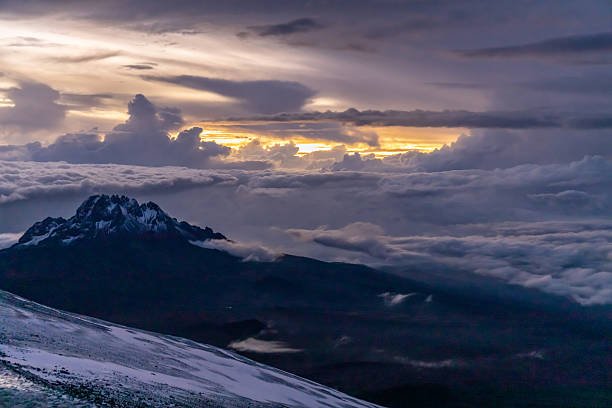
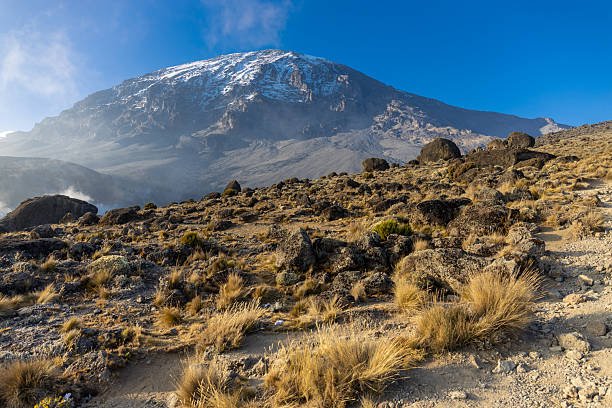
Lava Tower, Barranco Valley, Barranco Wall and the upper mountain provide some of the route’s most memorable scenery.
Shira Plateau Experience
Shira Plateau is one of the signature landscapes of Lemosho.
The broad volcanic plateau creates an open high mountain environment after the enclosed rainforest of the first day.
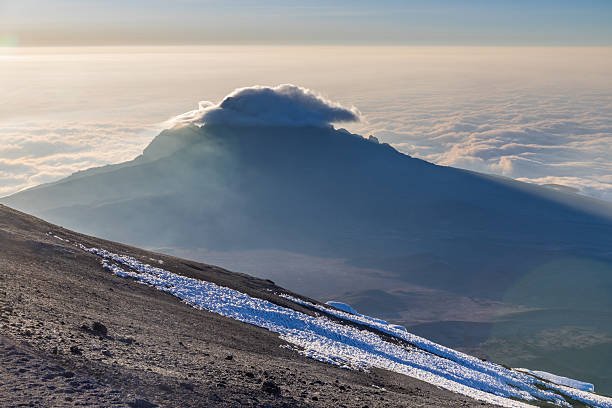
Clear weather can provide views toward Kibo and across Kilimanjaro’s western slopes.
Barranco Wall on a Group Tour
The Barranco Wall is climbed as a group, but participants should maintain safe spacing and avoid rushing.
The standard trail normally requires scrambling rather than technical climbing.
The guides manage the route and help climbers navigate the steeper sections safely.
Mountain Camping and Tent Arrangements
Lemosho is a camping route and group members normally stay at designated camps throughout the mountain itinerary.
Tent arrangements should be confirmed before booking because some packages use shared tents while single tents may be available depending on the booking setup.
Sleeping mattresses are normally provided according to the confirmed package, while a suitable cold weather sleeping bag may need to be brought or rented.
Single Tent on a Group Tour
Solo travellers should ask whether their booking includes a single mountain tent or assumes tent sharing.
A single tent can provide additional privacy but may require extra equipment and porter capacity depending on the expedition setup.
Hotel room arrangements should also be confirmed separately from mountain tent arrangements.
Mountain Meals
A mountain cook normally prepares meals for the climbing group throughout the trek.
- Breakfast before trekking
- Lunch or packed lunch depending on the day
- Dinner at camp
- Hot drinks according to camp arrangements
- Prepared drinking water during the trek
Dietary requirements should be communicated before the group departs so the mountain cook can plan appropriately.
Porter Support and Luggage
Porters carry designated climber luggage and group equipment according to applicable mountain requirements and weight limits.
Each climber carries a personal daypack containing items required while trekking.
Typical Daypack Items
- Drinking water
- Waterproof jacket
- Warm layer
- Sun hat
- Sunglasses
- Sunscreen
- Snacks
- Personal medication
- Camera or phone
- Valuables
Training for the Group Tour
Climbers should prepare physically before arriving for the expedition.
Training should focus on endurance, hill walking, leg strength and the ability to hike on several consecutive days.
- Long walks
- Hill hiking
- Stair climbing
- Cardiovascular exercise
- Leg strengthening
- Core training
- Back to back hiking days
- Walking with a daypack
Physical preparation improves endurance but does not guarantee acclimatisation.
Best Time for a 7 Day Lemosho Route Group Tour
Group departures can operate during several periods of the year.
Drier periods are popular because trails may be easier to manage and visibility can sometimes be clearer.
Wetter periods can bring rain, mud, cloud and additional snow at high elevation.
Kilimanjaro weather remains unpredictable in every season.
What to Pack
- Waterproof trekking boots
- Trekking socks
- Base layers
- Warm mid layers
- Insulated summit jacket
- Waterproof jacket
- Waterproof trousers
- Warm trekking trousers
- Warm hat
- Sun hat
- Warm gloves
- Gaiters
- Headlamp and spare batteries
- Trekking poles
- Daypack
- Duffel bag
- Cold weather sleeping bag
- Water bottles or hydration system
- Sunglasses
- Sunscreen
- Personal medication
Equipment Rental
Selected trekking equipment may be available for climbers who do not own everything required for Kilimanjaro.
- Sleeping bag
- Trekking poles
- Duffel bag
- Gaiters
- Waterproof jacket
- Waterproof trousers
- Selected warm mountain clothing
Rental equipment should be checked for size and condition before the group departs.
Typical 7 Day Lemosho Route Group Tour Inclusions
- Kilimanjaro park arrangements stated in the confirmed package
- Applicable camping arrangements
- Applicable rescue arrangements stated in the package
- Professional lead mountain guide
- Assistant guides according to group size
- Mountain cook
- Porter support
- Mountain sleeping tents
- Sleeping mattress according to the package
- Dining tent, tables and chairs according to the confirmed setup
- Mountain meals
- Drinking water
- First aid equipment
- Emergency oxygen according to the confirmed safety setup
- Pulse oximeter monitoring where provided
- Agreed group gate transfers
- Summit certificate for eligible climbers according to mountain procedures
Typical Group Tour Exclusions
- International flights
- Tanzania visa
- Travel and rescue insurance unless specifically included
- Personal trekking equipment
- Rental equipment unless specifically included
- Mountain crew tips
- Personal expenses
- Alcoholic beverages
- Hotel accommodation unless specifically included
- Airport transfers unless specifically included
- Optional private toilet unless included
Group Tour for Solo Travellers
The 7 Day Lemosho Route Group Tour can be especially suitable for solo travellers who want to climb with other people instead of operating a completely private expedition.
Solo travellers should confirm hotel room and mountain tent arrangements because single occupancy terms can vary.
Group Tour for Couples
Couples can join the same scheduled Lemosho group while sharing the trekking experience with other climbers.
They follow the same route schedule and guide instructions as the rest of the party.
Group Tour for Friends
Friends travelling together can join an existing departure when space is available.
A larger number of friends may also form the core of a scheduled departure and be joined by additional compatible climbers.
7 Day Lemosho Group Tour Versus Private Tour
A group tour shares the departure with other travellers, while a private climb is operated only for your own party.
- Group tour: Shared climbing party and selected expedition logistics.
- Private tour: Exclusive mountain team for your travelling party.
- Group departure: Usually follows a fixed starting date.
- Private departure: Can offer greater date flexibility.
- Altitude: Individual health monitoring remains essential on both formats.
7 Day Lemosho Versus 8 Day Lemosho Group Tour
The eight day itinerary normally provides additional mountain time compared with seven days.
- 7 day Lemosho: More compact group itinerary.
- 8 day Lemosho: Additional mountain time.
- Acclimatisation: Additional time may support more gradual adjustment.
- Summit: Both normally approach through Barafu and Stella Point.
- Guarantee: Neither itinerary guarantees reaching Uhuru Peak.
Lemosho Versus Machame Group Tour
Lemosho begins on the western side of Kilimanjaro, while Machame begins from the southern side.
Lemosho includes a longer western approach before joining the southern circuit.
Both routes eventually pass through Lava Tower, Barranco, Karanga and Barafu before descending through Mweka.
Lemosho Versus Rongai Group Tour
Lemosho approaches from the west, while Rongai begins on Kilimanjaro’s northern side.
Lemosho is known for Shira Plateau and Barranco Wall scenery, while Rongai features northern mountain landscapes and a different approach toward Kibo.
The preferred group route depends on available dates, itinerary length and scenery preference.
Combining the Group Tour with a Tanzania Safari
Participants can continue independently or together to a northern Tanzania safari after the mountain.
Popular destinations include Tarangire, Serengeti, Ngorongoro and Lake Manyara.
The safari does not have to include every member of the Kilimanjaro group because participants may have different onward travel plans.
Combining Kilimanjaro with Zanzibar
Travellers can continue to Zanzibar after completing the climb or after a mainland safari.
Domestic flights, accommodation, transfers and island activities can be arranged according to individual post climb travel plans.
Important Information About the 7 Day Lemosho Route Group Tour
The 7 Day Lemosho Route Group Tour combines a shared climbing experience with a demanding high altitude expedition.
Group members may have different hiking backgrounds, fitness levels, walking speeds and altitude responses.
Travellers should not feel pressure to match another person’s pace or continue climbing when they feel unwell.
Altitude affects every climber differently. Fitness, age, determination and previous trekking experience cannot guarantee successful acclimatisation.
Professional guides should monitor individual health and may require one climber to descend even when other members of the group remain safe to continue.
Emergency oxygen may support emergency management but does not replace descent when serious altitude illness develops.
Weather can change rapidly and may include rain, wind, snow, freezing temperatures and reduced visibility.
Summit success cannot be guaranteed. Returning safely takes priority over keeping the complete group together or reaching Uhuru Peak.
Before booking, travellers should confirm departure date, expected group size, tent arrangements, hotel accommodation, guide coverage, transfers, equipment rental and all inclusions and exclusions.
Why Book This 7 Day Lemosho Route Group Tour?
The 7 Day Lemosho Route Group Tour combines the social experience of climbing with other travellers and the scenic advantages of the western Lemosho Route.
The itinerary includes rainforest, Shira Plateau, Lava Tower, Barranco Wall, Karanga, Barafu and the overnight summit attempt toward Stella Point and Uhuru Peak.
With professional guides, support crew, mountain camping, meals, drinking water and safety arrangements provided according to the confirmed package, climbers can focus on pacing, acclimatisation and supporting one another throughout the expedition.
Frequently Asked Questions
What is the 7 Day Lemosho Route Group Tour?
It is a seven day group joining Mount Kilimanjaro climb using the scenic Lemosho Route from the western side of the mountain.
Can solo travellers join the group?
Yes. Solo travellers can join compatible scheduled departures when places are available.
Can couples join the group?
Yes. Couples can join the same group departure and follow the complete seven day itinerary with other climbers.
Will I know the other climbers before the trek?
Not necessarily. Group joining departures can combine travellers from different countries who meet shortly before the climb.
Are professional mountain guides included?
Yes. A professional lead guide is normally included, with assistant guides added according to group size.
What happens if one climber needs to descend?
Appropriate guide coverage allows an unwell climber to descend while other medically fit participants may continue when conditions permit.
Does the whole group have to walk at exactly the same speed?
No. Guides manage the group and can adjust positioning because climbers naturally have different comfortable walking speeds.
Where does the Lemosho Route begin?
It begins on the western side of Mount Kilimanjaro before crossing onto Shira Plateau and joining the southern circuit.
What is the highest possible point?
Uhuru Peak at 5,895 metres is the highest possible point on the standard route.
Is reaching Uhuru Peak guaranteed?
No. Altitude, health, weather, pace and individual acclimatisation mean summit success cannot be guaranteed.
Do I need technical climbing experience?
Technical mountaineering experience is normally not required for the standard Lemosho trekking route.
Is Barranco Wall technical climbing?
Barranco Wall is normally completed as a guided scramble rather than technical rock climbing.
Where do group members sleep?
Lemosho is a camping route, so group members normally sleep in mountain tents at designated camps.
Will I share a tent?
This depends on the confirmed booking. Travellers should ask whether shared or single tent accommodation is included.
Are porters included?
Porter support is normally included according to group size, equipment and mountain requirements.
Are mountain meals included?
Mountain meals are normally included throughout the seven day trekking program according to the confirmed package.
Is drinking water provided?
Drinking water is normally prepared and supplied during the mountain program according to the confirmed arrangements.
Is emergency oxygen carried?
Emergency oxygen may be carried according to the confirmed safety setup, but serious altitude illness can require descent.
Is seven day Lemosho suitable for beginners?
Well prepared beginners can attempt the route, but they should train properly and understand the challenges of high altitude trekking.
Can I rent trekking equipment?
Yes. Selected items such as sleeping bags, trekking poles, gaiters, duffel bags and mountain clothing may be available for rental according to stock.
Can I add a Tanzania safari after the group tour?
Yes. Tarangire, Serengeti, Ngorongoro, Lake Manyara and other destinations can be added after the climb.
Can I continue to Zanzibar?
Yes. Zanzibar can be added after Kilimanjaro or after a mainland Tanzania safari.
How do I join a 7 Day Lemosho Route Group Tour?
Provide your preferred climbing dates, number of travellers, hotel requirements, airport transfer needs and rental equipment requirements so compatible group departures and a complete quotation can be prepared.
Request Your 7 Day Lemosho Route Group Tour
Share your preferred climbing dates and travel requirements to receive available 7 Day Lemosho Route Group Tour options with professional mountain guides, support crew, camping, meals, drinking water, safety arrangements, gate transfers and complete booking details.
Join Your Lemosho Route Group Tour