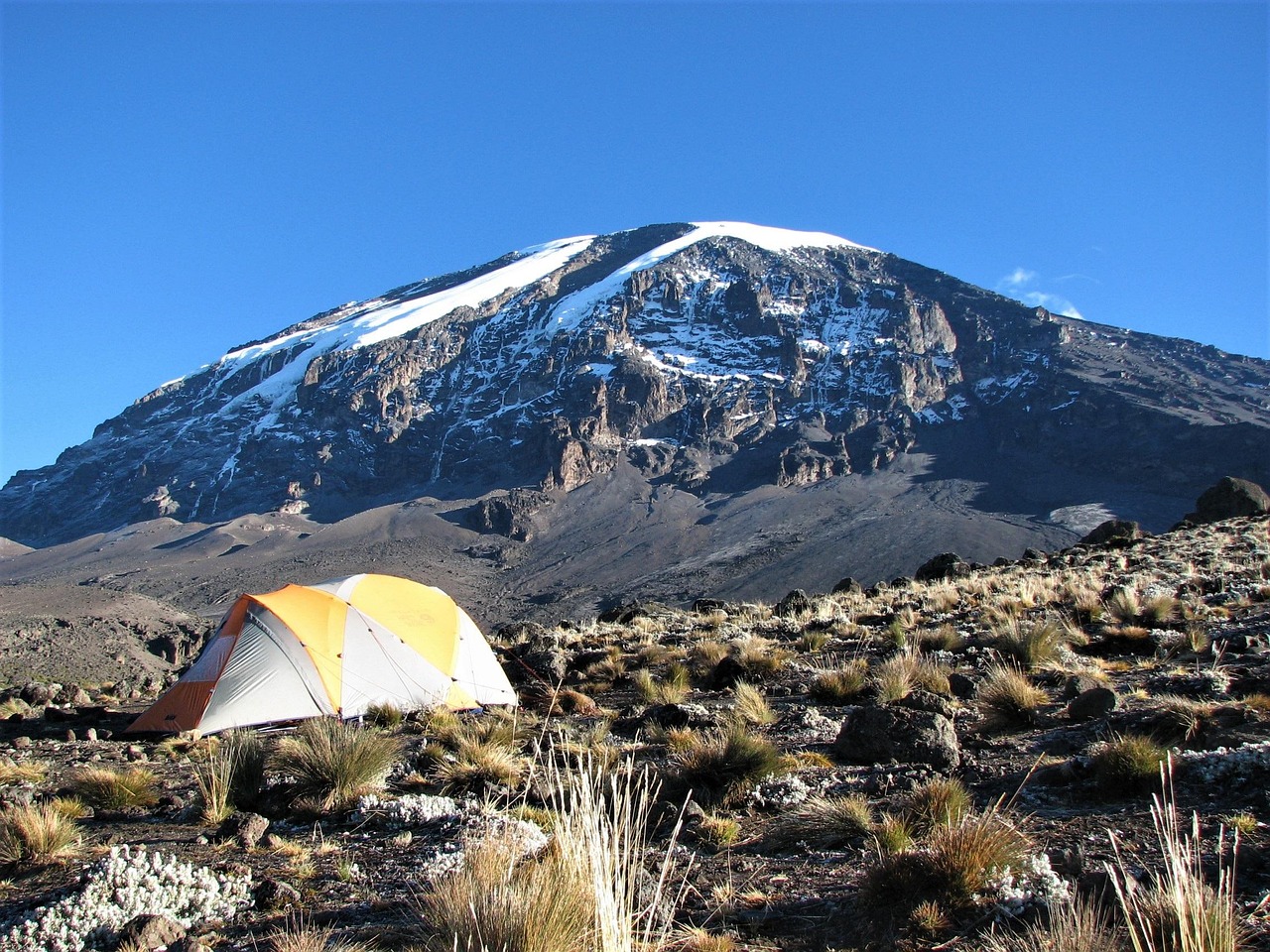
Climb Mount Kilimanjaro through the scenic 7 Days Machame Route with professional guides, camping, meals, park fees, acclimatization support, safety equipment, and complete mountain services.
The 7 Days Machame Route is one of the most popular and scenic Mount Kilimanjaro climbing itineraries. It offers varied landscapes, valuable acclimatization opportunities, a separate overnight at Karanga Camp, and a carefully balanced schedule before the final summit attempt. The route approaches Mount Kilimanjaro from the southern side and begins at Machame Gate. Climbers hike through dense montane rainforest before entering the heath and moorland zone. The itinerary normally passes through Machame Camp, Shira Camp, Lava Tower, Barranco Camp, Karanga Camp, Barafu Camp, Uhuru Peak, and Mweka Camp. An important acclimatization stage takes climbers from Shira Camp toward Lava Tower at approximately 4,600 meters before descending to sleep at Barranco Camp. This follows the “climb high, sleep low” principle. After spending the night beneath Barranco Wall, climbers complete a guided non-technical scramble before continuing across several ridges and valleys toward Karanga Camp. The separate Karanga overnight distinguishes the seven-day itinerary from the faster six-day Machame Route. It provides additional time for rest, hydration, acclimatization, and health monitoring before climbing to Barafu Camp. Barafu Camp is the final summit base. Climbers rest, prepare their equipment, eat an early dinner, and begin the summit ascent around midnight. The final ascent follows steep volcanic terrain toward Stella Point before continuing around the crater rim to Uhuru Peak at 5,895 meters. After reaching the summit, climbers descend through Barafu and continue to Mweka Camp. The expedition finishes the following day at Mweka Gate. The 7 Days Machame Route is suitable for fit beginners, experienced hikers, couples, solo travelers, private groups, and group-joining climbers. Although the itinerary provides important acclimatization opportunities, reaching Uhuru Peak is not guaranteed. Summit success depends on altitude response, health, fitness, weather, preparation, determination, and the safety decisions of the mountain guides. With African Trek & Travel, the package normally includes professional mountain guides, assistant guides, porters, a mountain cook, national park fees, camping fees, rescue fees, four-season mountain tents, meals, drinking water, emergency oxygen, pulse-oximeter monitoring, first-aid equipment, airport transfers, hotel accommodation before and after the climb, and mountain transportation.
Climb Mount Kilimanjaro through rainforest, the Shira Plateau, Lava Tower, Barranco Wall, Karanga Valley, and Barafu Camp before attempting Uhuru Peak at 5,895 meters.
The 7 Days Machame Route is one of the most popular and scenic Mount Kilimanjaro climbing itineraries.
The route begins on Kilimanjaro’s southern side and passes through rainforest, heathland, moorland, alpine desert, and the Arctic summit zone.
The seven-day schedule includes a separate overnight stay at Karanga Camp, making it more gradual than the six-day Machame itinerary.
Climbers pass through Shira Camp, Lava Tower, Barranco Camp, Karanga Camp, and Barafu Camp before attempting Uhuru Peak.
The route uses the Mweka trail for descent and finishes at Mweka Gate.
After breakfast at your hotel, meet the African Trek & Travel mountain team and drive toward Machame Gate.
Your guide completes the Kilimanjaro National Park registration while the mountain porters organize tents, food, cooking equipment, safety supplies, and climbers’ luggage.
Begin hiking through dense montane rainforest along a well-established trail.
The route may contain mud, exposed roots, wet rocks, wooden bridges, and slippery sections, especially during rainy weather.
The forest may contain blue monkeys, black-and-white colobus monkeys, birds, flowers, mosses, ferns, and other vegetation.
Wildlife sightings are possible but cannot be guaranteed.
Arrive at Machame Camp for dinner, a guide briefing, health monitoring, and overnight accommodation.
After breakfast, leave the rainforest and enter Kilimanjaro’s heath and moorland zone.
The trail climbs along a ridge before crossing increasingly rocky and open terrain toward the Shira Plateau.
Vegetation becomes lower as elevation increases, and the surrounding views become wider.
Clear conditions may provide views toward Kibo, Mount Meru, and the western plains.
The guide maintains a slow “pole pole” pace and encourages regular hydration.
Arrive at Shira Camp for rest, dinner, health monitoring, and overnight accommodation.
After breakfast, begin climbing through increasingly rocky terrain toward Lava Tower.
The route enters the alpine desert, where vegetation becomes limited and the environment becomes colder and more exposed.
Lava Tower is located at approximately 4,600 meters and serves as an important acclimatization point.
Depending on the weather and group condition, lunch may be served near the tower.
After reaching the higher elevation, descend toward Barranco Valley following the “climb high, sleep low” acclimatization principle.
The valley contains giant senecios and other unusual high-altitude plants.
Arrive at Barranco Camp beneath Barranco Wall for dinner, a health check, and overnight accommodation.
After breakfast, begin climbing the famous Barranco Wall.
Although the wall appears steep from the campsite, it is normally completed as a guided non-technical scramble.
Some sections require climbers to use their hands for balance while the mountain guides help them select secure steps.
At the top of the wall, clear conditions may provide views toward Kibo, Heim Glacier, and the surrounding southern valleys.
Continue across a series of ridges before descending into Karanga Valley.
Cross the valley and climb toward Karanga Camp.
The Karanga overnight provides additional recovery and acclimatization before Barafu Camp.
After breakfast, leave Karanga Camp and continue toward Barafu Camp.
The route crosses exposed alpine-desert terrain with increasingly limited vegetation.
Barafu Camp is situated on a rocky ridge and serves as the final summit base.
After reaching camp, enjoy lunch and spend the afternoon resting and preparing for the summit attempt.
The guides provide a complete summit briefing and inspect warm clothing, hiking boots, gloves, headlamp, spare batteries, water, snacks, trekking poles, and personal medication.
Climbers should organize all summit equipment before sleeping.
Dinner is served early before the group rests for the midnight departure.
The summit attempt normally begins between midnight and 1:00 AM after a light meal, warm drinks, and a final equipment inspection.
The route climbs steeply through loose volcanic scree toward the crater rim.
Climbers may experience darkness, freezing temperatures, strong wind, snow, ice, reduced oxygen, and severe physical fatigue.
The mountain guides maintain a slow “pole pole” pace and monitor breathing, coordination, pulse, blood oxygen level, and altitude symptoms.
Reach Stella Point at approximately 5,756 meters before continuing around the crater rim toward Uhuru Peak.
Uhuru Peak stands at 5,895 meters and is the highest point on Mount Kilimanjaro and the African continent.
After photographs and a short celebration, begin descending toward Barafu Camp.
Stop for food, water, and rest before continuing through the alpine desert and moorland toward Mweka Camp.
Arrive at Mweka Camp for dinner and overnight accommodation.
After breakfast, begin the final descent through Kilimanjaro’s montane rainforest.
The trail may be wet, muddy, and slippery, so careful walking and trekking poles are recommended.
As elevation decreases, temperatures become warmer and the forest becomes denser.
You may see birds, monkeys, flowers, and other forest life, although sightings are not guaranteed.
At Mweka Gate, complete the national park checkout procedures and sign the park register.
Climbers who reach Stella Point receive the relevant certificate, while those who reach Uhuru Peak receive a gold summit certificate.
Meet the driver and return to your hotel in Moshi or Arusha for a shower, meal, celebration, and rest.
The route begins at Machame Gate and climbs through rainforest toward Machame Camp.
Climbers then continue toward Shira Camp and join Kilimanjaro’s southern circuit.
The itinerary passes through Lava Tower, Barranco Camp, Karanga Camp, and Barafu Camp before the summit attempt.
The ascent reaches Uhuru Peak through Stella Point, while the descent uses the Mweka Route.
Climbers carry personal daypacks, while porters transport tents, food, cooking equipment, and main luggage.
The Machame Route contains several valuable acclimatization stages.
Climbers gain elevation through Machame and Shira camps before reaching Lava Tower at approximately 4,600 meters.
The route then descends to sleep lower at Barranco Camp near 3,950 meters.
The separate Karanga overnight provides another opportunity for recovery and altitude adjustment before Barafu Camp.
| Route Feature | 7 Days Machame | 6 Days Machame |
|---|---|---|
| Karanga Camp | Includes a separate overnight stay at Karanga. | Normally passes through Karanga and continues to Barafu on the same day. |
| Acclimatization | More gradual and generally recommended. | Faster schedule with less recovery time. |
| Physical Demand | Provides more balanced daily trekking stages. | Includes a longer Barranco-to-Barafu stage. |
| Recommended For | First-time altitude climbers and those prioritizing acclimatization. | Fit and experienced trekkers with limited time. |
| Summit Approach | Barafu Camp through Stella Point. | Barafu Camp through Stella Point. |
The opening trail passes through humid montane rainforest containing tall trees, mosses, ferns, birds, and possible monkey sightings.
A broad volcanic landscape offering open moorland, dramatic sunsets, and possible views toward Kibo and Mount Meru.
An important acclimatization landmark at approximately 4,600 meters before the descent toward Barranco Camp.
A steep but non-technical scramble completed under guide supervision before continuing toward Karanga Valley.
An important overnight stop providing additional rest and acclimatization before Barafu Camp.
The final summit base where climbers rest, organize equipment, and begin the final ascent around midnight.
Accommodation throughout the seven-day Machame Route is provided in mountain tents at designated Kilimanjaro National Park campsites.
Climbers normally share one sleeping tent with another participant unless a private tent is arranged.
The Machame Route can be climbed throughout the year, although dry-season conditions are generally preferred.
The mountain cook prepares breakfast, lunch, dinner, and snacks throughout the seven-day climb.
Typical meals may include porridge, eggs, toast, pancakes, fruit, soup, rice, pasta, potatoes, vegetables, chicken, beef, tea, coffee, and other available foods.
Water is collected from approved mountain streams or springs and boiled or filtered before use.
Climbers should drink regularly and continue eating even when altitude reduces appetite.
Vegetarian, vegan, halal, gluten-free, and other dietary requirements can be arranged with advance notice.
The mountain guides monitor walking pace, hydration, appetite, sleep quality, breathing, coordination, pulse, blood oxygen level, and altitude symptoms.
The mountain team carries a first-aid kit, pulse oximeter, and emergency oxygen cylinder.
If a climber develops serious altitude sickness or another medical problem, the head guide may require an immediate descent.
Altitude sickness can affect any climber regardless of age, fitness, or previous mountain experience.
Common symptoms include headache, nausea, dizziness, reduced appetite, disturbed sleep, unusual fatigue, and shortness of breath.
Climbers should walk slowly, drink enough water, eat regularly, rest properly, and report every symptom honestly.
Confusion, inability to walk correctly, breathing difficulty at rest, loss of coordination, persistent coughing, or unusual behavior may require immediate descent.
The seven-day Machame Route remains a demanding high-altitude expedition despite its balanced schedule.
Recommended preparation includes hiking, running, cycling, swimming, stair climbing, and strength exercises for the legs and core.
Long hikes on consecutive days help prepare the body for repeated trekking stages and limited recovery time.
Practice hiking with the boots and daypack you plan to use on Kilimanjaro.
Mental preparation is also important because summit day may require twelve or more hours of walking in darkness, cold, wind, and reduced oxygen.
The main mountain luggage is carried by porters according to Kilimanjaro National Park and porter-welfare regulations.
Extra travel luggage can normally be stored securely at the hotel during the expedition.
Tips are not included in the package price and are normally presented to the mountain team after completing the climb.
The recommended amount depends on the number of climbers, number of mountain staff, route duration, and quality of service.
Tipping is voluntary but customary and recognizes the work of guides, assistant guides, cooks, and porters.
Both options normally include professional guides, porters, meals, tents, park fees, health monitoring, and complete mountain support.
| Feature | 7 Days Machame | 7 Days Lemosho |
|---|---|---|
| Starting Side | Begins from Kilimanjaro’s southern side. | Begins from the quieter western side. |
| Opening Trail | Faster climb through rainforest toward Shira. | Longer western approach through Lemosho rainforest. |
| Shared Route | Passes through Lava Tower, Barranco, Karanga, and Barafu. | Joins the same southern circuit near Shira and Lava Tower. |
| Scenery | Rainforest, Shira, Barranco Wall, and southern glaciers. | Western forest, Shira Plateau, Barranco Wall, and southern glaciers. |
| Recommended For | Travelers seeking a popular scenic route. | Travelers seeking a quieter western beginning. |
Machame is often chosen for scenery and camping, while Marangu is selected by climbers who prefer hut accommodation.
Machame is suitable for travelers with less time, while Northern Circuit suits climbers prioritizing remote scenery and a longer acclimatization schedule.
The route is suitable for fit beginners, experienced hikers, solo travelers, couples, friends, families, and organized private groups.
It is a strong choice for climbers seeking varied landscapes, Barranco Wall, mountain camping, and a recommended seven-day schedule.
Participants should prepare physically and mentally for repeated trekking days, high altitude, changing weather, and a long summit ascent.
The seven-day Machame itinerary combines rainforest, the Shira Plateau, Lava Tower, Barranco Valley, Barranco Wall, Karanga Camp, Barafu Camp, Stella Point, and Uhuru Peak.
Its circular route, varied scenery, and climb-high-sleep-low profile make it one of Kilimanjaro’s most popular climbing options.
The separate Karanga Camp overnight provides a more gradual schedule than the six-day itinerary.
African Trek & Travel provides experienced local Kilimanjaro guides, trained assistant guides, mountain porters, professional cooks, quality camping equipment, meals, health monitoring, and emergency equipment.
Our founder began working on Mount Kilimanjaro as a porter before becoming a professional mountain guide and establishing the company.
This experience supports our commitment to porter welfare, fair treatment, responsible luggage limits, professional guiding, and mountain safety.
Our team can also arrange airport transfers, additional hotel accommodation, equipment rental, Tanzania wildlife safaris, cultural tours, and Zanzibar holidays.
The package includes seven mountain days and six nights of camping.
Yes. The seven-day itinerary is generally recommended because it includes a separate overnight at Karanga Camp.
The seven-day itinerary stays overnight at Karanga, while the six-day itinerary normally continues from Barranco through Karanga to Barafu.
Fit and properly prepared beginners may join, especially on the seven-day itinerary.
The expedition begins at Machame Gate on Kilimanjaro’s southern side.
The climb finishes at Mweka Gate after descending through Mweka Camp.
Yes. Climbers ascend Barranco Wall before continuing toward Karanga Camp.
No. It is a guided non-technical scramble, although some sections require the use of hands for balance.
The standard itinerary uses Barafu Camp as the final summit base.
Uhuru Peak is the highest point at 5,895 meters above sea level.
No. Climbers stay in mountain tents at designated national park campsites.
Yes. Breakfast, lunch, dinner, snacks, and drinking water are provided during the climb.
Yes. Vegetarian, vegan, halal, gluten-free, and other dietary requirements can be arranged with advance notice.
The standard package normally includes one hotel night before and one hotel night after the climb.
Airport pickup and drop-off are normally included according to the confirmed package.
Yes. The mountain team carries emergency oxygen for medical emergencies.
Yes. Guides monitor altitude symptoms and may use a pulse oximeter to check pulse and blood oxygen levels.
Comprehensive insurance covering trekking up to 6,000 meters, medical treatment, evacuation, cancellation, and repatriation is strongly recommended.
Sleeping bags, jackets, trousers, trekking poles, gloves, gaiters, duffel bags, and other equipment may be rented subject to availability.
No. Tips for guides, assistant guides, porters, and the mountain cook are normally excluded.
The itinerary may change because of weather, climber health, trail conditions, park instructions, emergencies, or guide safety decisions.
No. Summit success depends on health, altitude response, preparation, weather, fitness, determination, and guide safety decisions.
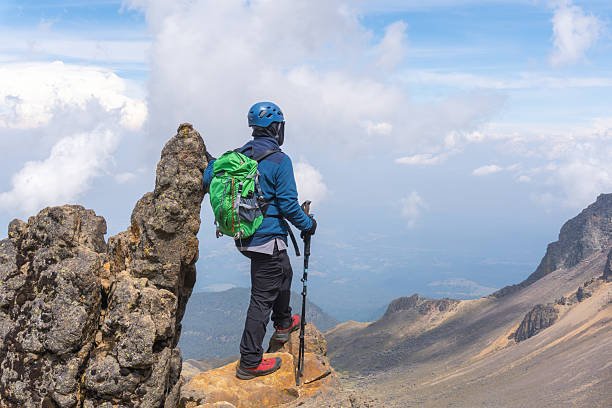
Image idea: Kilimanjaro climbers hiking through Machame rainforest, crossing the Shira Plateau, climbing Barranco Wall, approaching Barafu Camp, or celebrating at Uhuru Peak.
SEO-friendly image alt text: 7 Days Machame Route Kilimanjaro climbing package with African Trek and Travel.
Hike through rainforest, acclimatize at Lava Tower, climb Barranco Wall, stay at Karanga Camp, and attempt Uhuru Peak with African Trek & Travel.
Request 7-Day Machame Package DetailsAfrican Trek & Travel is a leading Tanzania tour operator in Moshi and Arusha for 2026–2027, specializing in Kilimanjaro treks, safaris, and tailor-made adventures. With deep local expertise and a strong commitment to safety and quality, we deliver unforgettable travel experiences across East Africa.
Discover popular Safaris, Serengeti Migration, Kilimanjaro Climbing & Zanzibar Beach Holidays. Plan your perfect adventure today!
 Popular
Experience the wildebeest migration across the vast Serengeti and Ngorongoro plains. Perfect for wildlife lovers and photography enthusiasts.
Book Now New
Climb Africa’s highest peak via scenic routes with expert guides and safe treks. Experience adventure with full support and accommodation included.
Book Now Popular
Relax in paradise with pristine white beaches, spice tours, and cultural charm. Ideal for families and honeymooners seeking luxury and tranquility.
Book Now




We collaborate with top tour operators to provide the best experiences for Kilimanjaro treks, safaris, and adventures.