Datoga Craft Tour and Kilimanjaro Climb
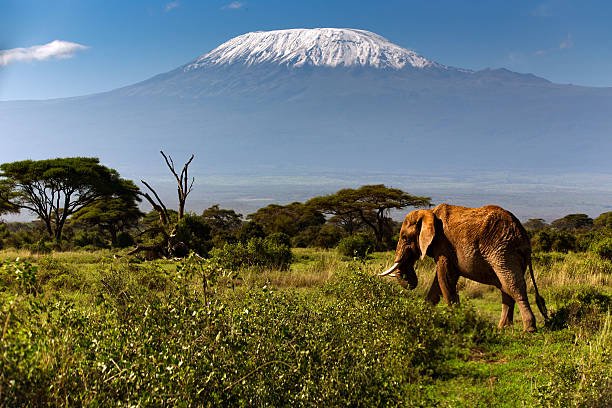
The Datoga Craft Tour and Kilimanjaro Climb combines a cultural experience around Lake Eyasi with a multi day trek on Mount Kilimanjaro.
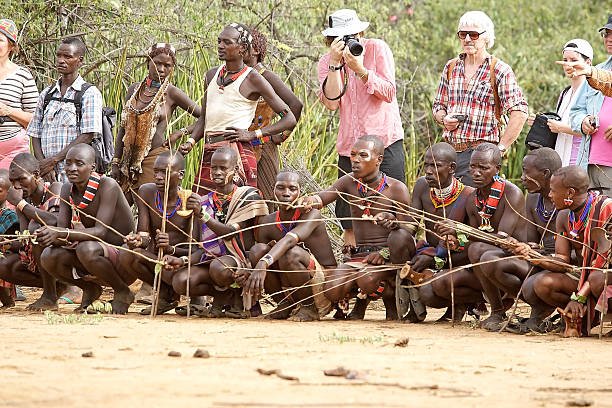
The first part of the journey introduces travellers to participating Datoga craftspeople, with possible activities including blacksmithing, metal heating, hammering, shaping, handmade crafts and discussions about livelihoods and community life.
The second part continues toward Moshi, where climbers prepare for Mount Kilimanjaro before beginning a guided trek toward Uhuru Peak at 5,895 metres.
A practical standard version uses the 7 day Machame Route because it provides a gradual trekking progression, varied landscapes and more acclimatization time than shorter itineraries.
The route can also be changed to Lemosho, Rongai, Marangu or another suitable Kilimanjaro itinerary according to the traveller's preferred climbing style and schedule.
Mount Kilimanjaro is a high altitude mountain, and altitude affects everyone differently. Reaching the summit can never be guaranteed.
The Datoga Craft Tour and Kilimanjaro Climb is therefore best approached as a combined cultural and mountain journey rather than simply a summit package.
Datoga Craft Tour and Kilimanjaro Climb at a Glance
- Cultural destination: Lake Eyasi region.
- Community focus: Participating Datoga craftspeople and cultural hosts.
- Mountain: Mount Kilimanjaro.
- Example route: 7 day Machame Route.
- Highest point: Uhuru Peak, 5,895 metres.
- Suggested package length: About 9 days including culture, transfer and 7 trekking days.
- Mountain accommodation: Tents on the Machame Route.
- Activity level: Easy cultural visit followed by demanding high altitude trekking.
Why Choose the Datoga Craft Tour and Kilimanjaro Climb?
The Datoga Craft Tour and Kilimanjaro Climb gives travellers two very different perspectives on northern Tanzania.
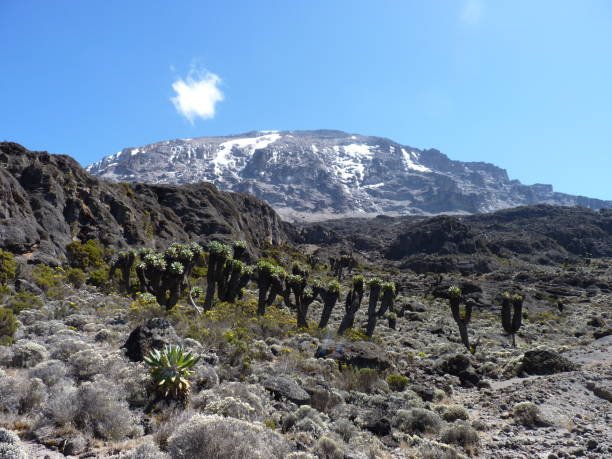
Lake Eyasi introduces local craftsmanship, cultural knowledge and community life, while Kilimanjaro provides a demanding multi day journey through rainforest, heath, moorland, alpine desert and high altitude summit terrain.
Including the cultural experience before the climb also gives travellers time to experience more of Tanzania beyond the mountain itself.
Main Journey Highlights
- Visit participating Datoga craftspeople
- Observe blacksmithing when available
- Learn about metalworking tools
- Watch heating, hammering and shaping
- See handmade crafts when available
- Learn about contemporary Datoga community life
- Transfer to Moshi for Kilimanjaro preparation
- Trek the 7 day Machame Route
- Acclimatization via Lava Tower
- Climb the Barranco Wall
- Attempt Uhuru Peak at 5,895 metres
- Descend through Kilimanjaro's forest zone
Datoga Craft Tour and Kilimanjaro Climb Itinerary
DAY
01
LAKE EYASI
Datoga Craft and Blacksmith Experience
Begin your Datoga Craft Tour and Kilimanjaro Climb with a cultural experience around Lake Eyasi.
Meet a local guide and continue to a participating Datoga community according to the confirmed arrangements.
The visit can focus on blacksmithing and handmade metalwork, although the exact activities depend on the craftsperson's daily work.
Possible Cultural Activities
- Meet a participating blacksmith
- See a working forge
- Learn about blacksmith tools
- Observe metal heating
- Watch hammering and shaping
- Learn about finished metalwork
- Discuss livestock and livelihoods
- Hear community stories
The Working Forge
Where a blacksmith demonstration is available, travellers may observe metal being heated before it is shaped.
The craftsperson may repeatedly heat and hammer the metal until the required form is created.
The exact object being produced cannot be guaranteed.
Craftsmanship and Community Life
Your guide may also explain how craftsmanship fits within local livelihoods and how skills are learned and adapted over time.
Not every Datoga household practices blacksmithing, so the experience should not be treated as representative of every family.
Blacksmith Workshop Safety
- Remain in the visitor area.
- Do not touch hot metal.
- Do not handle tools without permission.
- Wear secure footwear.
- Keep children closely supervised.
- Follow the craftsperson's instructions.
Accommodation
Lake Eyasi, Karatu or another confirmed property.
Meals
According to the confirmed package.
DAY
02
TRANSFER
Lake Eyasi or Karatu to Moshi and Kilimanjaro Briefing
After breakfast, travel toward Moshi at the base of Mount Kilimanjaro.
The transfer provides a practical separation between the cultural experience and the demanding mountain trek.
On arrival in Moshi, meet the mountain team for a pre climb briefing and equipment check.
Pre Climb Preparation May Include
- Route briefing
- Equipment inspection
- Rental gear arrangements
- Luggage organisation
- Health and altitude discussion
- Crew introduction
- Final questions before departure
Rest in Moshi and prepare for the trek the following morning.
Accommodation
Moshi hotel or lodge according to the confirmed package.
Meals
According to the confirmed package.
Transfer
Lake Eyasi or Karatu to Moshi.
DAY
03
MACHAME ROUTE
Machame Gate to Machame Camp
Drive from Moshi to Machame Gate for registration before beginning the Kilimanjaro trek.
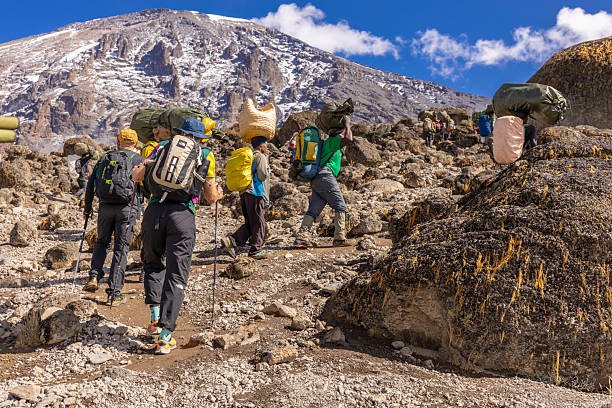
The trail enters montane rainforest, where conditions may be humid and muddy.
- Approximate distance: 11 km
- Walking time: 5 to 7 hours
- Starting altitude: Around 1,800 m
- Camp altitude: Around 2,835 m
- Habitat: Montane rainforest
Arrive at Machame Camp for dinner and your first night on the mountain.
Accommodation
Mountain tent at Machame Camp.
Meals
Lunch and dinner.
DAY
04
MACHAME ROUTE
Machame Camp to Shira Camp
Leave the rainforest and climb toward the heath and moorland zone.
The trail becomes steeper in sections while views may open across the surrounding landscape when weather is clear.
- Approximate distance: 5 km
- Walking time: 4 to 6 hours
- Starting altitude: Around 2,835 m
- Camp altitude: Around 3,850 m
Continue at a steady pace and arrive at Shira Camp for rest and dinner.
Accommodation
Mountain tent at Shira Camp.
Meals
Breakfast, lunch and dinner.
DAY
05
ACCLIMATIZATION
Shira Camp to Lava Tower to Barranco Camp
Today is an important acclimatization day.
Climb toward Lava Tower at approximately 4,600 metres before descending to Barranco Camp at around 3,900 metres.
- Approximate distance: 10 km
- Walking time: 6 to 8 hours
- Highest point: Around 4,600 m at Lava Tower
- Camp altitude: Around 3,900 m
The climb high and sleep lower pattern can support acclimatization, although altitude affects each person differently.
Your guides monitor how you are feeling and encourage a slow, controlled pace.
Accommodation
Mountain tent at Barranco Camp.
Meals
Breakfast, lunch and dinner.
DAY
06
BARRANCO WALL
Barranco Camp to Karanga Camp
Begin with the Barranco Wall, a steep section that requires careful foot placement and occasional use of hands for balance.
It is not a technical rock climb, but your guide will help manage the safest line through busier or steeper sections.
- Approximate distance: 5 km
- Walking time: 4 to 5 hours
- Karanga altitude: Around 4,035 m
Continue across undulating terrain toward Karanga Camp for another night of acclimatization and rest.
Accommodation
Mountain tent at Karanga Camp.
Meals
Breakfast, lunch and dinner.
DAY
07
HIGH CAMP
Karanga Camp to Barafu Camp
Trek from Karanga toward Barafu Camp, the main base for the summit attempt.
The landscape becomes increasingly dry and exposed as you enter high altitude alpine terrain.
- Approximate distance: 4 km
- Walking time: 3 to 4 hours
- Starting altitude: Around 4,035 m
- Barafu altitude: Around 4,673 m
Arrive early enough to rest, eat and prepare clothing and equipment for the summit attempt.
Accommodation
Mountain tent at Barafu Camp.
Meals
Breakfast, lunch and dinner.
DAY
08
SUMMIT ATTEMPT
Barafu Camp to Uhuru Peak to Mweka Camp
Begin the summit attempt during the night or very early morning according to the guide's plan.
Climb slowly through cold, dark and increasingly high altitude terrain toward Stella Point and then continue toward Uhuru Peak if conditions and health allow.
- Total trekking time: Approximately 12 to 16 hours
- Highest point: Uhuru Peak, 5,895 m
- Descent camp: Mweka Camp at around 3,100 m
After the summit attempt, descend back toward Barafu for a short rest before continuing down to Mweka Camp.
This is normally the longest and most demanding day of the trek.
Important Summit Information
- Altitude affects everyone differently.
- Reaching Uhuru Peak cannot be guaranteed.
- Weather may change quickly.
- The guide may recommend descent if safety requires it.
- A slower pace is usually more appropriate at high altitude.
- Warm layers, gloves and head protection are essential.
Accommodation
Mountain tent at Mweka Camp.
Meals
Breakfast, lunch and dinner according to the mountain schedule.
DAY
09
DESCENT
Mweka Camp to Mweka Gate and Moshi
After breakfast, descend through the forest toward Mweka Gate.
The descent normally takes around 3 to 4 hours depending on trail conditions and walking pace.
At the gate, complete the final mountain procedures and meet your transfer vehicle for the drive back to Moshi.
Final Day
- Breakfast at Mweka Camp
- Forest descent
- Mweka Gate procedures
- Crew farewell
- Transfer to Moshi
Final Destination
Moshi or another agreed transfer point.
Meals
Breakfast and additional meals according to the confirmed package.
Datoga Craft Experience Near Lake Eyasi
The cultural portion of the Datoga Craft Tour and Kilimanjaro Climb focuses on participating craftspeople around Lake Eyasi.
Visitors may observe blacksmithing, learn about tools and discuss the role of handmade objects within local livelihoods.
The experience should take place with host permission and should respect the craftsperson's working environment.
Datoga Blacksmithing
Blacksmithing is one of the best known craft activities associated with some Datoga craftspeople around Lake Eyasi.
Metal may be heated, hammered and shaped into practical or decorative objects.
The exact process and finished items depend on the individual workshop.
Buying Handmade Crafts
Some craftspeople may offer finished items for sale.
Purchasing is optional and availability cannot be guaranteed.
Travellers should ask the local guide or host about prices and suitable purchasing arrangements.
Respectful Cultural Tourism
The Datoga experience should not be treated as a staged show.
Traditional knowledge can exist alongside modern education, trade, technology and changing livelihoods.
One host's experience should not be used to generalise about every Datoga family.
Photography During the Datoga Craft Tour
Photography may be possible during the cultural experience.
Permission should be requested before photographing identifiable community members or private spaces.
Visitors should never step into an active forge area simply to obtain a better photograph.
Why Use the 7 Day Machame Route?
The example Datoga Craft Tour and Kilimanjaro Climb uses a 7 day Machame itinerary because it provides more acclimatization time than shorter Machame options.
The route also offers varied scenery and a climb high, sleep lower pattern around Lava Tower.
However, no route eliminates the risk of altitude related problems and no route can guarantee summit success.
Alternative Kilimanjaro Routes
- Lemosho Route: Scenic western approach with good itinerary flexibility.
- Rongai Route: Approaches from the northern side of Kilimanjaro.
- Marangu Route: Uses mountain huts instead of camping tents.
- Northern Circuit: Longer route with extensive acclimatization time.
Altitude and Acclimatization
Altitude is one of the most important considerations on Mount Kilimanjaro.
A traveller can be physically fit and still experience altitude symptoms.
Climbing slowly, drinking appropriately, eating regularly and following guide instructions are important parts of the trekking strategy.
Altitude affects everyone differently, and summit success cannot be guaranteed.
Daily Health Monitoring
Your mountain team should monitor how climbers are feeling throughout the trek.
Health checks may include questions about headache, appetite, nausea, sleep, breathing and general condition.
Where available within the operator's safety system, pulse oximeter readings can provide additional information, but numbers should always be interpreted together with symptoms and the guide's assessment.
Emergency Procedures on Kilimanjaro
The mountain team should be prepared to respond if a climber becomes unwell or cannot safely continue upward.
Typical Mountain Safety Measures
- Professional mountain guides
- Daily health monitoring
- Emergency oxygen according to the operator's equipment
- Pulse oximeter monitoring where used
- Descent when required for safety
- Mountain rescue procedures
- Stretcher evacuation where appropriate
Mountain Guides and Crew
Kilimanjaro climbs depend on a team that may include lead guides, assistant guides, cooks and porters.
The exact number depends on group size and route logistics.
Porters carry group equipment and assigned client duffel weight while climbers carry a daypack with personal items needed during the day's walk.
Camping on the Machame Route
The Machame Route uses designated mountain camps rather than huts.
Climbers normally sleep in trekking tents while the crew manages camp equipment, meals and water arrangements.
A warm sleeping bag and suitable insulating clothing are essential because temperatures can fall significantly at higher elevations.
Meals on Kilimanjaro
Mountain meals are designed to provide energy during trekking days.
Menus can include porridge, eggs, toast, pancakes, fruit, soup, rice, pasta, vegetables, potatoes, noodles and other foods depending on supplies and the cook.
Vegetarian and other dietary requirements should be discussed before the climb.
Drinking Water
Water is an important part of the trekking routine.
The mountain team manages water according to route procedures and camp availability.
Climbers should carry suitable reusable bottles or hydration containers according to their packing list.
Kilimanjaro Weather
Weather can change quickly because climbers travel through several ecological zones and gain substantial elevation.
Conditions may include rain, strong sun, cold wind, freezing summit temperatures and occasionally snow or ice.
Travellers should prepare for changing conditions rather than relying on a single weather forecast.
Physical Preparation
Regular walking, hiking and general cardiovascular preparation can help travellers become more comfortable with long trekking days.
Training cannot guarantee summit success because altitude tolerance is not determined by fitness alone.
Practising with trekking footwear and a loaded daypack can also help before arrival.
What to Bring for the Datoga Craft Tour
- Comfortable clothing
- Secure footwear
- Sun hat
- Sunscreen
- Drinking water
- Camera or phone
- Small spending money if you wish to purchase crafts
Essential Kilimanjaro Equipment
- Waterproof trekking boots
- Daypack
- Warm sleeping bag
- Base layers
- Fleece or insulating layers
- Warm insulated jacket
- Waterproof jacket and trousers
- Warm gloves
- Warm hat
- Sun hat
- Sunglasses
- Headlamp
- Trekking poles
- Reusable water bottles or hydration system
- Personal toiletries
- Personal medication
- Power bank
Private Datoga Craft Tour and Kilimanjaro Climb
The Datoga Craft Tour and Kilimanjaro Climb can be arranged privately for one travelling party.
A private package provides greater control over Lake Eyasi timing, accommodation, transfer dates and the mountain departure.
The cultural program still depends on community and craftsperson availability.
Group Joining Kilimanjaro Option
The Datoga cultural experience can be arranged privately before joining an existing Kilimanjaro departure when dates align.
Group joining availability depends on confirmed climb dates and the route being operated.
Travellers should allow enough time between Lake Eyasi and the mountain departure for transfer and equipment preparation.
Package for Solo Travellers
Solo travellers can arrange a private Datoga craft visit and join a compatible Kilimanjaro group when available.
A fully private mountain climb can also be arranged.
Package for Couples
Couples can arrange the cultural and mountain sections privately or join a scheduled Kilimanjaro departure after the Lake Eyasi visit.
Package for Small Groups
Small groups can combine Lake Eyasi cultural activities with a private Kilimanjaro departure.
The mountain crew size is adjusted according to the number of climbers and route requirements.
Best Time for Datoga Craft Tour and Kilimanjaro Climb
The Datoga Craft Tour and Kilimanjaro Climb can be arranged during different times of the year.
Lake Eyasi cultural activities depend more on local availability and road conditions, while Kilimanjaro weather varies with season and altitude.
No month can guarantee clear skies, dry trails or snow free summit conditions.
Seasonal Considerations
- Lake Eyasi roads can be affected by heavy rain.
- Datoga activities depend on host availability.
- Kilimanjaro trails can be wet or muddy.
- Summit temperatures can be below freezing.
- Snow or ice may occur at high altitude.
- Mountain weather can change rapidly.
Add a Hadzabe Cultural Experience
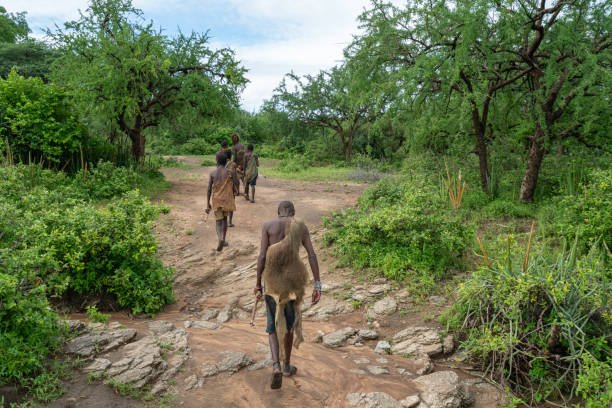
A separate Hadzabe cultural experience can be added while visiting Lake Eyasi.
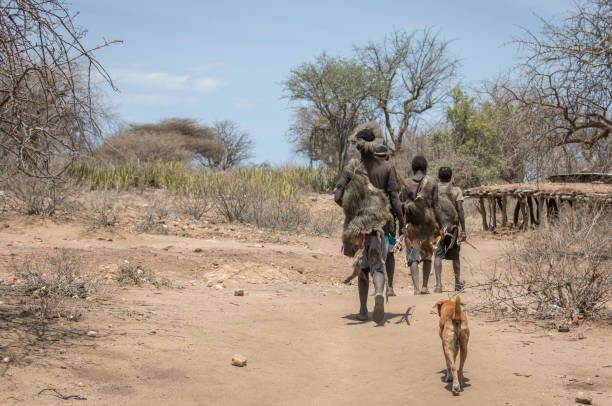
Possible activities include bushwalking, tracking, seasonal plant knowledge and community stories.
Hadzabe and Datoga culture are distinct and should be presented as separate experiences.
Add Ngorongoro Safari
Ngorongoro can be added between Lake Eyasi and Moshi if the itinerary includes sufficient time.
Travellers may see wildebeest, zebras, buffalo, lions, spotted hyenas, hippos, elephants and possible black rhino.
Black rhino sightings cannot be guaranteed and may be distant.
Add Lake Manyara Safari
Lake Manyara can also be included before travelling toward Kilimanjaro.
Travellers may see elephants, buffalo, giraffes, zebras, baboons, monkeys, hippos and varied birdlife.
Tree climbing lion behaviour and large flamingo concentrations cannot be guaranteed.
Add Tarangire Safari
Tarangire can be added for elephant viewing opportunities and baobab landscapes.
Wildlife remains free roaming, and specific sightings cannot be guaranteed.
Add Serengeti Safari
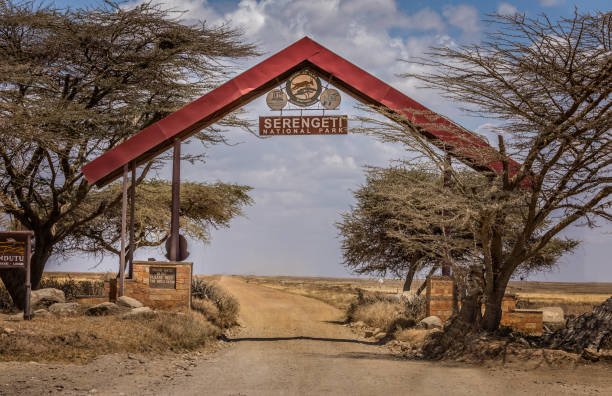
A longer itinerary can include Serengeti before travelling toward Moshi for the Kilimanjaro climb.
Great Migration movements depend on rainfall, grazing and water conditions.
River crossings and exact herd locations cannot be guaranteed.
Add Zanzibar After Kilimanjaro
Zanzibar can be added after the mountain for travellers who want beach time following the trek.
Flights, accommodation and island transfers can be organised as part of the wider package.
Typical Datoga Craft Tour and Kilimanjaro Climb Inclusions
- Lake Eyasi cultural coordination
- Datoga craft or blacksmith visit
- Local cultural guide
- Transfers stated in the confirmed itinerary
- Moshi pre climb briefing
- Professional Kilimanjaro guides
- Mountain crew
- Camping equipment according to the package
- Mountain meals
- Kilimanjaro park, camping and applicable rescue fees when listed in the confirmed package
- Drinking water arrangements on the mountain
- Mountain safety equipment according to the operator's standard setup
Typical Exclusions
- International flights
- Tanzania visa
- Travel insurance
- Personal trekking equipment
- Rental equipment unless included
- Personal Datoga craft purchases
- Additional cultural activities unless stated
- Safari extensions unless included
- Alcoholic beverages
- Personal expenses
- Tips
What Affects the Datoga Craft Tour and Kilimanjaro Climb Price?
The price of the Datoga Craft Tour and Kilimanjaro Climb depends on group size, Kilimanjaro route, trek duration, accommodation and transport arrangements.
Main Price Factors
- Number of travellers
- Private or group joining climb
- Selected Kilimanjaro route
- Number of mountain days
- Lake Eyasi cultural activities
- Transport between Lake Eyasi and Moshi
- Hotel category
- Mountain crew requirements
- Rental gear
- Private toilet when requested
- Additional safari destinations
- Zanzibar extension
Important Information About the Datoga Craft Tour and Kilimanjaro Climb
The Datoga Craft Tour and Kilimanjaro Climb combines a cultural visit near Lake Eyasi with a high altitude mountain trek.
The Datoga craft experience depends on community and craftsperson availability.
Blacksmithing demonstrations depend on the work taking place during the visit.
Not every Datoga household practices blacksmithing.
Visitors should request permission before photographing community members.
Hot metal and active tools should never be touched without permission.
The example mountain itinerary uses the 7 day Machame Route.
Other Kilimanjaro routes can be arranged.
Mount Kilimanjaro reaches 5,895 metres.
Altitude affects everyone differently.
Fitness does not guarantee protection from altitude related illness.
Summit success cannot be guaranteed.
Weather conditions can change quickly.
Guides may recommend descent if continuing upward is unsafe.
The Machame Route uses tents rather than huts.
Climbers should prepare for rain, cold, wind and freezing summit temperatures.
A proper equipment check should be completed before the trek.
Dietary requirements should be communicated in advance.
Travel insurance suitable for high altitude trekking is strongly recommended.
A Hadzabe cultural visit can be added separately.
Ngorongoro, Lake Manyara, Tarangire or Serengeti can be added before the climb.
Zanzibar can be added after the climb.
Before booking, provide your preferred dates, number of travellers, preferred Kilimanjaro route, trekking experience, accommodation preference, dietary requirements and any cultural or safari extensions required.
Why Book the Datoga Craft Tour and Kilimanjaro Climb?
The Datoga Craft Tour and Kilimanjaro Climb combines community culture and high altitude adventure within one northern Tanzania itinerary.
Travellers can learn about Datoga craftsmanship around Lake Eyasi before travelling to Moshi and trekking through Kilimanjaro's changing ecological zones.
The combination provides more variety than a mountain only itinerary and can be adapted around different Kilimanjaro routes and travel schedules.
Safari destinations and Zanzibar can also be added to create a longer Tanzania journey.
Frequently Asked Questions
What is the Datoga Craft Tour and Kilimanjaro Climb?
It is a combined itinerary featuring a Datoga cultural and craft experience near Lake Eyasi followed by a guided Mount Kilimanjaro climb.
How many days is the example itinerary?
The example itinerary is about nine days, including one cultural day, one transfer and preparation day and seven days on the Machame Route.
Where does the Datoga craft tour take place?
The cultural experience is arranged with participating communities in the Lake Eyasi region.
What crafts may we see?
The experience may include blacksmithing, metal heating, hammering, shaping and finished handmade metalwork depending on the participating craftsperson.
Do all Datoga people practice blacksmithing?
No. The visit is arranged specifically with participating craftspeople.
Can we buy handmade crafts?
Some craftspeople may offer items for sale. Availability varies and purchases are optional.
Can we take photographs?
Photography may be possible, but permission should be requested before photographing identifiable community members or private spaces.
Which Kilimanjaro route is used?
The example itinerary uses the 7 day Machame Route, but Lemosho, Rongai, Marangu and other routes can be arranged.
Why use the 7 day Machame Route?
It provides more acclimatization time than a shorter Machame itinerary and includes a useful climb high, sleep lower section around Lava Tower.
How high is Kilimanjaro?
Uhuru Peak stands at 5,895 metres above sea level.
Is the climb technically difficult?
The standard Machame trek does not require technical mountaineering, but it is physically demanding and reaches very high altitude.
Is the Barranco Wall technical climbing?
It is a steep scrambling section rather than a technical rock climb, and guides help manage the route safely.
Is summit success guaranteed?
No. Altitude, weather, health and individual acclimatization all influence whether a climber can safely reach Uhuru Peak.
Does fitness prevent altitude sickness?
No. Good fitness can help with trekking demands, but altitude can affect fit and experienced climbers as well.
Where do we sleep on Machame?
The Machame Route uses designated camps where climbers normally sleep in trekking tents.
Are meals provided on the mountain?
Mountain meals are normally included according to the confirmed trekking package.
Can vegetarian meals be arranged?
Yes. Dietary requirements should be communicated before arrival so the mountain team can plan appropriately.
Do porters carry our luggage?
Porters carry group equipment and the allocated client duffel weight, while climbers carry a daypack with personal items needed during the day's trek.
Do I need a sleeping bag?
Yes. A warm sleeping bag suitable for cold mountain conditions is required unless rental is arranged.
Can trekking equipment be rented?
Selected items can often be rented in Moshi. Required sizes and items should be confirmed before the climb.
Do we have an equipment check?
Yes. A pre climb equipment check should be completed before departing for the mountain.
Can solo travellers book?
Yes. Solo travellers can arrange a private cultural tour and either join a compatible Kilimanjaro group or book a private climb.
Can couples book privately?
Yes. Couples can arrange the full cultural and Kilimanjaro package privately.
Can groups book?
Yes. Small and larger groups can arrange a private Datoga experience and private Kilimanjaro departure.
Can we add a Hadzabe visit?
Yes. A separate Hadzabe bushwalk or cultural experience can be added while visiting Lake Eyasi.
Can Ngorongoro be added?
Yes. Ngorongoro can be included before travelling to Moshi when enough time is available between the cultural experience and mountain departure.
Can Lake Manyara be added?
Yes. Lake Manyara can be included as an additional safari day before the Kilimanjaro climb.
Can Tarangire be added?
Yes. Tarangire can be added for elephant viewing opportunities and baobab landscapes.
Can Serengeti be added?
Yes. A longer northern Tanzania safari can be arranged before travelling to Moshi for the climb.
Can Zanzibar be added after Kilimanjaro?
Yes. Zanzibar can be added with suitable flights, accommodation and island transfers.
Can we change Machame to Lemosho?
Yes. The package can be redesigned around a Lemosho itinerary if that route better matches your preferred schedule.
Can we use the Marangu Route?
Yes. Marangu can be arranged for travellers who prefer hut accommodation rather than camping.
Can airport transfers be included?
Yes. Airport pickup and final transfer can be included according to flight details and the confirmed itinerary.
How do I book the Datoga Craft Tour and Kilimanjaro Climb?
Provide your preferred dates, number of travellers, chosen Kilimanjaro route, trekking experience, accommodation preference, dietary requirements and any Hadzabe, safari or Zanzibar extensions you would like included.
Request Your Datoga Craft Tour and Kilimanjaro Climb
Experience Datoga craftsmanship near Lake Eyasi before travelling to Moshi for a guided Mount Kilimanjaro climb. Choose the 7 day Machame Route or customise the package with Lemosho, Rongai, Marangu, safari extensions or Zanzibar.
Book Your Datoga Craft Tour and Kilimanjaro Climb