February Serengeti Migration Safari 2027
February Serengeti Migration Safari 2027 focuses on one of the most exciting stages of the Great Migration, when huge wildebeest herds are commonly associated with Southern Serengeti and the wider Ndutu ecosystem.
This period is particularly famous for wildebeest calving, newborn animals and strong predator activity.
Travellers may see vast herds of wildebeest and zebras spread across green plains while lions, cheetahs and hyenas take advantage of large prey concentrations.
Because the migration follows rainfall and grazing conditions, the exact herd position can vary, so flexible guiding is essential.
February Serengeti Migration Safari at a Glance
- Main region: Southern Serengeti and Ndutu
- Main highlight: Wildebeest calving season
- Wildlife: Wildebeest, zebras, lions, cheetahs and hyenas
- Landscape: Green seasonal plains
- Best safari style: Private or small group safari
- Recommended duration: 4 to 7 days
- Popular combination: Ndutu, Ngorongoro and Central Serengeti
- Best for: Wildlife lovers, photographers, couples and families
Why Visit Serengeti in February?
February is one of the most attractive months for travellers interested in the southern stage of the Great Migration.
Large wildebeest herds may gather across productive short grass plains where females give birth and young calves begin moving with the migration.
This concentration of prey can create excellent opportunities for predator sightings.
The greener landscape also makes February particularly attractive for photography.
Why February Is Special
- Main wildebeest calving period
- Large migration herds
- Newborn calves
- Strong predator activity
- Green Serengeti landscapes
- Excellent photography
- Good combination with Ngorongoro
- Seasonal camps close to wildlife
Where Is the Great Migration in February?
In February, the main migration focus is commonly associated with Southern Serengeti and the wider Ndutu ecosystem.
Fresh seasonal grass can attract large wildebeest and zebra herds to this part of northern Tanzania.
The animals may spread widely across the plains depending on rainfall.
Guides therefore use recent wildlife information to decide which areas to explore each day.
Ndutu in February
Ndutu is one of the strongest February safari destinations.
The area is famous for migration herds, wildebeest calves and predators.
Open plains provide excellent visibility, making Ndutu especially rewarding for photographers and travellers hoping to observe cheetahs.
Wildlife can move between Ndutu and Southern Serengeti, so flexible game drives are important.
Southern Serengeti in February
Southern Serengeti can host huge concentrations of wildebeest and zebras during suitable February conditions.
The nutrient-rich grass supports pregnant females and newborn calves.
The wide open plains are also excellent for watching predators and photographing large herds.
Best February Migration Areas
- Ndutu ecosystem
- Southern Serengeti plains
- Seasonal grazing areas around the wider southern ecosystem
- Ngorongoro-side plains where herds may move according to rainfall
Wildebeest Calving in February 2027
February is particularly famous for wildebeest calving.
Large numbers of calves may be born during the main seasonal birthing period.
Newborn wildebeest need to become mobile quickly so they can remain with their mothers and the moving herd.
This creates some of the most fascinating wildlife behaviour of the entire Great Migration cycle.
Can You See Newborn Wildebeest in February?
Yes, February is one of the strongest months for travellers hoping to see newborn wildebeest in the southern Serengeti ecosystem.
However, wildlife cannot be guaranteed on an exact day because the timing depends on seasonal conditions.
Spending several days in Ndutu and Southern Serengeti provides greater flexibility.
Predators During February Migration
Predator activity is one of the major attractions of a February migration safari.
Large prey concentrations and newborn calves can attract lions, cheetahs and spotted hyenas.
Predator behaviour is natural and unpredictable, but the calving period can provide exceptional opportunities for observing interactions between predators and prey.
Cheetahs in February Serengeti
Cheetahs are particularly associated with open southern grasslands.
The flat terrain provides clear visibility and excellent hunting habitat.
Travellers may see cheetahs resting, scanning the plains or moving through areas with gazelles and young animals.
Lions in February Serengeti
Lions can also be highly active during the calving season.
Large herds create strong hunting opportunities for resident prides.
Travellers may encounter lions resting after feeding, moving through the plains or interacting with hyenas.
Hyenas in February Serengeti
Spotted hyenas are important predators and scavengers in the southern Serengeti ecosystem.
They may follow migration herds and take advantage of prey concentrations.
Their interactions with lions can be particularly interesting for wildlife observers.
Wildlife You May See in February
- Wildebeest
- Newborn wildebeest calves
- Zebras
- Lions
- Cheetahs
- Spotted hyenas
- Leopards in suitable habitats
- Gazelles
- Giraffes
- Elephants in suitable areas
- Many bird species
February Serengeti Weather
February falls within the greener season in the southern Serengeti ecosystem.
Seasonal rainfall can support fresh grass and attract migration herds.
Rain may occur, but safari conditions can still be excellent, and dramatic skies often create beautiful photographic backgrounds.
Road conditions vary, so experienced guiding and appropriate safari vehicles are important.
February Serengeti Photography Safari
February can be one of the strongest months for wildlife photography.
Photographers may capture newborn wildebeest, large herd scenes, predators and green landscapes.
Morning and late afternoon light can be especially attractive across the open plains.
A private vehicle provides additional flexibility for photographers who want to spend more time at selected sightings.
How Many Days for a February Serengeti Migration Safari?
Four to seven safari days works well for many travellers.
Those focused mainly on calving and predators should dedicate several nights to Ndutu and Southern Serengeti.
Longer itineraries can also include Central Serengeti, Ngorongoro and Tarangire.
Recommended February Safari Durations
- 3 Days: Short focused Ndutu safari
- 4 Days: Ndutu and Ngorongoro combination
- 5 Days: Strong calving season itinerary
- 6 Days: Ndutu, Ngorongoro and additional Serengeti wildlife
- 7 Days: Complete northern Tanzania migration safari
3 Day February Serengeti Migration Safari
A 3 day February safari works best when it focuses directly on Ndutu and Southern Serengeti.
Travellers should avoid adding too many distant destinations because travel time can reduce wildlife viewing.
Fly-in arrangements can be useful for short trips.
4 Day February Serengeti Migration Safari
A 4 day itinerary provides more flexibility and can combine Ndutu with Ngorongoro.
Several game drives can be dedicated to calving herds and predators before continuing to the crater.
5 Day February Serengeti Migration Safari
A 5 day safari is one of the strongest options for February.
It allows multiple game drives around Ndutu and Southern Serengeti while still leaving time for Ngorongoro.
This duration works well for first time visitors, couples and photographers.
7 Day February Serengeti Migration Safari
A 7 day safari provides enough time to combine Tarangire, Ngorongoro, Ndutu, Southern Serengeti and Central Serengeti.
This creates a balanced itinerary with calving season wildlife and strong year-round game viewing.
Example 5 Day February Serengeti Migration Safari Itinerary
Day 1: Arusha or Moshi to Ndutu
Depart after breakfast and travel toward the Southern Serengeti ecosystem.
Begin game viewing as you approach productive seasonal wildlife areas.
Continue to your selected lodge or tented camp for dinner and overnight.
Day 2: Full Day Ndutu Migration Safari
Spend the full day exploring Ndutu.
Search for wildebeest, newborn calves, zebras, lions, cheetahs and hyenas.
The guide can adjust the route according to current herd locations.
Day 3: Full Day Southern Serengeti and Ndutu
Continue exploring productive migration areas.
Focus on calving herds, predators and photography.
Day 4: Ndutu to Ngorongoro
Enjoy a final morning game drive in the southern migration area.
Continue toward Ngorongoro and overnight near the crater or in Karatu.
Day 5: Ngorongoro Crater and Return
Descend into Ngorongoro Crater for a full wildlife experience.
Search for lions, buffalo, elephants, zebras, wildebeest, hippos and the possibility of black rhinoceros.
After the game drive, return toward Arusha, Moshi or Kilimanjaro Airport.
Example 7 Day February Serengeti Migration Safari
Day 1: Arusha or Moshi to Tarangire
Travel to Tarangire National Park and enjoy a game drive among elephants, giraffes, buffalo and baobab landscapes.
Day 2: Tarangire to Ngorongoro Area
Continue toward the Ngorongoro highlands and overnight close to the next stage of the safari.
Day 3: Ngorongoro Area to Ndutu
Travel toward Ndutu and begin searching for migration herds and predators.
Day 4: Full Day Ndutu Calving Safari
Spend a full day following wildebeest herds, newborn calves and predator activity.
Day 5: Full Day Southern Serengeti
Explore Southern Serengeti according to current herd movement and wildlife information.
Day 6: Southern Serengeti to Central Serengeti or Ngorongoro
Continue toward Central Serengeti for resident wildlife or return toward Ngorongoro depending on the confirmed route.
Day 7: Final Safari and Return
Complete the final wildlife activity and continue toward Arusha, Moshi or Kilimanjaro Airport.
Private February Serengeti Migration Safari
A private safari is one of the best options for February.
The guide can follow current herd information, adjust game drive routes and spend longer at productive sightings.
This flexibility is particularly valuable during the calving season.
Group Joining February Serengeti Safari
Group joining safaris can reduce the total cost by sharing a vehicle.
The route is generally fixed, so travellers should confirm that enough time is included in Ndutu and Southern Serengeti.
Fly-In February Serengeti Migration Safari
Fly-in safaris can reduce long road transfers and maximize game drive time.
They are especially useful for travellers coming from Zanzibar or those with limited time.
Flight arrangements should match the selected camp and southern migration region.
Budget February Serengeti Safari
Budget travellers can use camping, simpler accommodation or group joining options.
The key factor remains location.
Accommodation that is too far from productive migration areas can reduce wildlife viewing time.
Midrange February Serengeti Safari
Midrange tented camps provide a strong balance between comfort and price.
They are popular with couples, families and photographers who want good wildlife access without premium luxury costs.
Luxury February Serengeti Safari
A luxury February safari can include premium seasonal camps, private guiding and domestic flights.
Luxury accommodation can provide excellent locations, privacy and personalized service close to productive calving areas.
February Serengeti Safari Accommodation
Accommodation should be selected according to wildlife location rather than luxury level alone.
Seasonal camps close to Ndutu and Southern Serengeti can reduce transfer time and increase game drive opportunities.
February Accommodation Options
- Budget camping
- Midrange tented camps
- Seasonal migration camps
- Luxury tented camps
- Premium safari lodges
February Serengeti Migration Safari from Arusha
Arusha is one of the main starting points for a February Serengeti safari.
Travellers can travel by road through Ngorongoro toward Ndutu or use selected domestic flight arrangements.
Longer road safaris can also include Tarangire.
February Serengeti Migration Safari from Moshi
Moshi is convenient for travellers combining the migration with Mount Kilimanjaro.
After a climb or overnight stay in Moshi, the safari can continue toward Ngorongoro and the southern migration areas.
February Serengeti Migration Safari from Zanzibar
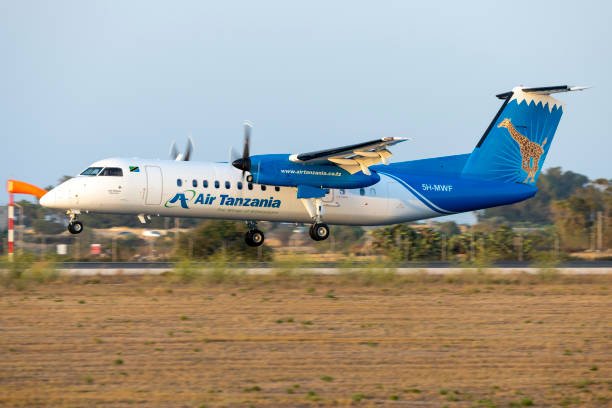
Travellers in Zanzibar can add a February Serengeti migration safari using domestic flights and ground transfers.
A fly-in safari can make a 3 to 5 day migration experience more practical by reducing long road travel.
February Serengeti and Ngorongoro Safari
Combining the southern migration area with Ngorongoro provides excellent wildlife variety.
Ndutu and Southern Serengeti offer calving herds and predators, while Ngorongoro provides concentrated crater wildlife.
This is one of the strongest February safari combinations.
February Serengeti and Central Serengeti Safari
Central Serengeti can be added for strong resident predator populations and general wildlife.
This combination works especially well on longer safaris where travellers want both migration-focused and year-round Serengeti experiences.
February Serengeti Safari and Zanzibar
Travellers can follow the migration safari with a Zanzibar beach holiday.
After several days in Ndutu and Southern Serengeti, domestic flights can connect the safari circuit with Zanzibar.
This combination is particularly attractive for honeymooners and couples.
February Serengeti Safari After Kilimanjaro
Travellers climbing Kilimanjaro in early 2027 can add a February migration safari after completing the mountain.
After resting in Moshi, the safari can continue to Ngorongoro, Ndutu and Southern Serengeti.
February Serengeti Migration Safari Cost 2027
The cost depends on the number of safari days, accommodation category, group size, transport method and included destinations.
February can create strong demand for camps close to Ndutu and Southern Serengeti because of the calving season.
Private safaris provide greater flexibility but generally cost more than group joining options.
Fly-in and luxury packages usually cost more, while camping and shared safari arrangements can provide lower-cost alternatives.
Travellers should compare actual migration-area nights, accommodation location, game drive time and included services rather than only the headline price.
What Is Included in a February Serengeti Migration Safari?
The exact inclusions depend on the selected package.
A complete safari quotation should clearly explain all major services.
Typical Safari Inclusions
- Professional safari driver guide
- Safari vehicle
- National park and conservation fees according to itinerary
- Safari accommodation
- Meals according to the package
- Drinking water during game drives
- Migration and calving-focused game drives
- Transfers according to itinerary
- Ngorongoro fees when included
- Domestic flights when specifically listed
Typical Safari Exclusions
- International flights
- Visa expenses
- Travel insurance
- Guide gratuities
- Personal expenses
- Alcoholic beverages unless included
- Hot air balloon safari unless specified
- Domestic flights unless specifically included
- Zanzibar accommodation unless included
How to Plan the Best February Serengeti Migration Safari
The best February safari should dedicate enough time to Ndutu and Southern Serengeti rather than rushing through several distant parks.
Accommodation should be selected close to productive seasonal wildlife areas.
Private guiding can provide greater flexibility when herds shift location.
February Safari Planning Tips
- Focus on Ndutu and Southern Serengeti
- Allow several nights in the migration area
- Keep exact herd locations flexible
- Choose accommodation close to wildlife areas
- Use private guiding for maximum flexibility
- Book February camps early
- Combine with Ngorongoro for additional wildlife variety
- Plan extra time if wildlife photography is a priority
Frequently Asked Questions About February Serengeti Migration Safari
Is February a good month for the Serengeti migration?
Yes. February is one of the strongest periods for the southern Great Migration and wildebeest calving season.
Where is the migration in February?
The migration is commonly associated with Southern Serengeti and the wider Ndutu ecosystem, depending on rainfall and grazing conditions.
Can I see wildebeest calving in February?
Yes. February is particularly famous for the main wildebeest calving period, although exact timing varies naturally.
Can I see newborn calves?
Yes. During suitable February conditions, newborn wildebeest can be seen across the southern ecosystem.
Are cheetahs common in Ndutu in February?
Ndutu provides excellent cheetah habitat, especially across the open plains, although individual sightings cannot be guaranteed.
Can I see lions and hyenas?
Yes. Lions and spotted hyenas may be especially active around large migration and calving herds.
How many days do I need for a February migration safari?
Four to seven days works well for many travellers, with several nights focused on Ndutu and Southern Serengeti.
Is February good for photography?
Yes. Green plains, newborn calves, large herds and predators make February excellent for wildlife photography.
Can I combine Ndutu and Ngorongoro?
Yes. This is one of the best February combinations for migration wildlife, predators and concentrated crater game viewing.
Can I combine Southern and Central Serengeti?
Yes. Central Serengeti adds excellent resident wildlife and works well on longer February itineraries.
Can I book a private February safari?
Yes. Private safaris provide the best flexibility for following current migration and predator activity.
Are group joining safaris available?
Yes. Group joining options may be available and can reduce costs, but the itinerary should include enough time in the southern migration region.
Can I fly from Zanzibar?
Yes. A fly-in February Serengeti safari can be arranged from Zanzibar depending on available domestic connections and the selected route.
Can I do the safari after Kilimanjaro?
Yes. Travellers climbing Kilimanjaro in early 2027 can continue from Moshi to Ngorongoro, Ndutu and Southern Serengeti.
Can I combine the safari with Zanzibar?
Yes. A February migration safari followed by Zanzibar creates an excellent Tanzania wildlife and beach holiday.
Are migration herds guaranteed in Ndutu?
No. Migration movement depends on rainfall, fresh grass and water availability, so exact herd positions can vary.
How do I book a February Serengeti Migration Safari 2027?
Provide your February travel dates, number of travellers, preferred safari duration, accommodation level and whether your priority is calving, predators, photography, Ngorongoro or a wider Serengeti experience. The itinerary can then be designed around the most productive southern migration areas.
Plan Your February Serengeti Migration Safari 2027
Experience the February Great Migration with wildebeest calving, newborn calves, cheetahs, lions, hyenas and private game drives across Ndutu and Southern Serengeti, with easy combinations to Ngorongoro, Kilimanjaro and Zanzibar.
Plan Your February Migration Safari


 Kilimanjaro Climb