Ganako Traditional Basket Weaving Tour
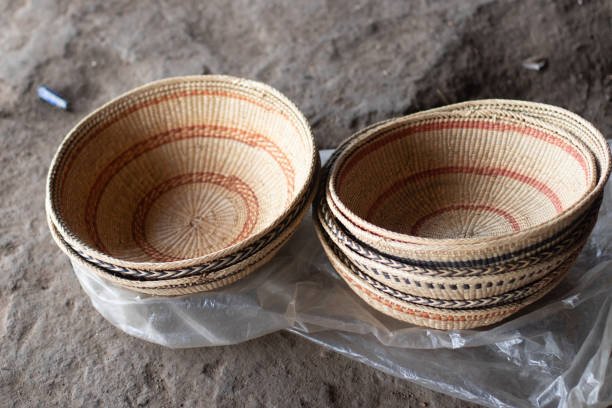
The Ganako Traditional Basket Weaving Tour offers travellers an opportunity to experience local craft traditions around Ganako and Karatu through a guided basket weaving activity with community artisans.
Instead of only observing cultural life from a distance, travellers can spend time with a local artisan, learn how weaving materials are prepared and understand how practical household objects can also carry artistic and cultural value.
Depending on the selected host and program, the experience may include demonstrations of basic weaving techniques, preparation of natural or locally sourced materials, discussions about basket shapes and uses and supervised hands on participation.
The activity can be combined with a Ganako village walk, farm visit, local market, coffee experience or Tanzanian lunch.
The exact weaving technique, basket style, colours and materials vary according to the artisan, season and supplies available.
The tour should therefore be treated as a genuine community craft experience rather than a fixed performance where every visitor receives exactly the same demonstration.
A local guide can help with introductions, interpretation and respectful interaction with the participating artisan.
The Ganako Traditional Basket Weaving Tour can be arranged as a short craft activity, a half day cultural experience or part of a full day program around Karatu.
Ganako Traditional Basket Weaving Tour at a Glance
- Location: Ganako and surrounding Karatu community areas.
- Main experience: Traditional basket weaving and local craft culture.
- Host: Selected community artisan or craft group according to availability.
- Possible activities: Material preparation, weaving demonstration, hands on practice and cultural discussion.
- Duration: Short session, half day or full day cultural program.
- Activity level: Easy, with seated craft work and optional village walking.
- Suitable for: Solo travellers, couples, families and small groups.
- Extensions: Ganako village walk, coffee, market, Ngorongoro or Lake Manyara.
Why Choose the Ganako Traditional Basket Weaving Tour?
The Ganako Traditional Basket Weaving Tour provides a slower and more interactive cultural experience than ordinary sightseeing.
Travellers can spend time learning directly from a local artisan and gain a better understanding of the patience, skill and practical knowledge involved in hand weaving.
The activity also provides opportunities to discuss how handmade baskets can be used for household storage, carrying goods, decoration, gifts or local trade depending on the style produced by the artisan.
Main Basket Weaving Experience Highlights
- Meet a local Ganako or Karatu artisan
- Learn about basket making traditions
- See locally available weaving materials
- Learn how materials are prepared
- Watch a weaving demonstration
- Try selected weaving techniques
- Learn about basket shapes and uses
- Discuss colours and patterns where applicable
- Support community based craft tourism
- Add a village walk or local lunch
- Combine with Karatu safari activities
Ganako Traditional Basket Weaving Tour Itinerary
STEP
01
WELCOME
Pickup and Introduction to Ganako
Your Ganako Traditional Basket Weaving Tour begins from your Karatu hotel, lodge or another agreed meeting point.
Meet your local guide and travel or walk toward the selected artisan's workshop, home based craft area or agreed community meeting place.
Before the activity begins, receive a short introduction to the Ganako area and the craft experience planned for the day.
Before the Craft Session
- Meet the local artisan.
- Discuss the length of the activity.
- Confirm hands on participation.
- Discuss photography etiquette.
- Confirm village or market extensions.
- Confirm lunch or refreshments.
Starting Point
Karatu hotel, lodge or another agreed meeting location.
Activity
Introduction to Ganako and the basket weaving program.
STEP
02
ARTISAN
Meet the Basket Weaver
Meet the participating artisan or craft group and learn about their experience with basket weaving.
The artisan may explain how they learned the craft, how long different items can take to make and how baskets are used or sold.
Discussion Topics May Include
- How weaving skills are learned
- Family or community knowledge
- Practical household uses
- Selling handmade crafts
- Time required to make different items
- Changes in materials and design
- Modern and traditional craft markets
Each artisan has an individual story, so explanations can differ from one host to another.
STEP
03
MATERIALS
Learn About Basket Weaving Materials
Before weaving begins, learn about the materials used by the selected artisan.
Materials can vary according to availability, local craft practices and the type of basket being made.
Materials May Include
- Plant fibres
- Grasses
- Reeds
- Palm or similar fibres where locally used
- Other prepared natural materials
- Coloured or dyed weaving material where used
- Modern supplementary materials where applicable
The exact material should be explained by the artisan because different craftspeople may work with different locally available resources.
STEP
04
PREPARATION
See How Weaving Materials Are Prepared
The artisan can explain how raw material is transformed into something suitable for weaving.
Depending on the material and program, some preparation stages may be demonstrated live while others are explained using material that has already been prepared.
Preparation May Involve
- Collecting suitable material
- Cleaning
- Drying
- Splitting fibres
- Softening
- Sorting by size
- Colour preparation where applicable
The amount of preparation required depends on the type of fibre and basket being produced.
STEP
05
DEMONSTRATION
Watch a Basket Weaving Demonstration
Watch the artisan begin or continue a basket while explaining the basic structure and weaving sequence.
The demonstration can show how individual strands gradually form a stable shape.
Demonstration Topics May Include
- Starting the basket base
- Holding the structure together
- Adding new weaving material
- Maintaining tension
- Building the sides
- Creating a rim
- Finishing loose fibres
Different artisans may use different techniques, so the demonstration should reflect the host's actual craft method.
STEP
06
HANDS ON
Try Basket Weaving Yourself
When hands on participation is included, the artisan can guide you through selected basic weaving movements.
Beginners should expect the activity to require patience and concentration because experienced artisans make the work look easier than it is.
Your Hands On Session May Include
- Holding prepared fibres correctly
- Following a simple weaving sequence
- Maintaining tension
- Adding or replacing material
- Working on part of a sample piece
- Receiving corrections from the artisan
A short visitor session may not be long enough to complete a full basket.
The purpose is to understand and try the skill rather than to guarantee completion of a particular finished product.
Hands On Activity
Supervised introductory weaving according to the artisan's program.
Finished Basket
Completion depends on session length, design and individual progress.
STEP
07
DESIGN
Learn About Basket Shapes, Patterns and Uses
After understanding the basic weaving technique, learn how baskets can vary in shape, size, pattern and purpose.
The artisan can explain the designs that they personally make and how different products are used.
Possible Basket Uses
- Household storage
- Carrying produce
- Food storage or serving where appropriate
- Decorative use
- Gift items
- Craft sales
- Other uses according to basket style
Specific symbolic meanings should only be described when the participating artisan confirms them rather than assuming every pattern has the same interpretation.
STEP
08
COMMUNITY
Crafts, Household Life and Local Livelihoods
Discuss how handmade crafts can fit into wider household and community livelihoods.
For some artisans, craft production may provide supplementary income, support household needs or create products for local and visitor markets.
The importance of basket weaving varies between individuals and households, so the host's own experience should guide the discussion.
STEP
09
OPTIONAL WALK
Ganako Village and Farm Walk
A longer program can include a guided walk through selected areas of Ganako after the weaving session.
The route may pass farms, household gardens, village roads and local businesses.
Village Walk May Include
- Local farms
- Maize and beans when seasonally present
- Vegetable gardens
- Bananas and fruit trees in suitable areas
- Coffee plants where grown
- Small shops
- Everyday community activity
Visible crops and farming activities depend on the season.
STEP
10
LOCAL FOOD
Enjoy Local Lunch or Refreshments
When included in the confirmed package, enjoy local refreshments or a Tanzanian lunch after the craft experience.
Food can add another cultural dimension to the day and provide time for relaxed conversation with the guide or host.
Possible Local Foods
- Rice
- Beans
- Ugali
- Seasonal vegetables
- Cooking bananas
- Chapati
- Seasonal fruit when available
The exact menu depends on the selected provider and ingredients available.
Meals
Local lunch or refreshments according to the confirmed itinerary.
Dietary Requirements
Should be communicated before the activity.
STEP
11
RETURN
Return to Karatu or Continue Your Journey
After completing the weaving and optional cultural activities, return to your Karatu hotel or lodge.
Travellers with onward plans can continue toward Ngorongoro, Lake Manyara or another agreed destination when timing allows.
Final Destination
Karatu hotel, lodge or another agreed onward destination.
Transfer
Return transport according to the confirmed program.
Traditional Basket Weaving Around Ganako
Basket weaving is a practical handcraft that can involve carefully prepared fibres woven into strong and useful forms.
The exact techniques used during a Ganako experience depend on the artisan hosting the activity.
Rather than assuming one single standard basket style, travellers can learn directly from the craftsperson about the materials, designs and methods they personally use.
Learning from a Local Artisan
The artisan is central to the Ganako Traditional Basket Weaving Tour.
Their personal experience provides context that cannot be reproduced simply by viewing finished crafts in a shop.
Travellers can ask questions about technique, materials, production time and how basket making fits within the artisan's life.
How Basket Weaving Skills Are Learned
Craft knowledge may be learned through relatives, neighbours, craft groups, community teaching or individual practice depending on the artisan.
The host can explain their own path into basket weaving.
Visitors should avoid assuming that every artisan learned the craft in exactly the same way.
Natural Weaving Materials
Basket makers can use plant based fibres, grasses, reeds or other workable materials depending on local availability and craft style.
Preparation is often an important part of the process because raw plant material may need drying, splitting, sorting or softening before it can be woven.
The participating artisan can identify the actual materials used during the tour.
Preparing Fibres for Basket Weaving
Prepared fibres need to be flexible enough for weaving while remaining strong enough to hold their form.
The artisan may demonstrate how materials are selected and prepared or show visitors materials that have already completed the preparation process.
Preparation methods depend on the material being used.
Starting a Basket
The first stage of weaving often establishes the structure from which the rest of the basket develops.
The artisan can demonstrate how the base is organised and how weaving material is introduced.
Beginners may find this part particularly useful for understanding the overall construction.
Building the Basket Shape
As weaving continues, the artisan controls tension and placement to create the desired form.
Small differences in technique can gradually affect the height, width and shape of the basket.
This helps explain why handwoven pieces can have individual variations.
Finishing the Basket
The final stages can involve completing the rim, securing loose fibres and checking the shape.
Finishing methods depend on the design and technique used by the artisan.
A short visitor session may focus on only one or two stages rather than producing an entire basket from start to finish.
Hands On Basket Weaving Experience
The hands on section allows travellers to appreciate the skill involved by trying selected weaving movements themselves.
Even a simple section can require concentration, coordination and patience.
The artisan provides guidance and can correct basic mistakes during the activity.
Can You Make Your Own Basket?
Visitors may be able to work on a small piece or part of a basket depending on the length of the session.
A complete basket cannot always be finished within a short cultural visit.
Travellers who particularly want a finished personal craft should request a longer workshop and confirm what is realistically possible before booking.
Basket Shapes and Sizes
Handwoven baskets can vary greatly in size and shape.
The selected artisan may make compact baskets, larger storage pieces or decorative products depending on their craft practice.
The tour can include examples when available.
Colours and Patterns
Some crafts may incorporate different colours or repeating patterns depending on the artisan and materials available.
Visitors can ask how colours are selected and whether particular patterns have practical, decorative or cultural significance.
Symbolic meanings should only be stated when confirmed by the participating artisan.
Traditional and Modern Basket Designs
Handcrafts can change over time as artisans respond to new materials, customer preferences and different markets.
A basket weaving experience may therefore include traditional methods alongside newer designs or products.
This is part of understanding craft as a living practice rather than something fixed in the past.
Basket Weaving and Household Life
Baskets can serve practical household purposes depending on their construction and size.
Uses may include carrying, storage, food related purposes where suitable or decoration.
The artisan can explain which uses apply to the products they make.
Basket Weaving as a Local Livelihood
For some artisans, handmade products can provide income alongside farming, household work or other activities.
Craft sales may occur through local markets, visitors, community groups or other sales channels.
The role of weaving in household income varies from artisan to artisan.
Buying Handmade Baskets
Travellers may have opportunities to purchase handmade products when the artisan has items available for sale.
Purchases are optional and availability depends on current stock.
If you are interested in a specific size or design, ask what is available rather than assuming every basket can be produced immediately.
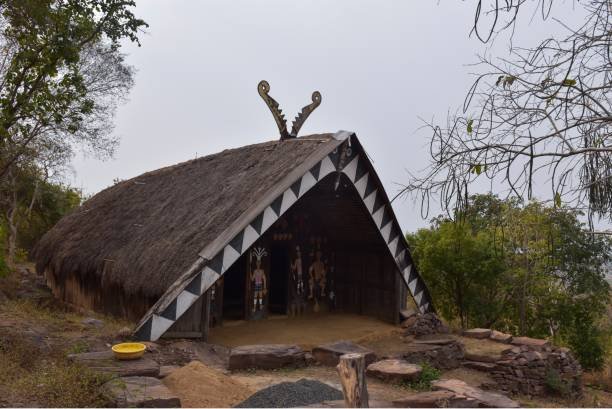
Ganako Village Life
The craft experience can be extended with a Ganako village walk.
Travellers may pass homes, farms, household gardens, local shops and community roads.
This places basket weaving within the wider context of everyday life around Karatu.
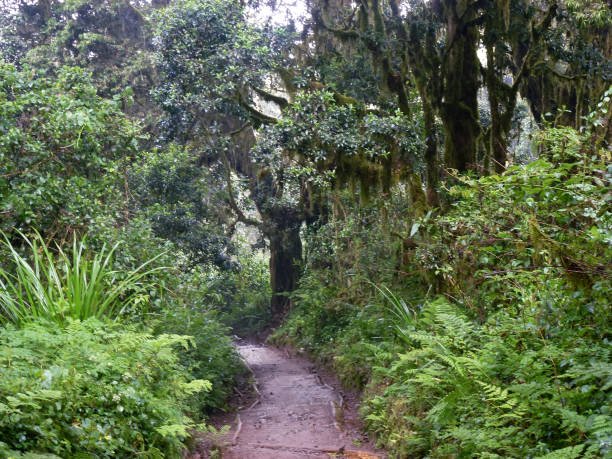
Farming Around Ganako
Agriculture is an important feature of the wider Karatu landscape.
Depending on season, travellers may see maize, beans, vegetables, bananas, fruit trees, coffee or other crops.
Visible crops and farm activities change throughout the year.
Traditional and Contemporary Community Life
A responsible cultural tour should show that local communities continue to develop.
Traditional skills such as handcrafting can exist alongside modern education, mobile technology, transport, tourism and new businesses.
The Ganako Traditional Basket Weaving Tour can therefore provide an opportunity to discuss both cultural continuity and change.
Local Food During the Tour
Local lunch or refreshments can be added to a longer craft experience.
Possible foods may include rice, beans, ugali, vegetables, chapati or cooking bananas.
The exact menu depends on the selected host or meal provider.
Vegetarian Food Options
Vegetarian meals can often be arranged using beans, rice, vegetables, ugali, chapati and other available foods.
Requests should be provided before the tour.
Vegan Food Options
Vegan meals may also be possible when requested in advance.
The exact ingredients should be confirmed with the selected meal provider.
Food Allergies
Food allergies should be communicated before the experience.
Local kitchens may use shared utensils and preparation surfaces, so complete separation from particular ingredients should not be assumed unless specifically confirmed.
Short Ganako Basket Weaving Experience
A short program can focus on meeting the artisan, learning about materials and watching a weaving demonstration.
Limited hands on participation may also be possible depending on the time available.
Half Day Ganako Traditional Basket Weaving Tour
A half day program provides more time for demonstrations, hands on practice and cultural discussion.
A village walk or refreshments can also be included.
Full Day Ganako Traditional Basket Weaving Tour
A full day experience can combine basket weaving with village walking, farming, local markets and lunch.
This format provides more time for craft practice and broader cultural context.
Morning Basket Weaving Tour
A morning craft session works well for travellers who want a cultural activity before relaxing at their Karatu lodge or continuing with another afternoon experience.
The program can be kept compact or extended through lunch.
Afternoon Basket Weaving Tour
An afternoon session can work well after arriving in Karatu from Lake Manyara or another nearby destination.
When village walking is included, the schedule should allow sufficient daylight.
Private Ganako Traditional Basket Weaving Tour
The Ganako Traditional Basket Weaving Tour can be arranged privately for one travelling party.
A private experience provides more flexibility for questions, hands on practice and timing.
It can also be coordinated around safari departure and arrival schedules.
Basket Weaving Tour for Solo Travellers
Solo travellers can arrange a private craft experience with a local artisan and guide.
The one to one format can provide more time for detailed questions and hands on guidance.
Basket Weaving Tour for Couples
Couples can participate together in a private cultural activity.
The experience can be combined with local food, a village walk or coffee depending on interests.
Basket Weaving Tour for Families
Families can join the experience with activities adjusted according to children's ages and attention spans.
Basket weaving can provide an educational introduction to handcrafting, materials and community skills.
Children should remain supervised around cutting tools, sharp fibres or other preparation equipment used by the artisan.
Is the Basket Weaving Tour Physically Difficult?
The craft activity itself is generally low intensity because much of the weaving can be completed while seated.
Hand and finger coordination can require patience, while optional village walking increases the physical activity.
Factors Affecting Activity Level
- Length of the craft session
- Amount of hands on weaving
- Seating arrangements
- Optional village walking
- Farm paths
- Weather
- Individual mobility
Best Time for the Ganako Traditional Basket Weaving Tour
The basket weaving activity can generally be arranged during different seasons because the core experience is craft based.
However, the exact materials and surrounding farming scenery can vary according to season.
When village walking or market activities are included, weather and local schedules can affect the final program.
Combine with Ganako Village Walking Tour
The basket weaving experience combines naturally with a guided Ganako village walk.
Travellers can learn the craft and then explore farms, gardens, village roads and local businesses with a guide.
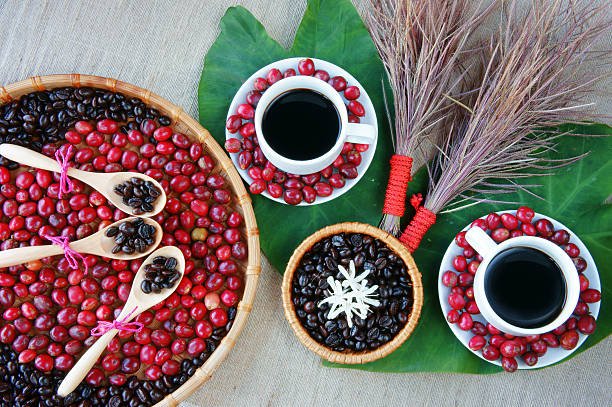
Combine with Karatu Coffee Tour
A coffee experience can be added when a suitable farm and host are available.
Depending on season and program, activities may include coffee growing, processing, roasting, grinding and tasting.
Combine with Karatu Local Market Tour
A market visit can add another perspective on local trade.
Travellers may see vegetables, fruit, grains, beans, spices, clothing and household goods depending on the day.
Market activity varies and should be confirmed when it is particularly important to the itinerary.
Combine with Iraqw Cultural Experience
A more detailed cultural program can be added according to local community arrangements.
This may include village life, farming, homestead traditions, household tools, food and local stories.
Combine with Ngorongoro Safari
The Ganako Traditional Basket Weaving Tour combines easily with Ngorongoro because Karatu is a convenient base for crater safaris.
Travellers can enjoy the craft experience one day and visit Ngorongoro the following morning.
Inside Ngorongoro Crater, travellers may see wildebeest, zebras, buffalo, lions, spotted hyenas, hippos and elephants.
Black rhino may also be observed, although sightings cannot be guaranteed and may be distant.
Combine with Lake Manyara Safari
Lake Manyara can be added before or after the cultural experience.
Travellers may see elephants, buffalo, giraffes, zebras, baboons, monkeys and varied birdlife.
Tree climbing lion behaviour remains unpredictable and flamingo numbers vary according to ecological conditions.
Combine with Tarangire Safari
Tarangire can be added for elephant viewing opportunities, baobab landscapes and other wildlife.
Travellers may see elephants, giraffes, zebras, buffalo, wildebeest, antelope and lions.
Wildlife remains free roaming and particular sightings cannot be guaranteed.
Combine with Serengeti Safari
The cultural experience can be included before continuing through Ngorongoro toward Serengeti.
The Serengeti ecosystem supports wildebeest, zebras, lions, cheetahs, elephants, giraffes, buffalo, spotted hyenas and possible leopards.
Great Migration locations depend on rainfall, water and grazing conditions.
River crossings and specific herd concentrations cannot be guaranteed.
Combine with Kilimanjaro
The basket weaving tour can form part of a longer Tanzania journey before or after climbing Mount Kilimanjaro.
Travellers can finish their trek around Moshi before continuing toward Karatu for culture and safari.
Combine with Zanzibar
The experience can also form part of a wider Tanzania holiday ending in Zanzibar.
This creates an itinerary combining mountain, craft culture, wildlife and beach experiences.
What to Wear
- Comfortable casual clothing
- Comfortable walking shoes if a village walk is included
- Sun hat
- Light rain layer when appropriate
- Light warm layer for cooler Karatu weather
- Modest clothing suitable for community visits
What to Bring
- Reusable water bottle
- Sunscreen
- Sunglasses
- Camera or phone
- Personal medication
- Light rain protection
- Small day bag
- Small amount of spending money if you wish to purchase crafts
Typical Ganako Traditional Basket Weaving Tour Inclusions
- Local cultural guide
- Selected artisan or craft host
- Basket weaving introduction
- Material explanations
- Weaving demonstration
- Hands on participation when included
- Use of basic workshop materials for the session
- Village walk when included
- Local lunch or refreshments when included
- Drinking water according to the confirmed program
- Karatu hotel pickup or return transfer when included
Typical Exclusions
- Hotel accommodation unless specifically included
- Safari park fees unless part of a combined package
- Finished baskets unless specifically included
- Optional craft purchases
- Coffee activities unless included
- Additional market or cultural activities unless included
- Airport transfers unless stated
- Alcoholic beverages
- Tips
What Affects the Ganako Traditional Basket Weaving Tour Price?
The price of the Ganako Traditional Basket Weaving Tour depends on group size, session length, artisan arrangements, hands on materials, meals and transport.
Main Price Factors
- Number of travellers
- Private or shared arrangement
- Length of the craft session
- Hands on materials
- Artisan or craft group arrangements
- Village walking extension
- Local lunch
- Coffee or market extensions
- Karatu hotel pickup and return
- Safari combination
Responsible Craft Tourism
The basket weaving experience should respect the artisan's time, skills, home or workshop and intellectual contribution.
Responsible Craft Experience Guidelines
- Follow the artisan's instructions.
- Handle materials carefully.
- Ask before using any tools.
- Ask permission before photographing the artisan.
- Do not enter private household areas without invitation.
- Respect the time required to produce handmade work.
- Do not assume every design has a symbolic meaning.
- Purchase crafts respectfully when you choose to buy.
- Treat the activity as a real craft exchange rather than a staged performance.
Photography During the Basket Weaving Tour
Photography can be possible during the craft session where the artisan is comfortable with it.
Permission should be requested before photographing identifiable people, private homes or close up details of personal workspaces.
The guide can help clarify when photography is appropriate.
Important Information About the Ganako Traditional Basket Weaving Tour
The Ganako Traditional Basket Weaving Tour is a flexible community craft experience around Ganako and Karatu.
The exact artisan depends on local availability.
The basket style and weaving method vary according to the participating craftsperson.
Natural materials vary according to availability and season.
Not every material preparation stage can always be demonstrated live.
Hands on participation should be confirmed when it is especially important to the booking.
A short session may not be long enough to complete a full basket.
Finished baskets should not be assumed to be included unless specifically stated.
Crafts available for purchase depend on current artisan stock.
Prices for optional purchases are separate unless included in the package.
Visitors should ask permission before photographing the artisan or private household spaces.
Village walking can be added according to the confirmed program.
Farm crops and scenery vary according to season and rainfall.
A local market can be added when suitable trading activity is available.
Local lunch or refreshments can be included.
Vegetarian and vegan meals may be possible when requested in advance.
Food allergies should be communicated before the tour.
The experience can be arranged privately.
Short, half day and full day versions can be created.
Ngorongoro, Lake Manyara, Tarangire and Serengeti can be combined with the tour.
Karatu coffee, Iraqw cultural experiences and Ganako village walking can also be added.
Kilimanjaro and Zanzibar can be included within a wider Tanzania itinerary.
Before booking, provide your preferred date, number and ages of travellers, Karatu accommodation, preferred session length and any additional cultural or safari activities required.
Why Book the Ganako Traditional Basket Weaving Tour?
The Ganako Traditional Basket Weaving Tour provides an interactive way to experience local craft culture around Karatu.
Travellers can meet an artisan, learn about weaving materials, observe traditional techniques and try selected weaving steps under guidance.
The activity can be kept simple and relaxed or expanded with village walking, farming, local food, coffee or market experiences.
Its Karatu location also makes it easy to combine with Ngorongoro, Lake Manyara, Tarangire or a longer Serengeti safari.
Frequently Asked Questions
What is the Ganako Traditional Basket Weaving Tour?
It is a guided cultural experience where travellers meet a local artisan, learn about basket weaving and may try selected weaving techniques.
Where does the tour take place?
The activity takes place with a selected artisan or community craft host in the Ganako and Karatu area.
Where does the tour start?
The tour can begin from your Karatu hotel, lodge or another agreed meeting point.
Do we meet a local artisan?
Yes. The experience is centred around a participating artisan or craft group according to availability.
Do we learn how baskets are made?
Yes. The artisan can explain the materials, preparation and weaving sequence used in their work.
Can we try weaving ourselves?
Hands on weaving can be included when confirmed as part of the selected program.
Do I need previous weaving experience?
No. Introductory sessions can be suitable for beginners and the artisan can demonstrate basic techniques first.
Can I finish a whole basket?
Possibly during a longer workshop, but a short cultural session may only allow you to work on part of a basket or practice sample.
Do I get to keep what I make?
This depends on the workshop arrangement and materials included, so it should be confirmed before the tour.
Is a finished basket included?
A finished artisan basket should not be assumed to be included unless the confirmed package specifically states this.
Can we buy baskets from the artisan?
Yes, when the artisan has finished products available for sale. Purchases are normally optional.
What materials are used?
The materials depend on the artisan and may include plant fibres, grasses, reeds or other prepared weaving materials.
Do we see how the materials are prepared?
Preparation can be demonstrated or explained depending on the material and the stage of preparation available during your visit.
Are natural dyes used?
This depends on the participating artisan and materials. Colouring methods should be confirmed directly through the selected craft program.
Do basket patterns have special meanings?
Some designs may have particular meanings, while others may be decorative. The artisan should explain the meaning of their own patterns rather than making general assumptions.
How long does basket weaving take?
Production time varies greatly according to basket size, design complexity, material and the artisan's technique.
How long is the visitor experience?
It can be arranged as a short session, half day activity or full day cultural program.
Is the tour physically difficult?
The weaving activity is generally low intensity because much of it can be done while seated.
Can older travellers join?
Yes. The seated craft activity can be suitable for many older travellers, with optional walking adjusted according to mobility.
Can families join?
Yes. Families can join, with children supervised around tools and material preparation areas.
Can solo travellers book?
Yes. Solo travellers can arrange a private craft experience with an artisan and local guide.
Is the activity suitable for couples?
Yes. Couples can participate together and combine the experience with local food or a village walk.
Can the tour be private?
Yes. A private program can provide more flexibility for questions, practice and timing.
Can a village walk be added?
Yes. A Ganako village walk can be combined with the basket weaving activity.
Can we visit local farms?
Yes. A farming extension can be included according to the selected route and local arrangements.
Can a coffee tour be added?
Yes. Coffee cultivation, processing, roasting, grinding or tasting can be included when suitable arrangements are available.
Can a market visit be added?
Yes. A Karatu market experience can be included when suitable market activity is taking place.
Is local lunch included?
Lunch can be included when stated in the confirmed program.
Can vegetarian food be arranged?
Vegetarian meals can often be arranged when requested in advance.
Can vegan food be arranged?
Vegan meals may be possible when requested before the tour and confirmed with the meal provider.
What if I have food allergies?
Food allergies should be communicated in advance so ingredients and kitchen arrangements can be reviewed.
Can Ngorongoro be added?
Yes. Ngorongoro can easily be combined with the basket weaving tour from Karatu.
Can Lake Manyara be added?
Yes. Lake Manyara is another convenient wildlife extension from Karatu.
Can Tarangire be added?
Yes. Tarangire can be added for elephant viewing opportunities, baobabs and additional wildlife.
Can Serengeti be added?
Yes. Travellers can continue through Ngorongoro toward Serengeti for a longer safari.
Can Kilimanjaro be combined with this tour?
Yes. The basket weaving experience can be arranged before or after a Mount Kilimanjaro climb.
Can Zanzibar be added afterward?
Yes. Zanzibar can be added with suitable flights, accommodation and transfers.
Can we take photographs during the weaving session?
Photography may be possible, but permission should be requested from the artisan before taking close up photographs or portraits.
Is hotel pickup included?
Karatu hotel or lodge pickup can be included according to the confirmed package.
How do I book the Ganako Traditional Basket Weaving Tour?
Provide your preferred date, number and ages of travellers, Karatu accommodation, preferred session length and whether you would like hands on weaving, village walking, coffee, market, local lunch or safari extensions included.
Request Your Ganako Traditional Basket Weaving Tour
Meet a local artisan around Ganako and Karatu, learn how basket weaving materials are prepared, watch traditional techniques and try selected weaving steps, with optional village walks, local food, coffee and northern Tanzania safari extensions.
Book Your Ganako Traditional Basket Weaving Tour