Karatu Iraqw Cultural Tour
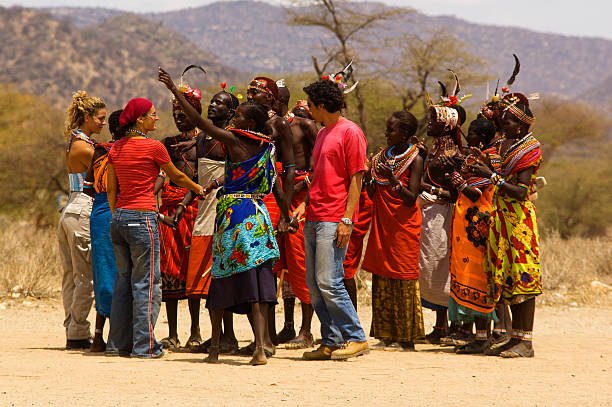
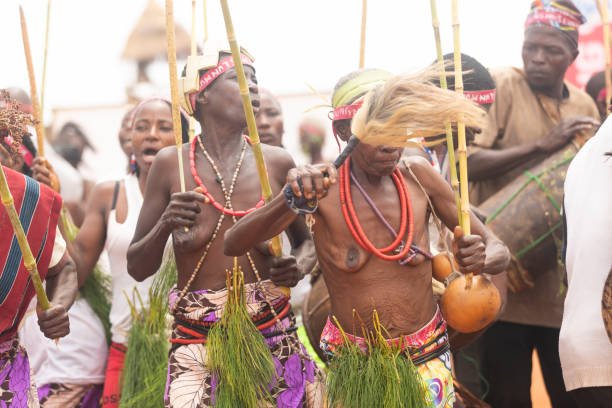
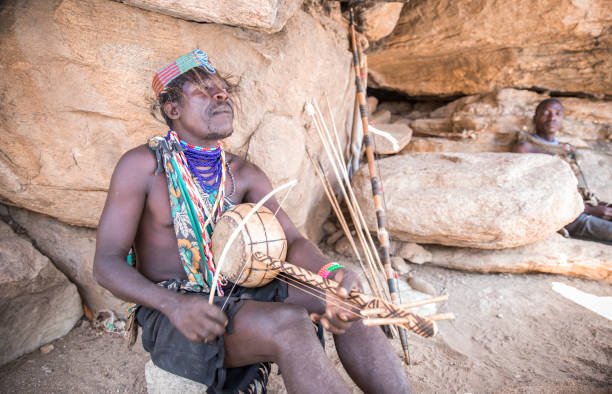
The Karatu Iraqw Cultural Tour offers travellers an opportunity to learn about Iraqw community life, farming, food traditions and everyday culture in and around Karatu.
Karatu is located within northern Tanzania's highland region and is commonly used as a base for travellers visiting Ngorongoro Crater, Lake Manyara and Serengeti.
Beyond its safari location, the wider Karatu area is home to communities with strong agricultural traditions and distinct cultural identities.
The Iraqw people are one of the well known communities of this highland region, and a guided cultural experience can introduce visitors to aspects of village life, language, farming, food and family traditions.
The tour is not designed as a staged performance.
Instead, it focuses on respectful cultural exchange with local hosts while visitors learn how traditional practices exist alongside modern daily life.
Depending on the selected community program, travellers may visit farms, walk through village areas, see household gardens, learn about food preparation and listen to stories about local life.
The Karatu Iraqw Cultural Tour can be arranged as a short cultural stop, a half day experience or a more detailed full day program depending on the wider Tanzania itinerary.
Karatu Iraqw Cultural Tour at a Glance
- Location: Karatu and selected surrounding Iraqw communities.
- Main experience: Iraqw culture, village life, farming and local food.
- Possible activities: Village walk, homestead visit, farm visit, cultural storytelling and local lunch.
- Agriculture: Maize, beans, vegetables, bananas, livestock and other seasonal crops may be seen.
- Activity level: Easy to moderate walking.
- Suitable for: Solo travellers, couples, families and small groups.
- Food: Local lunch or refreshments can be included.
- Safari combination: Ngorongoro, Lake Manyara, Tarangire or Serengeti.
Why Choose the Karatu Iraqw Cultural Tour?
Many travellers stay in Karatu only as part of a safari itinerary.
The Karatu Iraqw Cultural Tour provides an opportunity to slow down and experience the human side of the region before or after wildlife viewing.
Instead of spending the entire day inside a safari vehicle, visitors can walk through village landscapes, meet local hosts and learn about farming, food and community life.
Main Cultural Highlights
- Guided Iraqw village walk
- Local family and community interaction
- Traditional and modern homestead explanations
- Farming and seasonal crops
- Livestock traditions
- Local food
- Community stories and oral history
- Language and cultural explanations
- Optional market experience
- Easy combination with Ngorongoro safari
Karatu Iraqw Cultural Tour Itinerary
STEP
01
CULTURAL INTRODUCTION
Meet Your Local Guide and Learn About the Iraqw Community
Your Karatu Iraqw Cultural Tour begins from your hotel, lodge or another agreed location in Karatu.
Meet your local guide and receive an introduction to the community, the planned route and appropriate cultural etiquette.
The guide can provide background on local farming, family life and the role Iraqw communities have played within the broader Karatu highland area.
Before the Tour
- Confirm walking distance.
- Discuss the planned cultural stops.
- Confirm lunch arrangements.
- Communicate dietary requirements.
- Discuss photography etiquette.
- Confirm onward safari timing if required.
Starting Point
Karatu hotel, lodge or agreed meeting point.
Activity
Introduction to Iraqw community life and cultural etiquette.
STEP
02
VILLAGE WALK
Walk Through an Iraqw Village Landscape
Begin walking through a selected village area near Karatu.
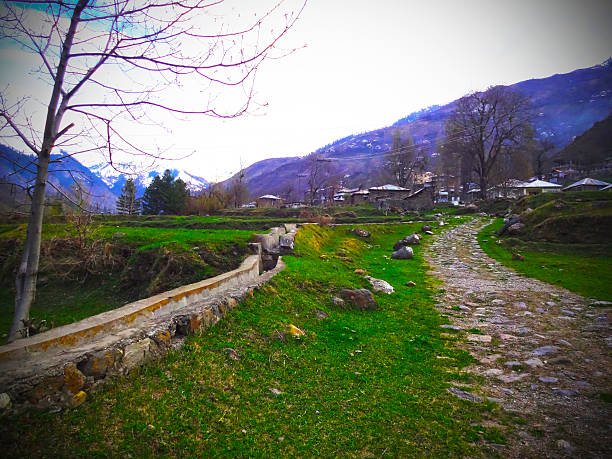
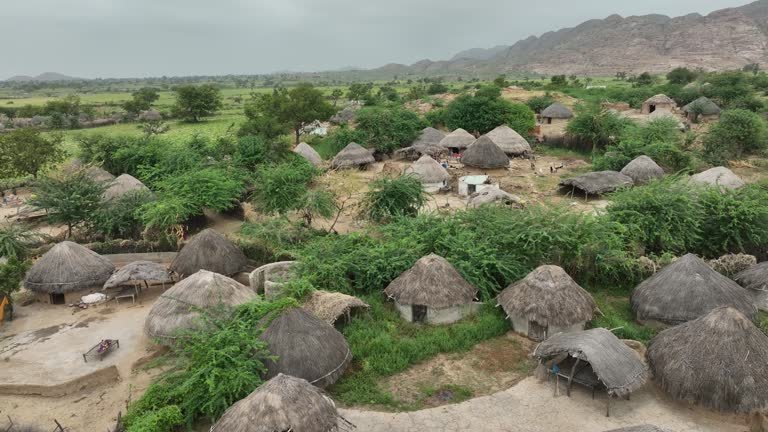
The route may pass homes, cultivated fields, livestock areas, household gardens and local roads used by community members.
Along the Village Walk You May See
- Family homes
- Small farms
- Household gardens
- Livestock areas
- Village roads
- Seasonal crops
- Community activity
The guide can explain how local families organise farming, food production and other aspects of daily life.
The exact village route varies according to the selected host community and local conditions.
Walking
Easy to moderate village walking with cultural interpretation.
STEP
03
HOMESTEAD EXPERIENCE
Learn About Traditional and Modern Iraqw Homes
Where included and permitted, visit a family homestead or a cultural interpretation area.
The host may explain how homes have changed over time and how building styles, family needs and modern materials influence present day housing.
Homestead Topics May Include
- Household organisation
- Traditional building ideas
- Modern housing changes
- Food storage
- Family farming
- Livestock management
- Daily household responsibilities
Visitors should remember that private homes are personal spaces and should only be entered when invited by the host.
STEP
04
FARMING TRADITIONS
Explore Local Farms and Seasonal Crops
Continue toward agricultural areas and learn how farming contributes to everyday life around Karatu.
The highland environment supports a variety of crops depending on season, rainfall, altitude and individual farm choices.
Crops and Farm Features May Include
- Maize
- Beans
- Vegetables
- Bananas
- Fruit trees
- Coffee in suitable areas
- Livestock
- Seasonal household crops
Your guide or host can explain how farming practices have changed over time while remaining important to community livelihoods.
Farm Experience
Introduction to seasonal crops, livestock and household agriculture.
Seasonality
Visible crops and farm activities vary throughout the year.
STEP
05
LANGUAGE & STORIES
Learn About Iraqw Language and Community Stories
Depending on the host, travellers may learn a few local words or greetings and hear explanations about the Iraqw language and community identity.
The guide may also share stories about family life, agriculture, changing livelihoods and the ways traditions are passed between generations.
Possible Cultural Discussion Topics
- Local language
- Family traditions
- Community identity
- Farming traditions
- Food customs
- Livestock
- Changes between generations
- Modern village life
The exact discussion depends on the guide and local host and should reflect their own experience rather than generalising every Iraqw family in the same way.
STEP
06
LOCAL FOOD
Enjoy a Locally Prepared Lunch
When included, stop for a locally prepared meal or refreshments.
Food provides another way to understand how agriculture, seasonality and household traditions connect.
Possible Foods May Include
- Ugali
- Rice
- Beans
- Seasonal vegetables
- Banana based dishes
- Chapati
- Fresh fruit when available
The exact menu varies according to the host, available ingredients and dietary requirements.
Meals
Local lunch or refreshments according to the confirmed program.
Dietary Requirements
Should be communicated before the tour.
STEP
07
LOCAL LIFE
Community Livelihoods and Modern Karatu Life
Continue learning about how village and town life interact around Karatu.
Agriculture remains important, but families may also work in education, trade, transport, tourism, small businesses and other sectors.
This part of the experience helps show that cultural identity continues to evolve alongside modern economic life.
Livelihood Topics May Include
- Agriculture
- Livestock
- Local trade
- Education
- Tourism
- Transport
- Small businesses
STEP
08
RETURN
Return to Karatu or Continue Your Safari
After completing the cultural program, return to your Karatu hotel or lodge.
Travellers with an onward itinerary can continue toward Ngorongoro, Lake Manyara or another agreed destination depending on timing.
Final Destination
Karatu lodge, hotel or onward safari destination.
Transfer
Return or onward transport according to the confirmed itinerary.
Who Are the Iraqw People?
The Iraqw are one of the communities associated with the highland areas of northern Tanzania, including parts of the wider Karatu and Mbulu region.
Community life has historically been closely connected with agriculture and livestock, although present day livelihoods are diverse.
A cultural visit should avoid assuming that every household follows the same traditions in exactly the same way.
The most meaningful experience comes from listening to local guides and hosts describe their own community and family experiences.
Iraqw Language and Communication
The Iraqw community has its own language traditions in addition to the wider use of Swahili and other languages in Tanzania.
Your guide may introduce simple greetings or explain how language remains part of community identity.
Travellers do not need prior language knowledge to participate in the cultural experience.
Traditional and Modern Iraqw Life
The Karatu Iraqw Cultural Tour should not present local culture as something frozen in the past.
Families may maintain traditions while also using modern housing, education, transport, communication and farming technologies.
A cultural experience is therefore an opportunity to understand both continuity and change.
Iraqw Farming Traditions
Agriculture remains one of the most visible features of the Karatu countryside.
Families may grow crops for household use, local trade or both.
The guide can explain how seasonal conditions influence planting, harvesting and food availability.
Maize and Beans
Maize and beans may be encountered within agricultural landscapes around Karatu.
These crops can form part of household food systems and local market trade.
Visible farming activity varies according to season.
Vegetable Farming
Karatu's agricultural surroundings can include vegetable farms and household gardens.
Travellers may see different crops according to rainfall, altitude and planting cycles.
Fresh vegetables may also be used in the locally prepared lunch.
Livestock and Rural Life
Livestock may form part of household life in some Iraqw communities.
Travellers may see cattle, goats, chickens or other domestic animals depending on the selected village and family.
Visitors should not approach or feed animals without permission.
Traditional Food Experience
Local food can provide a practical introduction to agriculture and household life.
Dishes vary between families and according to ingredients available at the time.
The exact meal should therefore be confirmed as part of the final program rather than promising one fixed menu.
Vegetarian Food Options
Vegetarian meals can often be arranged using beans, vegetables, rice, ugali or other suitable ingredients.
Requests should be communicated before the tour so the host can prepare appropriately.
Vegan Food Options
Vegan food may be possible depending on the selected host and ingredients.
The exact menu should be confirmed before the experience.
Food Allergies
Travellers with food allergies should provide details before the cultural visit.
Local kitchens may use shared cooking and preparation areas, so complete ingredient separation should not be assumed unless specifically confirmed.
Traditional Homestead Interpretation
Some cultural programs may include explanations about traditional building practices or older forms of homestead organisation.
The experience may use an existing cultural site, host family explanation or interpretation rather than entering a private traditional structure.
Exact access depends on the selected community program.
Iraqw Stories and Oral Traditions
Stories can provide insight into family history, agriculture, community values and local identity.
The content shared will depend on the host and should be treated as that person's or community's perspective.
Travellers are encouraged to ask respectful questions and allow local hosts to decide which stories they wish to share.
Karatu Market Extension
A local market can be added when suitable and available.
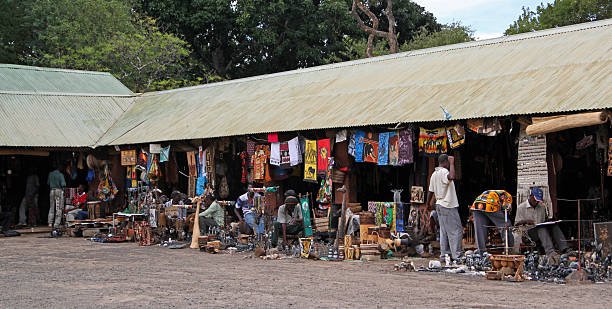
The market experience may introduce agricultural produce, household goods, clothing and normal local trade.
Activity varies according to the day and time, and photography of vendors should only be done with permission.
Private Karatu Iraqw Cultural Tour
The Karatu Iraqw Cultural Tour can be arranged privately for one traveller or one travelling party.
A private format allows more flexibility with walking distance, farm visits, lunch timing and cultural discussion.
This can be especially useful when travellers need to coordinate the tour with a safari departure.
Karatu Iraqw Cultural Tour for Solo Travellers
Solo travellers can arrange a private cultural experience or join a compatible shared program when available.
A local guide provides cultural interpretation and helps visitors navigate the community respectfully.
Karatu Iraqw Cultural Tour for Couples
Couples can enjoy a private village and farming experience at a relaxed pace.
Additional time can be spent discussing local culture, photography, food or farming according to interest.
Karatu Iraqw Cultural Tour for Families
Families can participate when walking distances and activities are selected appropriately.
Children can learn about farms, food production and community life through direct observation.
Parents should supervise children around roads, livestock, farms and cooking areas.
How Difficult Is the Karatu Iraqw Cultural Tour?
The cultural tour is generally an easy to moderate walking experience.
Difficulty depends on route distance, farm paths, weather and individual mobility.
Factors Affecting Walking Difficulty
- Walking distance
- Village roads
- Farm paths
- Weather
- Heat or rain
- Number of stops
- Traveller mobility
Short Iraqw Cultural Experience
A shorter cultural program can focus on a village walk, one farm or homestead stop and refreshments.
This option can fit into an afternoon after arriving in Karatu or before continuing to another destination.
Full Day Iraqw Cultural Experience
A full day allows more time for village walking, farming, community conversations and local lunch.
A market or additional agricultural activity can also be included when available.
Morning Karatu Iraqw Cultural Tour
A morning tour can provide comfortable walking conditions and leave the afternoon available for relaxation or travel.
It can work particularly well for guests staying overnight in Karatu before Ngorongoro.
Afternoon Karatu Iraqw Cultural Tour
An afternoon tour can fit after arriving from Lake Manyara, Tarangire or another nearby location.
The schedule should allow sufficient daylight for walking and returning to the lodge.
Karatu Iraqw Cultural Tour Before Ngorongoro Safari
The Karatu Iraqw Cultural Tour fits naturally before a Ngorongoro safari.
Travellers can arrive in Karatu, spend time with a local guide and then visit Ngorongoro Crater the following morning.
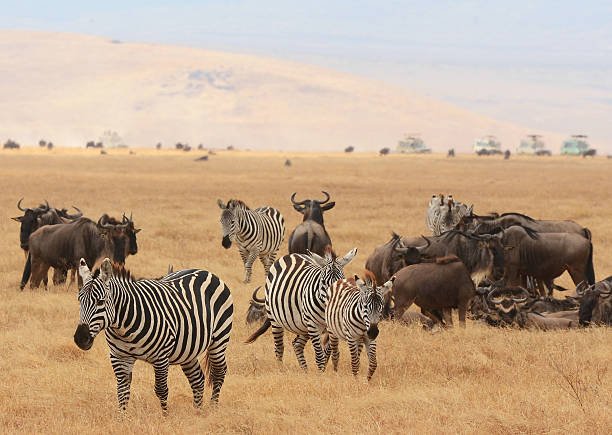
Inside Ngorongoro, travellers may see wildebeest, zebras, buffalo, lions, spotted hyenas, hippos, elephants and other wildlife.
Black rhino may also be observed, although sightings cannot be guaranteed and may be distant.
Karatu Iraqw Cultural Tour After Ngorongoro
The cultural experience can also be scheduled after a crater safari.
Walking through village areas provides a change of pace after spending several hours inside a safari vehicle.
Combine with Lake Manyara
Lake Manyara can be included before or after the cultural tour.
Travellers may see elephants, buffalo, giraffes, zebras, baboons, monkeys and varied birdlife.
Tree climbing lion behaviour is unpredictable, and flamingo concentrations vary with ecological conditions.
Combine with Tarangire Safari
Tarangire can be added for a contrasting wildlife experience.
The park supports elephants, giraffes, zebras, buffalo, antelope, lions and many bird species.
Wildlife remains free roaming and particular sightings cannot be guaranteed.
Combine with Serengeti Safari
Travellers can continue from Karatu toward Serengeti as part of a longer northern circuit itinerary.
The Serengeti ecosystem supports wildebeest, zebras, lions, cheetahs, elephants, buffalo, giraffes, hyenas and possible leopards.
Great Migration locations vary according to rainfall, water and grazing conditions.
Combine with a Kilimanjaro Climb
The Iraqw cultural experience can form part of a larger Tanzania itinerary after Kilimanjaro.
Travellers can finish the trek around Moshi and continue toward Karatu, Ngorongoro and other northern safari destinations.
Combine with Zanzibar
The Karatu Iraqw Cultural Tour can also be included within a longer itinerary ending in Zanzibar.
This creates a varied Tanzania journey combining culture, wildlife, mountain landscapes and beach time.
What to Wear
- Comfortable walking shoes
- Lightweight clothing
- Sun hat
- Light rain layer when appropriate
- Modest clothing suitable for village visits
- Light warm layer for cooler highland conditions
What to Bring
- Sunscreen
- Sunglasses
- Camera or phone
- Reusable water bottle
- Personal medication
- Light rain jacket
- Small day bag
- Small amount of personal spending money if desired
Typical Karatu Iraqw Cultural Tour Inclusions
- Local cultural guide
- Guided village walk
- Iraqw cultural explanations
- Farm visit when included
- Homestead or cultural site visit when included
- Community storytelling and local interpretation
- Local lunch or refreshments when included
- Drinking water according to the confirmed package
- Hotel pickup or return transportation when included
Typical Exclusions
- Hotel accommodation unless specifically included
- Safari park fees unless part of a combined package
- Ngorongoro safari unless specifically included
- Airport transfers unless stated
- Alcoholic beverages
- Personal purchases
- Additional activities not listed in the program
- Tips
What Affects the Tour Price?
The cost of the Karatu Iraqw Cultural Tour depends on group size, duration, transport and the cultural activities included.
Main Price Factors
- Number of travellers
- Private or shared arrangement
- Tour duration
- Local guide arrangements
- Farm visit
- Homestead or cultural site access
- Local lunch
- Market extension
- Hotel pickup and return
- Combination with safari services
Responsible Cultural Tourism
The Iraqw communities around Karatu are living communities rather than staged attractions.
Responsible Community Guidelines
- Ask permission before photographing people.
- Respect private homes and family spaces.
- Do not enter farms without permission.
- Follow your local guide's instructions.
- Avoid interrupting normal community activities.
- Treat farmers and hosts respectfully.
- Dress appropriately for village visits.
- Listen to local explanations rather than assuming all households follow identical traditions.
Photography During the Karatu Iraqw Cultural Tour
Village and farming landscapes can provide meaningful photography opportunities.
Permission should be requested before photographing individual residents, children, farmers, homes or private activities.
Your guide can help identify appropriate photography situations.
Important Information About the Karatu Iraqw Cultural Tour
The Karatu Iraqw Cultural Tour is a community based cultural experience around Karatu and selected surrounding Iraqw villages.
The exact cultural program depends on the local host and community arrangements.
Not every tour includes the same homestead, farm or storytelling activities.
Village life should be approached respectfully and should not be treated as a staged performance.
Walking distances can be adapted according to traveller mobility and available time.
Farm visits depend on season and local access.
Crops vary throughout the year.
Livestock may be present in some villages but should not be approached without permission.
A homestead visit should be specifically confirmed if this is an important part of the experience.
A market extension can be added depending on the day and available time.
Local lunch or refreshments can be included according to the confirmed program.
Vegetarian and vegan meals may be possible when requested in advance.
Food allergies should be communicated before the activity.
Photography of identifiable people should only be done with permission.
The tour can be arranged as a short visit, half day or full day experience.
It can be arranged before or after Ngorongoro safari.
Lake Manyara, Tarangire and Serengeti can also be incorporated into the wider itinerary.
The cultural experience can be combined with a Kilimanjaro climb or Zanzibar holiday.
Transport can be arranged according to the selected Karatu hotel and onward destination.
Exact activities should remain flexible because community life, farming and local schedules naturally change.
Before booking, provide your preferred date, number of travellers, Karatu accommodation, available time, dietary requirements and any safari connections.
Why Book the Karatu Iraqw Cultural Tour?
The Karatu Iraqw Cultural Tour adds a cultural dimension to a northern Tanzania safari itinerary.
Travellers can spend time outside the safari vehicle while learning about Iraqw village life, farming, food, language and community traditions.
The experience fits naturally into a Karatu stay before or after Ngorongoro and can be adapted to short or full day schedules.
It can also be combined with Lake Manyara, Tarangire, Serengeti, Kilimanjaro or Zanzibar for a broader Tanzania journey.
Frequently Asked Questions
What is the Karatu Iraqw Cultural Tour?
It is a guided cultural experience focusing on Iraqw village life, farming, food, community traditions and everyday life around Karatu.
Where does the tour take place?
The tour takes place in Karatu and selected surrounding communities according to the confirmed program.
Who are the Iraqw people?
The Iraqw are one of the communities associated with the highland areas of northern Tanzania, including parts of the wider Karatu region.
Is this a village walking tour?
Yes. Village walking is normally an important part of the experience, although short vehicle transfers can also be included.
Is the walking difficult?
The tour is generally easy to moderate, and walking distance can be adapted according to travellers.
Can we visit a local homestead?
A homestead or cultural interpretation visit can be included when available and confirmed with the local host.
Can we see traditional Iraqw houses?
Some programs may include explanations about traditional building styles or access to an appropriate cultural site, depending on the selected community program.
Do we learn about Iraqw language?
The guide may explain aspects of the local language and introduce simple greetings depending on the host and program.
Do we visit farms?
Farm visits can be included to introduce local crops, livestock and agricultural traditions.
What crops may we see?
Depending on season and location, travellers may see maize, beans, vegetables, bananas, fruit trees and other crops.
Will we see livestock?
Livestock may be present in some village areas, depending on the households and farms visited.
Is lunch included?
A local lunch can be included when stated in the confirmed program.
What food may be served?
Possible foods include ugali, rice, beans, vegetables, chapati and banana based dishes, although the exact menu varies.
Can vegetarian food be arranged?
Vegetarian meals can often be arranged when requested before the tour.
Can vegan food be arranged?
A vegan meal may be possible when requested in advance and confirmed with the host.
What if I have food allergies?
Food allergies should be communicated before the experience so the host can review ingredients and preparation arrangements.
Can the tour include a local market?
A market visit can be added when appropriate and available within the confirmed schedule.
Can solo travellers book?
Yes. Solo travellers can request a private guided cultural tour or ask about shared arrangements when available.
Can couples book privately?
Yes. Couples can arrange a private Iraqw cultural experience with flexible timing.
Is the tour suitable for families?
Yes. Walking distance and activities can be adapted for families, and children should remain supervised around roads, livestock and farms.
Can the tour be private?
Yes. A private tour can be arranged for one traveller or one travelling party.
Can we take photographs?
Yes, but permission should be requested before photographing individual residents, families, homes or private activities.
Can the tour be done before Ngorongoro?
Yes. Karatu is a practical base for an Iraqw cultural experience before visiting Ngorongoro the following day.
Can it be done after Ngorongoro?
Yes. The cultural tour can provide a relaxed walking experience after a crater game drive when timing allows.
Can Lake Manyara be added?
Yes. Lake Manyara can fit naturally before or after Karatu within a northern Tanzania itinerary.
Can Tarangire be added?
Yes. Tarangire can be included for wildlife viewing, baobab landscapes and opportunities to observe elephants and other species.
Can Serengeti be added?
Yes. Karatu can be included within a longer itinerary continuing toward Serengeti.
Can Kilimanjaro be combined with the Iraqw cultural tour?
Yes. Travellers can combine a Kilimanjaro trek with Karatu, Iraqw culture and northern Tanzania safari destinations.
Can Zanzibar be added afterward?
Yes. Zanzibar can be added with suitable flights, accommodation and island transfers.
Can the experience be only a few hours?
Yes. A shorter program can focus on a village walk, one cultural stop and refreshments.
Can we spend a full day learning about Iraqw culture?
Yes. A longer program can include village walking, farming, cultural discussion, lunch and additional community activities.
Is hotel pickup included?
Karatu hotel or lodge pickup can be included according to the confirmed package.
Can we continue directly to another safari destination?
Yes. The cultural tour can be coordinated with an onward transfer when timing and the route allow.
How do I book the Karatu Iraqw Cultural Tour?
Provide your preferred date, number and ages of travellers, Karatu hotel or lodge, available time, dietary requirements and whether you want village walking, farming, a homestead visit, local lunch or safari connections included.
Request Your Karatu Iraqw Cultural Tour
Explore Iraqw village life around Karatu with a local guide, learn about farming, family traditions, food and community stories, and combine the experience with Ngorongoro, Lake Manyara, Tarangire, Serengeti or a wider Tanzania journey.
Book Your Karatu Iraqw Cultural Tour