Kilimanjaro Group Joining Climbs 2026-2027
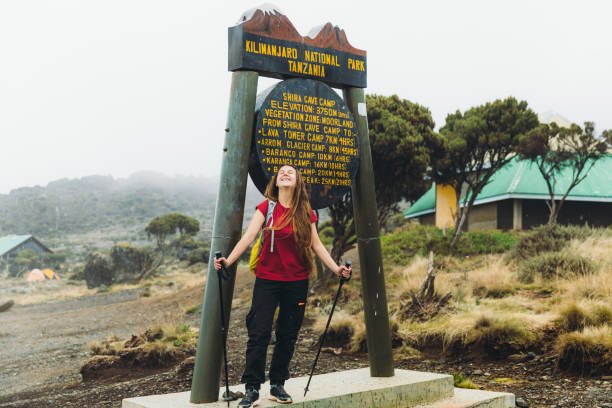
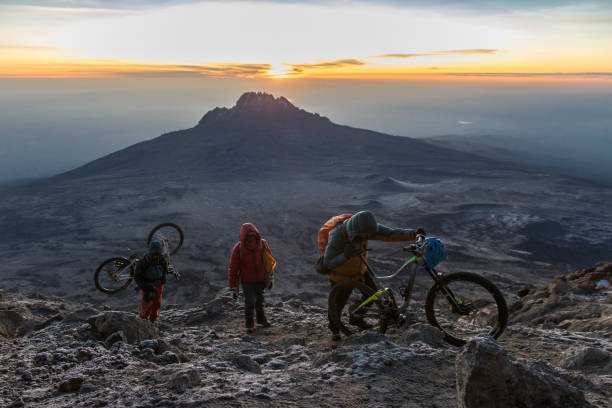
Kilimanjaro Group Joining Climbs 2026-2027 are scheduled trekking departures where individual travellers, couples or small parties join other climbers following the same Kilimanjaro route and departure date.
They are one of the most practical ways to climb Kilimanjaro for travellers who want a professionally supported expedition without paying the full cost of a private climb.
Popular group joining routes include Machame and Lemosho, while selected Marangu departures may also be available depending on confirmed bookings.
Each group follows a fixed itinerary, allowing the operator to organize guides, porters, cooks, park fees, transfers, food and mountain equipment for several participants together.
Kilimanjaro Group Joining Climbs at a Glance
- Travel style: Scheduled shared Kilimanjaro departure
- Suitable for: Solo travellers, couples and small groups
- Popular routes: Machame and Lemosho
- Typical duration: 6 to 8 trekking days
- Accommodation: Mountain camping or huts depending on route
- Starting point: Usually Moshi
- Main advantage: Shared expedition costs
- Departure style: Fixed dates with confirmed participants
What Is a Kilimanjaro Group Joining Climb?
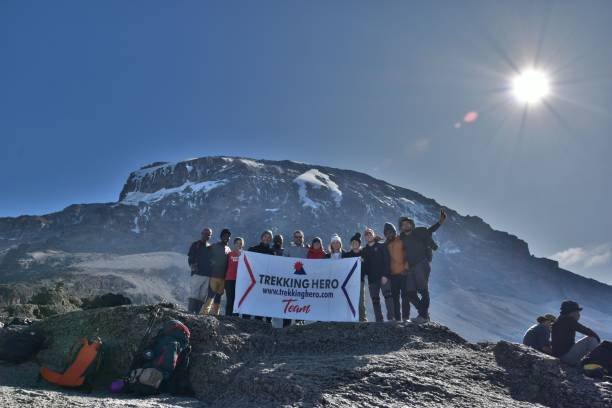
A group joining climb is a Kilimanjaro expedition where travellers who did not originally book together share the same trekking departure.
For example, a solo traveller from France may climb alongside two travellers from the United Kingdom, another couple from Spain and another solo traveller from Australia.
Everyone follows the same route and daily mountain itinerary under one organized climbing team.
The group shares certain logistics, but each traveller still receives the essential mountain support required for the expedition.
Why Join a Kilimanjaro Group?
The main reason travellers choose group joining Kilimanjaro climbs is value.
A private climb requires transport, guides, cooks, porters and other services to be organized specifically for one booking party.
On a group departure, several of these operational costs can be shared among multiple climbers.
This can create a lower per person package price while maintaining the same park fees, mountain crew and general expedition structure.
Why Group Joining Works Well
- Lower cost than many private climbs
- Ideal for solo travellers
- Opportunity to meet international climbers
- Fixed route and departure schedule
- Professional mountain crew
- Shared transport and expedition logistics
- Can include hotel and airport transfers
- Safari or Zanzibar can be added after the climb
Who Should Choose a Group Joining Kilimanjaro Climb?
Group departures are particularly suitable for travellers who are flexible with their climbing date and comfortable trekking with people they have not met before.
They work especially well for solo travellers who want to avoid the higher price of a private expedition.
Couples can also join a scheduled group while sharing their own mountain tent where arrangements allow.
Small groups of friends can join larger departures if enough spaces remain available.
Group Joining Kilimanjaro for Solo Travellers
Solo travellers are one of the main groups that benefit from scheduled Kilimanjaro departures.
A private climb for one person can be expensive because many fixed costs must be covered by a single traveller.
By joining other climbers, those costs can be distributed across the group.
Group climbing can also make the social side of Kilimanjaro more enjoyable, especially during meals, rest periods and long trekking days.
Group Joining Kilimanjaro for Couples
Couples do not need to book a private expedition to climb together.
They can join an existing scheduled departure and remain part of the same group throughout the mountain itinerary.
Hotel room and tent arrangements should be confirmed before booking so the couple understands whether accommodation is shared privately between the two travellers.
6 Day Machame Group Joining Climb
The 6 Day Machame Route is one of the most common choices for Kilimanjaro group departures.
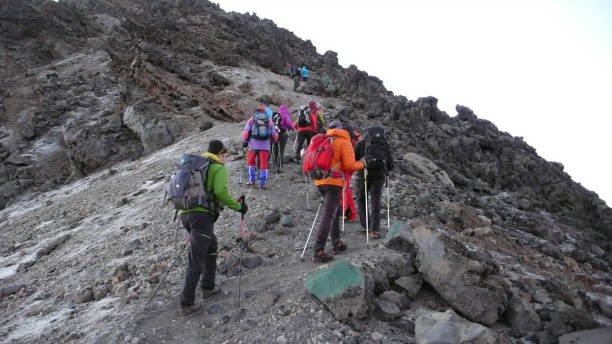
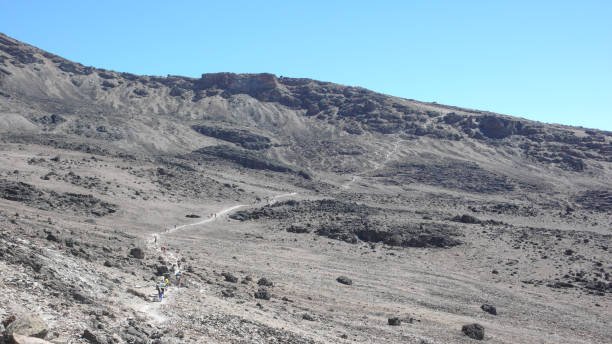
The route begins at Machame Gate and travels through rainforest before reaching higher moorland and alpine environments.
The itinerary normally continues through Shira, Barranco, Karanga and Barafu before the summit attempt.
After reaching the summit area, the group descends toward Mweka and eventually exits through Mweka Gate.
The shorter six day schedule can produce a lower package price than longer routes, although climbers should understand that the itinerary provides less acclimatization time than a seven or eight day climb.
7 Day Machame Group Joining Climb
A 7 Day Machame group climb provides an additional mountain day compared with the shorter six day itinerary.
This can produce a more gradual schedule and more acclimatization time before summit night.
For travellers who want to join a group but still prioritize a longer altitude adaptation period, seven day Machame can be a strong option.
Typical 7 Day Machame Route
- Day 1: Machame Gate to Machame Camp
- Day 2: Machame Camp to Shira Camp
- Day 3: Shira to Lava Tower and Barranco
- Day 4: Barranco to Karanga
- Day 5: Karanga to Barafu
- Day 6: Summit attempt and descent to Mweka
- Day 7: Mweka Camp to Mweka Gate
7 Day Lemosho Group Joining Climb
The 7 Day Lemosho Route is another popular group joining option.
Lemosho approaches Kilimanjaro from the west and crosses scenic mountain environments before joining the southern circuit toward Barranco.
The route is popular with climbers who want a varied landscape and a longer itinerary than the shortest Machame or Marangu options.
Seven day Lemosho groups can be particularly suitable for travellers balancing total trip length with acclimatization time.
8 Day Lemosho Group Joining Climb
An 8 Day Lemosho group joining climb provides one of the most gradual mainstream Kilimanjaro itineraries.
The longer schedule creates additional mountain time before summit night.
For travellers who have never previously trekked above 4,000 metres, this can be particularly attractive.
The package generally costs more than six or seven day departures because another full day of park access, crew support and food is required.
Why Join an 8 Day Lemosho Group?
- Longer acclimatization schedule
- Scenic western approach
- Varied Kilimanjaro landscapes
- Suitable for first time high altitude trekkers
- Shared expedition costs
- International group atmosphere
Marangu Group Joining Climbs
Selected Marangu Route departures can also operate as group joining climbs when enough travellers are booked on matching dates.
Marangu differs from Machame and Lemosho because climbers sleep in mountain huts rather than camping tents.
Five and six day itineraries are possible.
A six day option provides more acclimatization time and should be considered by travellers who are not restricted to the shortest possible schedule.
How Much Does a Kilimanjaro Group Joining Climb Cost?
Group joining prices vary according to route, number of days, departure size and included services.
As a practical planning guide, a six day Machame group departure can commonly fall around US$1,450-US$1,600+ per person, while a seven day Machame can be around US$1,600-US$1,750+ per person.
Seven day Lemosho departures can commonly fall around US$1,700-US$1,850+ per person, while eight day Lemosho departures may begin around US$1,800 and increase depending on the package.
These are planning ranges rather than universal prices, and travellers should always request the confirmed departure quotation.
Example Group Joining Price Ranges
6 Day Machame: approximately US$1,450-US$1,600+ per person
7 Day Machame: approximately US$1,600-US$1,750+ per person
7 Day Lemosho: approximately US$1,700-US$1,850+ per person
8 Day Lemosho: approximately US$1,800-US$2,000+ per person
Why Are Group Joining Climbs Cheaper?
Certain Kilimanjaro costs do not increase proportionally for every additional climber.
Vehicle transfers, parts of the guide structure and some expedition logistics can be shared across several travellers.
This allows the operator to distribute some fixed costs over the group rather than charging them to one private booking.
Government park charges and many other expenses still apply individually, which is why a group departure is cheaper but cannot become extremely inexpensive.
What Is Included in a Kilimanjaro Group Joining Package?
Typical Group Climb Inclusions
- Kilimanjaro National Park fees according to itinerary
- Camping or hut accommodation charges
- Licensed mountain guides
- Assistant guides according to group size
- Professional mountain cook
- Porters
- Three meals per day during the climb
- Drinking water during the trek
- Mountain tents on camping routes
- Dining tent, tables and chairs according to package
- Emergency oxygen
- Pulse oximeter
- First aid equipment
- Transfers to and from the mountain gates
- Summit certificate
Hotel Accommodation Before the Group Climb
Many complete Kilimanjaro group joining packages include a hotel night before the climb.
This gives travellers time to recover from the flight, meet the expedition team, attend the climbing briefing and check their equipment.
Travellers arriving earlier than the included date can add additional hotel nights when required.
Hotel Accommodation After the Climb
A hotel night after the mountain is also commonly included in complete packages.
After several days of trekking and the long summit descent, climbers can shower, rest and reorganize their luggage.
The following day can then be used for airport departure, safari or another Tanzania extension.
Airport Pickup for Group Climbers
Airport transfers can be included depending on the selected package.
Travellers arriving at different times do not necessarily need to share the same international flight.
Individual airport pickup arrangements can be coordinated with the hotel and group departure schedule.
How Many Climbers Are in a Kilimanjaro Group?
The number of climbers varies from one departure to another.
Some scheduled groups may begin with only two or three confirmed participants and later grow as more travellers join.
Travellers who prefer smaller groups should ask about the current confirmed number of climbers and the intended maximum group size before booking.
Can a Group Climb Operate With Only a Few People?
Yes, depending on the operator's policy.
Some scheduled departures operate even when only a small number of climbers are confirmed.
Travellers should confirm whether their departure is guaranteed or depends on reaching a minimum number of participants.
Can You Have a Private Tent on a Group Climb?
Yes, depending on the package and available equipment.
Solo travellers may request an individual mountain tent rather than sharing with another group member.
Any single tent supplement or specific arrangement should be confirmed before booking.
Couples normally share a tent together unless another arrangement has been requested.
Can You Have a Single Hotel Room?
Solo travellers can request a single hotel room before and after the climb.
Some package prices may already include single accommodation while others may apply a supplement.
This should be clarified when requesting the final quotation.
Meals During a Group Joining Climb
The mountain cook prepares meals for the group throughout the trek.
Breakfast can include porridge, eggs, pancakes, fruit and hot drinks.
Lunch and dinner can include soup, rice, pasta, potatoes, vegetables, meat dishes and other practical mountain food.
Menus vary according to the day and available ingredients.
Vegetarian and Special Diets
Joining a group does not mean every climber must eat exactly the same food.
Vegetarian meals and other suitable dietary requests can normally be arranged when communicated in advance.
Travellers with food allergies should explain them clearly before the climb so the mountain kitchen team can prepare appropriately.
Drinking Water
Drinking water is provided during a professionally supported group climb according to the route and camp arrangements.
Climbers carry the water needed during each trekking day in reusable bottles or hydration systems.
The mountain team prepares additional water as required at suitable camps.
Mountain Safety on Group Climbs
Group joining climbs should receive the same attention to altitude safety as private expeditions.
Professional guides monitor each traveller rather than assuming that everyone in the group responds to altitude in the same way.
Daily health discussions and pulse oximeter readings can be used together with physical symptoms to evaluate how climbers are adapting.
Group Climb Safety Support
- Professional mountain guides
- Assistant guides according to group size
- Daily health monitoring
- Pulse oximeter checks
- Emergency oxygen
- First aid equipment
- Emergency descent when medically required
What Happens if One Group Member Becomes Sick?
Altitude affects individuals differently, and the health of one climber should not be judged only by how the rest of the group feels.
If a participant needs to descend for safety reasons, the guiding team evaluates the situation and organizes the appropriate response.
Having assistant guides is important because it can help the climbing team manage both the affected traveller and the remaining group safely.
Summit Night on a Group Climb
The group normally begins the summit attempt during the night.
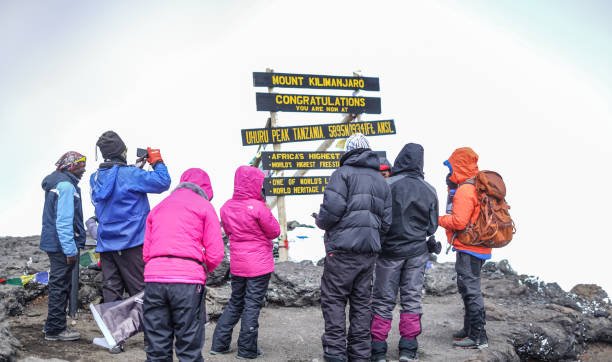
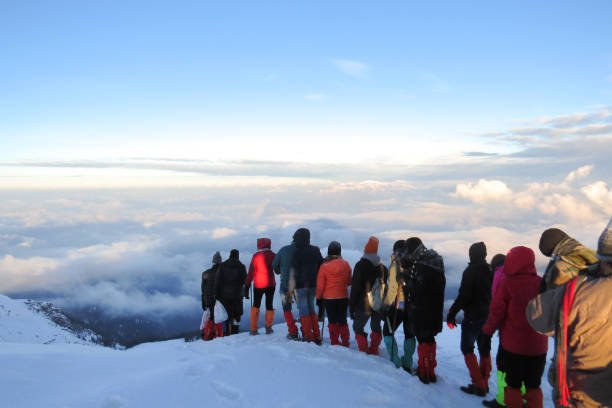
Climbers move slowly toward the crater rim and then continue toward Uhuru Peak when conditions and individual health allow.
Even though everyone starts as one group, climbing pace can naturally separate participants during the summit attempt.
Guides and summit support staff help manage different walking speeds where possible.
Do I Need to Be as Fast as Everyone Else?
No. Kilimanjaro is not a race.
Climbers naturally have different walking speeds, especially as altitude increases.
The goal is to maintain a sustainable pace and follow guide instructions rather than trying to compete with stronger members of the group.
Fitness Required for a Group Climb
You do not need to be an elite athlete to join a Kilimanjaro group.
However, good cardiovascular fitness, leg endurance and experience walking for several hours are highly useful.
Training should begin well before departure and include hiking, stairs, hills or other activities that prepare the body for consecutive trekking days.
Kilimanjaro Group Joining Packing List
- Waterproof trekking boots
- Warm insulated summit jacket
- Waterproof jacket and trousers
- Thermal base layers
- Fleece or insulated mid layer
- Warm gloves
- Warm hat
- Sun hat
- Trekking trousers
- Trekking socks
- Sleeping bag
- Headlamp
- Trekking poles
- Sunglasses
- Sunscreen
- Reusable water bottles
- Personal medication
- Power bank
- Daypack
- Duffel bag
Gear Rental for Group Climbers
Travellers do not need to own every piece of Kilimanjaro equipment before joining a group.
Selected equipment can be rented in Moshi subject to availability.
Common rental items include sleeping bags, trekking poles, gaiters and duffel bags.
Climbers should still arrive with their essential personal clothing and properly fitted trekking boots.
Porter Luggage Allowance
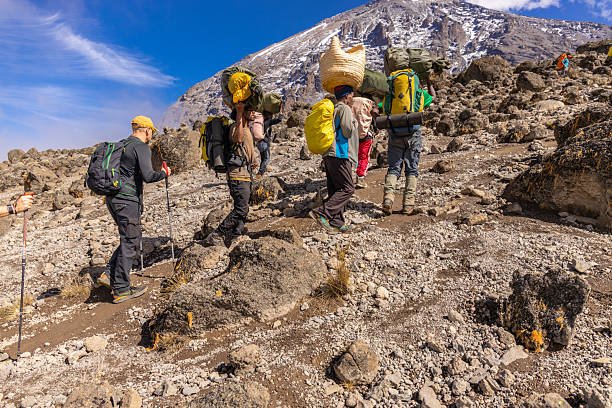
Your main mountain duffel is carried by the porter team while you carry a smaller daypack.
A porter luggage allowance of around 15 kg should be respected so the mountain crew is not overloaded.
Items not required during the trek can usually remain stored at the hotel.
Portable Toilet on a Group Climb
A private portable toilet may be included in some group packages or offered as an optional extra.
If not included, it can be added to selected climbs for an additional charge.
Travellers interested in this service should confirm whether the toilet is for the entire group or arranged specifically for their booking.
How Much Should You Tip on a Group Climb?
Crew gratuities are normally separate from the package price.
The total crew size depends partly on the number of climbers in the group.
For a seven day climb, approximately US$350-US$450 per traveller can be used as a general planning range.
The actual distribution should follow the operator's tipping procedure and the final crew structure.
Can Friends Join an Existing Group Later?
Yes, when spaces remain available.
If one traveller has already confirmed a group departure, friends can potentially join the same climb later as long as booking capacity remains.
It is better to confirm early if several travellers want to be guaranteed places on the same departure.
Can You Join a Group at the Last Minute?
Last minute joining can sometimes be possible, but it depends on availability, permits, hotel arrangements, transport and mountain logistics.
Earlier booking is recommended, especially during popular climbing periods.
Booking in advance also gives travellers more time to organize flights, insurance, equipment and training.
What Happens if the Group Departure Changes?
Travellers should ask whether the chosen departure date is guaranteed and what happens if other participants change their schedule.
Clear booking terms are particularly important for group joining climbs because international flights may already be booked around a specific mountain date.
The final confirmation should clearly identify the route, start date and number of trekking days.
Group Joining vs Private Kilimanjaro Climb
The main difference is flexibility.
A private climb can usually be arranged around your preferred start date and provides your booking party with its own trekking arrangement.
A group joining climb uses an existing departure date and route that all participants follow.
Group departures are usually more economical, while private trips offer greater scheduling flexibility.
Choose Group Joining If You Prefer
- Lower per person cost
- Meeting other international climbers
- A confirmed scheduled departure
- Sharing expedition logistics
Choose Private If You Prefer
- Your own departure date
- Your own booking party
- Greater logistical flexibility
- A more personalized trekking arrangement
Can You Add a Safari After a Group Climb?
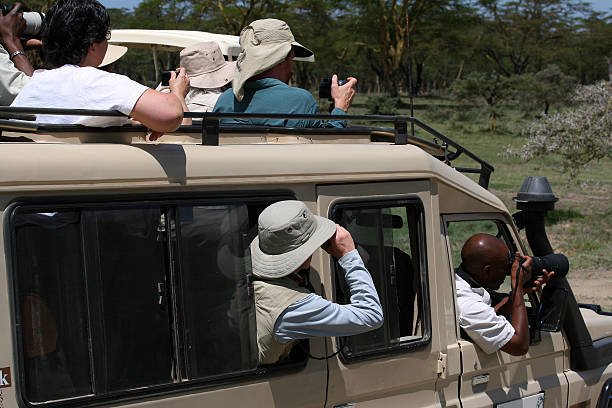
Yes. The Kilimanjaro portion can be group joining while the safari is either private or group joining.
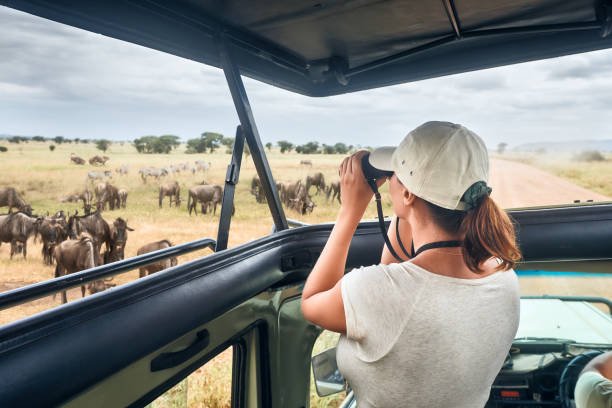
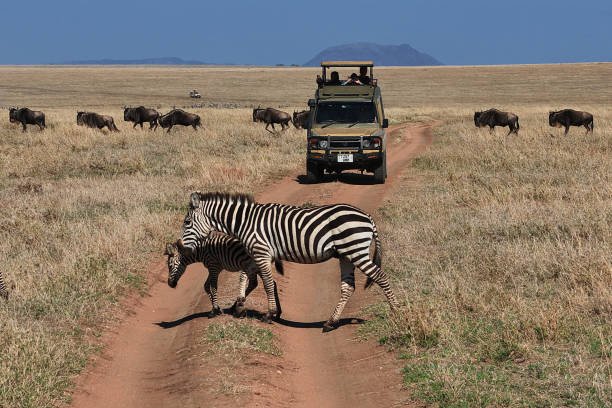
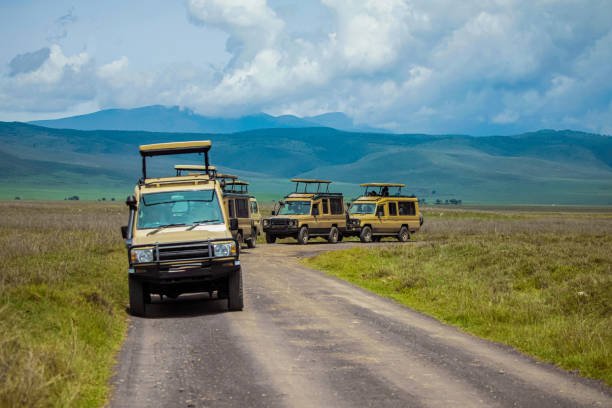
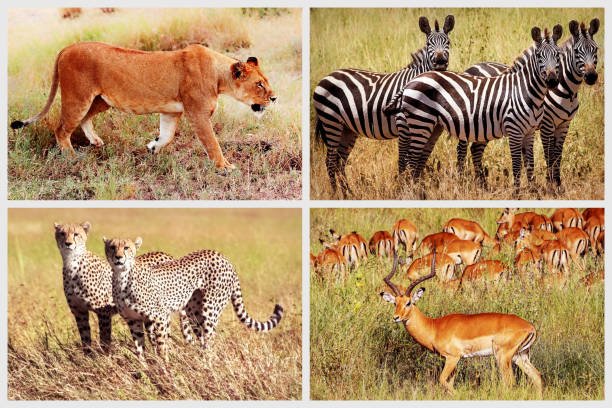
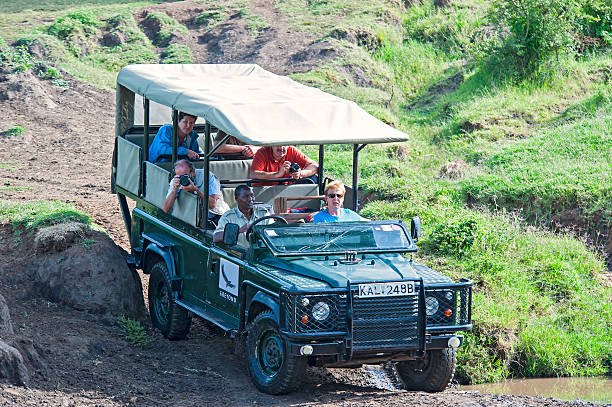
After returning from the mountain, travellers can spend a recovery night in Moshi and then begin a safari to Tarangire, Ngorongoro, Lake Manyara or Serengeti.
The safari itinerary does not need to match the plans of the other climbers.
Can You Go to Zanzibar After a Group Climb?
Yes. Zanzibar can be added after Kilimanjaro or after a safari extension.
Domestic flights can connect northern Tanzania with Zanzibar depending on the final itinerary.
This allows travellers to share the mountain expedition while independently continuing their Tanzania holiday afterwards.
Best Time for Kilimanjaro Group Joining Climbs 2026-2027
Group departures can operate throughout suitable climbing periods, but the largest choice of confirmed dates is normally available during popular travel months.
Travellers whose priority is joining a group rather than climbing privately should remain flexible by several days where possible.
This can make it easier to match an existing departure and avoid paying private expedition rates.
How Early Should You Book?
Booking several months in advance is useful for popular dates.
This gives enough time to reserve hotel accommodation, organize airport transfers, train for the mountain and purchase suitable flights.
Travellers booking closer to departure can still ask about existing groups because spaces occasionally remain available.
How to Choose the Right Group Departure
Start with route duration rather than price.
Decide whether you prefer six, seven or eight days on the mountain and then identify confirmed departures within your travel window.
Check current group size, hotel arrangements, airport transfers, tent arrangement, safety equipment and package inclusions.
Once these details match your requirements, compare the final per person price.
Questions to Ask Before Joining a Kilimanjaro Group
- What is the confirmed departure date?
- Which Kilimanjaro route is being used?
- How many trekking days are included?
- How many climbers are already confirmed?
- What is the planned maximum group size?
- Are hotel nights included?
- Are airport transfers included?
- Can I have a private tent?
- Can I have a single hotel room?
- Are all park fees included?
- Is emergency oxygen carried?
- What equipment can I rent?
- How are crew tips handled?
- What deposit is required?
Frequently Asked Questions About Kilimanjaro Group Joining Climbs
What is a Kilimanjaro group joining climb?
It is a scheduled Kilimanjaro departure where travellers from different bookings climb together on the same route and itinerary.
Are group climbs cheaper than private climbs?
They are often cheaper per person because several operational and transport costs can be shared among the participants.
Can solo travellers join?
Yes. Solo travellers are among the most common participants in Kilimanjaro group joining departures.
Can couples join?
Yes. Couples can join a scheduled group and normally share their tent and hotel room according to the confirmed package.
Which Kilimanjaro route is best for group joining?
Machame and Lemosho are among the most common choices because many travellers request these routes and scheduled departures are easier to organize.
Can I join a 6 Day Machame climb?
Yes, when a scheduled six day Machame departure matches your travel dates and has available space.
Can I join a 7 Day Machame climb?
Yes. Seven day Machame is a popular group joining option for travellers wanting more acclimatization time.
Can I join a Lemosho group?
Yes. Seven and eight day Lemosho departures can operate as scheduled group climbs when suitable dates are available.
Can I join Marangu?
Yes, when there is a suitable scheduled departure with available space.
How big are Kilimanjaro groups?
Group size varies by departure. Ask for the number of currently confirmed climbers and the planned maximum before booking.
Can I have my own tent?
A private tent can often be arranged for solo travellers depending on the package and available equipment.
Can I have a single hotel room?
Yes. Single accommodation can usually be arranged, although a supplement may apply depending on the package.
Are park fees included?
A complete group joining quotation should clearly state whether all required Kilimanjaro park fees are included.
Are guides and porters included?
Yes. Professional guides, assistant guides, cooks and porters should form part of a fully supported Kilimanjaro group climb.
Are meals included?
Mountain breakfast, lunch and dinner are normally included during the trekking itinerary.
Can vegetarian meals be arranged?
Yes. Dietary requirements should be communicated before the mountain departure.
Is drinking water included?
Yes. Drinking water is normally supplied during the mountain itinerary.
Is emergency oxygen carried?
Professionally organized Kilimanjaro group climbs can carry emergency oxygen together with first aid equipment and pulse oximeters.
What if I walk slower than the group?
Climbers naturally move at different speeds. The guiding team manages pace and group movement according to the mountain conditions and individual abilities.
What if someone becomes sick?
The guide evaluates the climber individually and can organize descent or other appropriate action when required without treating the entire group as having the same condition.
Are tips included?
Crew gratuities are normally separate from the Kilimanjaro group joining package price.
Can I rent trekking equipment?
Yes. Selected equipment such as sleeping bags, trekking poles, gaiters and duffel bags can normally be rented subject to availability.
Can I join at the last minute?
Sometimes, but space, hotel availability and mountain logistics must be confirmed first.
Can I add a safari afterwards?
Yes. A private or group joining safari can be arranged after the Kilimanjaro climb.
Can I add Zanzibar afterwards?
Yes. Zanzibar can be added after Kilimanjaro or after a safari extension.
How do I join a Kilimanjaro group in 2026-2027?
Provide your available climbing dates, preferred route, number of trekking days and number of travellers. You can then compare existing confirmed departures and select the group that best matches your travel schedule.
Join a Kilimanjaro Group Climb in 2026-2027
Share your travel dates and preferred Kilimanjaro route to check suitable Machame, Lemosho or Marangu group departures and find a climb that matches your schedule, budget and preferred number of trekking days.
Check Group Climb Availability

 Serengeti Safari