Moshi Local Market Walking Tour
The Moshi Local Market Walking Tour provides travellers with an opportunity to experience everyday town life, food culture and local commerce in Moshi.
Walking through selected market areas with a knowledgeable local guide allows visitors to discover fresh produce, spices, grains, household products and small businesses that form part of daily life in northern Tanzania.
The experience can also introduce travellers to the relationship between Moshi's markets and the surrounding agricultural communities of the Kilimanjaro region.
Local farms supply many of the fruits, vegetables, bananas, coffee products and other ingredients sold within town markets.
This makes the walking tour suitable for travellers interested in culture, food, photography, community life and a more local perspective of Moshi beyond hotels and major tourism attractions.
Moshi Local Market Walking Tour at a Glance
- Location: Moshi, Kilimanjaro Region, Tanzania.
- Main activity: Guided local market and town walking experience.
- Cultural focus: Local trade, food, community life and everyday Moshi.
- Possible highlights: Fresh produce, spices, grains, local foods and small businesses.
- Tour style: Culture, food, walking and community.
- Duration: Short walking tour, half day or combined cultural program.
- Starting point: Moshi hotel or another agreed meeting point.
- Suitable for: Solo travellers, couples, families and groups.
Why Choose a Moshi Local Market Walking Tour?
Moshi is widely known as a gateway to Mount Kilimanjaro, but the town also has a lively everyday culture shaped by residents, traders, farmers and small businesses.
A guided market walk provides an opportunity to experience this local side of Moshi at street level.
Instead of only visiting major tourism sites, travellers can observe how people shop, trade and interact within a busy town environment.
The tour can also help visitors understand where local food comes from and how produce from the surrounding Kilimanjaro countryside reaches consumers in town.
Tour Highlights
- Guided walking experience in Moshi
- Local market atmosphere
- Fresh fruits and vegetables
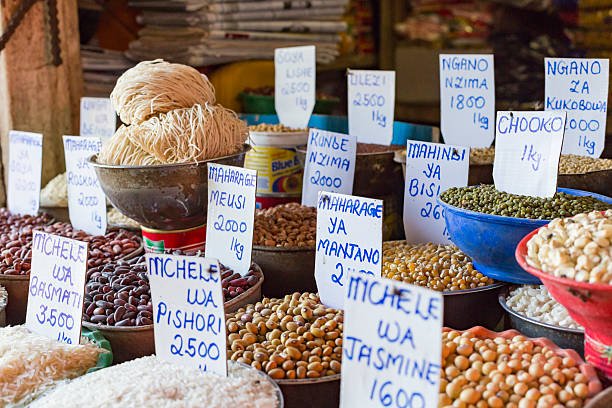
- Spices and dried ingredients
- Grains and household food products
- Traditional cooking ingredients
- Local shops and street life
- Community trading culture
- Food and agricultural explanations
- Photography opportunities where appropriate
- Optional local food tasting
- Easy combination with other Moshi activities
Walking Through Moshi Market Areas
The walking tour can begin from an agreed meeting point in Moshi before continuing toward selected market areas.
A local guide leads the experience and explains the different sections of the market while helping visitors move comfortably through busy areas.
Markets can be lively, crowded and constantly changing throughout the day.
This creates an authentic atmosphere and gives visitors a direct view of normal commercial life in Moshi.
Fresh Fruit and Vegetable Sections
Fresh produce can be one of the most colourful parts of the market experience.
Visitors may see bananas, avocados, tomatoes, onions, leafy vegetables, tropical fruits and other produce depending on season and availability.
A guide can explain where selected products come from and how they are commonly used within local households.
The exact selection changes according to agricultural seasons and daily supply.
Fresh Produce You May Encounter
- Bananas
- Avocados
- Tomatoes
- Onions
- Leafy vegetables
- Seasonal fruits
- Root vegetables
- Herbs and other fresh ingredients
Spices and Dried Ingredients
Selected areas of the market may include spices, dried ingredients and cooking products used within local households.
A local guide can help identify unfamiliar products and explain how they may be used within food preparation.
The exact range depends on the market area visited and current trader stock.
Travellers interested in cooking and local food can find this part of the walking tour particularly informative.
Grains, Beans and Household Foods
Markets also provide an opportunity to see staple foods used within everyday cooking.
Visitors may encounter different grains, beans, pulses and other dry goods.
A guide can explain how selected ingredients are prepared and incorporated into common meals.
This provides a broader understanding of local food culture beyond restaurant menus.
From Kilimanjaro Farms to Moshi Markets
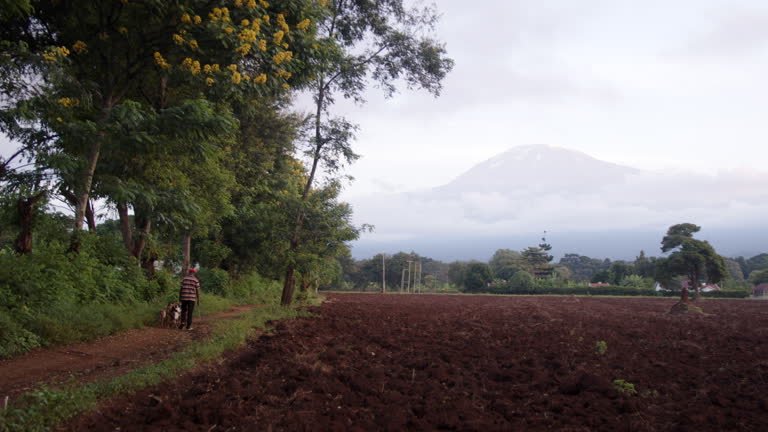
Many products sold in Moshi are connected with the surrounding agricultural landscapes of the Kilimanjaro region.
A guided market walk can help travellers understand how produce moves from village farms into town markets, local kitchens and everyday community life.
Bananas in Moshi Food Culture
Bananas are frequently seen within markets and farming areas around Kilimanjaro.
A guide can explain how different banana uses connect with local food traditions and household cooking.
Visitors interested in agriculture can later combine the market walk with a banana farm experience in a nearby Chagga community.
Coffee and Kilimanjaro Agriculture
Coffee is another important agricultural product associated with communities around Mount Kilimanjaro.
The market walking tour can provide an introduction to the wider food and agricultural economy before visitors continue to a dedicated coffee farm experience.
A coffee extension can include cultivation, traditional processing, roasting, grinding and brewing according to the selected program.
Local Food Ingredients
One of the advantages of a guided market experience is learning how unfamiliar ingredients are used.
A local guide can explain selected vegetables, grains, fruits, spices and other products while discussing common preparation methods.
This provides useful context for travellers who later enjoy local meals during their time in Tanzania.
Food Culture Topics May Include
- Fresh produce
- Traditional ingredients
- Grains and beans
- Cooking spices
- Banana based foods
- Seasonal fruits
- Household shopping practices
- Farm to market connections
Local Traders and Small Businesses
The market is also a working environment for traders and small businesses.
Visitors can observe how goods are displayed, purchased and moved through the market.
A guide can explain selected aspects of local trading culture while ensuring that visitors respect the people who are working.
Interaction should remain polite and should not interfere with normal business activities.
Understanding Everyday Life in Moshi
The walking tour extends beyond products and market stalls.
It can provide an introduction to how local residents shop, move through town and interact with businesses.
Travellers can observe the rhythm of everyday life while gaining a better understanding of Moshi as a living town rather than simply a base for Kilimanjaro climbing.
Moshi Street Walking Experience
The tour can also include selected streets surrounding the market area.
Visitors may pass small shops, local businesses, food sellers and transport areas depending on the chosen walking route.
A guide can explain the town layout and point out useful locations for travellers staying in Moshi.
The route can be adapted according to available time and visitor interests.
Experience Everyday Moshi on Foot
Walking through the local market and surrounding streets provides a different perspective from travelling through Moshi only by vehicle.
The experience connects visitors with food, local trade, community routines and the agricultural region surrounding Mount Kilimanjaro.
Optional Local Food Tasting
Selected food tasting can be included according to the confirmed program and availability.
A local guide can help travellers understand what is being served and how it fits within local food culture.
Food allergies and dietary restrictions should always be communicated in advance.
Travellers should only eat from locations selected as appropriate for the arranged experience.
Shopping During the Market Tour
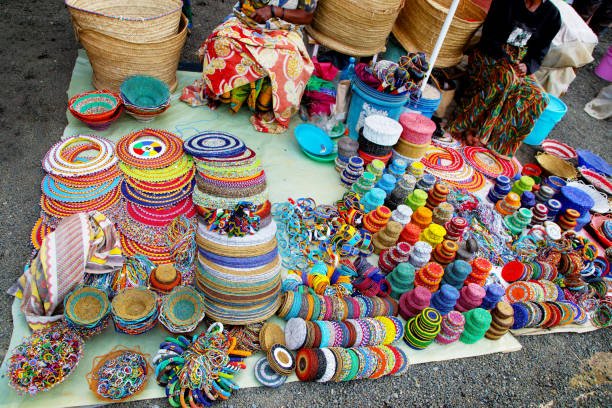
Visitors may choose to purchase fruit, spices, small food products or other items during the experience.
Purchases are normally personal expenses unless specifically included in the package.
The guide can assist with communication and help explain normal market practices where needed.
Travellers should avoid purchasing restricted products or items that may create problems with onward travel or customs regulations.
Understanding Bargaining Culture
Pricing practices can differ between shops, stalls and products.
A guide can explain when a price is normally fixed and when polite negotiation may be appropriate.
The aim should be respectful interaction rather than aggressive bargaining.
Visitors should remember that markets are workplaces and sources of livelihood for local traders.
Photography in Moshi Market
Markets can provide colourful photography opportunities, but visitors should remain respectful.
Permission should be requested before taking close photographs of traders or other individuals.
Some people may prefer not to be photographed, and their preference should always be respected.
A local guide can help identify appropriate moments and locations for photography.
Market Photography Guidelines
- Ask before photographing people.
- Avoid blocking stalls or pathways.
- Respect people who decline photographs.
- Avoid photographing sensitive situations.
- Follow your guide's advice.
- Keep valuables secure in crowded areas.
Sample Moshi Local Market Walking Tour Itinerary
STOP
01
START
Meet Your Local Guide in Moshi
Meet your guide at the agreed hotel, central location or meeting point.
Receive a short introduction to Moshi, the walking route and appropriate market etiquette.
Begin walking toward the selected market area.
STOP
02
FRESH MARKET
Explore Fruits and Vegetables
Walk through selected fresh produce areas with your guide.
See seasonal fruits, vegetables and other farm products while learning about their local uses.
Discover the connection between Moshi markets and surrounding agricultural communities.
STOP
03
FOOD CULTURE
Spices, Grains and Local Ingredients
Continue through selected stalls selling grains, spices, dry goods and cooking ingredients.
Learn how different products are used within everyday meals and household cooking.
Ask your guide about unfamiliar ingredients and food traditions.
STOP
04
LOCAL LIFE
Small Shops and Moshi Street Life
Continue through selected surrounding streets and small business areas.
Learn about everyday shopping, local trade and the rhythm of town life.
Your guide can also point out useful locations and explain aspects of modern Moshi community life.
STOP
05
FINISH
Optional Tasting and Return
Where included, finish with a selected local food or drink experience.
Ask final questions about Moshi, local food and market culture.
Return to your hotel, continue exploring independently or transfer to another agreed activity.
Short Moshi Market Walking Tour
A shorter program can focus on the main market sections and nearby streets.
This option can suit travellers with limited free time before a flight, trekking briefing or another scheduled activity.
The route can focus on food, local produce and everyday town life.
Half Day Moshi Market and Culture Tour
A half day program allows more time for market exploration and local cultural explanations.
Visitors can explore several market sections, surrounding streets and selected local businesses.
A food tasting or additional cultural stop can also be included according to the confirmed itinerary.
Moshi Market and Coffee Experience
The market tour can be combined with a traditional Kilimanjaro coffee experience.
After exploring food products and local trade in Moshi, visitors can continue to a coffee growing area outside town.
The coffee experience can include cultivation, processing, roasting, grinding and brewing according to the selected program.
Moshi Market and Banana Farm Experience
A banana farm visit can also be added for travellers interested in the agricultural source of some products seen within the market.
Visitors can walk through selected banana plantations and learn about cultivation, harvesting and local food uses.
This creates a direct farm to market cultural experience.
Moshi Market and Chagga Village Tour
The market tour can be combined with a Chagga village experience around Mount Kilimanjaro.
This allows visitors to compare everyday town commerce with farming and village life outside Moshi.
The combination can include coffee, bananas, local food and other selected cultural activities.
Moshi Market and Materuni Tour
Travellers with more time can combine the market walking experience with selected Materuni activities.
This creates a broader day combining urban life with Kilimanjaro countryside and cultural experiences.
The final itinerary should allow realistic travel and activity times.
Before Climbing Kilimanjaro
The market tour can be arranged before beginning a Mount Kilimanjaro trek.
It can provide a relaxed introduction to Moshi and local culture before entering the mountain environment.
The experience should be scheduled around equipment checks, trekking briefing and sufficient rest.
After Climbing Kilimanjaro
The walking tour can also be arranged after completing a Kilimanjaro trek.
It provides a relaxed way to explore Moshi before continuing to safari, Zanzibar or another destination.
The walking route can be shortened for travellers who prefer an easier post climb activity.
Professional Local Guide
A knowledgeable local guide helps visitors understand the market and move comfortably through busy public areas.
Guide Responsibilities May Include
- Leading the walking route
- Introducing market sections
- Explaining local food products
- Helping identify unfamiliar ingredients
- Explaining local trading practices
- Helping with communication where appropriate
- Providing cultural context
- Advising on respectful photography and interaction
Walking Difficulty
The market tour is generally an easy town walking activity.
However, market areas can be crowded and visitors may encounter uneven pavements, busy streets or narrow passages.
Comfortable footwear is recommended.
The walking distance can be adapted according to available time and traveller preference.
What to Wear
Lightweight and comfortable clothing is normally suitable for Moshi.
Comfortable closed shoes are recommended for walking through busy market and street areas.
A sun hat can be useful during outdoor sections of the tour.
What to Bring
- Comfortable walking shoes
- Lightweight clothing
- Sun hat
- Sunglasses
- Sunscreen
- Reusable water bottle
- Small secure day bag
- Camera or phone
- Small amount of local currency for personal purchases
- Personal medication
Typical Moshi Local Market Walking Tour Inclusions
- Professional local guide
- Guided market walking experience
- Selected Moshi street walking
- Cultural and food explanations
- Selected tasting where included
- Hotel pickup or transport where specifically included
- Additional cultural activities listed in the confirmed program
Typical Tour Exclusions
- International flights
- Tanzania visa
- Travel insurance
- Accommodation unless specifically included
- Personal shopping
- Food and drinks not listed in the confirmed program
- Additional activities not included in the itinerary
- Tips for the guide
Private Moshi Local Market Walking Tour
The market walking tour can be arranged privately for solo travellers, couples, families and groups.
A private experience provides more flexibility with departure time, walking pace and areas of interest.
The route can focus more heavily on food, photography, shopping or local culture according to traveller preferences.
For Solo Travellers
Solo travellers can explore Moshi with a private local guide rather than walking unfamiliar market areas alone.
The experience can be adapted according to available time and personal interests.
For Couples
Couples can enjoy a relaxed private walk through the market and surrounding streets.
The tour can be combined with coffee, local food or another cultural experience.
For Families
The market experience can provide an educational introduction to food, trade and everyday community life.
The route and duration can be adjusted according to children's ages and comfort.
Parents should keep children close in busy market areas.
Best Time for the Moshi Local Market Walking Tour
The walking tour can be arranged during different periods of the year.
Market activity, produce and crowd levels can vary according to the time of day, season and local trading patterns.
The exact start time can be selected according to the confirmed program and other activities planned during the day.
Responsible Market Tourism
A local market is first and foremost a working environment used by residents and traders.
Visitors should behave respectfully and avoid disrupting normal business.
Responsible Visitor Guidelines
- Follow your local guide's instructions.
- Ask permission before photographing people.
- Do not block stalls or busy walkways.
- Handle products only when invited.
- Respect traders and customers.
- Keep personal valuables secure.
- Use respectful bargaining where appropriate.
- Dispose of waste responsibly.
Why Book the Moshi Local Market Walking Tour?
The Moshi Local Market Walking Tour provides travellers with an opportunity to experience everyday life beyond the major trekking and safari attractions of northern Tanzania.
Visitors can explore fresh produce, spices, grains, local food ingredients, small businesses and busy streets while learning from a knowledgeable local guide.
The tour can be booked independently or combined with coffee farming, Chagga village culture, Materuni, Kilimanjaro trekking and northern Tanzania safari activities.
Frequently Asked Questions
What is the Moshi Local Market Walking Tour?
It is a guided cultural walking experience through selected market and town areas in Moshi, focusing on food, trade and everyday local life.
What will I see in the market?
Visitors may see fresh produce, spices, grains, household foods and other market products depending on the selected route and daily availability.
Will I learn about local food?
Yes. A local guide can explain selected ingredients, common food uses and the connection between markets and local cooking.
Can I taste local food?
Selected tastings can be included according to the confirmed program and availability.
Can I buy products during the tour?
Yes. Visitors can make personal purchases where appropriate, although shopping costs are normally not included in the tour price.
Can the guide help with prices and communication?
A local guide can help explain normal market practices and assist with communication where appropriate.
Can I take photographs?
Photography is possible in appropriate situations, but visitors should ask permission before photographing individuals closely.
Is the market crowded?
Market areas can become busy depending on the time of day and local trading activity.
How difficult is the walking?
The tour is generally easy, although visitors should be comfortable walking through busy streets, uneven pavements and market passages.
How long does the tour take?
The tour can be arranged as a short walk or a half day experience depending on the selected route and additional activities.
Can the tour start from my Moshi hotel?
Hotel pickup or an agreed meeting point in Moshi can be arranged according to the confirmed program.
Is the experience private?
A private walking tour can be arranged for solo travellers, couples, families and groups.
Is the tour suitable for solo travellers?
Yes. Solo travellers can explore Moshi with a local guide and adapt the route to their interests.
Is the market tour suitable for families?
Yes. The experience can be educational for families, although children should remain close to adults in busy sections.
Can I combine the market tour with coffee?
Yes. A traditional coffee farm and preparation experience can be added according to available time.
Can I combine the market tour with a Chagga village?
Yes. A Chagga village and farm experience can be added to create a broader town and countryside cultural itinerary.
Can I do the market tour before climbing Kilimanjaro?
Yes. The experience can provide an introduction to Moshi before beginning a Kilimanjaro trek.
Can I do the tour after Kilimanjaro?
Yes. A relaxed Moshi walking tour can be arranged after completing a Kilimanjaro climb.
Can the market tour be combined with a safari?
Yes. The experience can be included before or after a northern Tanzania safari.
Plan Your Moshi Local Market Walking Tour
Walk through local market areas, discover fresh produce, spices and everyday food ingredients and experience the rhythm of community life in Moshi.
Choose your preferred date, walking duration and additional cultural activities to create a personalised Moshi market experience.
Plan Your Moshi Local Market Walking Tour