Preparing Physically and Mentally Before Climbing Kilimanjaro
Preparing physically and mentally before climbing Kilimanjaro is not about becoming a professional athlete. The goal is to build enough endurance, strength, confidence and resilience to walk steadily for several consecutive days while adapting to unfamiliar terrain, changing temperatures and increasing altitude.
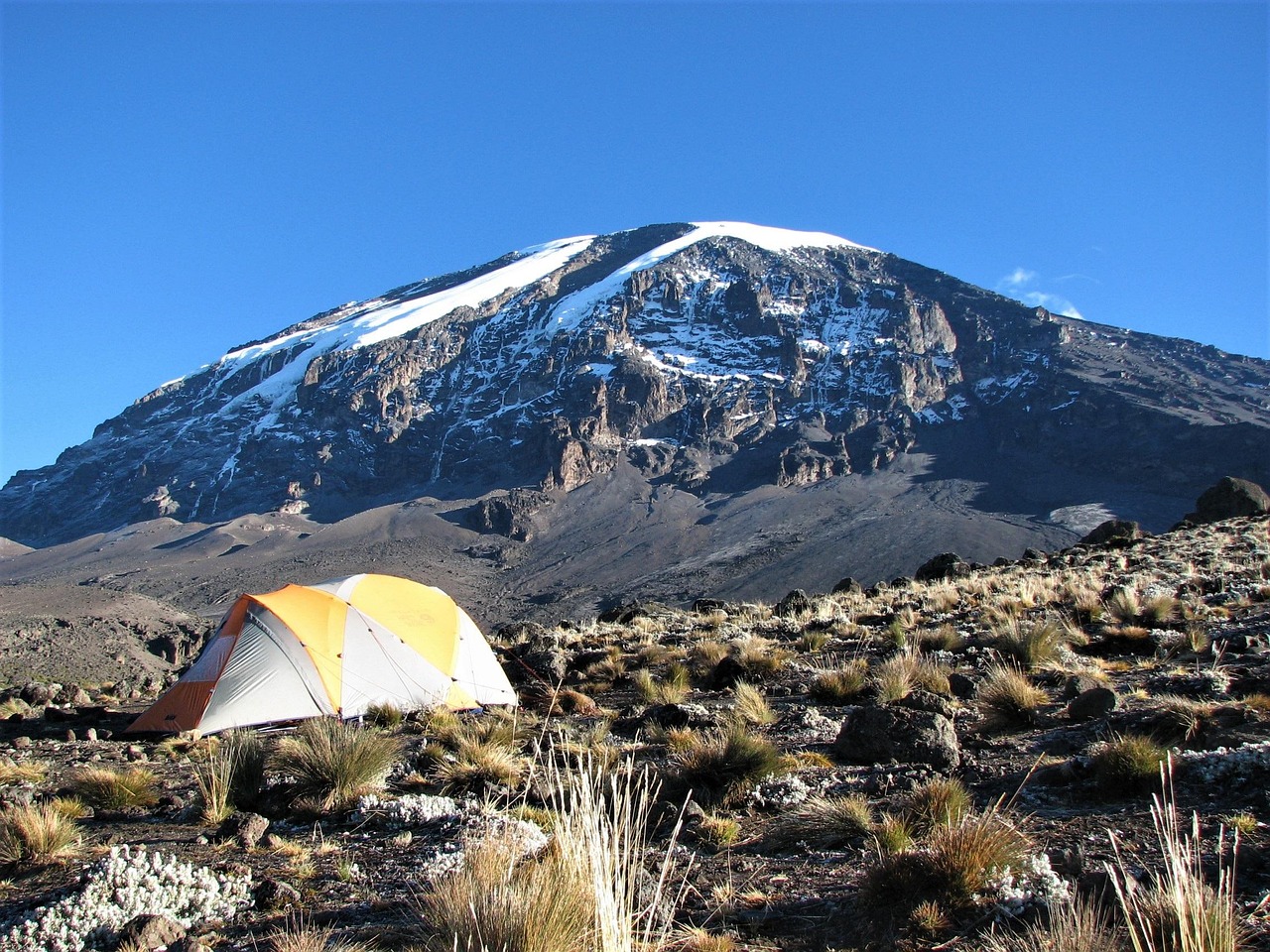
Kilimanjaro’s official trekking routes normally take approximately five to nine days. Climbers move through forest, heath, moorland and alpine desert before reaching the high-altitude summit zone. Most routes involve camping, while the Marangu Route uses mountain huts.
The mountain’s main challenge is the combination of continuous walking and altitude. A climber can be physically strong and still experience altitude-related symptoms because fitness does not determine individual susceptibility. Selecting a well-paced route, ascending gradually and reporting symptoms honestly are therefore just as important as completing training sessions.
A successful preparation plan should help you arrive in Tanzania healthy, well-rested and familiar with your equipment. It should also teach you how to manage difficult moments without ignoring genuine warning signs or placing summit ambitions above personal safety.
Understanding the Kilimanjaro Climbing Experience
Long Trekking Days
Most days involve several hours of slow walking. Summit night is usually the longest and requires sustained concentration, patience and energy.
Changing Conditions
Climbers may experience rain, mud, strong sunshine, wind, cold temperatures, loose volcanic terrain and significant temperature changes.
High Altitude
Uhuru Peak stands at 5,895 metres. The body requires time to adapt as oxygen availability decreases with elevation.
What Physical Preparation Should Achieve
Your physical training should improve your ability to walk uphill and downhill at a steady pace, recover between trekking days and carry a personal daypack without excessive fatigue. It should strengthen your legs, hips, core, back and shoulders while improving balance and stability on uneven ground.
General health recommendations encourage regular aerobic activity together with muscle-strengthening exercise. Kilimanjaro preparation normally requires additional hiking-specific training because the trek involves long days, hills and repeated activity over several days.
What Mental Preparation Should Achieve
Mental preparation should help you manage slow progress, disrupted sleep, temporary discomfort, unpredictable weather and the emotional pressure of summit night. The aim is not to ignore pain or illness. It is to remain calm, communicate clearly and concentrate on the next manageable step.
Route Choice and Acclimatisation
Choose a Route With Enough Time
Kilimanjaro has several official routes with different durations, scenery, accommodation arrangements and acclimatisation profiles. Longer itineraries generally provide more time for the body to adjust than short, rapid ascents.
Routes such as Lemosho and the Northern Circuit are commonly selected by travellers who value a gradual itinerary. Machame and Rongai can also provide suitable programmes when sufficient days are included. Marangu offers hut accommodation, while most other routes use tented camps.
Avoid the “Too High, Too Fast” Approach
High-altitude guidance emphasises gradual ascent and additional acclimatisation time. Above approximately 3,000 metres, increases in sleeping elevation should be carefully controlled, and extra acclimatisation days may be helpful. Your route and daily programme should be planned by an experienced Kilimanjaro operator rather than based only on the shortest available itinerary.
Fitness Does Not Guarantee Acclimatisation
Being fit can make long walking days more manageable, but it does not make a climber immune to altitude illness. A highly trained runner may still experience symptoms, while a slower recreational hiker may acclimatise well. Every climber must follow the guide’s pace and report symptoms honestly.
10-Week Kilimanjaro Physical and Mental Preparation Plan
The following programme is a general framework rather than a medical or personalised fitness prescription. Travellers with limited fitness may require additional preparation time. Increase training gradually, schedule recovery days and stop exercising if you experience concerning pain, dizziness or illness.
WEEK
01
ASSESS AND BEGIN
Establish Your Fitness and Health Baseline
Begin by assessing your current ability honestly. Record how long you can walk comfortably, whether hills cause unusual fatigue and how your knees, hips and feet respond to exercise. The objective is to create a realistic starting point rather than comparing yourself with other climbers.
Complete several easy walks during the week and include one slightly longer session at a relaxed pace. Add gentle bodyweight movements such as controlled squats, step-ups, calf raises and basic core exercises when appropriate for your ability.
Mentally, write down why you want to climb Kilimanjaro. A clear personal reason can provide motivation during training and difficult moments on the mountain.
Week Highlights
- Assess current walking and hiking ability
- Begin easy aerobic exercise
- Introduce basic leg and core movements
- Identify existing discomfort or equipment needs
- Write down your motivation for climbing
Physical Focus
Easy walking, mobility and controlled bodyweight strength.
Mental Focus
Set a realistic goal and begin building consistency.
Recovery
Include rest days and prioritise comfortable, pain-free movement.
WEEK
02
BUILD CONSISTENCY
Develop Your Aerobic Foundation
Increase the consistency of your aerobic exercise without making every session intense. Suitable activities may include brisk walking, hiking, cycling, swimming, low-impact cardio or using a treadmill at a comfortable incline.
Most sessions should remain at a pace where you can speak in complete sentences. This helps build sustainable endurance and reflects the slow, controlled pace commonly used on Kilimanjaro.
Continue basic strength work and pay attention to posture. Avoid increasing training volume so quickly that you become excessively tired or develop persistent soreness.
Week Highlights
- Complete several moderate aerobic sessions
- Practise maintaining a sustainable pace
- Continue leg and core strength exercises
- Include gentle stretching and mobility
- Record progress in a training journal
Physical Focus
Steady aerobic endurance and movement quality.
Mental Focus
Learn to value consistency instead of speed.
Training Time
Use several manageable sessions rather than one exhausting workout.
WEEK
03
STRENGTH AND STABILITY
Strengthen Legs, Core and Upper Body
Introduce more structured strength sessions while maintaining your walking programme. Useful movements may include squats, lunges, step-ups, calf raises, hip-hinge exercises, rows and controlled core exercises.
Strong legs help with climbing, while hip and core stability can improve balance on uneven trails. Upper-body and shoulder strength also helps you carry a daypack and use trekking poles comfortably.
Exercises should be performed with controlled technique. Heavy lifting is not essential, and poor form should never be accepted simply to use more weight.
Week Highlights
- Complete two controlled strength sessions
- Practise step-ups and stable downhill movement
- Strengthen hips, calves and core muscles
- Add balance exercises where appropriate
- Continue relaxed aerobic training
Physical Focus
Leg strength, stability, balance and pack-carrying posture.
Mental Focus
Stay patient and concentrate on correct technique.
Recovery
Leave sufficient recovery between demanding leg sessions.
WEEK
04
HILL TRAINING
Practise Uphill and Downhill Walking
Begin adding more hills, stairs or treadmill incline to your programme. Kilimanjaro training should prepare you for both ascending and descending because downhill walking can place significant demand on the legs.
Use short, controlled steps and maintain a pace you can sustain. Practise with trekking poles when possible so that pole placement becomes natural before the climb.
If you live in a flat area, stairs, step machines, inclined treadmills and repeated walks on smaller hills can provide useful alternatives. The goal is steady movement rather than racing uphill.
Week Highlights
- Add hills or incline to aerobic sessions
- Practise controlled downhill steps
- Begin using trekking poles
- Test socks and hiking footwear
- Continue strength and mobility work
Physical Focus
Hill endurance, descending control and foot stability.
Mental Focus
Practise slowing down before becoming exhausted.
Equipment Focus
Boots, socks, trekking poles and blister prevention.
WEEK
05
LONGER HIKES
Increase Time on Your Feet
Complete a longer weekend walk or hike at a comfortable pace. Duration is more important than speed because Kilimanjaro requires climbers to remain active for many hours.
Wear the boots, socks and clothing layers you plan to use on the mountain. Carry a light daypack containing water, a waterproof layer, snacks and other normal daytime items.
Use the session to practise eating and drinking regularly. Do not wait until you feel completely exhausted, thirsty or hungry before taking care of basic needs.
Week Highlights
- Complete one longer hike or walk
- Carry your planned daypack
- Test clothing layers and waterproof protection
- Practise eating and drinking during activity
- Identify pressure points or equipment problems
Physical Focus
Long-duration walking at a sustainable pace.
Mental Focus
Break a long session into smaller, manageable sections.
Pack Focus
Adjust shoulder straps and hip belt for comfort.
WEEK
06
CONSECUTIVE DAYS
Practise Walking on Tired Legs
Kilimanjaro involves trekking on several consecutive days. Prepare for this by completing a longer walk on one day followed by a shorter, gentle walk the next day.
The second session should not become a competition. Its purpose is to practise moving comfortably while your legs feel slightly tired and to understand how your body responds between sessions.
Continue strength training, but reduce heavy leg work immediately before your back-to-back hiking days. Recovery remains an essential part of progress.
Week Highlights
- Complete walks on two consecutive days
- Practise recovering between sessions
- Maintain a slow and controlled pace
- Continue using boots and trekking poles
- Notice how sleep and nutrition affect performance
Physical Focus
Repeated walking days and muscular endurance.
Mental Focus
Accept mild tiredness without becoming discouraged.
Recovery
Prioritise sleep, regular meals and gentle mobility.
WEEK
07
EQUIPMENT PRACTICE
Test Your Full Trekking System
Use a longer hike to test the main equipment you intend to take to Kilimanjaro. Wear your base layer, hiking trousers, boots, socks, sun protection and waterproof outer layer when weather conditions make this appropriate.
Practise opening your pack, accessing water, adding a jacket and protecting important items from rain. These small tasks can become more difficult when you are cold or tired.
Test your headlamp in darkness in a safe environment. Summit night normally begins before sunrise, so you should understand the controls and know how it feels to walk while using one.
Week Highlights
- Use your intended boots and daypack
- Test clothing layers and rain protection
- Practise using trekking poles with gloves
- Test your headlamp safely
- Organise frequently used items for easy access
Physical Focus
Hiking comfortably while using your complete gear system.
Mental Focus
Reduce uncertainty by making equipment familiar.
Equipment Focus
Layering, pack organisation, gloves, poles and headlamp.
WEEK
08
PEAK TRAINING
Complete Your Most Demanding Training Period
This can be one of your stronger training weeks, provided you have progressed gradually and remain free from injury. Complete a substantial hike on varied terrain and consider another moderate walk the following day.
Use the same footwear, poles and daypack you intend to take to Tanzania. Pay attention to pacing, posture, eating, drinking and foot care throughout the hike.
Mentally practise responding to difficult moments. Rather than focusing on the entire distance, concentrate on reaching the next rest point, maintaining steady breathing and following a comfortable rhythm.
Week Highlights
- Complete a substantial training hike
- Use full trekking equipment
- Practise steady pacing for several hours
- Complete a second, easier walking day
- Review physical and mental progress
Physical Focus
Long-distance endurance and consecutive walking days.
Mental Focus
Use small goals, controlled breathing and positive self-talk.
Recovery
Schedule additional rest after the longest sessions.
WEEK
09
CONSOLIDATE
Maintain Fitness and Finalise Equipment
Reduce the overall training load slightly while maintaining regular walking, moderate hills and light strength work. This is not the time to introduce aggressive new exercises or make major changes to footwear.
Finalise your packing list, check important documents and confirm any rented equipment with your operator. Replace worn socks, damaged laces or unreliable batteries before travelling.
Review altitude symptoms, communication procedures and the responsibilities of your guide. Knowing what to expect can reduce anxiety and help you make calm decisions on the mountain.
Week Highlights
- Maintain fitness without excessive fatigue
- Complete final equipment checks
- Review travel and trekking documents
- Study altitude-awareness information
- Confirm dietary and medical information with the operator
Physical Focus
Maintain endurance while reducing accumulated fatigue.
Mental Focus
Replace uncertainty with preparation and clear information.
Planning Focus
Documents, insurance, packing and operator communication.
WEEK
10
TAPER AND TRAVEL
Rest, Recover and Arrive Ready
Reduce training during the final week. Continue easy walking and gentle mobility, but avoid exhausting hikes, unfamiliar workouts or activities with an unnecessary risk of injury.
Prioritise regular sleep, balanced meals, hydration and travel organisation. Pack important medication, documents and essential clothing in your hand luggage in case checked baggage is delayed.
Arrive in Tanzania with enough time to rest before the trek. Attend the pre-climb briefing, complete the equipment check and ask questions about the route, daily routine, safety procedures and guide communication.
Week Highlights
- Reduce training intensity and duration
- Prioritise sleep and recovery
- Avoid unfamiliar or injury-prone activities
- Organise essential items in hand luggage
- Attend the Kilimanjaro equipment and safety briefing
Physical Focus
Recovery, gentle movement and maintaining freshness.
Mental Focus
Remain calm, flexible and confident in your preparation.
Travel Focus
Rest before the trek and avoid beginning the climb exhausted.
Essential Physical Training Components
Aerobic Endurance
Use walking, hiking, cycling, swimming or other suitable activities to improve your ability to exercise steadily for extended periods.
Strength Training
Train the legs, hips, core, back and shoulders to support climbing, descending, balance and comfortable daypack use.
Hiking Practice
Complete progressively longer walks on varied terrain while using the boots, poles and daypack planned for Kilimanjaro.
Mobility and Balance
Maintain comfortable movement through the ankles, hips and upper body while practising stability on uneven surfaces.
Mental Preparation for Kilimanjaro
Accept the Slow Pace
Kilimanjaro is not a race. Guides commonly encourage a very slow walking pace to conserve energy and support acclimatisation. Prepare yourself to move more slowly than you might during a normal day hike.
Focus on the Next Step
Summit night can feel overwhelming when considered as one long challenge. Break it into smaller goals such as reaching the next rest point, drinking water, adjusting a layer or maintaining a steady rhythm.
Expect Changing Emotions
Excitement, frustration, tiredness and doubt can all occur during a multi-day trek. Recognising these emotions as temporary can help you avoid making impulsive decisions.
Communicate Honestly
Never hide symptoms from your guide because you are worried about being asked to stop climbing. Honest communication allows the mountain team to assess your condition and make safety-focused decisions.
Accept That Turning Around Can Be Responsible
Reaching the summit is never more important than returning safely. Weather, illness or poor acclimatisation may require a climber to descend. Following a guide’s safety decision demonstrates good judgement rather than failure.
Altitude Awareness and Health Preparation
Acute mountain sickness can include headache together with symptoms such as dizziness, unusual fatigue, reduced appetite or nausea after ascending to altitude. Symptoms must be reported to the guide and should never be hidden or treated as a test of toughness.
Severe confusion, difficulty walking normally or serious breathing problems require urgent action from the mountain team. Descent is an important response to worsening altitude illness, and guides should follow established emergency procedures.
Before travelling, discuss the climb with a qualified healthcare professional, particularly if you have a heart, lung, neurological or other ongoing medical condition. Travellers with previous altitude problems should explain their history clearly.
Medication used for altitude illness should only be discussed with and prescribed by a qualified healthcare professional. Do not borrow medication from another climber or begin unfamiliar treatment without appropriate advice.
Food, Hydration and Recovery
Follow a Balanced Training Diet
Eat regular meals that provide enough energy for your training. Include a variety of carbohydrates, protein sources, vegetables, fruit and suitable fats. Avoid restrictive diets or rapid weight-loss programmes before a demanding trek.
Practise Eating While Hiking
Some climbers experience a reduced appetite at altitude. During training, identify simple foods and snacks you can tolerate while walking. Inform the tour operator about allergies or dietary requirements before arrival.
Hydrate Regularly
Practise drinking regularly during long walks and learn how to use your chosen hydration system. Hydration supports normal function, but drinking excessive amounts does not prevent altitude illness and can create other health problems.
Make Recovery Part of Training
Rest days allow your body to adapt. Persistent fatigue, declining performance, poor sleep or ongoing pain may indicate that your programme needs to be reduced or assessed by an appropriate professional.
Accommodation and Sleeping Conditions
Most Kilimanjaro routes use tented camps, while the Marangu Route uses shared mountain huts. Climbers should expect cooler nights, basic toilet facilities, unfamiliar sounds and less comfort than a normal hotel.
Before travelling, practise organising your sleeping bag, warm clothing and headlamp. A comfortable sleeping system can make rest easier, although sleep may still be disrupted at altitude.
Bring suitable earplugs when appropriate, keep essential nighttime items organised and follow the guide’s instructions when moving around camp after dark.
Transport and Arrival Planning
Most Kilimanjaro climbs begin with a transfer from Moshi or Arusha to the relevant park gate. Climbers complete registration, guide briefings and equipment checks before starting the trek.
International travel can cause tiredness, disrupted sleep and delayed baggage. Arriving before the climb allows time to rest, resolve equipment problems and attend the pre-trek briefing without rushing.
Place essential documents, prescribed medication and irreplaceable personal items in your hand luggage. Confirm airport transfers, hotel arrangements and the meeting time with your operator before departure.
Essential Equipment to Practise With
- Comfortable and properly fitted hiking boots
- Moisture-managing hiking socks
- Trekking poles adjusted to the correct length
- Personal daypack with rain protection
- Waterproof jacket and trousers
- Warm insulating layers
- Sun hat, sunglasses and sunscreen
- Warm hat and suitable gloves
- Headlamp with reliable batteries
- Hydration bottles or reservoir
- Sleeping bag suitable for expected conditions
- Small personal first-aid and blister-care supplies
What to Expect on the Mountain
- Several consecutive days of walking
- A deliberately slow trekking pace
- Early mornings and changing daily schedules
- Rain, mud, dust, wind and cold conditions
- Basic campsite or hut accommodation
- Reduced appetite or disrupted sleep at altitude
- Daily health checks and guide questions
- A long summit attempt beginning during the night
- A substantial descent after the summit attempt
- Possible route or schedule changes for safety
Kilimanjaro Preparation Travel Tips
- Begin structured training early enough to progress gradually.
- Choose a route based on acclimatisation as well as price and scenery.
- Train in the boots you plan to use on the mountain.
- Complete several long walks with your daypack.
- Practise hiking on consecutive days.
- Do not introduce new equipment immediately before departure.
- Arrive in Tanzania with time to rest before the climb.
- Provide your operator with accurate medical and dietary information.
- Confirm that your travel insurance covers high-altitude trekking and evacuation.
- Listen to your guide and never hide symptoms.
- Remain flexible when weather or health changes the plan.
- Remember that returning safely matters more than reaching the summit.
Preparation Plan Inclusions
- Progressive aerobic endurance training
- Leg, core and upper-body strengthening
- Hill and stair practice
- Long-distance walking sessions
- Consecutive hiking days
- Daypack and trekking-pole practice
- Boot and clothing testing
- Mobility and balance work
- Recovery and tapering periods
- Mental preparation exercises
- Altitude-awareness education
- Travel and equipment planning
Preparation Plan Exclusions
- Personal medical diagnosis or treatment
- Individual prescription-medication advice
- A guarantee of successful acclimatisation
- A guarantee of reaching Uhuru Peak
- Replacement for professional fitness assessment
- Replacement for an experienced licensed guide
- International flights or Tanzania accommodation
- Kilimanjaro permits and park fees
- Personal trekking equipment
- Emergency evacuation and travel insurance
Important Information Before Climbing Kilimanjaro
Medical fitness: Seek appropriate medical advice before the climb, especially when managing an existing medical condition or previous altitude illness.
Acclimatisation: Fitness supports endurance but does not protect a climber from altitude illness. Choose an itinerary with sufficient time for gradual ascent.
Symptoms: Report headaches, nausea, dizziness, unusual fatigue, breathing difficulty or problems walking normally to the guide immediately.
Training progression: Increase activity gradually and allow recovery. Persistent pain or declining health should not be ignored.
Insurance: Confirm that your policy covers trekking to Kilimanjaro’s maximum elevation and includes emergency evacuation where applicable.
Operator selection: Book through a responsible Tanzania trekking operator using licensed guides and properly supported mountain crews.
Summit expectations: Weather, health and acclimatisation may prevent a summit attempt. Reaching the summit cannot be guaranteed.
Why Follow a Structured Kilimanjaro Preparation Plan?
A structured plan helps travellers build endurance gradually rather than depending on last-minute intense exercise. It creates time to strengthen the body, test equipment, improve hiking technique and recognise problems before travelling.
Preparation also increases confidence. Climbers who understand the daily routine, equipment, altitude challenges and expected discomfort are better able to remain calm and communicate clearly.
The most effective programme combines physical training with rest, realistic expectations and a route that allows appropriate acclimatisation. Preparation cannot guarantee a summit, but it can help you begin the trek with stronger foundations and better decision-making skills.
Frequently Asked Questions
How early should I begin training for Kilimanjaro?
Many travellers begin focused preparation approximately eight to twelve weeks before departure. Beginners or people returning to exercise may require more time to progress safely.
Do I need previous climbing experience?
Technical mountaineering experience is not normally required for the standard trekking routes, but good endurance, preparation and the ability to walk for several consecutive days are important.
Do I need to join a gym?
No. A useful programme can include outdoor walking, hills, stairs and suitable strength exercises at home. A gym may provide convenient equipment but is not essential.
Can physical fitness prevent altitude sickness?
No. Fitness can make trekking more comfortable, but it does not determine whether a climber will develop altitude illness. Gradual ascent, honest symptom reporting and guide supervision remain essential.
Which exercises are best for Kilimanjaro?
Walking, hiking, hill training, step-ups, controlled leg exercises, core work and back-to-back walking days are useful. The programme should be appropriate for your health and current ability.
Should I train while carrying a backpack?
Yes. Gradually practise with the daypack you will carry on the mountain. It should contain only your normal personal daytime items rather than an unnecessarily heavy training load.
How can I prepare mentally for summit night?
Practise slow pacing, controlled breathing and dividing long hikes into smaller goals. Understand that cold, tiredness and doubt may occur, and remain prepared to follow your guide’s safety decisions.
Should I train in my Kilimanjaro boots?
Yes. Use your boots on several training walks so you can confirm the fit, test sock combinations and identify any rubbing or pressure points before departure.
Can children climb Kilimanjaro?
Age rules, maturity, health and operator policies must be considered carefully. Minors should only participate with responsible adult supervision, appropriate professional advice and an experienced licensed operator.
Do I need travel insurance?
Comprehensive insurance is strongly recommended. Confirm that the policy covers high-altitude trekking, medical treatment, evacuation, cancellation and luggage problems.
Can dietary requirements be accommodated?
Most responsible Kilimanjaro operators can arrange common dietary requirements when informed in advance. Provide detailed information about serious allergies before travelling.
What happens when a climber develops altitude symptoms?
The climber should report symptoms immediately and follow the guide’s instructions. The guide may recommend resting, stopping further ascent or descending according to the severity and progression of the symptoms.
Prepare for Your Kilimanjaro Climb With Confidence
Choose a well-paced route, train progressively and receive support from an experienced Tanzania trekking team before beginning your journey to the Roof of Africa.
Start Planning Your Kilimanjaro Trek
Image:
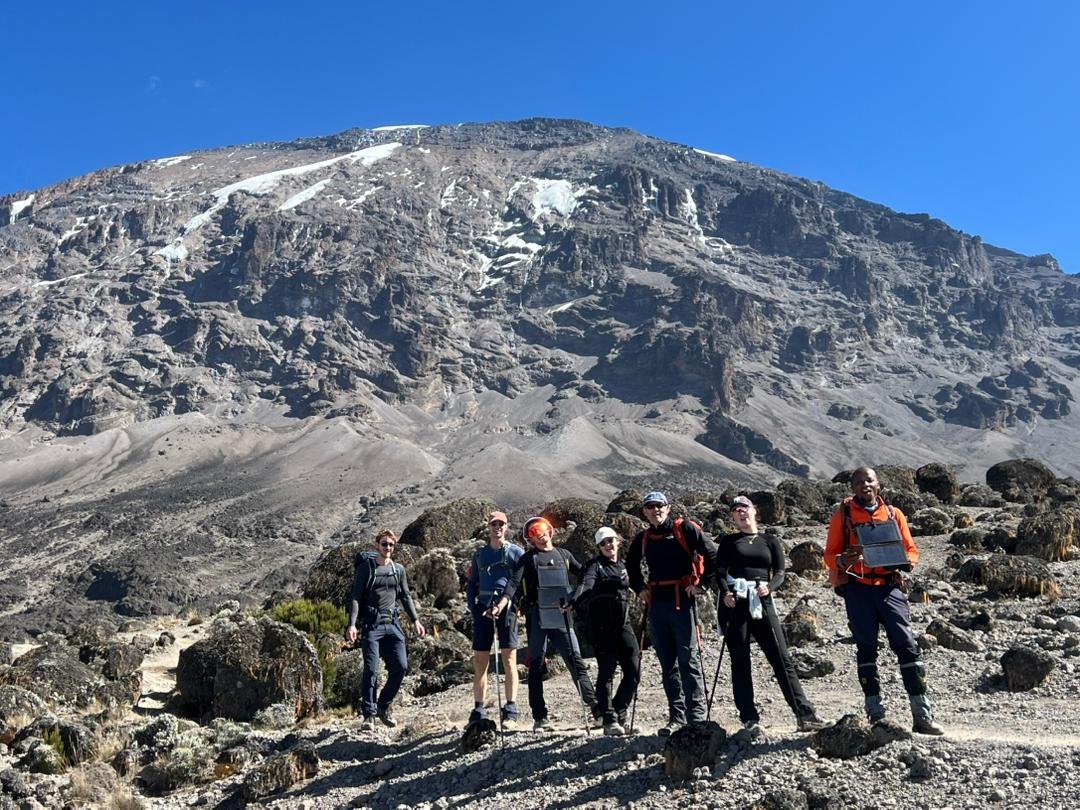
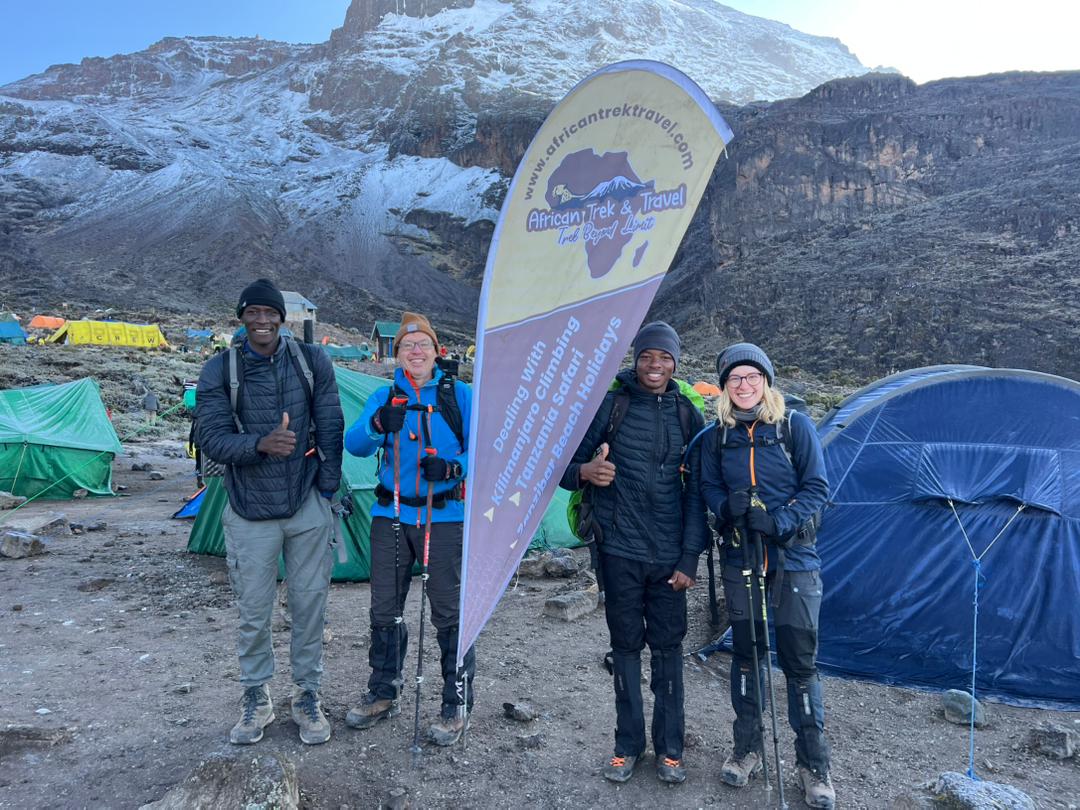
Image idea: A well-prepared Kilimanjaro trekking group walking slowly uphill at sunrise with trekking poles, layered clothing and professional mountain guides.
Image alt text: Physical and mental preparation for climbing Kilimanjaro
Meta Description:
Prepare physically and mentally for climbing Kilimanjaro with a practical training plan, altitude guidance, gear advice and summit mindset strategies.
Head 1:
How to Prepare Physically and Mentally Before Climbing Kilimanjaro
General Overview:
Preparing physically and mentally before climbing Kilimanjaro is one of the most important parts of planning a safe, comfortable and rewarding trek. Kilimanjaro rises to 5,895 metres at Uhuru Peak, and climbers experience changing terrain, long walking days, cold summit conditions and reduced oxygen at higher elevations. Although the main Kilimanjaro routes do not normally require technical mountaineering skills, the trek demands cardiovascular endurance, leg strength, balance, patience and the ability to remain positive when tired.
A complete Kilimanjaro preparation programme should combine regular aerobic exercise, hill walking, strength training, mobility work, recovery and practice hikes with the clothing, boots and daypack intended for the mountain. Most travellers benefit from beginning structured training several months before departure, although the correct preparation period depends on current fitness, hiking experience, health and the chosen route.
Mental preparation is equally important. Climbers must be ready to walk slowly, accept changing weather, sleep in basic mountain accommodation and communicate honestly with their guide about headaches, nausea, unusual fatigue or other symptoms. Physical fitness can make trekking more comfortable, but it does not prevent altitude illness. Gradual ascent and sufficient acclimatisation time remain essential.
This preparation guide is suitable for first-time trekkers, experienced hikers, couples, families with older children, private groups and travellers planning routes such as Machame, Lemosho, Marangu, Rongai or the Northern Circuit. It includes a practical ten-week training framework, mental preparation strategies, equipment practice, altitude awareness, recovery advice, travel tips and frequently asked questions.
The programme should be adjusted to each traveller’s health and experience. Anyone with a medical condition, previous altitude problems or concerns about exercise should speak with a qualified healthcare professional before beginning training or booking a high-altitude trek.
Itinerary/Article:
Preparing Physically and Mentally Before Climbing Kilimanjaro
Preparing physically and mentally before climbing Kilimanjaro is not about becoming a professional athlete. The goal is to build enough endurance, strength, confidence and resilience to walk steadily for several consecutive days while adapting to unfamiliar terrain, changing temperatures and increasing altitude.
Kilimanjaro’s official trekking routes normally take approximately five to nine days. Climbers move through forest, heath, moorland and alpine desert before reaching the high-altitude summit zone. Most routes involve camping, while the Marangu Route uses mountain huts.
The mountain’s main challenge is the combination of continuous walking and altitude. A climber can be physically strong and still experience altitude-related symptoms because fitness does not determine individual susceptibility. Selecting a well-paced route, ascending gradually and reporting symptoms honestly are therefore just as important as completing training sessions.
A successful preparation plan should help you arrive in Tanzania healthy, well-rested and familiar with your equipment. It should also teach you how to manage difficult moments without ignoring genuine warning signs or placing summit ambitions above personal safety.
Understanding the Kilimanjaro Climbing Experience
Long Trekking Days
Most days involve several hours of slow walking. Summit night is usually the longest and requires sustained concentration, patience and energy.
Changing Conditions
Climbers may experience rain, mud, strong sunshine, wind, cold temperatures, loose volcanic terrain and significant temperature changes.
High Altitude
Uhuru Peak stands at 5,895 metres. The body requires time to adapt as oxygen availability decreases with elevation.
What Physical Preparation Should Achieve
Your physical training should improve your ability to walk uphill and downhill at a steady pace, recover between trekking days and carry a personal daypack without excessive fatigue. It should strengthen your legs, hips, core, back and shoulders while improving balance and stability on uneven ground.
General health recommendations encourage regular aerobic activity together with muscle-strengthening exercise. Kilimanjaro preparation normally requires additional hiking-specific training because the trek involves long days, hills and repeated activity over several days.
What Mental Preparation Should Achieve
Mental preparation should help you manage slow progress, disrupted sleep, temporary discomfort, unpredictable weather and the emotional pressure of summit night. The aim is not to ignore pain or illness. It is to remain calm, communicate clearly and concentrate on the next manageable step.
Route Choice and Acclimatisation
Choose a Route With Enough Time
Kilimanjaro has several official routes with different durations, scenery, accommodation arrangements and acclimatisation profiles. Longer itineraries generally provide more time for the body to adjust than short, rapid ascents.
Routes such as Lemosho and the Northern Circuit are commonly selected by travellers who value a gradual itinerary. Machame and Rongai can also provide suitable programmes when sufficient days are included. Marangu offers hut accommodation, while most other routes use tented camps.
Avoid the “Too High, Too Fast” Approach
High-altitude guidance emphasises gradual ascent and additional acclimatisation time. Above approximately 3,000 metres, increases in sleeping elevation should be carefully controlled, and extra acclimatisation days may be helpful. Your route and daily programme should be planned by an experienced Kilimanjaro operator rather than based only on the shortest available itinerary.
Fitness Does Not Guarantee Acclimatisation
Being fit can make long walking days more manageable, but it does not make a climber immune to altitude illness. A highly trained runner may still experience symptoms, while a slower recreational hiker may acclimatise well. Every climber must follow the guide’s pace and report symptoms honestly.
10-Week Kilimanjaro Physical and Mental Preparation Plan
The following programme is a general framework rather than a medical or personalised fitness prescription. Travellers with limited fitness may require additional preparation time. Increase training gradually, schedule recovery days and stop exercising if you experience concerning pain, dizziness or illness.
WEEK
01
ASSESS AND BEGIN
Establish Your Fitness and Health Baseline
Begin by assessing your current ability honestly. Record how long you can walk comfortably, whether hills cause unusual fatigue and how your knees, hips and feet respond to exercise. The objective is to create a realistic starting point rather than comparing yourself with other climbers.
Complete several easy walks during the week and include one slightly longer session at a relaxed pace. Add gentle bodyweight movements such as controlled squats, step-ups, calf raises and basic core exercises when appropriate for your ability.
Mentally, write down why you want to climb Kilimanjaro. A clear personal reason can provide motivation during training and difficult moments on the mountain.
Week Highlights
- Assess current walking and hiking ability
- Begin easy aerobic exercise
- Introduce basic leg and core movements
- Identify existing discomfort or equipment needs
- Write down your motivation for climbing
Physical Focus
Easy walking, mobility and controlled bodyweight strength.
Mental Focus
Set a realistic goal and begin building consistency.
Recovery
Include rest days and prioritise comfortable, pain-free movement.
WEEK
02
BUILD CONSISTENCY
Develop Your Aerobic Foundation
Increase the consistency of your aerobic exercise without making every session intense. Suitable activities may include brisk walking, hiking, cycling, swimming, low-impact cardio or using a treadmill at a comfortable incline.
Most sessions should remain at a pace where you can speak in complete sentences. This helps build sustainable endurance and reflects the slow, controlled pace commonly used on Kilimanjaro.
Continue basic strength work and pay attention to posture. Avoid increasing training volume so quickly that you become excessively tired or develop persistent soreness.
Week Highlights
- Complete several moderate aerobic sessions
- Practise maintaining a sustainable pace
- Continue leg and core strength exercises
- Include gentle stretching and mobility
- Record progress in a training journal
Physical Focus
Steady aerobic endurance and movement quality.
Mental Focus
Learn to value consistency instead of speed.
Training Time
Use several manageable sessions rather than one exhausting workout.
WEEK
03
STRENGTH AND STABILITY
Strengthen Legs, Core and Upper Body
Introduce more structured strength sessions while maintaining your walking programme. Useful movements may include squats, lunges, step-ups, calf raises, hip-hinge exercises, rows and controlled core exercises.
Strong legs help with climbing, while hip and core stability can improve balance on uneven trails. Upper-body and shoulder strength also helps you carry a daypack and use trekking poles comfortably.
Exercises should be performed with controlled technique. Heavy lifting is not essential, and poor form should never be accepted simply to use more weight.
Week Highlights
- Complete two controlled strength sessions
- Practise step-ups and stable downhill movement
- Strengthen hips, calves and core muscles
- Add balance exercises where appropriate
- Continue relaxed aerobic training
Physical Focus
Leg strength, stability, balance and pack-carrying posture.
Mental Focus
Stay patient and concentrate on correct technique.
Recovery
Leave sufficient recovery between demanding leg sessions.
WEEK
04
HILL TRAINING
Practise Uphill and Downhill Walking
Begin adding more hills, stairs or treadmill incline to your programme. Kilimanjaro training should prepare you for both ascending and descending because downhill walking can place significant demand on the legs.
Use short, controlled steps and maintain a pace you can sustain. Practise with trekking poles when possible so that pole placement becomes natural before the climb.
If you live in a flat area, stairs, step machines, inclined treadmills and repeated walks on smaller hills can provide useful alternatives. The goal is steady movement rather than racing uphill.
Week Highlights
- Add hills or incline to aerobic sessions
- Practise controlled downhill steps
- Begin using trekking poles
- Test socks and hiking footwear
- Continue strength and mobility work
Physical Focus
Hill endurance, descending control and foot stability.
Mental Focus
Practise slowing down before becoming exhausted.
Equipment Focus
Boots, socks, trekking poles and blister prevention.
WEEK
05
LONGER HIKES
Increase Time on Your Feet
Complete a longer weekend walk or hike at a comfortable pace. Duration is more important than speed because Kilimanjaro requires climbers to remain active for many hours.
Wear the boots, socks and clothing layers you plan to use on the mountain. Carry a light daypack containing water, a waterproof layer, snacks and other normal daytime items.
Use the session to practise eating and drinking regularly. Do not wait until you feel completely exhausted, thirsty or hungry before taking care of basic needs.
Week Highlights
- Complete one longer hike or walk
- Carry your planned daypack
- Test clothing layers and waterproof protection
- Practise eating and drinking during activity
- Identify pressure points or equipment problems
Physical Focus
Long-duration walking at a sustainable pace.
Mental Focus
Break a long session into smaller, manageable sections.
Pack Focus
Adjust shoulder straps and hip belt for comfort.
WEEK
06
CONSECUTIVE DAYS
Practise Walking on Tired Legs
Kilimanjaro involves trekking on several consecutive days. Prepare for this by completing a longer walk on one day followed by a shorter, gentle walk the next day.
The second session should not become a competition. Its purpose is to practise moving comfortably while your legs feel slightly tired and to understand how your body responds between sessions.
Continue strength training, but reduce heavy leg work immediately before your back-to-back hiking days. Recovery remains an essential part of progress.
Week Highlights
- Complete walks on two consecutive days
- Practise recovering between sessions
- Maintain a slow and controlled pace
- Continue using boots and trekking poles
- Notice how sleep and nutrition affect performance
Physical Focus
Repeated walking days and muscular endurance.
Mental Focus
Accept mild tiredness without becoming discouraged.
Recovery
Prioritise sleep, regular meals and gentle mobility.
WEEK
07
EQUIPMENT PRACTICE
Test Your Full Trekking System
Use a longer hike to test the main equipment you intend to take to Kilimanjaro. Wear your base layer, hiking trousers, boots, socks, sun protection and waterproof outer layer when weather conditions make this appropriate.
Practise opening your pack, accessing water, adding a jacket and protecting important items from rain. These small tasks can become more difficult when you are cold or tired.
Test your headlamp in darkness in a safe environment. Summit night normally begins before sunrise, so you should understand the controls and know how it feels to walk while using one.
Week Highlights
- Use your intended boots and daypack
- Test clothing layers and rain protection
- Practise using trekking poles with gloves
- Test your headlamp safely
- Organise frequently used items for easy access
Physical Focus
Hiking comfortably while using your complete gear system.
Mental Focus
Reduce uncertainty by making equipment familiar.
Equipment Focus
Layering, pack organisation, gloves, poles and headlamp.
WEEK
08
PEAK TRAINING
Complete Your Most Demanding Training Period
This can be one of your stronger training weeks, provided you have progressed gradually and remain free from injury. Complete a substantial hike on varied terrain and consider another moderate walk the following day.
Use the same footwear, poles and daypack you intend to take to Tanzania. Pay attention to pacing, posture, eating, drinking and foot care throughout the hike.
Mentally practise responding to difficult moments. Rather than focusing on the entire distance, concentrate on reaching the next rest point, maintaining steady breathing and following a comfortable rhythm.
Week Highlights
- Complete a substantial training hike
- Use full trekking equipment
- Practise steady pacing for several hours
- Complete a second, easier walking day
- Review physical and mental progress
Physical Focus
Long-distance endurance and consecutive walking days.
Mental Focus
Use small goals, controlled breathing and positive self-talk.
Recovery
Schedule additional rest after the longest sessions.
WEEK
09
CONSOLIDATE
Maintain Fitness and Finalise Equipment
Reduce the overall training load slightly while maintaining regular walking, moderate hills and light strength work. This is not the time to introduce aggressive new exercises or make major changes to footwear.
Finalise your packing list, check important documents and confirm any rented equipment with your operator. Replace worn socks, damaged laces or unreliable batteries before travelling.
Review altitude symptoms, communication procedures and the responsibilities of your guide. Knowing what to expect can reduce anxiety and help you make calm decisions on the mountain.
Week Highlights
- Maintain fitness without excessive fatigue
- Complete final equipment checks
- Review travel and trekking documents
- Study altitude-awareness information
- Confirm dietary and medical information with the operator
Physical Focus
Maintain endurance while reducing accumulated fatigue.
Mental Focus
Replace uncertainty with preparation and clear information.
Planning Focus
Documents, insurance, packing and operator communication.
WEEK
10
TAPER AND TRAVEL
Rest, Recover and Arrive Ready
Reduce training during the final week. Continue easy walking and gentle mobility, but avoid exhausting hikes, unfamiliar workouts or activities with an unnecessary risk of injury.
Prioritise regular sleep, balanced meals, hydration and travel organisation. Pack important medication, documents and essential clothing in your hand luggage in case checked baggage is delayed.
Arrive in Tanzania with enough time to rest before the trek. Attend the pre-climb briefing, complete the equipment check and ask questions about the route, daily routine, safety procedures and guide communication.
Week Highlights
- Reduce training intensity and duration
- Prioritise sleep and recovery
- Avoid unfamiliar or injury-prone activities
- Organise essential items in hand luggage
- Attend the Kilimanjaro equipment and safety briefing
Physical Focus
Recovery, gentle movement and maintaining freshness.
Mental Focus
Remain calm, flexible and confident in your preparation.
Travel Focus
Rest before the trek and avoid beginning the climb exhausted.
Essential Physical Training Components
Aerobic Endurance
Use walking, hiking, cycling, swimming or other suitable activities to improve your ability to exercise steadily for extended periods.
Strength Training
Train the legs, hips, core, back and shoulders to support climbing, descending, balance and comfortable daypack use.
Hiking Practice
Complete progressively longer walks on varied terrain while using the boots, poles and daypack planned for Kilimanjaro.
Mobility and Balance
Maintain comfortable movement through the ankles, hips and upper body while practising stability on uneven surfaces.
Mental Preparation for Kilimanjaro
Accept the Slow Pace
Kilimanjaro is not a race. Guides commonly encourage a very slow walking pace to conserve energy and support acclimatisation. Prepare yourself to move more slowly than you might during a normal day hike.
Focus on the Next Step
Summit night can feel overwhelming when considered as one long challenge. Break it into smaller goals such as reaching the next rest point, drinking water, adjusting a layer or maintaining a steady rhythm.
Expect Changing Emotions
Excitement, frustration, tiredness and doubt can all occur during a multi-day trek. Recognising these emotions as temporary can help you avoid making impulsive decisions.
Communicate Honestly
Never hide symptoms from your guide because you are worried about being asked to stop climbing. Honest communication allows the mountain team to assess your condition and make safety-focused decisions.
Accept That Turning Around Can Be Responsible
Reaching the summit is never more important than returning safely. Weather, illness or poor acclimatisation may require a climber to descend. Following a guide’s safety decision demonstrates good judgement rather than failure.
Altitude Awareness and Health Preparation
Acute mountain sickness can include headache together with symptoms such as dizziness, unusual fatigue, reduced appetite or nausea after ascending to altitude. Symptoms must be reported to the guide and should never be hidden or treated as a test of toughness.
Severe confusion, difficulty walking normally or serious breathing problems require urgent action from the mountain team. Descent is an important response to worsening altitude illness, and guides should follow established emergency procedures.
Before travelling, discuss the climb with a qualified healthcare professional, particularly if you have a heart, lung, neurological or other ongoing medical condition. Travellers with previous altitude problems should explain their history clearly.
Medication used for altitude illness should only be discussed with and prescribed by a qualified healthcare professional. Do not borrow medication from another climber or begin unfamiliar treatment without appropriate advice.
Food, Hydration and Recovery
Follow a Balanced Training Diet
Eat regular meals that provide enough energy for your training. Include a variety of carbohydrates, protein sources, vegetables, fruit and suitable fats. Avoid restrictive diets or rapid weight-loss programmes before a demanding trek.
Practise Eating While Hiking
Some climbers experience a reduced appetite at altitude. During training, identify simple foods and snacks you can tolerate while walking. Inform the tour operator about allergies or dietary requirements before arrival.
Hydrate Regularly
Practise drinking regularly during long walks and learn how to use your chosen hydration system. Hydration supports normal function, but drinking excessive amounts does not prevent altitude illness and can create other health problems.
Make Recovery Part of Training
Rest days allow your body to adapt. Persistent fatigue, declining performance, poor sleep or ongoing pain may indicate that your programme needs to be reduced or assessed by an appropriate professional.
Accommodation and Sleeping Conditions
Most Kilimanjaro routes use tented camps, while the Marangu Route uses shared mountain huts. Climbers should expect cooler nights, basic toilet facilities, unfamiliar sounds and less comfort than a normal hotel.
Before travelling, practise organising your sleeping bag, warm clothing and headlamp. A comfortable sleeping system can make rest easier, although sleep may still be disrupted at altitude.
Bring suitable earplugs when appropriate, keep essential nighttime items organised and follow the guide’s instructions when moving around camp after dark.
Transport and Arrival Planning
Most Kilimanjaro climbs begin with a transfer from Moshi or Arusha to the relevant park gate. Climbers complete registration, guide briefings and equipment checks before starting the trek.
International travel can cause tiredness, disrupted sleep and delayed baggage. Arriving before the climb allows time to rest, resolve equipment problems and attend the pre-trek briefing without rushing.
Place essential documents, prescribed medication and irreplaceable personal items in your hand luggage. Confirm airport transfers, hotel arrangements and the meeting time with your operator before departure.
Essential Equipment to Practise With
- Comfortable and properly fitted hiking boots
- Moisture-managing hiking socks
- Trekking poles adjusted to the correct length
- Personal daypack with rain protection
- Waterproof jacket and trousers
- Warm insulating layers
- Sun hat, sunglasses and sunscreen
- Warm hat and suitable gloves
- Headlamp with reliable batteries
- Hydration bottles or reservoir
- Sleeping bag suitable for expected conditions
- Small personal first-aid and blister-care supplies
What to Expect on the Mountain
- Several consecutive days of walking
- A deliberately slow trekking pace
- Early mornings and changing daily schedules
- Rain, mud, dust, wind and cold conditions
- Basic campsite or hut accommodation
- Reduced appetite or disrupted sleep at altitude
- Daily health checks and guide questions
- A long summit attempt beginning during the night
- A substantial descent after the summit attempt
- Possible route or schedule changes for safety
Kilimanjaro Preparation Travel Tips
- Begin structured training early enough to progress gradually.
- Choose a route based on acclimatisation as well as price and scenery.
- Train in the boots you plan to use on the mountain.
- Complete several long walks with your daypack.
- Practise hiking on consecutive days.
- Do not introduce new equipment immediately before departure.
- Arrive in Tanzania with time to rest before the climb.
- Provide your operator with accurate medical and dietary information.
- Confirm that your travel insurance covers high-altitude trekking and evacuation.
- Listen to your guide and never hide symptoms.
- Remain flexible when weather or health changes the plan.
- Remember that returning safely matters more than reaching the summit.
Preparation Plan Inclusions
- Progressive aerobic endurance training
- Leg, core and upper-body strengthening
- Hill and stair practice
- Long-distance walking sessions
- Consecutive hiking days
- Daypack and trekking-pole practice
- Boot and clothing testing
- Mobility and balance work
- Recovery and tapering periods
- Mental preparation exercises
- Altitude-awareness education
- Travel and equipment planning
Preparation Plan Exclusions
- Personal medical diagnosis or treatment
- Individual prescription-medication advice
- A guarantee of successful acclimatisation
- A guarantee of reaching Uhuru Peak
- Replacement for professional fitness assessment
- Replacement for an experienced licensed guide
- International flights or Tanzania accommodation
- Kilimanjaro permits and park fees
- Personal trekking equipment
- Emergency evacuation and travel insurance
Important Information Before Climbing Kilimanjaro
Medical fitness: Seek appropriate medical advice before the climb, especially when managing an existing medical condition or previous altitude illness.
Acclimatisation: Fitness supports endurance but does not protect a climber from altitude illness. Choose an itinerary with sufficient time for gradual ascent.
Symptoms: Report headaches, nausea, dizziness, unusual fatigue, breathing difficulty or problems walking normally to the guide immediately.
Training progression: Increase activity gradually and allow recovery. Persistent pain or declining health should not be ignored.
Insurance: Confirm that your policy covers trekking to Kilimanjaro’s maximum elevation and includes emergency evacuation where applicable.
Operator selection: Book through a responsible Tanzania trekking operator using licensed guides and properly supported mountain crews.
Summit expectations: Weather, health and acclimatisation may prevent a summit attempt. Reaching the summit cannot be guaranteed.
Why Follow a Structured Kilimanjaro Preparation Plan?
A structured plan helps travellers build endurance gradually rather than depending on last-minute intense exercise. It creates time to strengthen the body, test equipment, improve hiking technique and recognise problems before travelling.
Preparation also increases confidence. Climbers who understand the daily routine, equipment, altitude challenges and expected discomfort are better able to remain calm and communicate clearly.
The most effective programme combines physical training with rest, realistic expectations and a route that allows appropriate acclimatisation. Preparation cannot guarantee a summit, but it can help you begin the trek with stronger foundations and better decision-making skills.
Frequently Asked Questions
How early should I begin training for Kilimanjaro?
Many travellers begin focused preparation approximately eight to twelve weeks before departure. Beginners or people returning to exercise may require more time to progress safely.
Do I need previous climbing experience?
Technical mountaineering experience is not normally required for the standard trekking routes, but good endurance, preparation and the ability to walk for several consecutive days are important.
Do I need to join a gym?
No. A useful programme can include outdoor walking, hills, stairs and suitable strength exercises at home. A gym may provide convenient equipment but is not essential.
Can physical fitness prevent altitude sickness?
No. Fitness can make trekking more comfortable, but it does not determine whether a climber will develop altitude illness. Gradual ascent, honest symptom reporting and guide supervision remain essential.
Which exercises are best for Kilimanjaro?
Walking, hiking, hill training, step-ups, controlled leg exercises, core work and back-to-back walking days are useful. The programme should be appropriate for your health and current ability.
Should I train while carrying a backpack?
Yes. Gradually practise with the daypack you will carry on the mountain. It should contain only your normal personal daytime items rather than an unnecessarily heavy training load.
How can I prepare mentally for summit night?
Practise slow pacing, controlled breathing and dividing long hikes into smaller goals. Understand that cold, tiredness and doubt may occur, and remain prepared to follow your guide’s safety decisions.
Should I train in my Kilimanjaro boots?
Yes. Use your boots on several training walks so you can confirm the fit, test sock combinations and identify any rubbing or pressure points before departure.
Can children climb Kilimanjaro?
Age rules, maturity, health and operator policies must be considered carefully. Minors should only participate with responsible adult supervision, appropriate professional advice and an experienced licensed operator.
Do I need travel insurance?
Comprehensive insurance is strongly recommended. Confirm that the policy covers high-altitude trekking, medical treatment, evacuation, cancellation and luggage problems.
Can dietary requirements be accommodated?
Most responsible Kilimanjaro operators can arrange common dietary requirements when informed in advance. Provide detailed information about serious allergies before travelling.
What happens when a climber develops altitude symptoms?
The climber should report symptoms immediately and follow the guide’s instructions. The guide may recommend resting, stopping further ascent or descending according to the severity and progression of the symptoms.
Prepare for Your Kilimanjaro Climb With Confidence
Choose a well-paced route, train progressively and receive support from an experienced Tanzania trekking team before beginning your journey to the Roof of Africa.
Start Planning Your Kilimanjaro Trek
Image:
Image idea: A well-prepared Kilimanjaro trekking group walking slowly uphill at sunrise with trekking poles, layered clothing and professional mountain guides.
Image alt text: Physical and mental preparation for climbing Kilimanjaro