Serengeti Safari Best Time of Year
The Serengeti Safari Best Time of Year depends on what you most want to experience during your Tanzania safari.
There is no single month that is perfect for every traveller because Serengeti wildlife, rainfall, scenery, migration movements, visitor numbers and accommodation availability change throughout the year.
Some travellers want large wildebeest herds and calving activity. Others prefer dry season wildlife viewing, northern Serengeti migration areas, green landscapes, birdwatching, photography or quieter travel periods.
The strongest safari plan therefore begins by identifying your main wildlife priority and then choosing the Serengeti region that best matches your travel month.
Serengeti also supports resident wildlife throughout the year, so a successful safari does not depend entirely on finding the largest migration herds.
Serengeti Seasons at a Glance
- January to March: Southern ecosystem, calving period and strong predator interest.
- April to May: Greener landscapes, longer rains and potentially quieter travel periods.
- June: Transition toward drier conditions and changing migration locations.
- July to October: Classic dry season safari conditions and northern or western migration interest depending on natural movement.
- November: Short rain period can begin and landscapes become greener.
- December: Green season conditions with migration continuing through the ecosystem.
Is There One Best Month for Serengeti?
No single month can be considered the best for every safari traveller.
A photographer wanting dramatic green landscapes may choose differently from a traveller hoping to see large dry season herds.
A family travelling during school holidays may prioritise weather and accessibility, while a migration focused visitor may choose accommodation specifically around seasonal herd movements.
The best month is therefore the period that most closely matches your wildlife interests, available travel dates and safari budget.
Choose Your Serengeti Month Based On
- General wildlife viewing
- Great Migration interest
- Calving season
- River crossing interest
- Predator photography
- Birdwatching
- Green landscapes
- Lower visitor numbers
- Accommodation availability
- Safari budget
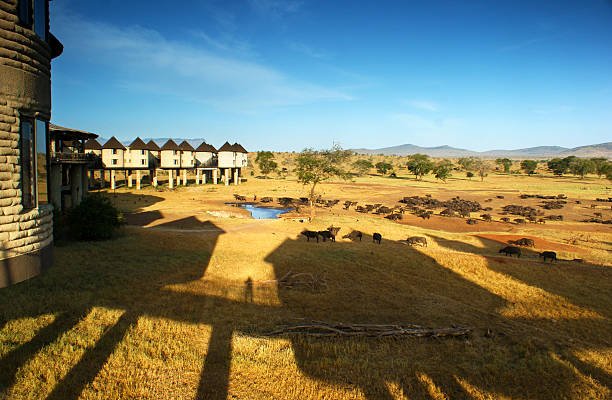
Serengeti Dry Season
The drier months are popular for traditional wildlife safaris because vegetation can become less dense and animals often rely more heavily on dependable water sources.
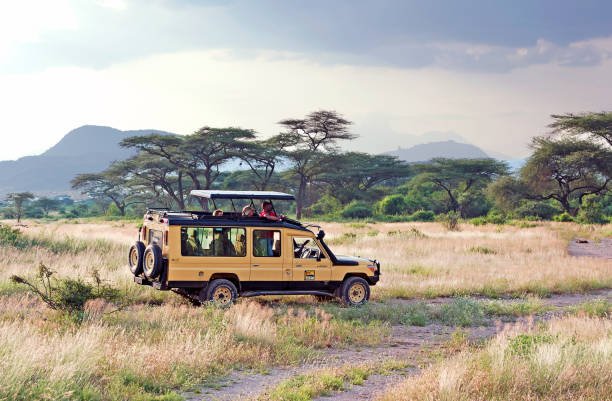
Game drive roads can also be easier to use than during periods of heavy rain.
This does not mean every animal gathers in one place. Serengeti is enormous, and wildlife distribution still varies by habitat, rainfall and natural movement.
June to October Serengeti Safari
June through October is one of the most popular broad periods for a Serengeti safari.
Drier landscapes can provide excellent visibility, while migration movements may progressively involve western, northern and other parts of the greater ecosystem depending on the year and rainfall.
This period can also attract greater visitor demand, so accommodation should be booked well in advance when possible.
Serengeti Green Season
Green season provides a very different visual experience.
Rain transforms dry grasslands into greener landscapes and can produce dramatic skies, fresh vegetation and attractive photographic conditions.
Travellers who only imagine Serengeti as dry golden grass can be surprised by how beautiful the ecosystem becomes after rainfall.
Serengeti Rainy Season
Rain does not mean that safari becomes impossible.
Showers can be localised and wildlife remains present throughout the ecosystem.
However, some tracks can become muddy and travel times can increase after heavy rainfall.
Road conditions, accommodation access and exact game drive areas should therefore be considered when planning during wetter periods.
January Serengeti Safari
January can be an excellent time for travellers interested in the southern Serengeti ecosystem.
When seasonal conditions support the migration in the south, large herds may be spread across the short grass plains.
Green landscapes and newborn animals can make this a particularly attractive period for wildlife photographers.
Predators may also be active around areas containing vulnerable young animals.
February Serengeti Safari
February is strongly associated with the wildebeest calving period in the southern Serengeti ecosystem.
This period can combine large herbivore concentrations with predator activity and dramatic wildlife interactions.
Travellers interested specifically in calving should stay in accommodation positioned for southern ecosystem access rather than automatically booking central or northern Serengeti.
Why February Attracts Wildlife Travellers
- Wildebeest calving activity
- Large grazing herds when migration conditions align
- Predator opportunities
- Green landscapes
- Excellent wildlife photography potential
March Serengeti Safari
March can continue to provide southern Serengeti migration and calving related activity depending on seasonal conditions.
The landscape can remain green and productive, with young animals becoming more mobile.
Rainfall can increase as the month progresses, so road and accommodation arrangements should remain flexible.
April Serengeti Safari
April commonly falls within the wetter part of the year.
Travellers who are comfortable with rain can experience lush landscapes and potentially lower visitor pressure in some areas.
Road conditions may be more challenging, so a reliable safari vehicle and experienced driver guide are particularly important.
May Serengeti Safari
May can still be green while the broader seasonal pattern begins moving toward drier conditions.
Migration movements may continue changing location as grazing and water conditions evolve.
Travellers should choose accommodation based on current wildlife information rather than relying only on a fixed annual calendar.
June Serengeti Safari
June often marks an important transition into drier safari conditions.
Wildlife viewing can be excellent, while migration activity may involve different parts of the ecosystem depending on rainfall and herd movement.
Temperatures during early morning game drives can feel cool, so a warm layer is useful.
July Serengeti Safari
July is a popular safari month because of dry season conditions and migration interest.
Depending on natural movement, travellers may focus on western or northern regions as the herds progress through the ecosystem.
Demand for safari accommodation can be high, particularly in areas close to migration concentrations.
August Serengeti Safari
August is another major dry season safari month.
Northern Serengeti often receives strong attention from travellers interested in migration movements and the possibility of river crossing activity.
However, crossings cannot be scheduled and may happen before, after or between your planned game drives.
Important River Crossing Advice
- Crossings are natural events.
- No operator controls when the herds enter the river.
- Several hours or days may pass without a crossing.
- More nights in the correct region can increase viewing opportunities.
- A crossing should never be guaranteed in advance.
September Serengeti Safari
September often continues to provide classic dry season conditions.
Northern Serengeti can remain important for migration focused safaris, while resident wildlife continues to provide strong game viewing across other areas.
Travellers should remember that Serengeti is much more than the migration alone.
October Serengeti Safari
October can remain relatively dry while seasonal changes begin approaching.
Migration locations depend on rainfall, and herd movements may begin shifting again as conditions change.
This can still be an excellent period for general Serengeti game drives.
November Serengeti Safari
November is commonly associated with shorter rains and returning green vegetation.
The landscape can change rapidly after rainfall.
Birdlife, fresh grass and dramatic skies can make this an attractive period for photography.
Some roads may become muddy after strong showers, but safari activities continue according to local conditions.
December Serengeti Safari
December can provide a mixture of green season scenery, resident wildlife and seasonal migration activity.
The exact location of the main herds depends on rainfall patterns and fresh grazing.
Holiday periods can also increase accommodation demand, so advance reservations are useful.
Best Time for Serengeti Great Migration Safari
The Great Migration occurs throughout the wider Serengeti Mara ecosystem rather than at one fixed place.
Different months highlight different stages of the annual movement.
The correct question is therefore not only “What is the best month?” but also “Which part of the Serengeti should I visit during that month?”
General Migration Planning Guide
January to March: Southern Serengeti ecosystem and calving interest.
April to June: Herds can move progressively through different parts of the ecosystem as conditions change.
July to October: Western and northern migration areas can become important, with northern river crossing interest during suitable periods.
November to December: Seasonal rains can influence movement back toward greener grazing areas.
Best Time for Serengeti Calving Season
Travellers particularly interested in wildebeest calves generally focus on the southern Serengeti ecosystem during the early part of the year.
Late January through March can be especially important, although natural conditions affect the exact timing and distribution of animals.
Calving season can also attract predators because many young animals are vulnerable.
Best Time for Serengeti River Crossings
Travellers interested in dramatic river crossing activity often consider the northern migration period.
However, river crossings are among the least predictable major safari events.
A herd may approach a river and wait for hours before crossing, move away completely or cross when your vehicle is in another location.
Travellers should allow several nights in the relevant region rather than planning one short visit around an expected crossing time.
Best Time for Lions
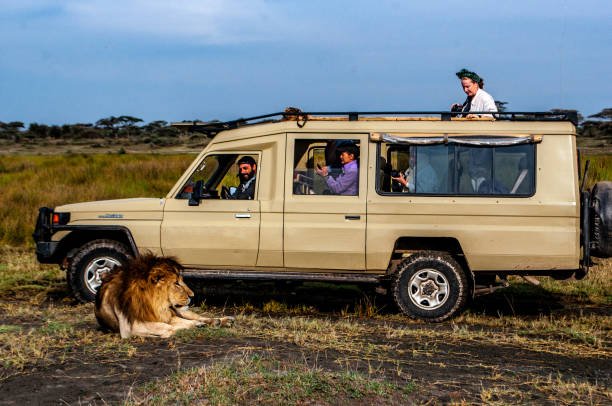
Lions live in Serengeti throughout the year.
You do not need to travel during the Great Migration to have opportunities for lion sightings.
Resident prey populations support predators in several Serengeti regions throughout the year.
Season and vegetation can influence visibility, but lion encounters remain possible during both dry and green periods.
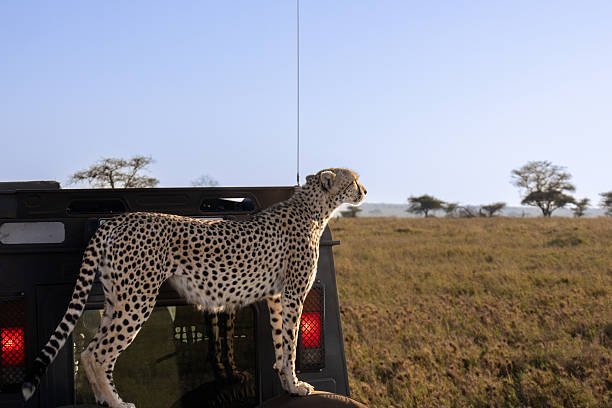
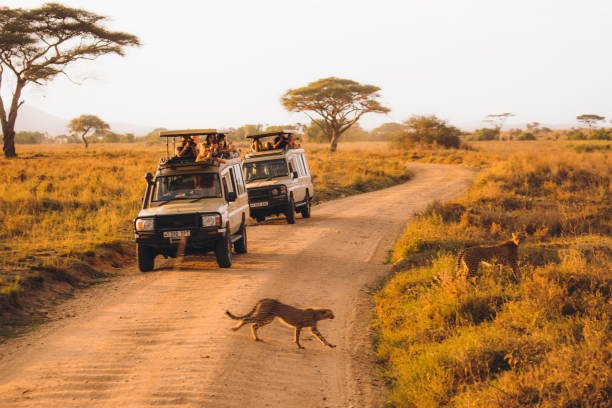
Best Time for Cheetahs
Cheetahs also occur throughout suitable Serengeti habitat.
Open grassland areas can provide good viewing opportunities because cheetahs rely on visibility and speed.
Wildlife remains unpredictable, so no month can guarantee a cheetah sighting.
Best Time for Leopards
Leopards can be encountered throughout the year but are naturally more difficult to locate than many open plain species.
An experienced guide, patience and sufficient game drive time are generally more important than selecting one specific month solely for leopard viewing.
Best Time for General Wildlife
Travellers who are not focused exclusively on the migration have considerable flexibility.
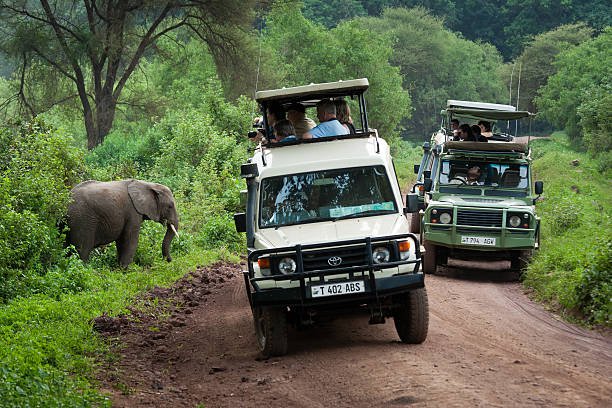
Central Serengeti contains resident wildlife throughout the year and can provide opportunities to observe predators, giraffes, elephants, buffalo, hippos, antelopes and many other species.
Dry season can make wildlife easier to locate in some situations, while green season offers different scenery and animal behaviour.
Best Time for Birdwatching
Green and wetter periods can be particularly attractive for birdwatching because the ecosystem is productive and migratory birds may add to resident species.
Bird enthusiasts should consider combining Serengeti with Lake Manyara, Tarangire or other northern circuit habitats for greater variety.
Best Time for Photography
Photography preferences vary greatly.
Dry season provides golden grasslands, dust and concentrated wildlife opportunities.
Green season provides rich vegetation, cloud formations and strong colour contrast.
Calving periods can provide intimate wildlife scenes, while migration areas can offer large herd compositions.
Photography by Season
- Dry season: Golden landscapes, dust and easier visibility.
- Green season: Rich colour, dramatic skies and fresh vegetation.
- Calving period: Newborn wildlife and predator interactions.
- Migration period: Large herd scenes and movement across open landscapes.
Best Time for Fewer Crowds
Travellers wanting fewer vehicles may prefer periods outside the busiest dry season and holiday dates.
Green season and wetter months can provide quieter experiences in some locations.
However, crowd levels vary significantly by region and wildlife concentration.
Even during busy months, a knowledgeable guide can sometimes explore less congested parts of the park when wildlife conditions allow.
Best Time for Lower Safari Prices
Accommodation pricing can change according to season and demand.
Some lodges and camps may offer lower rates during quieter periods, while migration focused and popular dry season dates can be more expensive.
Travellers should compare the complete safari package rather than accommodation price alone because park fees, transport, guide costs and itinerary length also affect the total.
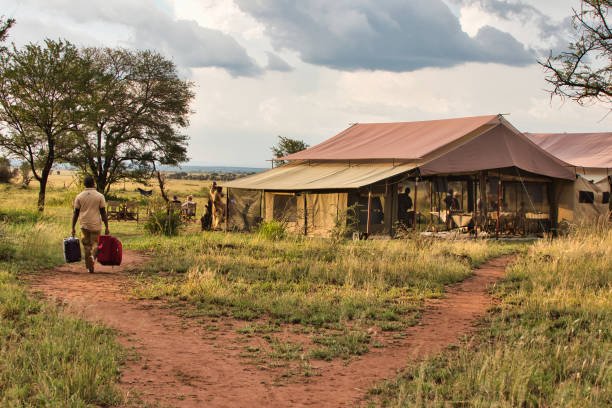
Best Time for a Camping Safari
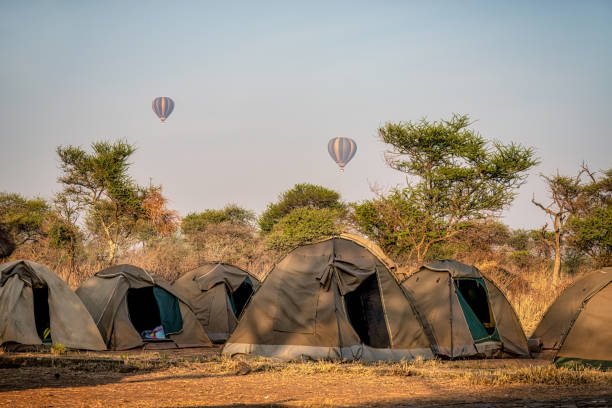
Camping is possible during different parts of the year, but drier periods can provide simpler campsite conditions.
During wetter months, waterproof equipment and careful campsite planning become more important.
The experience remains adventurous in every season because travellers sleep close to the natural safari environment.
Best Time for a Lodge Safari
Lodge accommodation makes Serengeti travel comfortable across a wide range of seasons.
During rainy periods, permanent accommodation can be particularly attractive to travellers who prefer a dry room and private facilities after game drives.
Availability can become limited during popular migration and dry season periods, so early booking is useful.
Best Time for a Safari from Moshi
A Serengeti safari can begin from Moshi throughout the year.
The season mainly affects the Serengeti region you should target rather than whether Moshi can be used as the starting point.
Travellers can be collected from their confirmed Moshi hotel and travel by road toward the northern circuit.
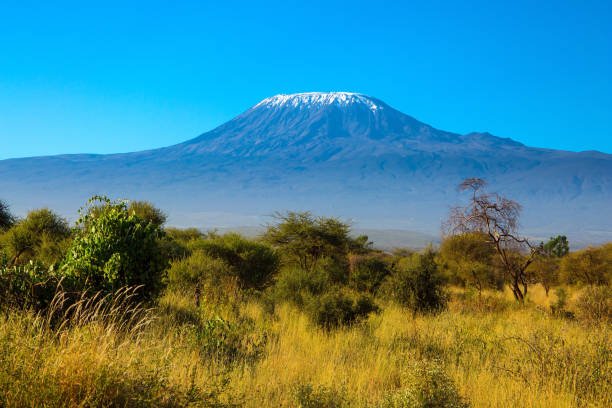
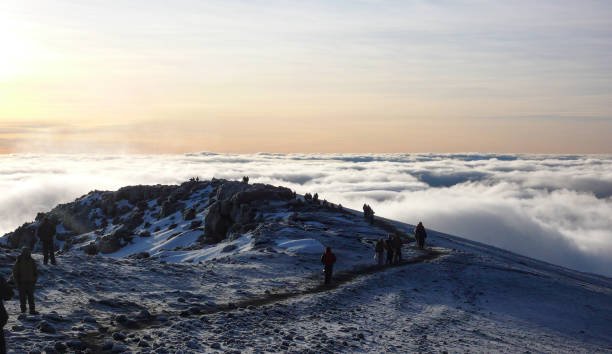
Best Time After Kilimanjaro
Serengeti can be combined with a Kilimanjaro climb in any season when the complete itinerary is planned appropriately.
After descending from the mountain, many travellers spend a recovery night in Moshi before beginning their safari.
The Serengeti region should then be chosen based on wildlife conditions during the safari dates.
Serengeti and Ngorongoro by Season
Combining Serengeti with Ngorongoro Crater creates a strong year round northern Tanzania safari because the two destinations provide different landscapes and wildlife environments.
The Serengeti section can be adjusted seasonally while Ngorongoro remains an important addition for general wildlife viewing.
Serengeti and Tarangire by Season
Tarangire can be particularly attractive during drier periods when wildlife relies more heavily on permanent water sources.
Combining it with Serengeti gives travellers two different seasonal wildlife systems within one itinerary.
Serengeti and Lake Manyara by Season
Lake Manyara adds forest, lake and Rift Valley landscapes to the wider safari.
Birdwatchers and travellers interested in varied habitats may enjoy combining it with Serengeti during greener periods as well as the traditional dry season.
Does Rain Ruin a Serengeti Safari?
No.
Rain changes the safari experience rather than automatically ruining it.
Vegetation becomes greener, skies can become dramatic and visitor numbers may be lower in some periods.
The main disadvantages can include muddy roads, slower travel and occasional changes to game drive plans.
Does Dry Season Guarantee More Wildlife?
No season guarantees more sightings.
Dry conditions can make animals easier to locate in certain habitats because vegetation may be thinner and water becomes more important.
However, green season can provide major wildlife concentrations, calving activity and abundant resident animals.
How Many Days Should You Spend in Serengeti?
The ideal duration depends partly on the season and target region.
Central Serengeti can work well within shorter three or four day northern circuit safaris.
Migration focused itineraries visiting distant northern or southern areas often benefit from additional nights.
More time also provides greater flexibility because wildlife does not operate according to a fixed daily schedule.
Simple Planning Guide
General Serengeti safari: Allow enough time for at least one substantial game drive period.
Migration focused safari: Add nights in the region where herds are expected.
River crossing safari: Several nights improve flexibility because crossings are unpredictable.
Photography safari: Additional game drive days reduce pressure to leave good sightings quickly.
Frequently Asked Questions About Serengeti Safari Best Time of Year
What is the best time of year for Serengeti safari?
June to October is popular for general dry season wildlife viewing, while January to March is especially attractive for southern Serengeti calving and migration interest.
Can Serengeti be visited all year?
Yes. Resident wildlife remains within the Serengeti ecosystem throughout the year, while seasonal conditions change the landscapes and migration locations.
What is the Serengeti dry season?
The main dry period is broadly associated with the middle months of the year through October, although rainfall patterns can vary.
When is Serengeti calving season?
Late January through March is an important period for wildebeest calving in the southern Serengeti ecosystem, although exact timing depends on natural conditions.
Where should I stay for calving season?
Southern Serengeti and the wider Ndutu ecosystem are commonly considered when the migration is concentrated around the short grass plains.
When is the best time for river crossings?
Northern migration periods are commonly targeted for river crossing interest, but exact crossing dates cannot be predicted or guaranteed.
Are Mara River crossings guaranteed?
No. Herds may approach, delay, move away or cross unexpectedly. No safari operator can guarantee a crossing on a particular day.
Is January good for Serengeti?
Yes. January can be particularly attractive for southern ecosystem wildlife, green landscapes and early calving season activity depending on conditions.
Is February good for Serengeti?
Yes. February is especially popular for wildebeest calving and predator activity in the southern Serengeti ecosystem.
Is March good for Serengeti?
Yes. March can continue to provide green scenery, migration activity and young animals, although rainfall may increase.
Is April a bad time for Serengeti?
Not necessarily. April can be wetter but may provide lush scenery, dramatic skies and fewer visitors in some areas.
Is May good for safari?
Yes. May can provide green landscapes and changing migration activity, although road conditions depend on recent rainfall.
Is June good for Serengeti?
Yes. June often marks the transition toward stronger dry season conditions and can provide excellent wildlife viewing.
Is July good for Serengeti?
Yes. July is a popular dry season month and can be important for migration focused itineraries depending on herd location.
Is August good for Serengeti?
Yes. August is a major safari month with dry conditions and strong interest in northern Serengeti migration areas.
Is September good for Serengeti?
Yes. September generally remains within the dry season and can provide excellent resident wildlife and northern migration opportunities.
Is October good for Serengeti?
Yes. October can still provide dry season wildlife viewing while seasonal changes begin approaching.
Is November good for Serengeti?
Yes. November can provide greener landscapes, excellent birding and potentially lower visitor numbers in some areas.
Is December good for Serengeti?
Yes. December can combine green season scenery, resident wildlife and changing migration activity depending on rainfall.
Which season is best for lions?
Lions live in Serengeti throughout the year, so good sightings are possible in several seasons and regions.
Which season is best for photography?
Dry season provides golden scenery and visibility, while green season provides richer colours, dramatic skies and fresh landscapes. The best choice depends on your photographic style.
When is Serengeti less crowded?
Some wetter or shoulder periods can be quieter than the busiest dry season and migration months, although crowd levels vary by location.
When is Serengeti cheaper?
Some lodges and camps may offer lower pricing during less busy travel periods, but seasonal rates differ between properties.
Is green season worth visiting?
Yes. Green season can provide lush landscapes, birdlife, dramatic skies and excellent wildlife photography opportunities.
Does rain stop Serengeti game drives?
Not automatically. Game drives continue according to road and weather conditions, although heavy rain can make some tracks difficult.
Can I do Serengeti after Kilimanjaro?
Yes. Serengeti can be combined with a Kilimanjaro climb, with the safari region selected according to the travel dates.
Can my Serengeti safari start from Moshi?
Yes. Road safari pickup can be arranged from a confirmed Moshi hotel according to the package.
Should I stay in central or northern Serengeti?
The correct region depends on the travel month and whether your main priority is resident wildlife or seasonal migration activity.
How far ahead should I book?
Popular dry season, holiday and migration dates can fill early, so booking ahead provides a wider choice of accommodation and safari arrangements.
How do I choose the best Serengeti safari month?
Start with your main priority such as general wildlife, calving, migration, river crossings, photography, fewer crowds or budget, then choose the Serengeti region and accommodation that best fit your travel dates.
Choose the Right Time for Your Serengeti Safari
Plan your Serengeti safari around the wildlife experience you value most, whether that is dry season game viewing, southern calving, migration movements, green landscapes, photography or a quieter Tanzania safari.
Plan Your Serengeti Safari

 Serengeti Safari
.jpg "Tanzania Safari for Two People 2026-2027")