Tanzania Cultural Safari
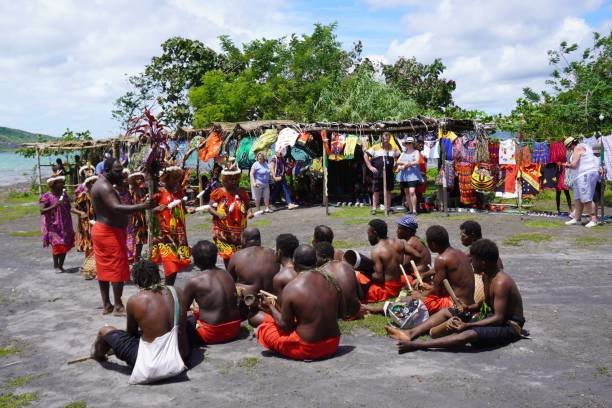
A Tanzania Cultural Safari introduces travellers to the people, traditions, food, history, crafts and daily life found across one of East Africa's most culturally diverse countries.
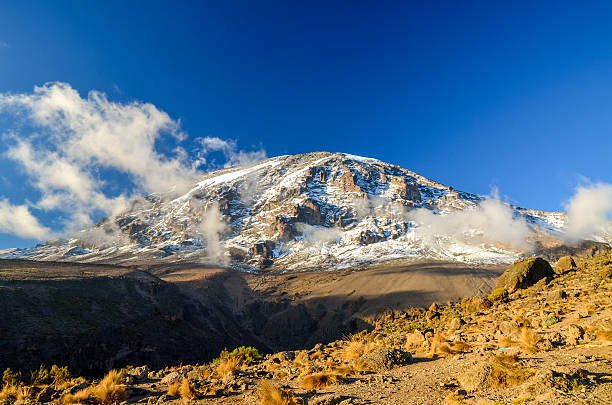
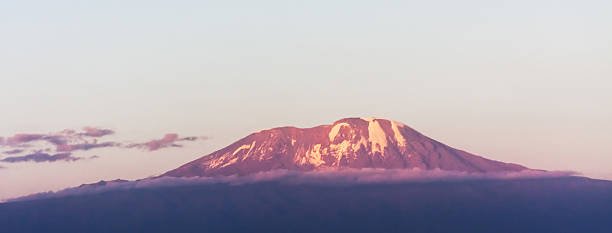
While Tanzania is internationally known for Serengeti wildlife, Ngorongoro Crater and Mount Kilimanjaro, travelling through the country also creates opportunities to meet local communities and better understand the human stories connected to these landscapes.
Cultural safari experiences may include Maasai villages, Hadzabe hunter gatherer communities, Datoga pastoral and metalworking traditions, Chagga heritage around Mount Kilimanjaro, Iraqw culture around the northern highlands and the multicultural communities of Mto wa Mbu.
Experiences vary according to location, community arrangements, season and the confirmed itinerary, making each cultural safari slightly different.
Tanzania Cultural Safari at a Glance
- Destination: Tanzania.
- Safari style: Cultural, community and heritage experiences.
- Popular areas: Arusha, Moshi, Lake Eyasi, Karatu, Mto wa Mbu and the northern highlands.
- Communities: Maasai, Hadzabe, Datoga, Chagga, Iraqw and other local communities depending on the itinerary.
- Activities: Village walks, traditional food, markets, crafts, farming, storytelling and community visits.
- Duration: From a half day experience to several days.
- Starting points: Moshi, Arusha, Karatu or another agreed location.
- Extension options: Wildlife safari, Kilimanjaro, Mount Meru and Zanzibar.
Why Choose a Tanzania Cultural Safari?
A cultural safari adds a human dimension to a Tanzania holiday by connecting travellers with communities whose traditions, livelihoods and histories are closely linked to the landscapes being explored.
Instead of observing Tanzania only through wildlife parks, visitors can learn how people farm, cook, trade, build homes, produce crafts, raise livestock and maintain cultural traditions.
Main Cultural Safari Highlights
- Meet local communities
- Learn about traditional lifestyles
- Experience local food and cooking
- Visit village markets
- Discover traditional crafts
- Learn about pastoral lifestyles
- Explore farming communities
- Hear community stories and history
- Support locally organised tourism experiences
- Combine culture with Tanzania wildlife
Best Tanzania Cultural Safari Experiences
CULTURE
01
MAASAI CULTURAL EXPERIENCE
Visit a Maasai Community
A Maasai cultural experience is one of the best known additions to a northern Tanzania safari.
Depending on the community and program, visitors may learn about livestock, traditional homes, family structures, clothing, ceremonies, beadwork and the importance of cattle within Maasai society.
Community hosts may also explain how Maasai families balance traditional pastoral practices with education, conservation, employment and modern economic activities.
Possible Maasai Cultural Activities
- Guided village visit
- Traditional home visit
- Livestock discussions
- Beadwork demonstrations
- Traditional songs and dances when organised by the community
- Local history and storytelling
- Opportunities to purchase locally produced crafts
Visitors should always follow the local host's guidance regarding photography, entry into homes and participation in cultural activities.
CULTURE
02
LAKE EYASI
Hadzabe Cultural Experience
Lake Eyasi is widely known for cultural visits involving Hadzabe communities.
Visitors can learn about traditional knowledge of the landscape, food gathering, hunting traditions, natural materials and the close relationship between community life and the surrounding environment.
Some programs begin early in the morning because community activities often start before temperatures rise.
Possible Hadzabe Experience
- Early morning community visit
- Traditional hunting demonstration or walk where appropriate
- Learning about edible and medicinal plants
- Traditional tool demonstrations
- Community storytelling
- Learning about the surrounding Lake Eyasi environment
Activities depend on the community's normal schedule and should not be treated as guaranteed performances.
CULTURE
03
LAKE EYASI
Datoga Cultural Experience
Datoga cultural visits are frequently combined with a Hadzabe experience around Lake Eyasi.
Visitors may learn about livestock keeping, family traditions and skilled metalworking where craftspeople produce tools, jewellery and other items using traditional techniques.
Possible Datoga Cultural Activities
- Village visit
- Traditional metalworking demonstration
- Learning about livestock
- Traditional clothing and jewellery
- Local home visit where appropriate
- Community craft shopping
CULTURE
04
KILIMANJARO REGION
Chagga Cultural Experience
The slopes and foothills of Mount Kilimanjaro are closely associated with Chagga communities and provide excellent opportunities for cultural and agricultural experiences.
Visitors may explore villages around areas such as Marangu and other Kilimanjaro communities while learning about traditional agriculture, coffee production, local foods and regional history.
Possible Chagga Cultural Activities
- Village walking tour
- Coffee farm experience
- Traditional food preparation
- Local history
- Agricultural demonstrations
- Local market visit
- Waterfall or foothill walk when included
CULTURE
05
MTO WA MBU
Mto wa Mbu Village Cultural Tour
Mto wa Mbu is conveniently located near Lake Manyara and is often included in northern Tanzania safari itineraries.
The town is known for its diverse population and provides opportunities to explore farms, markets, workshops, local food and everyday community life.
Possible Mto wa Mbu Activities
- Village walking tour
- Local market visit
- Banana farm visit
- Traditional lunch
- Local craft workshops
- Painting and art studios
- Community agriculture experience
CULTURE
06
NORTHERN HIGHLANDS
Iraqw Cultural Experience
Travellers staying around Karatu and the northern highlands can also experience aspects of Iraqw culture through locally organised community programs.
Experiences may introduce visitors to agriculture, traditional homes, food, history and the way local communities have adapted to highland environments.
Possible Iraqw Cultural Activities
- Community walking tour
- Traditional home visit where available
- Agricultural experience
- Local food
- History and storytelling
- Learning about highland farming practices
Suggested Tanzania Cultural Safari Itinerary
A cultural safari can be adapted to available travel days. The following example demonstrates how several northern Tanzania cultural experiences can be combined into one journey.
- Day 1: Arrival in Moshi or Arusha and cultural orientation.
- Day 2: Chagga village and coffee experience near Kilimanjaro.
- Day 3: Mto wa Mbu village, market and local food experience.
- Day 4: Travel to Lake Eyasi and Datoga cultural visit.
- Day 5: Hadzabe cultural experience and transfer toward Karatu.
- Day 6: Maasai community experience or Iraqw cultural program.
- Day 7: Departure or continuation to a Tanzania wildlife safari.
The route can be shortened, extended or combined with national parks according to travel dates and interests.
Tanzania Cultural Safari and Local Food
Food can be an important part of a cultural safari because it provides a practical way to learn about local agriculture, ingredients and family traditions.
Possible Food Experiences
- Traditional Tanzanian lunch
- Local cooking demonstration
- Fresh fruit tasting
- Banana based dishes
- Local vegetables
- Maize based meals
- Beans and other locally grown foods
- Coffee preparation in Kilimanjaro communities
Specific meals depend on the community, season, dietary requirements and confirmed program.
Traditional Markets in Tanzania
Local markets offer another perspective on everyday life and can be included in cultural safari programs when market schedules and travel timing allow.
Markets may contain fresh vegetables, fruits, grains, clothing, household goods, livestock products, spices, crafts and locally produced foods.
A guide can help explain products, prices, customs and appropriate photography behaviour.
Tanzania Coffee Cultural Experience
Coffee experiences are particularly popular around the Kilimanjaro region.
Depending on the program, visitors can see coffee plants, learn how beans are harvested and processed and participate in traditional roasting and grinding demonstrations.
Possible Coffee Tour Activities
- Walk through a coffee farm
- Learn about coffee cultivation
- See traditional processing methods
- Roast coffee beans
- Grind coffee
- Prepare fresh coffee
- Taste locally prepared coffee
Traditional Crafts and Local Art
Cultural safaris can include opportunities to meet craftspeople producing beadwork, paintings, jewellery, carvings, textiles and other locally made products.
Purchasing directly from local artists and community workshops can provide visitors with meaningful souvenirs while supporting local economic activity.
Travellers should confirm prices before purchasing and avoid assuming that every cultural visit requires buying products.
Photography During a Tanzania Cultural Safari
Photography should always be approached respectfully during community visits.
Responsible Photography Guidelines
- Ask permission before taking close photographs of people.
- Follow instructions from the community guide.
- Respect requests not to photograph particular people or places.
- Be especially careful when photographing children.
- Avoid intrusive photography inside homes.
- Do not interrupt ceremonies or daily activities for photographs.
Responsible Cultural Tourism in Tanzania
A meaningful cultural safari should encourage respectful interaction rather than treating communities simply as attractions.
Responsible Visitor Practices
- Listen to community hosts and guides.
- Ask before photographing people.
- Dress respectfully according to the location.
- Avoid making assumptions about local lifestyles.
- Do not enter homes without invitation.
- Avoid giving money or gifts directly to children without guidance.
- Purchase crafts fairly when you wish to support local producers.
- Respect community schedules and private events.
- Understand that real community life is not a staged performance.
How Long Should a Tanzania Cultural Safari Be?
A cultural safari can range from a few hours to a complete multi day journey.
- Half day: One local village or community experience.
- 1 day: Cultural village, food, coffee or community tour.
- 2 to 3 days: Multiple cultural experiences in neighbouring areas.
- 4 to 7 days: Broader northern Tanzania cultural journey.
- 7 days or more: Culture combined with wildlife parks and other Tanzania destinations.
Best Time for a Tanzania Cultural Safari
Cultural experiences can generally be arranged throughout the year.
Weather affects road conditions, farming activities and the overall travel experience, particularly in rural areas.
The most suitable travel period can therefore depend on whether the cultural safari is being combined with wildlife viewing, Kilimanjaro trekking or a Zanzibar holiday.
What to Wear on a Tanzania Cultural Safari
Comfortable and respectful clothing is normally suitable for village and community experiences.
- Comfortable walking shoes
- Lightweight trousers or long shorts
- Comfortable shirt
- Sun hat
- Light rain jacket during wetter periods
- Warm layer for cooler highland mornings
- Sunglasses
- Sunscreen
What to Bring on a Tanzania Cultural Safari
- Camera or phone
- Reusable water bottle
- Sun protection
- Small daypack
- Comfortable walking shoes
- Personal medication
- Cash for optional local purchases
- Light rain protection when required
Typical Tanzania Cultural Safari Inclusions
- Private or shared transportation according to the confirmed package
- Professional driver or guide according to the itinerary
- Local community guide where required
- Cultural activity fees stated in the itinerary
- Village or community entrance arrangements where applicable
- Drinking water during the tour
- Meals specifically stated in the itinerary
- Agreed hotel pickup and drop off
- Government taxes applicable to the confirmed package
Typical Tanzania Cultural Safari Exclusions
- International flights
- Tanzania visa
- Travel insurance
- Accommodation unless specifically included
- Meals not listed in the itinerary
- Alcoholic beverages
- Personal expenses
- Optional activities
- Souvenirs and craft purchases
- Guide and local host tips
- Airport transfers unless specifically included
Tanzania Cultural Safari Cost Factors
The final price of a Tanzania Cultural Safari depends on the itinerary, number of travellers, transportation, accommodation, community programs and additional safari activities.
Main Cultural Safari Cost Factors
- Number of travellers
- Number of safari days
- Private or group arrangement
- Transportation requirements
- Distance between cultural destinations
- Community activity fees
- Local guide fees
- Accommodation category
- Included meals
- Wildlife park extensions
- Airport transfers
- Additional activities
Private Tanzania Cultural Safari
A private cultural safari is organised for your own travelling party and can normally be adapted around your available dates and preferred experiences.
Private tours are particularly suitable for couples, families, photographers and travellers who want more flexibility at each cultural destination.
Group Tanzania Cultural Safari
Selected cultural activities can also be arranged for groups travelling together.
Students, friends, clubs and organised travel groups can combine community experiences with wildlife safaris, hiking and other Tanzania activities.
Tanzania Cultural Safari for Families
Cultural experiences can be very educational for families because children can learn directly about farming, food, languages, crafts and different lifestyles.
The program should be adapted to the children's ages, walking ability, travel distances and interests.
Tanzania Cultural Safari for Solo Travellers
Solo travellers can arrange a private cultural tour or join compatible activities when group opportunities are available.
A private arrangement provides flexibility while a shared program can reduce selected transport costs.
Tanzania Cultural Safari from Moshi
Moshi is an excellent base for cultural experiences around the Kilimanjaro region.
Travellers can explore Chagga communities, coffee farms, local markets, villages and nearby rural areas before continuing toward Arusha, Lake Manyara, Ngorongoro or Lake Eyasi.
Tanzania Cultural Safari from Arusha
Arusha provides convenient access to many northern Tanzania cultural and wildlife destinations.
Cultural experiences can be combined with Tarangire, Lake Manyara, Ngorongoro, Serengeti, Mto wa Mbu, Lake Eyasi and Maasai community areas.
Combine Tanzania Culture with Wildlife Safari
A Tanzania Cultural Safari can easily be combined with the country's famous wildlife areas.
Popular Wildlife Extensions
- Tarangire National Park
- Lake Manyara National Park
- Ngorongoro Crater
- Serengeti National Park
- Arusha National Park
This combination allows travellers to experience both Tanzania's wildlife and its living cultures during the same journey.
Combine a Cultural Safari with Kilimanjaro
Travellers climbing Mount Kilimanjaro can add a cultural experience before or after the trek.
A Chagga village or coffee tour can be particularly convenient for travellers staying in Moshi before beginning a Kilimanjaro route.
Longer cultural safaris can also be arranged after the mountain as part of a wider northern Tanzania itinerary.
Combine a Tanzania Cultural Safari with Zanzibar
Zanzibar can be added after a mainland cultural and wildlife safari.
The island provides further opportunities to explore Swahili culture, Stone Town history, spice farms, local food, traditional communities and the Indian Ocean coast.
Flights, accommodation and Zanzibar activities should be confirmed according to the complete itinerary.
Who Is a Tanzania Cultural Safari Best For?
- Travellers interested in local culture
- Families
- Couples
- Solo travellers
- Educational groups
- Photographers
- Wildlife safari travellers wanting additional experiences
- Kilimanjaro climbers with extra days
- Travellers interested in food and agriculture
- Visitors looking for community based tourism experiences
Important Information About Tanzania Cultural Safaris
A cultural safari involves visiting real communities where people are living, working, raising families and maintaining their own traditions.
Activities may therefore change according to community schedules, ceremonies, weather, farming seasons and local circumstances.
Not every activity can be guaranteed in advance, and visitors should approach cultural encounters with flexibility and respect.
Photography should always follow community guidance and individual consent.
Travellers should avoid treating people as photographic subjects or expecting private family activities to be staged for visitors.
The final itinerary should clearly confirm transportation, accommodation, meals, cultural activity fees, community guides, wildlife park visits and any additional services included in the package.
Why Book a Tanzania Cultural Safari?
A Tanzania Cultural Safari provides an opportunity to experience Tanzania beyond national parks and wildlife viewing.
From Maasai pastoral traditions and Hadzabe knowledge around Lake Eyasi to Chagga coffee farms near Kilimanjaro, Datoga craftsmanship and the multicultural environment of Mto wa Mbu, cultural experiences reveal another important side of travelling through Tanzania.
The journey can be organised as a dedicated cultural holiday or combined with wildlife, mountain trekking and Zanzibar according to your available time and interests.
Frequently Asked Questions
What is a Tanzania Cultural Safari?
A Tanzania Cultural Safari is a travel experience focused on meeting local communities and learning about traditions, food, livelihoods, crafts, agriculture, history and everyday life.
Which communities can I visit in Tanzania?
Depending on the route, cultural experiences may involve Maasai, Hadzabe, Datoga, Chagga, Iraqw and other Tanzanian communities.
Where can I experience Maasai culture?
Maasai cultural experiences can be organised in several areas of northern Tanzania depending on the confirmed safari route and community arrangements.
Where can I meet Hadzabe communities?
Hadzabe cultural experiences are commonly organised around the Lake Eyasi area in northern Tanzania.
Can I visit Datoga communities?
Yes. Datoga cultural experiences around Lake Eyasi can often be combined with a Hadzabe visit.
Where can I experience Chagga culture?
Chagga cultural experiences are available in the Kilimanjaro region, including village and coffee programs around the mountain foothills.
Is Mto wa Mbu good for a cultural tour?
Yes. Mto wa Mbu offers village walks, markets, farms, local meals, art and other community experiences close to Lake Manyara.
Can I take photographs during cultural visits?
Photography is often possible, but permission should be requested before photographing people and all community instructions should be respected.
Are cultural safaris suitable for children?
Yes. Many cultural activities can be suitable and educational for families when the itinerary is adapted to children's ages and interests.
Can I arrange a private Tanzania Cultural Safari?
Yes. Private cultural safaris can be organised for solo travellers, couples, families and private groups.
How many days do I need?
A single cultural experience can take a few hours or one day, while a complete cultural safari involving several communities can take multiple days.
Can a cultural safari start from Moshi?
Yes. Moshi is convenient for Kilimanjaro region cultural experiences and can also be the starting point for longer northern Tanzania itineraries.
Can a cultural safari start from Arusha?
Yes. Arusha provides convenient road access to many cultural destinations and northern Tanzania wildlife parks.
Can I combine culture with Serengeti?
Yes. Cultural experiences can be added before, during or after a Serengeti safari depending on the route.
Can I combine Lake Eyasi with Ngorongoro?
Yes. Lake Eyasi and Ngorongoro can fit naturally within many northern Tanzania itineraries because both are accessible from the Karatu region.
Can I combine a cultural safari with Kilimanjaro?
Yes. Cultural tours can be organised before or after a Kilimanjaro climb, particularly around Moshi and the Kilimanjaro foothills.
Can I continue to Zanzibar?
Yes. Zanzibar can be added after a mainland cultural or wildlife safari for beaches, Stone Town, spice experiences and Swahili coastal culture.
Are meals included?
Meals are included when specifically stated in the confirmed cultural safari itinerary.
Is transportation included?
Transportation is normally included according to the confirmed pickup point, destinations and cultural safari package.
How do I request a Tanzania Cultural Safari?
Provide your preferred travel dates, number of travellers, starting location, available days and the cultural experiences or wildlife destinations you would like to include so a personalised itinerary can be prepared.
Request Your Tanzania Cultural Safari
Share your preferred travel dates, number of travellers and cultural interests to receive a personalised Tanzania Cultural Safari combining local communities, village experiences, traditional food, crafts, history, transportation and optional wildlife safari extensions.
Book Your Tanzania Cultural Safari