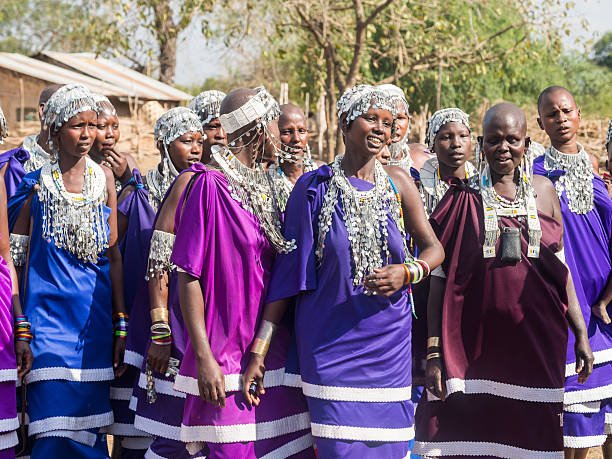
Tloma Traditional Culture and Coffee Tour
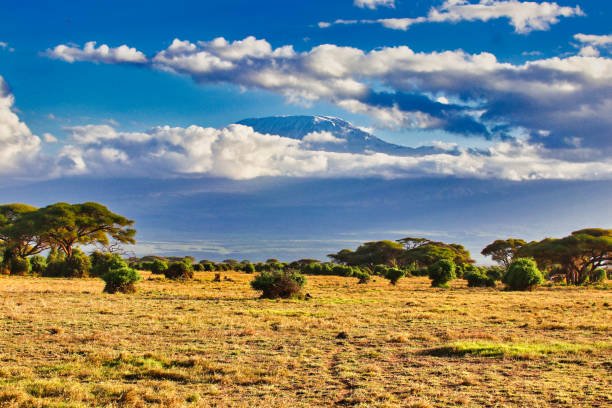
The Tloma Traditional Culture and Coffee Tour combines locally guided cultural exploration with a practical introduction to coffee farming around Tloma and the wider Karatu highlands.
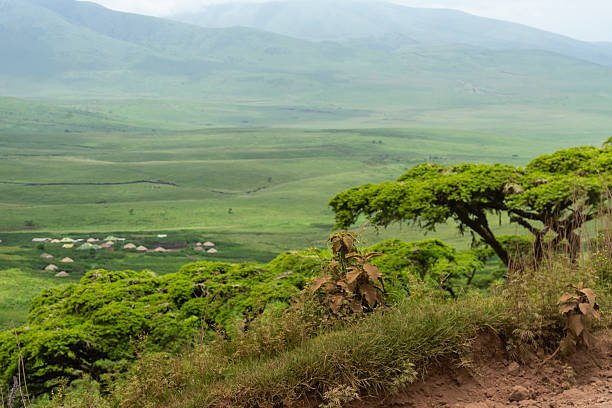
The experience can introduce travellers to village roads, agricultural landscapes, coffee farms and selected aspects of community heritage.
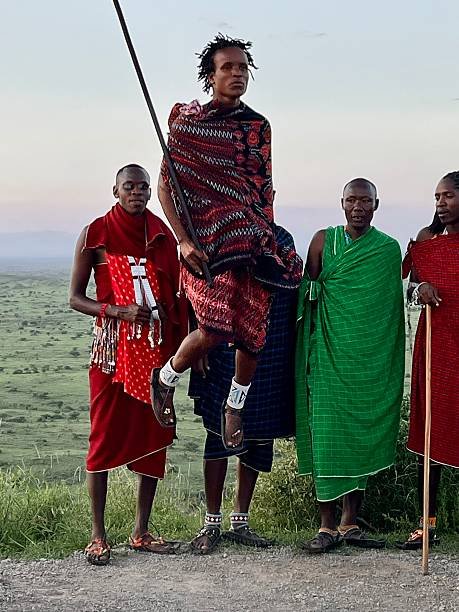
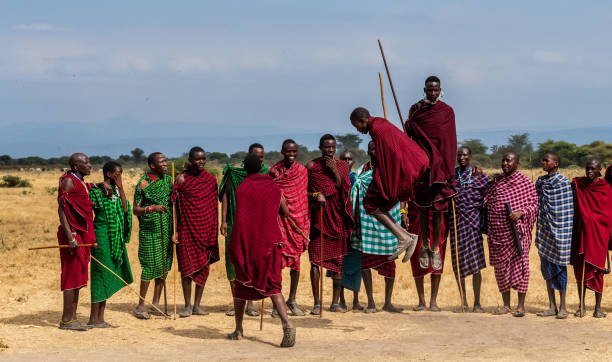
Where relevant to the confirmed host community, local guides may also provide interpretation connected with Iraqw culture.
The coffee portion can explain how coffee plants are cultivated and how different stages of production connect the farm with the final drink.
Depending on season and the confirmed program, activities may include coffee picking, processing, drying, roasting, grinding and tasting.
Traditional food, farm activities or a local market visit may also be added where specifically arranged.
The exact route and cultural content depend on the community, guide, host and available time.
The experience should remain respectful and community led, with local people deciding what cultural knowledge and activities they are comfortable sharing.
Tloma Traditional Culture and Coffee Tour at a Glance
- Location: Tloma and the wider Karatu highlands
- Main Focus: Traditional culture, village life and coffee farming
- Possible Cultural Context: Iraqw heritage where relevant
- Coffee Activities: Cultivation, seasonal harvesting, processing, roasting, grinding and tasting according to the confirmed program
- Possible Additions: Local food, farm activities and market visits
- Safari Extensions: Ngorongoro, Lake Manyara, Lake Eyasi, Tarangire and Serengeti
- Suitable For: Solo travellers, couples, families and small groups
Tloma Traditional Culture and Coffee Tour Experience
PART
01
WELCOME
Meet Your Local Tloma Guide
Begin at the confirmed meeting location in or around Tloma and Karatu.
Meet the local guide and receive an introduction to the village, cultural program and coffee experience.
The guide can explain the expected walking route, farm conditions and activities planned for the visit.
Visitors can also receive guidance about respectful photography, private areas and interaction with community hosts.
Beginning the Tloma Experience
- Meet the local cultural guide
- Review the village route
- Discuss the coffee program
- Learn basic visitor etiquette
- Confirm optional food or farm activities
PART
02
VILLAGE CULTURE
Explore Tloma Village Life
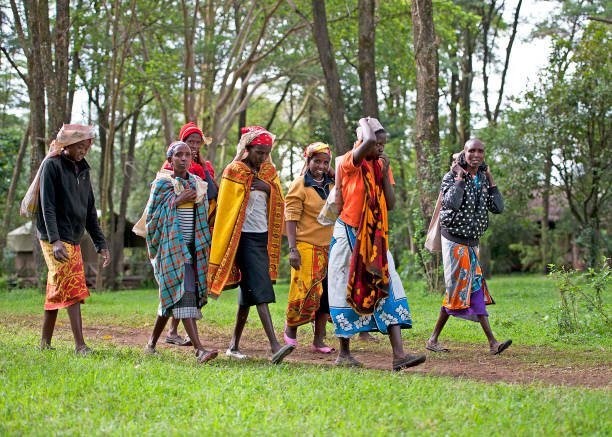
Continue through selected village roads and agricultural landscapes with the local guide.
The route may pass farms, fields, homes and other rural community environments according to the confirmed itinerary.
The guide may discuss agriculture, food production, local livelihoods and everyday village life.
Where an Iraqw cultural component is included, selected aspects of local heritage may also be introduced.
Specific household visits should only be expected when arranged with the participating hosts.
PART
03
COFFEE FARM
Walk through Coffee Growing Landscapes
Continue into a confirmed coffee growing area with the local host or guide.
Learn how coffee plants are cultivated and managed throughout different stages of growth.
The host may explain flowering, fruit development, plant care and harvesting according to the season.
Other crops may also be visible depending on the selected property.
The agricultural environment changes throughout the year, so ripe cherries should not be expected during every visit.
PART
04
PROCESSING
Follow Coffee from Cherry toward Bean
The coffee host may explain how coffee is harvested and processed before roasting.
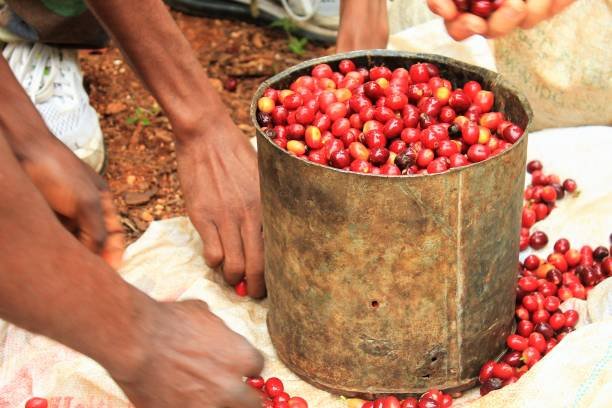
When ripe cherries are available, visitors may observe or participate in selected picking activities where included.
Pulping, drying, sorting or other stages may also be demonstrated according to the host program.
Processing methods can vary between farms, so the tour should reflect the techniques used by the confirmed host.
PART
05
BEAN TO CUP
Roast, Grind and Taste Fresh Coffee
Where included, complete the coffee experience with roasting and grinding.
The host may demonstrate how processed coffee beans are roasted and prepared for brewing.
Travellers may assist with suitable stages according to the confirmed program.
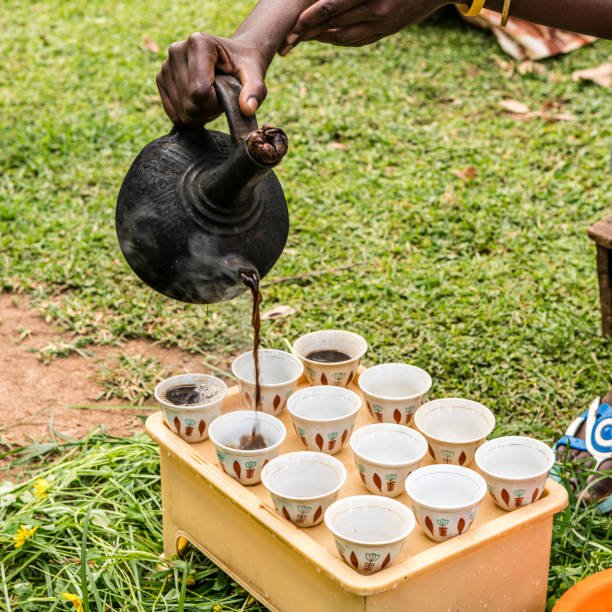
Fresh coffee preparation and tasting may provide the final step before completing the experience.
Possible Bean to Cup Activities
- Coffee plant interpretation
- Seasonal cherry picking
- Processing demonstration
- Drying or sorting explanation
- Coffee roasting
- Grinding
- Brewing and tasting where included
Why Choose the Tloma Traditional Culture and Coffee Tour?
The tour combines two complementary parts of rural life: cultural heritage and agriculture.
Travellers can learn how coffee is produced while also gaining local context about village life, food and farming.
The experience can provide a slower and more personal addition to a northern Tanzania safari itinerary.
Main Tloma Culture and Coffee Highlights
- Locally guided Tloma village walk
- Traditional cultural interpretation
- Iraqw heritage where relevant
- Coffee growing landscapes
- Seasonal coffee harvesting
- Coffee processing interpretation
- Possible roasting, grinding and tasting
- Optional traditional food experience
Traditional Culture in Tloma
The cultural portion should focus on subjects shared by the participating guide and community hosts.
These may include agriculture, food, local history, family life, language or changing livelihoods.
The exact cultural content depends on the host program.
Visitors should avoid assuming that every household follows the same traditions.
Iraqw Cultural Heritage
Where relevant to the selected community, an Iraqw cultural component may form part of the experience.
Local guides or hosts can provide interpretation connected with their own community and family context.
Cultural heritage may include agriculture, food, oral history, language and everyday social life.
The experience should reflect contemporary community life as well as historical traditions.
Agriculture and Everyday Life
Farming can provide important context for understanding rural life around Tloma.
The guide may explain crops encountered during the walk and how seasonal agriculture influences household routines.
The exact crops and activities visible depend on the time of year.
Coffee Cultivation
The coffee portion can begin with an introduction to the coffee plant itself.
The local host may explain how plants are maintained and how flowers eventually develop into coffee cherries.
The stage visible during a particular visit depends on seasonal conditions.
Seasonal Coffee Harvesting
Coffee picking is seasonal rather than available throughout the year.
If suitable ripe cherries are present, visitors may observe or participate in harvesting according to the confirmed farm arrangement.
Outside harvest periods, the guide can still explain how ripe cherries are selected and collected.
Harvesting Depends on the Season
Coffee plants change throughout the agricultural cycle. Picking ripe cherries is only possible when suitable fruit is available and the host program includes participation.
Coffee Processing
After harvesting, coffee requires several processing stages before it can be roasted.
The host may explain or demonstrate selected steps used on the confirmed farm.
Processing methods and equipment can vary between producers.
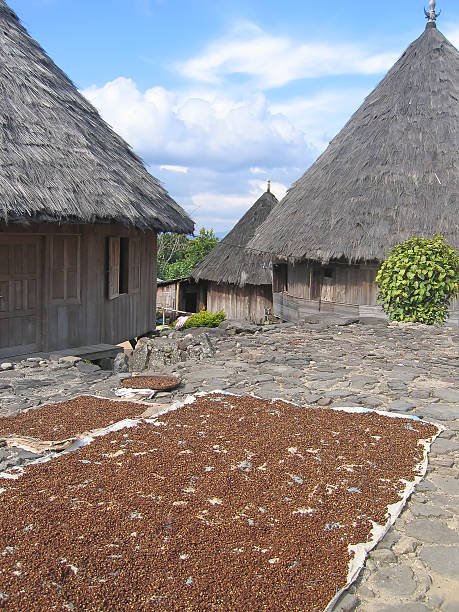
Coffee Drying and Sorting
Drying or sorting may be included according to the coffee program.
The guide can explain why these steps are important before roasting.
Whether active drying can be seen depends on season and what is happening on the farm.
Coffee Roasting
Roasting may form one of the most interactive stages of the experience.
The host can explain how heat changes processed coffee beans before they are ground.
The exact roasting technique depends on the confirmed program.
Coffee Grinding
After roasting, coffee may be ground using the method demonstrated by the host.
Visitors may participate where appropriate.
This stage connects the farm and processing experience with the final drink.
Coffee Tasting
Fresh coffee tasting can provide a natural conclusion to the coffee portion.
Visitors can enjoy the prepared coffee while discussing the different stages covered during the experience.
Tasting should only be considered included when specifically confirmed.
Traditional Food Experience
A food or cooking activity may also be included.
The host can introduce selected ingredients and preparation methods according to the confirmed menu.
Travellers may assist with appropriate stages of cooking where arranged.
Specific dishes should not be assumed before confirmation.
Coffee and Local Food Combination
Combining coffee and traditional food can provide a broader agricultural experience.
Travellers can learn about coffee cultivation before continuing with a meal or cooking activity.
The combination can help connect farming with household food culture.
Vegetarian and Vegan Options
Vegetarian or vegan food may be possible where meals are included.
Dietary preferences should be communicated before arrival.
The host can then confirm what can be prepared.
Food Allergies
Travellers with food allergies should provide clear information in advance.
The ability to accommodate specific allergies depends on the host kitchen, ingredients and preparation environment.
No dietary accommodation should be assumed until confirmed.
Tloma Farm Experience
A wider farm visit may be added where available.
This can introduce travellers to crops beyond coffee and provide more context about local agriculture.
The exact activities depend on the selected property and season.
Karatu Market Extension
A Karatu market visit may be combined with the tour according to timing.
The market can provide opportunities to observe produce, ingredients and local trade.
Market activity varies, so availability should be confirmed for the selected date.
Respectful Cultural Tourism
The cultural experience should be approached as an opportunity to learn from local people.
Residents and farmers should not be treated simply as tourist attractions.
Visitors should follow guide instructions regarding photographs, private homes and working farm areas.
Cultural activities should reflect what hosts have voluntarily agreed to share.
Respect Community Hosts
Tloma is a living and working community. A meaningful cultural experience respects local routines, private areas and the choices of community hosts about what they wish to share.
Photography during the Tour
Village roads, farms and coffee landscapes can provide attractive photography opportunities.
Visitors should request permission before taking close photographs of residents where appropriate.
Photography should not interrupt farming, cooking or community activities.
Walking Distance and Difficulty
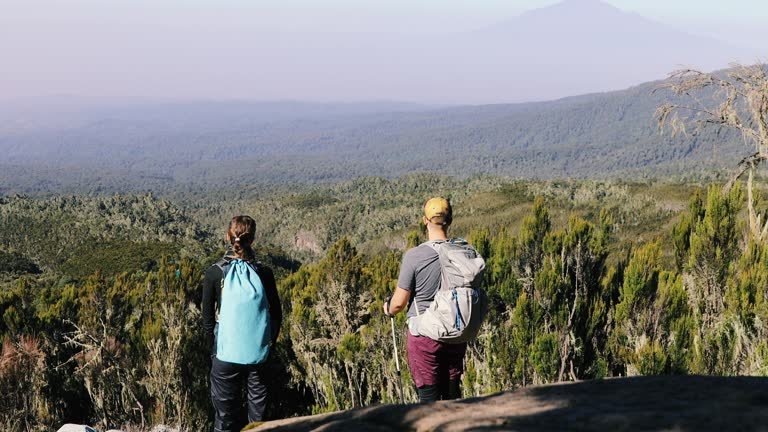
The walking difficulty depends on the selected Tloma route.
Some programs may involve gentle walking along village roads and farm paths.
Others may include uneven ground or gradual slopes.
The route can be selected according to participant ability where practical.
Confirm the Walking Route
Walking distance, terrain and duration can vary between community and farm programs, so the final route should match the ability and available time of the travelling party.
Private Tloma Traditional Culture and Coffee Tour
A private experience can be arranged according to guide and host availability.
This can provide more flexibility around walking pace, cultural interests and time spent on coffee activities.
Food, market or safari extensions can also be added where available.
Shared Cultural and Coffee Tour
A shared experience may be possible when compatible travellers are confirmed.
Participants follow the same general cultural and coffee program.
Shared availability should be checked for the preferred date.
Solo Travellers
Solo travellers can request the Tloma Traditional Culture and Coffee Tour.
A private guide may be arranged or a compatible shared experience may be available.
Couples
Couples can arrange a private cultural and coffee experience according to available time and interests.
Food or safari activities can also be added where confirmed.
Families
Families can request a suitable route according to children's ages and walking ability.
Coffee cultivation and processing can provide an educational agricultural experience.
Hands on activities should be selected according to age and safety.
Small Groups
Small groups can arrange the experience together.
Group size may influence guide arrangements and the level of hands on coffee participation available.
Larger groups should confirm the program in advance.
Morning Culture and Coffee Tour
A morning tour can provide comfortable conditions for walking on many days.
It can also leave the afternoon available for another cultural activity or safari transfer.
The exact starting time depends on the local guide and coffee host.
Afternoon Culture and Coffee Tour
An afternoon program may also be available according to host schedules.
The timing should leave sufficient daylight for outdoor walking and farm activities.
Best Time for the Tloma Traditional Culture and Coffee Tour
The cultural tour can operate during different periods of the year.
Coffee plants and agricultural activities change throughout the growing cycle.
Travellers interested specifically in ripe coffee or harvesting should confirm expected conditions for their travel dates.
Rainfall can also influence walking surfaces and farm access.
Before a Wildlife Safari
The Tloma cultural and coffee experience can be arranged before a safari.
This allows travellers to begin with local agriculture and community life before continuing into protected wildlife areas.
The final timing should allow realistic travel time to the next destination.
After a Wildlife Safari
The experience can also be arranged after safari.
A village walk, coffee farm and local food activity can provide an interactive contrast after vehicle based game drives.
The timing can be coordinated with accommodation and onward transport.
Tloma Culture, Coffee and Ngorongoro Safari
Ngorongoro can be combined with the Tloma experience according to the confirmed itinerary.
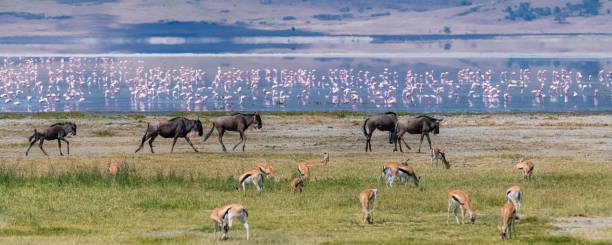
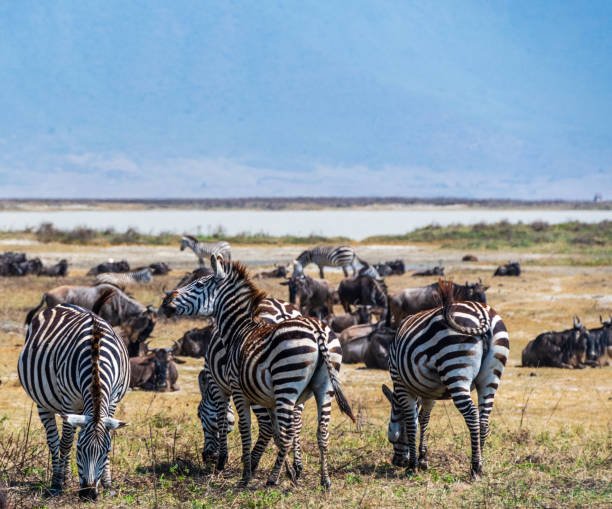
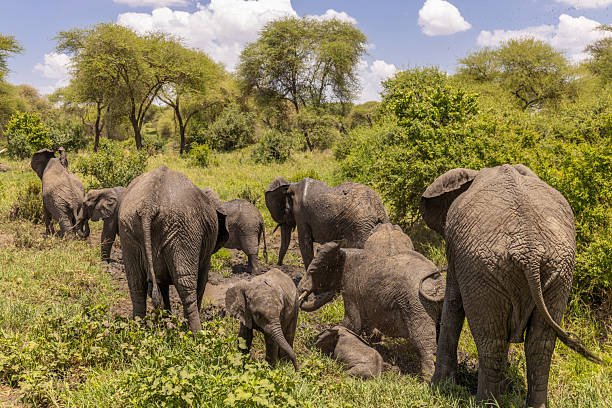
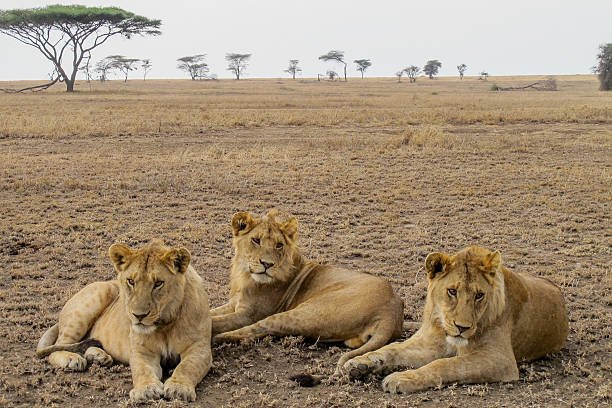
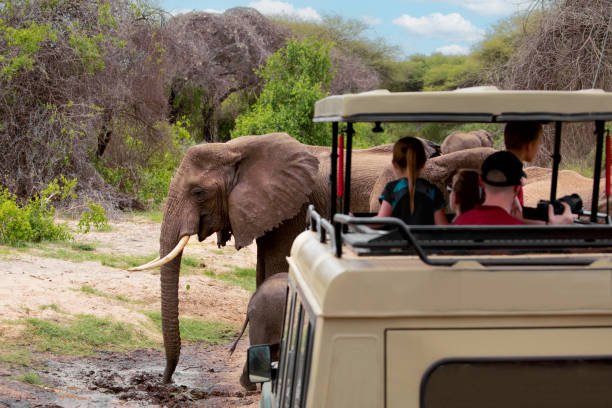
Where a crater game drive is included, possible wildlife includes lions, elephants, buffalo, zebra, wildebeest, hyenas, hippos and gazelles.
Black rhino may also be encountered but can remain distant or unseen.
No wildlife sighting can be guaranteed.
Ngorongoro Conservation Area related charges and crater related charges should be included according to the confirmed quotation.
Tloma Culture, Coffee and Lake Manyara
Lake Manyara National Park can be added when enough travel time is available.
Possible wildlife includes elephants, giraffes, buffalo, zebra, hippos, baboons and blue monkeys.
Tree climbing lions are associated with the park, although sightings cannot be guaranteed.
Tloma Culture, Coffee and Lake Eyasi
Lake Eyasi can be added to a wider cultural itinerary.
Any Hadzabe or Datoga cultural activities should be arranged separately with suitable local guides and community hosts.
Iraqw, Hadzabe and Datoga communities are distinct and should be represented separately and respectfully.
Tloma Culture, Coffee and Tarangire Safari
Tarangire National Park can be included in a wider northern Tanzania itinerary.
The park is associated with baobab landscapes and strong elephant viewing opportunities.
Possible wildlife includes elephants, giraffes, zebra, wildebeest, buffalo, warthogs and antelope species.
Predators may also be encountered, although sightings remain unpredictable.
Tloma Culture, Coffee and Serengeti Safari
Travellers with additional days can continue toward Serengeti National Park.
Possible wildlife includes lions, cheetahs, leopards, hyenas, wildebeest, zebra, elephants, giraffes and buffalo.
Serengeti is generally better suited to a multi day extension because of the additional travel distance.
What to Wear
Comfortable and respectful clothing suitable for village and farm walking is recommended.
Closed walking shoes can be useful on rural and agricultural paths.
A light layer may be helpful during cooler highland conditions.
Sun protection is recommended for outdoor activities.
What to Bring
- Comfortable walking shoes
- Comfortable and respectful clothing
- Sun protection
- Sunglasses
- Light rain protection where appropriate
- Drinking water if not included
- Camera or smartphone
- Personal medication
- Dietary information where food is included
What Is Normally Included?
- Tloma cultural experience according to the confirmed program
- Local cultural guide
- Village walking where confirmed
- Cultural and agricultural interpretation
- Coffee farm experience according to the confirmed program
- Coffee cultivation interpretation
- Processing activities where included
- Roasting, grinding or tasting where specifically confirmed
- Drinking water where included
- Agreed transportation where specifically included
Possible Exclusions
- International flights
- Tanzania visa
- Travel insurance
- Hotel accommodation unless specified
- Airport transfers unless specified
- Traditional food unless specifically included
- Extended farm or market activities unless specifically included
- Safari activities unless specifically included
- Personal purchases
- Tips
Tloma Traditional Culture and Coffee Tour Price
The exact price depends on the number of travellers, program duration, cultural activities, coffee farm arrangement and transportation.
A simple village and coffee experience has a different cost structure from a longer program including food, market activities or wildlife safari extensions.
Private and shared arrangements may also have different per person prices.
The final quotation should clearly confirm the cultural program, coffee activities, transportation, inclusions and exclusions.
What Affects the Tour Cost?
- Number of travellers
- Private or shared arrangement
- Cultural program duration
- Local guide and host arrangements
- Coffee farm activities
- Processing, roasting and grinding activities
- Coffee tasting where included
- Food or market activities
- Transportation arrangements
- Safari extensions where included
How to Plan Your Tloma Traditional Culture and Coffee Tour
Culture and Coffee Booking Checklist
- Confirm your preferred date
- Confirm the number of travellers
- Confirm available time
- Confirm the village cultural program
- Confirm any Iraqw cultural component
- Confirm the coffee farm experience
- Check whether harvesting is expected
- Check whether processing is demonstrated
- Check whether roasting, grinding and tasting are included
- Check whether traditional food is included
- Confirm pickup and final drop off arrangements
- Coordinate the experience with safari plans where required
Frequently Asked Questions
What is the Tloma Traditional Culture and Coffee Tour?
It is a locally guided experience combining village culture, agriculture and coffee production around Tloma near Karatu.
Does the experience include a village walk?
A guided village walk may form a central part of the cultural program according to the confirmed itinerary.
Can we learn about Iraqw culture?
Yes, where an Iraqw cultural component is included, suitable local guides or hosts may introduce selected aspects of Iraqw heritage.
Does the tour include a coffee farm?
The coffee component can include a guided visit to a confirmed coffee growing area or farm.
Can we pick coffee cherries?
Coffee picking may be possible when ripe cherries are available and harvesting is included in the confirmed program.
Will we learn about coffee processing?
Selected processing stages may be explained or demonstrated according to the confirmed coffee host.
Can we roast and grind coffee?
Roasting and grinding may be included in the bean to cup program and should be confirmed before booking.
Is coffee tasting included?
Coffee tasting may be included according to the confirmed program.
Can traditional food be included?
Yes. A local meal or cooking activity may be added according to host availability and the confirmed itinerary.
Is it suitable for families?
Yes. Families can request a route and activity level selected according to children's ages and walking ability.
Can solo travellers book?
Yes. Solo travellers can request a private tour or join a compatible shared experience where available.
Can couples book?
Yes. Couples can arrange a private or shared cultural and coffee experience according to availability.
Can the tour be combined with Ngorongoro?
Yes. The Tloma experience can be arranged before or after a Ngorongoro safari according to the confirmed itinerary.
Can Lake Manyara be included?
Yes. Lake Manyara can be included when enough travel time is available.
Can Lake Eyasi be included?
Yes. Lake Eyasi can be added according to available time, with cultural programs there arranged separately with appropriate local guides and communities.
Can Tarangire be added?
Yes. Tarangire can be included in a wider northern Tanzania safari itinerary.
Can Serengeti be included?
Yes. Serengeti can be added when enough travel days are available for the longer journey and wildlife viewing.
Are meals included?
Meals should only be considered included when specifically listed in the confirmed cultural program.
Is hotel pickup included?
Hotel pickup should only be considered included when specifically listed in the confirmed package.
Are airport transfers included?
Airport transfers are not automatically included unless specifically stated in the confirmed quotation.
How do I book the Tloma Traditional Culture and Coffee Tour?
Provide your preferred date, number of travellers, available time and interests such as village culture, Iraqw heritage, coffee harvesting, processing, traditional food or safari. The final program can then confirm the activities, transportation, inclusions, exclusions and price.
Discover Tloma Culture and Coffee from Farm to Cup
Explore village and farming landscapes, learn about local cultural heritage and follow selected stages of coffee production from the growing plant to roasting, grinding and fresh preparation near Karatu.
Request Your Tloma Culture and Coffee Tour