Explore the Africa Health and Safety Travel Guide in 2026–2027. Learn how to stay healthy and safe while traveling across Africa’s diverse regions, communities, and destinations.
Africa Health and Safety Travel Guide 2026–2027 is perfect for travelers seeking comprehensive advice on maintaining health and safety during their African journeys. This guide focuses on health precautions, medical considerations, and safety practices for both urban and remote destinations.
Using Africa Health and Safety Travel Guide 2026–2027, travelers learn about vaccinations, malaria prevention, food and water safety, emergency preparedness, and safe travel practices. Highlights include advice for solo travelers, families, and small groups, as well as tips for adventure activities, wildlife encounters, and cultural interactions. Optional sections cover travel insurance, first-aid essentials, and local health resources.
Africa Health and Safety Travel Guide 2026–2027 provides practical guidance, planning tips, and safety strategies to ensure a secure and healthy travel experience. Ideal for all types of travelers, this guide helps maximize enjoyment while minimizing risks across Africa’s diverse landscapes and cultures.
Traveling in Africa provides unforgettable experiences, from wildlife safaris and cultural adventures to beach escapes and mountain treks. However, ensuring health and safety is crucial for an enjoyable journey. This Africa health and safety travel guide equips travelers with essential knowledge and practical tips to stay healthy, avoid risks, and navigate emergencies confidently.
Whether you are traveling solo, with family, or in a group, following health and safety advice allows you to explore Africa responsibly while minimizing potential challenges.
Africa is a vast continent with diverse environments, cultures, and infrastructures. An Africa health and safety travel guide is important because:
Travelers face different climates, diseases, and wildlife risks
Road conditions, public transportation, and urban safety vary widely
Medical care may be limited in remote areas
Awareness of cultural norms improves safety and respect
Proper preparation allows travelers to focus on experiences rather than potential hazards.
Consult a travel clinic 4–6 weeks before departure
Recommended vaccines often include: yellow fever, hepatitis A & B, typhoid, tetanus, meningitis, and polio
Malaria prophylaxis is essential in many regions; use mosquito nets and repellents
Drink bottled or boiled water, avoid ice from uncertain sources
Eat fresh, well-cooked foods, and avoid street food that appears unhygienic
Wash hands regularly and carry hand sanitizer
Carry basic first aid and medications for common illnesses
Protect skin with sunscreen, hats, and clothing
Stay hydrated, especially in hot climates
Be aware of altitude sickness in mountainous areas
Following these tips ensures a safer and healthier experience.
Personal security is a key focus of any Africa health and safety travel guide.
Avoid walking alone at night, especially in unfamiliar neighborhoods
Keep personal items secure and minimize visible valuables
Use hotel safes for passports, money, and electronics
Be cautious when using ATMs and public transportation
Travel with local guides or organized groups
Inform someone of your itinerary
Stay aware of wildlife and natural hazards
These practices reduce risks and enhance travel confidence.
Transportation safety is an important part of this Africa health and safety travel guide.
Use licensed taxis, ride-hailing services, or hotel-arranged transport
Avoid driving at night in rural areas due to wildlife and poor road conditions
Keep emergency contacts and maps accessible
For domestic flights, book reputable airlines with safety records
Safe transportation ensures smoother travel and reduces potential accidents.
Wildlife encounters and outdoor adventures require special attention.
Always follow guide instructions and park regulations
Maintain safe distances from animals
Avoid loud noises or sudden movements
Carry sufficient water, sunscreen, and insect protection
Travel with experienced guides
Wear appropriate clothing and footwear
Check weather and trail conditions
Avoid walking alone in wildlife-rich areas
These precautions minimize risks in Africa’s natural environments.
Respecting local cultures contributes to safety.
Dress modestly in rural and religious areas
Learn local customs and greetings
Ask permission before taking photographs of people or sacred sites
Avoid sensitive political or religious discussions
Cultural awareness fosters positive interactions and reduces potential misunderstandings.
Being prepared for emergencies is central to any Africa health and safety travel guide.
Keep a list of local emergency numbers, including hospitals, police, and embassies
Carry copies of passports, visas, and travel insurance documents
Purchase comprehensive travel insurance covering medical evacuation and accidents
Share your travel itinerary with family or friends
Preparedness enhances confidence and ensures a timely response in case of emergencies.
Keep cash and cards in secure, inconspicuous places
Avoid displaying valuables in public
Use RFID-blocking wallets for cards and passports
Keep minimal cash for day-to-day expenses
Financial security is an integral part of overall travel safety.
Carry a local SIM card or mobile hotspot for reliable communication
Use GPS and mapping apps for navigation
Save emergency contacts in your phone and offline
Avoid public Wi-Fi for banking or sensitive transactions
Technology supports both health and personal safety during travel.
Travel insurance is a cornerstone of Africa health and safety travel guide.
Select comprehensive coverage including medical emergencies, evacuation, trip cancellation, and lost belongings
Verify insurance covers adventure activities like safaris, trekking, and water sports
Keep insurance information easily accessible
Insurance provides peace of mind and financial protection during unforeseen events.
Drink water regularly and avoid excessive sun exposure
Travel with a buddy whenever possible
Carry a small first aid kit
Maintain situational awareness at all times
Follow local health advisories and news
These daily habits prevent common health and safety issues during travel.
Ignoring vaccinations or malaria prevention
Overlooking local safety advice
Carrying all valuables openly
Traveling without insurance
Underestimating environmental hazards
Avoiding these mistakes ensures a safer and more enjoyable experience.
Following an Africa health and safety travel guide ensures travelers enjoy the continent with confidence. By preparing for health risks, personal security, transportation, wildlife encounters, cultural norms, and emergencies, travelers can focus on Africa’s incredible wildlife, rich culture, stunning landscapes, and historic sites.
Safety and health awareness allow for rewarding and immersive travel, creating unforgettable memories while minimizing risks. Preparation, vigilance, and respect are the keys to a safe and enjoyable African journey.
African Trek & Travel is a leading Tanzania tour operator in Moshi and Arusha for 2026–2027, specializing in Kilimanjaro treks, safaris, and tailor-made adventures. With deep local expertise and a strong commitment to safety and quality, we deliver unforgettable travel experiences across East Africa.
Discover popular Safaris, Serengeti Migration, Kilimanjaro Climbing & Zanzibar Beach Holidays. Plan your perfect adventure today!
 Popular
Experience the wildebeest migration across the vast Serengeti and Ngorongoro plains. Perfect for wildlife lovers and photography enthusiasts.
Book Now New
New
Climb Africa’s highest peak via scenic routes with expert guides and safe treks. Experience adventure with full support and accommodation included.
Book Now Popular
Relax in paradise with pristine white beaches, spice tours, and cultural charm. Ideal for families and honeymooners seeking luxury and tranquility.
Book Now

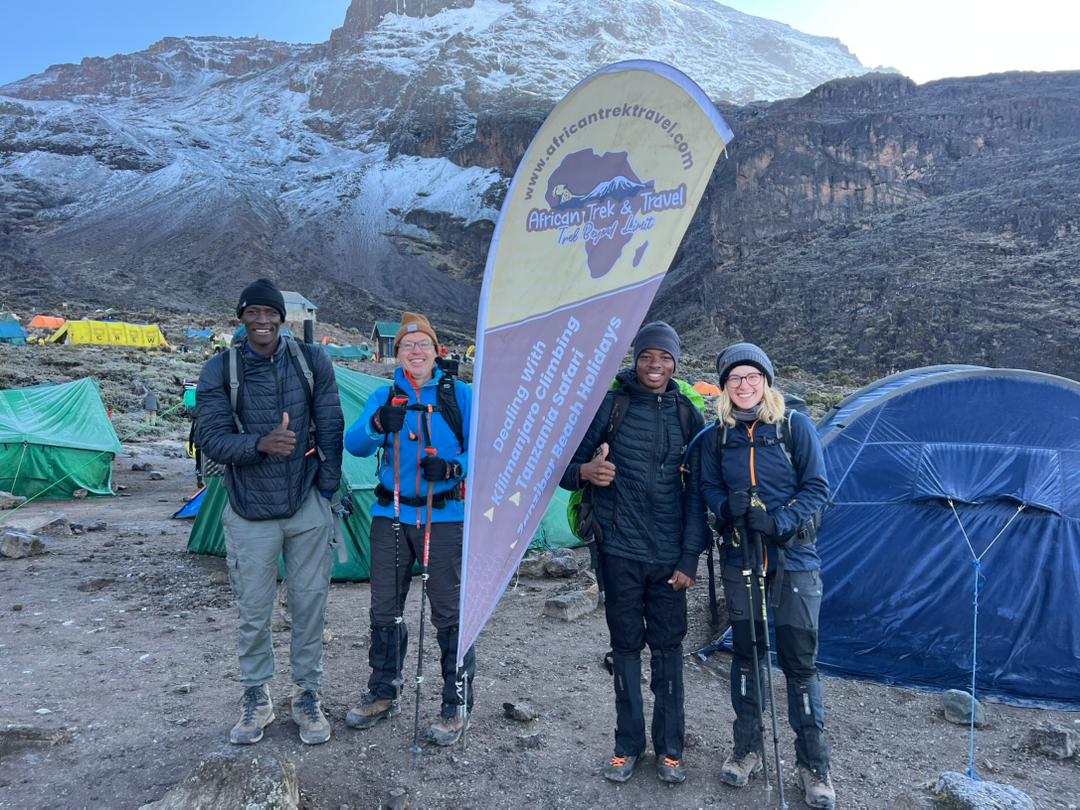
We collaborate with top tour operators to provide the best experiences for Kilimanjaro treks, safaris, and adventures.