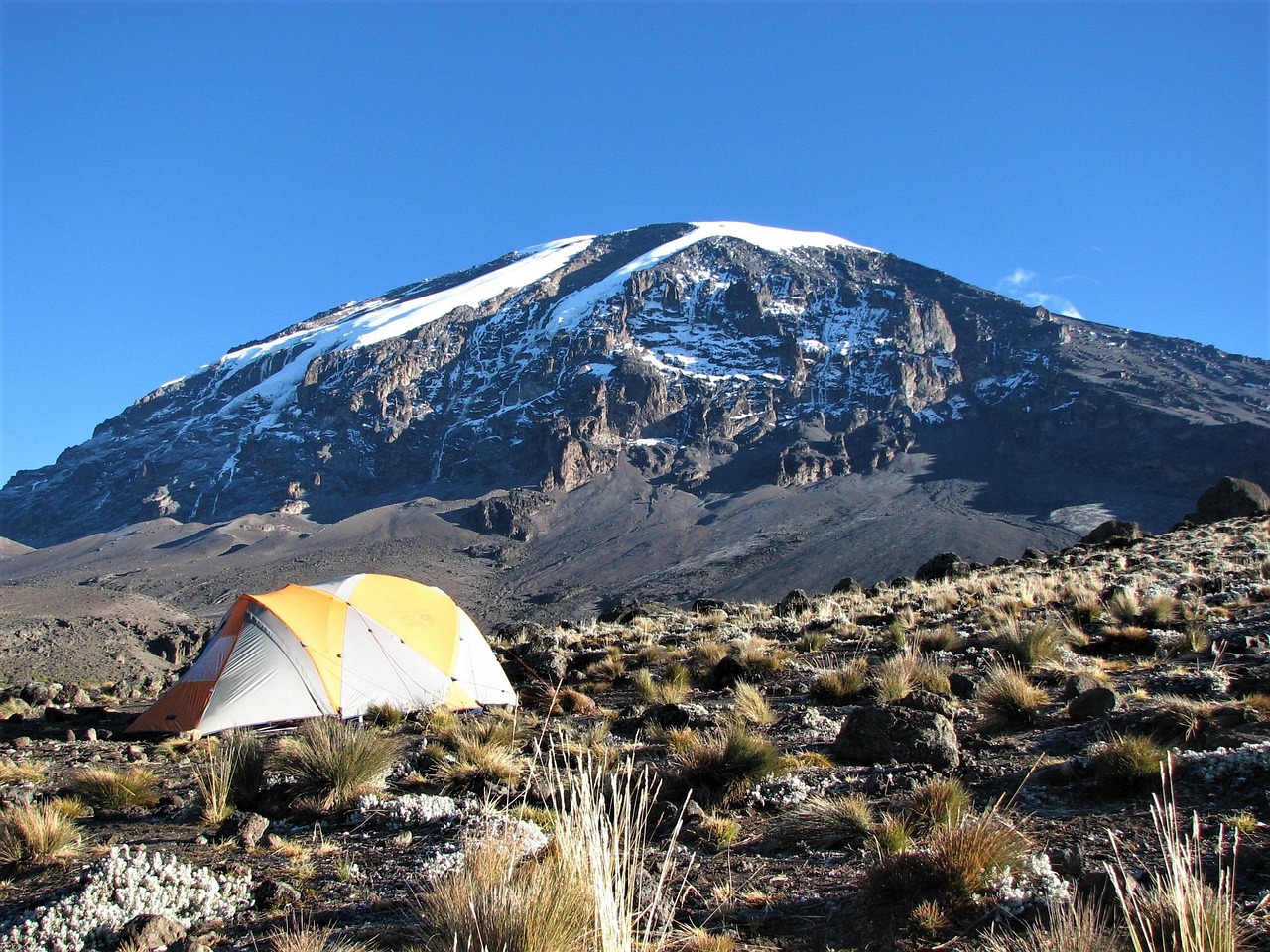
Discover the Best Time to Climb Mount Kenya in 2026–2027. Plan your trek for ideal weather, safer trails, and clear summit views for a successful adventure.
Choosing the right season is essential for a safe and enjoyable Mount Kenya adventure. Knowing the Best Time to Climb Mount Kenya 2026–2027 helps trekkers avoid heavy rains, challenging trail conditions, and poor visibility while maximizing comfort and summit success.
The Best Time to Climb Mount Kenya 2026–2027 is generally during the dry seasons, from January to February and from June to September. During these periods, weather conditions are more stable, trails are less muddy, and climbers enjoy clearer views of the mountain’s dramatic peaks and glaciers.
Best Time to Climb Mount Kenya 2026–2027 also depends on route choice, altitude acclimatization, and trekking experience. By planning your climb during optimal months, you increase safety, improve overall trekking conditions, and enhance your chances of a rewarding and memorable Mount Kenya summit experience.
.jpg "Best Time to Climb Mount Kenya")
Find the best time to climb Mount Kenya with a complete seasonal guide covering weather, trail conditions, visibility, safety, wildlife, and route-specific recommendations for a successful trek.
Choosing the best time to climb Mount Kenya is one of the most important decisions when planning your adventure. Mount Kenya is Africa’s second-highest mountain and offers diverse trekking experiences, from lush forests and moorlands to alpine landscapes and rocky peaks. Weather patterns, rainfall, visibility, and trail conditions vary significantly throughout the year, directly affecting safety, summit success, and overall enjoyment.
This detailed guide explains the best time to climb Mount Kenya by season, month, route, and trekking goal. Whether you aim to reach Point Lenana, attempt technical peaks like Batian and Nelion, or simply enjoy scenic hiking, timing your climb correctly makes a major difference.
Understanding the best time to climb Mount Kenya helps you avoid unnecessary risks and maximize your experience.
Key reasons timing matters include:
Rainfall affects trail safety and accessibility
Clear weather improves summit views and photography
Temperature changes impact comfort and gear needs
Wildlife activity varies by season
Technical climbs require stable weather windows
Mount Kenya’s weather can change quickly, so selecting the right season improves safety and success.
To understand the best time to climb Mount Kenya, it helps to know how the mountain’s climate works.
Mount Kenya has an equatorial climate influenced by altitude, creating several ecological zones:
Lower forest zone: warm and humid
Moorland zone: cool and often misty
Alpine zone: cold, windy, and dry
Summit zone: freezing temperatures, frost, and occasional snow
Rainfall occurs in two main wet seasons, while the dry seasons offer the most stable trekking conditions.
The dry seasons are widely considered the best time to climb Mount Kenya due to safer trails and clearer weather.
This period is one of the best times to climb Mount Kenya.
Conditions during January–March:
Minimal rainfall
Clear skies and excellent visibility
Dry trails with fewer slippery sections
Cold nights at high altitude but manageable
Advantages:
Ideal for Point Lenana summit attempts
Excellent conditions for photography
Suitable for all main routes
Good for first-time climbers
Disadvantages:
Nights can be very cold above 4,000 meters
Popular months require advance booking
Another peak period and often regarded as the best time to climb Mount Kenya.
Conditions during July–October:
Dry, stable weather
Cool daytime temperatures
Very low rainfall
Clear summit views
Advantages:
Excellent trekking and climbing conditions
Safer for technical climbs on Batian and Nelion
Ideal for long itineraries and route combinations
Disadvantages:
Cold winds at high altitude
Higher demand for guides and accommodation
While possible, the wet seasons are not considered the best time to climb Mount Kenya for most trekkers.
This is the most challenging period.
Conditions:
Heavy rainfall
Muddy and slippery trails
Poor visibility
Increased risk of hypothermia
Challenges:
Difficult river crossings
Slower trekking pace
Higher risk of accidents
This period is not recommended for inexperienced climbers.
This season is less severe but still not ideal.
Conditions:
Intermittent rainfall
Cloud cover and mist
Variable trail conditions
Advantages:
Fewer climbers
Lush scenery
Disadvantages:
Unpredictable weather
Reduced summit visibility
Understanding the best time to climb Mount Kenya month by month helps with detailed planning.
Dry, clear, cold nights
Excellent summit success
One of the best months overall
Stable weather
Great visibility
Ideal for all routes
Mostly dry early in the month
Late March may see rain
Still a good climbing window
Heavy rains begin
Poor trail conditions
Not recommended
Wettest month
High risk on trails
Avoid climbing
Transition period
Trails begin to dry
Improving conditions
Cool, dry, and stable
Excellent climbing month
Peak season
Cold nights but safe conditions
Dry and clear
Excellent summit views
End of dry season
Still suitable for climbing
Short rains
Mixed conditions
Improving weather mid-month
Good option toward end of month
Different routes perform better in different seasons.
Best time to climb Mount Kenya: January–March and July–October
Gradual ascent and drier conditions
Ideal for acclimatization
Best during dry months for safety
Slippery during rainy seasons
Most scenic when visibility is high
Fastest but steep
Best during dry seasons only
Avoid during rains due to muddy sections
Remote and forested
Best in driest months
Not suitable during wet seasons
Summit success depends heavily on weather and acclimatization.
The best time to climb Mount Kenya for reaching Point Lenana or higher peaks is:
January–March
July–September
Reasons:
Lower altitude sickness risk due to steady pacing
Clear summit windows
Safer early-morning summit attempts
Technical climbers targeting Batian and Nelion should strictly choose dry months.
For first-time climbers, the best time to climb Mount Kenya is when conditions are most forgiving.
Recommended months:
February
August
September
These months offer:
Predictable weather
Dry trails
Manageable temperatures
Good guide availability
The best time to climb Mount Kenya also affects wildlife and landscape.
Dry Season:
Easier wildlife sightings in forest zones
Clear alpine views
Brown and golden landscapes
Wet Season:
Lush greenery
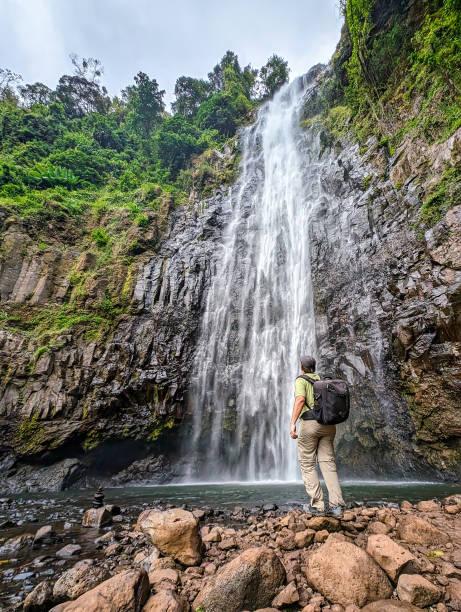
Waterfalls at full flow
Limited visibility at higher altitudes
Temperatures vary significantly depending on season and altitude.
Dry season temperatures:
Daytime: 10°C–20°C (lower zones)
Nighttime: -5°C to 5°C (high camps)
Wet season temperatures:
Cooler days
Increased wind chill
Higher hypothermia risk
The best time to climb Mount Kenya balances cold nights with stable daytime weather.
Safety is closely linked to choosing the best time to climb Mount Kenya.
Dry seasons reduce:
Slips and falls
River-crossing dangers
Exposure-related injuries
Stable weather also improves rescue response times if needed.
During the best time to climb Mount Kenya, demand increases.
Peak months:
February
August
September
Tips:
Book guides early
Reserve huts and camps in advance
Secure permits ahead of time
Key points to remember:
Best overall months: January–March, July–October
Avoid: April–May heavy rains
Best routes in dry season: All major routes
Best for beginners: February, August, September
Best for technical climbs: July–September
Choosing the best time to climb Mount Kenya improves safety, comfort, and success.
The best time to climb Mount Kenya depends on weather stability, trail safety, and your climbing goals. Dry seasons offer clear skies, safer conditions, and higher summit success rates, making them ideal for both beginners and experienced climbers. While wet seasons bring dramatic scenery, they also increase risks and difficulty.
By planning your climb during the optimal months and selecting the right route, you ensure a safer, more enjoyable, and more rewarding Mount Kenya experience. Proper timing transforms Mount Kenya from a demanding challenge into an unforgettable adventure.
African Trek & Travel is a leading Tanzania tour operator in Moshi and Arusha for 2026–2027, specializing in Kilimanjaro treks, safaris, and tailor-made adventures. With deep local expertise and a strong commitment to safety and quality, we deliver unforgettable travel experiences across East Africa.
Discover popular Safaris, Serengeti Migration, Kilimanjaro Climbing & Zanzibar Beach Holidays. Plan your perfect adventure today!
 Popular
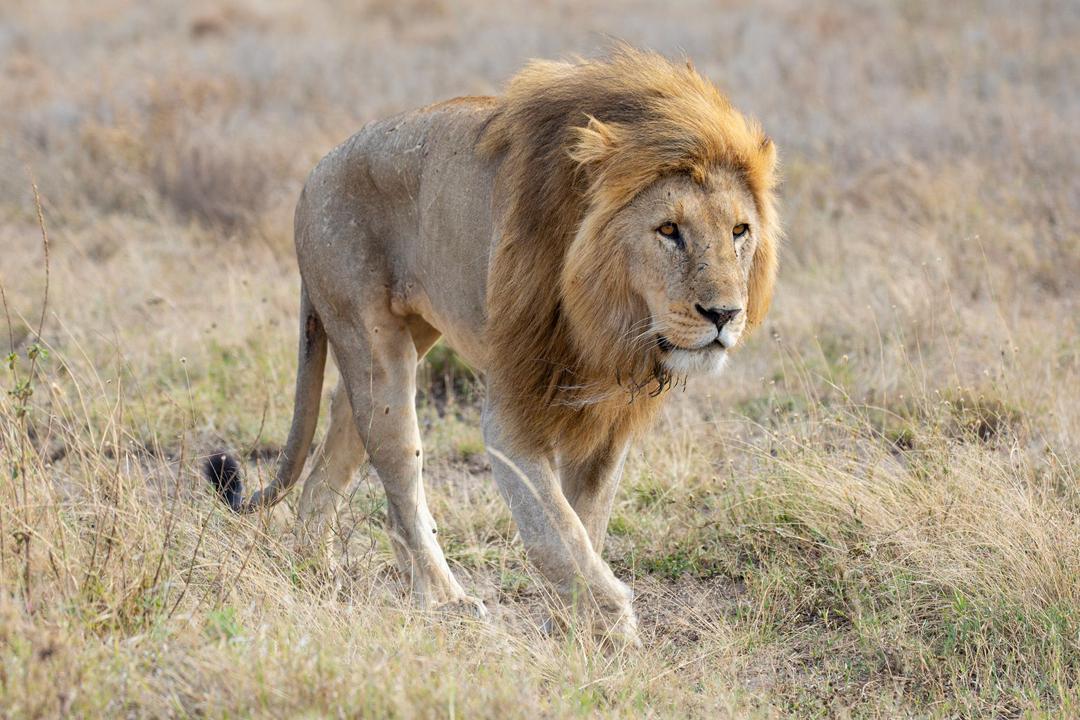
Experience the wildebeest migration across the vast Serengeti and Ngorongoro plains. Perfect for wildlife lovers and photography enthusiasts.
Book Now New
New
Climb Africa’s highest peak via scenic routes with expert guides and safe treks. Experience adventure with full support and accommodation included.
Book Now Popular
Relax in paradise with pristine white beaches, spice tours, and cultural charm. Ideal for families and honeymooners seeking luxury and tranquility.
Book Now

We collaborate with top tour operators to provide the best experiences for Kilimanjaro treks, safaris, and adventures.