Learn about Border Transport Scams to Avoid 2026–2027. Identify common scams at borders, protect your money, and travel safely with smart prevention tips.
The Border Transport Scams to Avoid 2026–2027 guide is designed to help travelers recognize and avoid common transport-related scams that can occur at international borders. Border areas are often busy and confusing, making them attractive locations for dishonest operators targeting tourists and first-time travelers.
Using the Border Transport Scams to Avoid 2026–2027, travelers can learn about frequent issues such as unofficial taxi drivers, inflated transport prices, fake ticket sellers, misleading currency exchange offers, and unauthorized “helpers” offering border assistance. The guide explains how these scams typically operate and highlights warning signs to watch for when arranging onward transport after crossing a border.
The Border Transport Scams to Avoid 2026–2027 also provides practical prevention tips, including using licensed transport providers, confirming prices in advance, avoiding unsolicited assistance, and keeping valuables secure. Advice on staying calm, informed, and confident at border points helps reduce risk. Ideal for tourists, backpackers, and overland travelers, this guide supports safe, informed, and scam-free transport experiences at borders.
Border transport scams to avoid is one of the most important topics for travelers crossing borders by road, bus, ferry, or informal transport. Borders are busy, stressful environments where travelers are tired, unfamiliar with procedures, and often under time pressure. This combination creates opportunities for dishonest individuals to take advantage of confusion and urgency.
This comprehensive guide explains border transport scams to avoid in clear detail. It covers the most common scam types, how they work, why travelers fall for them, and how to protect yourself. Whether you are a backpacker, safari traveler, family, business visitor, or luxury tourist, understanding border transport scams to avoid will help you cross borders confidently without losing money, documents, or peace of mind.
Border transport scams exist because borders bring together large numbers of travelers who are unfamiliar with local systems. People crossing borders are often:
Carrying luggage
Managing documents
Dealing with queues
Worrying about visas and timing
Scammers exploit uncertainty, language barriers, and fear of doing something wrong. Border transport scams to avoid thrive in environments where information is unclear and travelers feel rushed.
Most border transport scams follow similar patterns:
The scammer claims authority or special access
The scammer creates urgency or fear
The scammer offers a quick solution for a fee
Knowing these patterns helps travelers identify border transport scams to avoid before falling victim.
One of the most serious border transport scams to avoid involves fake officials.
A person may wear a uniform-like outfit or badge and claim to be:
Immigration staff
Customs officers
Transport inspectors
They may ask to see documents, request a “fine,” or direct travelers to unofficial offices.
Always verify officials by:
Staying inside official buildings
Following marked signs
Asking to see identification
Real border officials do not conduct immigration or payment processes outside official offices.
This is one of the most common border transport scams to avoid.
Someone approaches offering to:
Speed up immigration
Help with visas
Arrange transport
They may claim the process is complicated or delayed and offer help for a fee.
Politely refuse help from strangers. Borders do not require personal helpers. Official procedures are handled by staff only.
Transport confusion is a major opportunity for scams.
Scammers claim:
Your bus has left
Your ticket is invalid
Transport has been canceled
They then offer an alternative vehicle at an inflated price.
Always:
Confirm information directly with drivers or official counters
Stay with your vehicle until instructed otherwise
Avoid boarding unmarked vehicles
Fake transport offers are classic border transport scams to avoid.
After crossing a border, travelers may be quoted extremely high prices for short rides.
Drivers claim:
Prices are fixed
Distance is far
There are no other vehicles
Travelers unfamiliar with local prices often agree.
Before crossing:
Ask locals or drivers about typical prices
Agree on price before boarding
Use official taxi ranks when available
Overcharging is one of the easiest border transport scams to avoid with preparation.
Currency exchange scams are extremely common at borders.
Unofficial money changers offer:
“Better” exchange rates
Immediate cash
They may use sleight of hand, shortchanging, or counterfeit notes.
Use:
Official exchange offices
Banks
ATMs
Avoid exchanging money with individuals. Currency scams are among the most costly border transport scams to avoid.
This scam targets travelers unsure about visa rules.
Scammers claim:
A new fee is required
A visa problem exists
A fine must be paid immediately
They request cash and promise to “fix” the issue.
Visa fees are paid:
At official counters
With receipts
Never pay immigration-related fees to individuals outside official offices.
Some scams focus on travelers’ luggage.
Someone offers to:
Carry bags
Store luggage
Help load transport
They may then demand high fees or disappear with items.
Handle your own luggage whenever possible. If assistance is needed, confirm prices first and keep valuables with you.
This scam targets bus and ferry passengers.
Scammers swap tickets or claim your ticket is incorrect, then charge for a “correct” one.
Keep tickets secure and do not hand them to strangers. Only show tickets to official staff.
This scam creates urgency and fear.
Scammers claim:
The border is closing
Processing is delayed
Only special transport can cross
They then charge high fees for “urgent” transport.
Confirm border information with:
Official staff
Drivers
Border signage
Fake closure claims are classic border transport scams to avoid.
This scam targets travelers in private vehicles.
Someone claims:
A vehicle rule was violated
Damage occurred
A fine must be paid
They request cash to “settle” the issue.
Fines are issued formally with documentation. Never pay cash fines to individuals on the spot.
Families may be targeted.
Scammers claim:
Child documents are incomplete
Special processing is required
They request fees to “assist.”
Child documentation rules are enforced only by immigration officials. Refuse unofficial assistance.
Backpackers are frequent targets due to budget travel and use of public transport.
Backpackers should:
Avoid unofficial helpers
Confirm transport details
Stick with other travelers when possible
Confidence and awareness reduce risk.
Families may feel pressured to move quickly.
Parents should:
Slow down
Keep children close
Verify information calmly
Scammers rely on emotional pressure.
Safari travelers may assume operators handle everything.
Travelers should still:
Listen to guides
Avoid interacting with outsiders
Stay with their group
Professional operators know common scams.
Luxury travelers are often targeted for higher amounts.
They should:
Use private transport
Rely on concierge or guides
Avoid handling payments personally
Professional management minimizes exposure.
Understanding vulnerability helps prevention.
Travelers fall for scams because:
They are tired
They fear delays
They lack local knowledge
They want convenience
Awareness reduces susceptibility.
Scammers use:
Urgency
Authority
Fear
Friendliness
Recognizing these tactics helps travelers resist.
If something feels wrong:
Pause
Ask questions
Seek official staff
Legitimate processes do not require secrecy or urgency.
If a scam occurs:
Do not escalate emotionally
Report to official staff if safe
Learn from the experience
Staying calm is important.
Crowded, poorly marked borders increase scam risk.
Major borders with clear signage reduce opportunities.
Knowing this helps travelers stay alert.
Professional tour operators:
Handle transport
Manage border procedures
Protect travelers from scams
This significantly reduces risk.
Technology helps but does not replace awareness.
Scammers may exploit:
Fake messages
Incorrect online information
Trust official sources over messages from strangers.
Respectful behavior and calm communication help.
Scammers target confused or aggressive travelers more easily.
Watch for:
Requests for cash outside offices
Pressure to act quickly
Claims of special access
Lack of receipts
These are strong indicators of scams.
Key habits include:
Organize documents
Arrive early
Avoid rushing
Stay in official areas
Ask officials directly
Prepared travelers are hard targets.
Most scams rely on misinformation.
Informed travelers rarely fall victim.
Education is the best defense.
Knowing border transport scams to avoid builds confidence.
Confident travelers:
Move calmly
Ask questions
Refuse pressure
Confidence discourages scammers.
Border transport scams to avoid are an unfortunate reality of international travel, but they are highly preventable. Scammers rely on confusion, fear, and urgency—none of which affect travelers who are informed, patient, and organized.
By understanding common scam types, recognizing warning signs, and following official procedures, travelers can cross borders safely and confidently. Borders are busy, transitional spaces, but they do not need to be risky.
When travelers remain calm, verify information, and trust official channels, border transport scams lose their power. Awareness turns vulnerability into control, allowing the journey to continue smoothly, securely, and with confidence.
African Trek & Travel is a leading Tanzania tour operator in Moshi and Arusha for 2026–2027, specializing in Kilimanjaro treks, safaris, and tailor-made adventures. With deep local expertise and a strong commitment to safety and quality, we deliver unforgettable travel experiences across East Africa.
Discover popular Safaris, Serengeti Migration, Kilimanjaro Climbing & Zanzibar Beach Holidays. Plan your perfect adventure today!
 Popular
Experience the wildebeest migration across the vast Serengeti and Ngorongoro plains. Perfect for wildlife lovers and photography enthusiasts.
Book Now New
New
Climb Africa’s highest peak via scenic routes with expert guides and safe treks. Experience adventure with full support and accommodation included.
Book Now Popular
Relax in paradise with pristine white beaches, spice tours, and cultural charm. Ideal for families and honeymooners seeking luxury and tranquility.
Book Now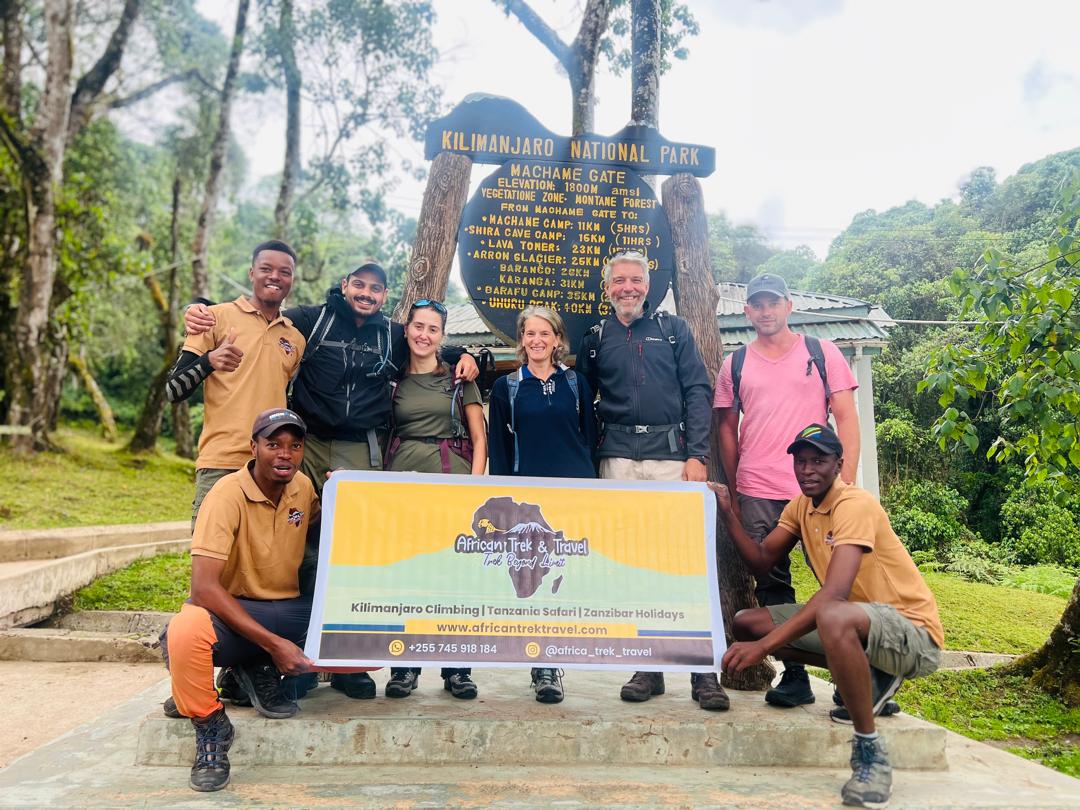



We collaborate with top tour operators to provide the best experiences for Kilimanjaro treks, safaris, and adventures.