Community-Based Safari Expeditions: Wildlife Experiences Rooted in Local Stewardship and Shared Benefits
Community-Based Safari Expeditions offer a meaningful way to experience Africa’s wildlife while directly supporting the people who live alongside it. These journeys are designed around partnership, respect, and shared responsibility, ensuring that tourism benefits local communities and strengthens conservation from the ground up. Community-Based Safari Expeditions connect travelers with wildlife, landscapes, and cultures through experiences that are authentic, ethical, and socially responsible.
Rather than focusing only on protected areas, Community-Based Safari Expeditions highlight the vital role communities play in conservation. Travelers gain insight into how local stewardship, traditional knowledge, and sustainable tourism work together to protect wildlife and improve livelihoods.
What Defines Community-Based Safari Expeditions
Community-Based Safari Expeditions are wildlife journeys developed and managed in partnership with local communities. These safaris prioritize community ownership, employment, and decision-making while offering high-quality wildlife experiences.
Key features of Community-Based Safari Expeditions include:
-
Community-managed or co-managed conservancies
-
Local guides, hosts, and staff
-
Direct revenue sharing with communities
-
Cultural respect and meaningful engagement
-
Ethical, low-impact wildlife viewing
These expeditions place people at the heart of conservation.
Why Community-Based Safari Expeditions Are So Important
Community-Based Safari Expeditions recognize that long-term conservation success depends on local support. When communities benefit from wildlife tourism, they have strong incentives to protect habitats and animals.
Travelers choose Community-Based Safari Expeditions because they:
-
Want their travel to make a positive impact
-
Value ethical and responsible tourism
-
Seek authentic, locally guided experiences
-
Appreciate learning about conservation from the community perspective
-
Prefer travel that supports livelihoods
These journeys turn tourism into a shared success.
Community-Based Safari Expeditions in East Africa
East Africa is a global leader in Community-Based Safari Expeditions due to its strong tradition of community conservancies and collaborative conservation models.
Community-Based Safari Expeditions in Tanzania
Tanzania offers powerful examples of Community-Based Safari Expeditions, where villages and communities manage land alongside wildlife conservation efforts.
Community-Based Safari Expeditions in Tanzania emphasize coexistence, land stewardship, and locally led tourism that supports education, healthcare, and conservation initiatives.
Community-Based Safari Expeditions in Kenya
Kenya is internationally recognized for its community conservancies, making it ideal for Community-Based Safari Expeditions.
In Kenya, these expeditions showcase how communities protect wildlife corridors, manage grazing, and benefit directly from safari tourism.
Landscapes Shaped by Community-Based Safari Expeditions
Community-Based Safari Expeditions take place in landscapes where people and wildlife share space.
Community Conservancies and Wildlife Corridors
Many Community-Based Safari Expeditions explore conservancies that connect national parks and protect vital migration routes.
These areas demonstrate how conservation extends beyond park boundaries.
Pastoral and Rural Landscapes
Pastoral lands and rural environments offer insight into traditional land use and sustainable coexistence with wildlife.
Travelers witness how culture and conservation intersect.
Wildlife Experiences on Community-Based Safari Expeditions
Wildlife viewing on Community-Based Safari Expeditions is ethical, unpressured, and deeply informative.
Travelers enjoy:
-
Guided game drives led by local experts
-
Observation of natural wildlife behavior
-
Learning how communities monitor and protect wildlife
-
Understanding human–wildlife coexistence challenges
Wildlife encounters are enriched by local knowledge and context.
The Role of Local Guides in Community-Based Safari Expeditions
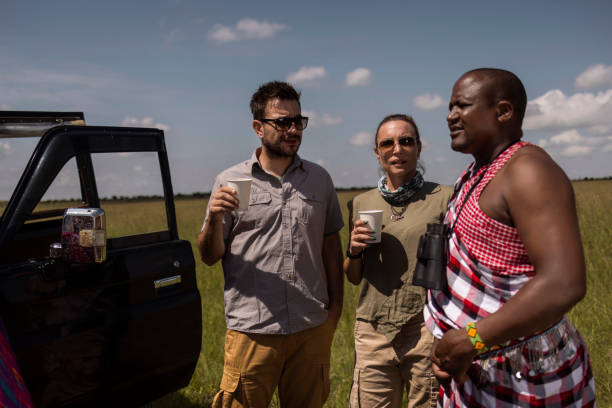
Local guides are the foundation of Community-Based Safari Expeditions. Their knowledge, stories, and lived experience bring the landscape to life.
Local guides:
-
Share traditional ecological knowledge
-
Interpret wildlife behavior and tracks
-
Explain conservation challenges and successes
-
Act as cultural ambassadors
Their perspective adds authenticity and depth.
Cultural Connection in Community-Based Safari Expeditions
Cultural understanding is a natural part of Community-Based Safari Expeditions.
Cultural experiences may include:
-
Visits to local villages
-
Learning about traditional livelihoods
-
Storytelling and oral history
-
Understanding customs, values, and beliefs
These interactions are respectful, voluntary, and community-led.
Ethical Foundations of Community-Based Safari Expeditions
Ethics are central to Community-Based Safari Expeditions. Communities guide how tourism is conducted on their land.
Ethical principles include:
-
Free and informed community participation
-
Fair compensation and benefit sharing
-
Respect for cultural norms and privacy
-
Wildlife welfare and habitat protection
Responsible tourism strengthens trust and long-term success.
Conservation Impact of Community-Based Safari Expeditions
Community-Based Safari Expeditions directly support conservation by making wildlife valuable to local communities.
Conservation benefits include:
-
Reduced poaching and habitat loss
-
Protection of wildlife corridors
-
Support for ranger programs and monitoring
-
Incentives for sustainable land management
When communities lead, conservation endures.
Community Development Through Safari Tourism
Community-Based Safari Expeditions contribute to social and economic development.
Tourism revenue often supports:
-
Education and school programs
-
Healthcare access
-
Water and infrastructure projects
-
Women and youth employment initiatives
Safari tourism becomes a tool for positive change.
Accommodation in Community-Based Safari Expeditions
Accommodation in Community-Based Safari Expeditions is designed to blend comfort with local involvement.
Common features include:
-
Community-owned lodges or camps
-
Locally built and operated accommodations
-
Environmentally responsible design
-
Warm, personal hospitality
Staying in community-run properties deepens connection.
Photography and Storytelling on Community-Based Safari Expeditions
Photography during Community-Based Safari Expeditions captures more than wildlife.
Photographers focus on:
-
Landscapes shaped by people and nature
-
Daily life and conservation work
-
Wildlife within community-managed areas
-
Human stories behind conservation success
Photography is always guided by respect and consent.
Community-Based Safari Expeditions and Slow Travel
Community-Based Safari Expeditions align closely with slow travel values. Time is spent listening, learning, and observing rather than rushing.
Travelers are encouraged to:
-
Engage thoughtfully with hosts
-
Understand seasonal rhythms
-
Appreciate cultural and ecological nuance
Slow travel strengthens mutual understanding.
Who Community-Based Safari Expeditions Are Best For
Community-Based Safari Expeditions are ideal for:
-
Responsible and ethical travelers
-
Conservation-minded explorers
-
Cultural and learning-focused visitors
-
Families and educational groups
-
Travelers seeking authentic connection
They suit those who want travel to matter.
Choosing the Right Community-Based Safari Expeditions
Selecting the right Community-Based Safari Expeditions requires attention to impact and transparency.
Important considerations include:
-
Genuine community ownership or partnership
-
Clear benefit-sharing models
-
Local employment and leadership
-
Ethical wildlife practices
Responsible choices amplify positive outcomes.
Common Misconceptions About Community-Based Safari Expeditions
Some travelers assume Community-Based Safari Expeditions lack comfort or wildlife quality. In reality, many offer excellent guiding, strong wildlife encounters, and welcoming accommodation.
Another misconception is that community involvement reduces professionalism. In fact, local leadership often enhances authenticity and care.
Understanding these points builds confidence.
The Future of Community-Based Safari Expeditions
Community-Based Safari Expeditions represent the future of sustainable safari tourism.
As travelers demand ethical experiences, community-led conservation models are expanding and strengthening.
These expeditions show that conservation works best when people are partners.
Why Community-Based Safari Expeditions Truly Matter
Community-Based Safari Expeditions prove that wildlife protection and human well-being are deeply connected.
They demonstrate that tourism can support conservation, dignity, and opportunity simultaneously.
Community-Based Safari Expeditions as Transformational Travel
For many travelers, Community-Based Safari Expeditions are transformative. Meeting the people behind conservation efforts creates empathy, respect, and global connection.
These journeys often inspire long-term commitment to responsible travel and conservation support.
Final Reflections on Community-Based Safari Expeditions
Community-Based Safari Expeditions offer one of the most meaningful ways to experience Africa’s wildlife. By placing communities at the center of conservation, these journeys create shared value for travelers, wildlife, and local people.
Choosing Community-Based Safari Expeditions means choosing partnership over extraction, respect over spectacle, and sustainability over short-term gain. When guided responsibly and led by communities themselves, these safaris protect ecosystems, empower local voices, and allow travelers to experience the wild not just as visitors—but as welcomed participants in a shared conservation story that benefits everyone involved.