Explore the Complete Guide to Transportation in Africa 2026–2027. Learn about travel options, routes, and tips for getting around the continent efficiently and safely.
The Complete Guide to Transportation in Africa 2026–2027 is designed for travelers, business professionals, and explorers who want to navigate the continent effectively. This comprehensive guide covers all modes of transportation across Africa, providing practical advice for a seamless travel experience.
Throughout the Complete Guide to Transportation in Africa 2026–2027, readers will discover options ranging from air travel between major cities, train journeys through scenic routes, long-distance buses, car rentals, ride-hailing services, and local public transport. The guide also highlights safety tips, cost-saving strategies, and insights on regional differences in transport infrastructure.
The Complete Guide to Transportation in Africa 2026–2027 includes detailed route maps, schedules, travel tips, recommended transport providers, and advice for first-time travelers. Ideal for solo adventurers, business travelers, and families, this guide equips readers with the knowledge to travel confidently and efficiently across Africa, making every journey smooth, safe, and memorable.
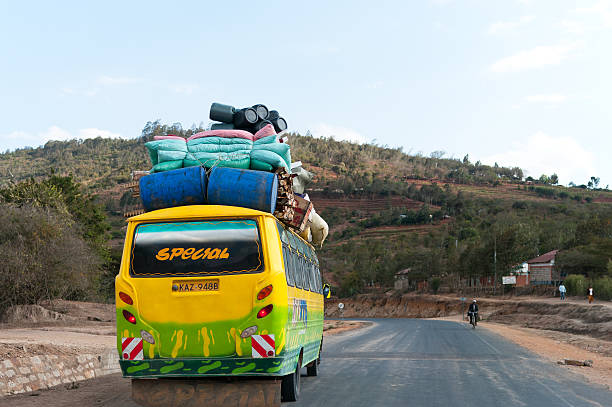
Africa is a continent of immense diversity, not only in culture and landscapes but also in its transportation infrastructure. Understanding the intricacies of moving people and goods across Africa is essential for travelers, businesses, and locals alike. This Complete Guide to Transportation in Africa explores the modes of transport, challenges, and opportunities across various regions.
Transportation in Africa is unique, blending modern urban systems with traditional and informal transport networks. Whether you are planning a cross-country journey or daily commuting, this guide ensures you have the knowledge to navigate Africa efficiently.
Road networks are the backbone of transportation in Africa, connecting cities, towns, and rural areas. The Complete Guide to Transportation in Africa highlights key road transport options:
Major highways link economic hubs such as Johannesburg, Lagos, Nairobi, and Cairo. These roads support buses, trucks, and private vehicles. Road quality varies widely across regions; while countries like South Africa and Morocco maintain extensive paved highways, rural areas often rely on dirt roads.
Public buses and intercity coaches are common across African countries. In Kenya, for instance, matatus dominate city travel, while long-distance coaches like Modern Coast and Easy Coach connect major cities. The Complete Guide to Transportation in Africa emphasizes planning for comfort, safety, and ticket booking in advance.
Shared taxis and minibuses are prevalent in urban and peri-urban areas. These transport options are cost-effective but often unregulated. Travelers are advised to verify routes and safety before boarding.
Car rentals offer flexibility, especially for tourists exploring national parks or rural areas. Countries like South Africa and Namibia have well-developed self-drive options, while others may require hiring local drivers familiar with road conditions.
Rail systems are less extensive than road networks but are crucial for freight and long-distance passenger travel. The Complete Guide to Transportation in Africa details the main rail corridors:
Countries such as South Africa, Morocco, and Egypt offer reliable passenger train services. The Gautrain in South Africa and Morocco’s Al Boraq high-speed rail are examples of modern rail systems enhancing travel efficiency.
Freight rail is vital for transporting minerals, agricultural produce, and goods. The Tanzania-Zambia Railway Authority (TAZARA) and the Kenya-Uganda rail corridors exemplify strategic freight links supporting regional trade.
Many rail networks face maintenance and funding issues. The Complete Guide to Transportation in Africa advises travelers and businesses to check schedules and reliability before planning trips.
Air travel is essential for connecting vast distances quickly. The Complete Guide to Transportation in Africa explores domestic, regional, and international flight options.
Countries such as Kenya, South Africa, Ethiopia, and Nigeria have strong domestic airlines connecting key cities. Kenya Airways, Ethiopian Airlines, and South African Airways are major carriers supporting passenger mobility and cargo transport.
Major African airports, including OR Tambo (South Africa), Jomo Kenyatta (Kenya), and Cairo International, act as hubs for regional and global flights. Air travel is often the fastest mode for business and tourism.
Low-cost airlines like Fly540, Fastjet, and Mango make air travel more accessible. The Complete Guide to Transportation in Africa emphasizes comparing fares and booking early to maximize affordability.
While air travel is generally safe, travelers are encouraged to check airline reviews, safety records, and travel advisories before booking.
Rivers, lakes, and coastal routes provide crucial transport channels in Africa. The Complete Guide to Transportation in Africa examines inland and maritime transport options.
Countries like Nigeria, Congo, Uganda, and Tanzania rely on rivers and lakes for cargo and passenger transport. Ferries on Lake Victoria, the Niger River, and the Congo River are vital for communities with limited road access.
Africa’s extensive coastline supports shipping and trade. Major ports include Durban (South Africa), Mombasa (Kenya), and Lagos (Nigeria). Coastal ferries and shipping lines are key for both cargo movement and tourism.
Water transport faces challenges such as aging infrastructure and seasonal water level changes. Investments in port modernization and vessel safety are transforming the sector.
The Complete Guide to Transportation in Africa also explores informal and alternative modes widely used across the continent.
Motorcycle taxis, or “boda-bodas,” are common in East Africa. They offer quick mobility in congested cities but carry safety risks, especially without helmets or regulation.
In rural and semi-urban areas, bicycles remain a crucial transport option for both passengers and goods. Bike-sharing initiatives are emerging in urban centers to promote eco-friendly mobility.
In some regions, donkeys, camels, and horses continue to provide essential transport services, particularly in remote or arid areas.
Investment in transportation infrastructure is reshaping mobility across Africa. The Complete Guide to Transportation in Africa covers current projects and future trends.
Governments and private investors are upgrading highways to boost trade and regional connectivity. Cross-border corridors like the North-South Corridor enhance transport efficiency.
Rail modernization projects, including standard gauge railways in Kenya and Ethiopia, aim to improve freight capacity and passenger comfort.
New airports and upgrades of existing facilities are increasing capacity and improving air travel reliability.
Digital ticketing, GPS navigation, and mobile apps are making transport in Africa more efficient. Ride-hailing apps like Bolt and Uber are transforming urban travel.
Despite advancements, transportation in Africa faces several challenges outlined in the Complete Guide to Transportation in Africa.
Poor Road Conditions: Many rural roads remain unpaved, affecting safety and speed.
Traffic Congestion: Urban centers like Lagos, Nairobi, and Cairo experience severe congestion.
Limited Rail Networks: Most countries lack comprehensive passenger and freight rail systems.
High Transport Costs: Air and road travel can be expensive in regions with limited competition.
Regulatory Issues: Informal transport often lacks regulation, impacting safety and reliability.
The Complete Guide to Transportation in Africa offers practical tips:
Plan journeys in advance, especially for long-distance travel.
Verify transport providers for safety and reliability.
Budget for transport costs, considering road, rail, air, and water options.
Use mobile apps for ride-hailing and ticket booking.
Respect local customs and transport rules.
Africa’s transport sector is poised for transformation. The Complete Guide to Transportation in Africa highlights trends shaping the future:
High-Speed Rail: Projects in North and East Africa promise faster and safer travel.
Sustainable Transport: Electric buses, solar-powered ferries, and green logistics are emerging.
Urban Mobility Solutions: Smart city planning and metro systems are improving urban transport.
Regional Integration: Pan-African corridors will enhance trade and mobility across borders.
The Complete Guide to Transportation in Africa equips readers with the knowledge to navigate a continent of remarkable diversity. From roads and railways to air and water transport, Africa offers varied and dynamic options for moving people and goods. Staying informed, planning ahead, and understanding local transport nuances ensures safe, efficient, and enjoyable travel experiences across the continent.
African Trek & Travel is a leading Tanzania tour operator in Moshi and Arusha for 2026–2027, specializing in Kilimanjaro treks, safaris, and tailor-made adventures. With deep local expertise and a strong commitment to safety and quality, we deliver unforgettable travel experiences across East Africa.
Discover popular Safaris, Serengeti Migration, Kilimanjaro Climbing & Zanzibar Beach Holidays. Plan your perfect adventure today!
 Popular
Experience the wildebeest migration across the vast Serengeti and Ngorongoro plains. Perfect for wildlife lovers and photography enthusiasts.
Book Now New
New
Climb Africa’s highest peak via scenic routes with expert guides and safe treks. Experience adventure with full support and accommodation included.
Book Now Popular
Relax in paradise with pristine white beaches, spice tours, and cultural charm. Ideal for families and honeymooners seeking luxury and tranquility.
Book Now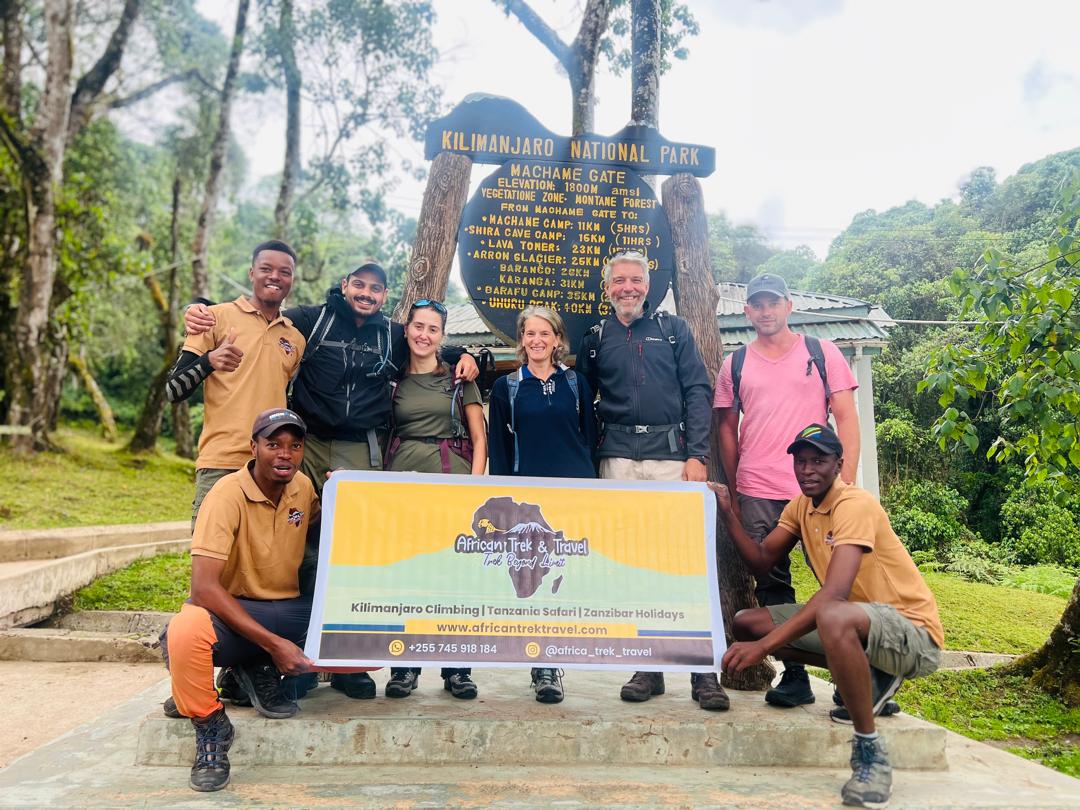




We collaborate with top tour operators to provide the best experiences for Kilimanjaro treks, safaris, and adventures.