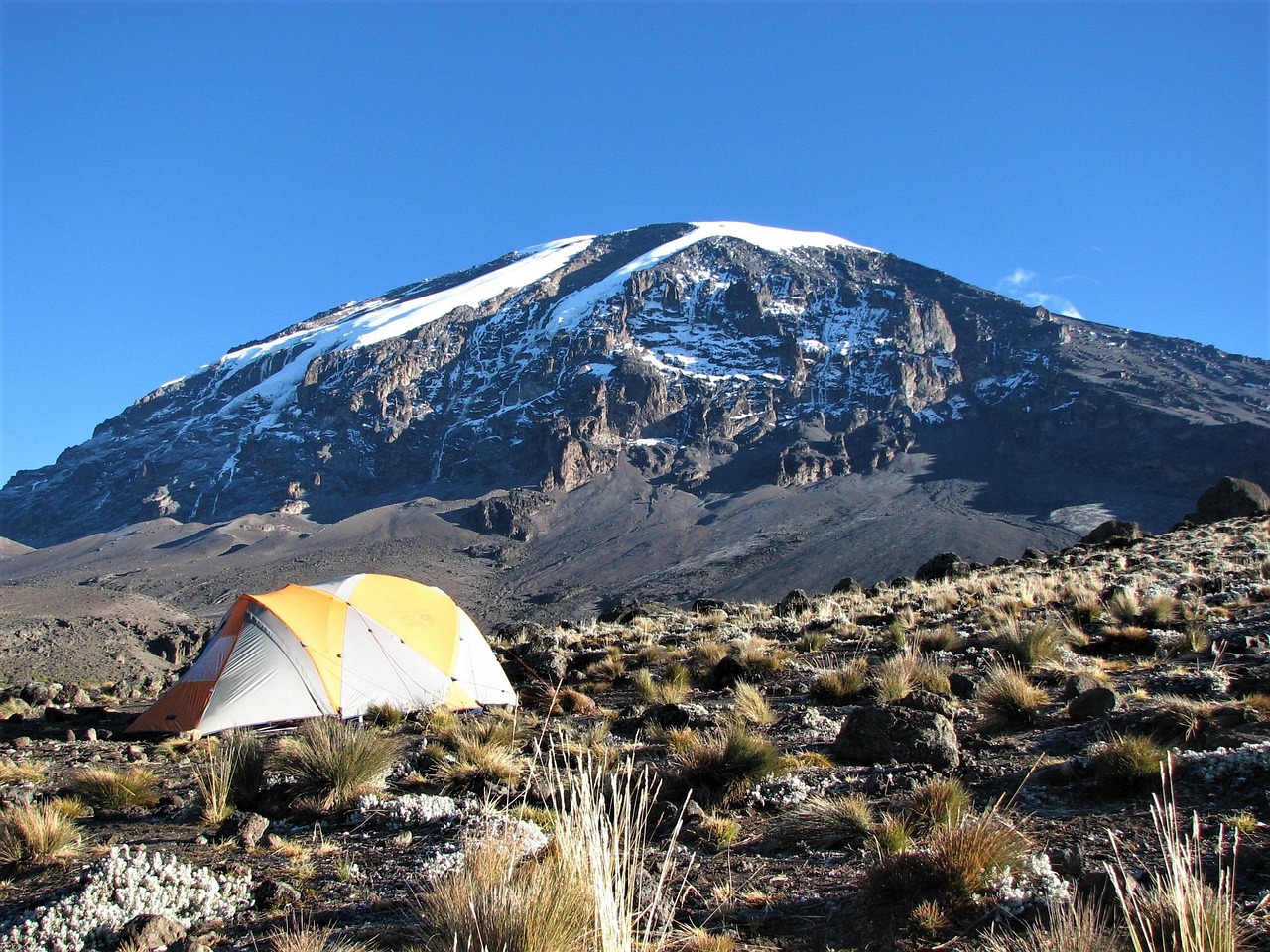
Learn essential cultural etiquette for travelers in Tanzania in 2026–2027. Understand customs, greetings, dress codes, and local behavior for respectful travel.
Understanding cultural etiquette for travelers in Tanzania is essential for a respectful and rewarding visit in 2026–2027. Tanzania is known for its warm hospitality, strong traditions, and diverse cultures, and following local customs helps visitors build positive connections and enjoy a more authentic travel experience.
Greetings play an important role in Tanzanian culture. Travelers are encouraged to greet people politely before starting conversations, using simple phrases such as “Jambo” or “Habari.” Handshakes are common, often extended and friendly, and showing patience and courtesy is highly valued in daily interactions.
Dress code is a key aspect of cultural etiquette for travelers in Tanzania. Modest clothing is recommended, especially in rural areas, local communities, and religious sites. Visitors should cover shoulders and knees when visiting mosques, churches, and traditional villages, while beachwear is best reserved for coastal resorts and hotel areas.
Respect for elders, local customs, and social norms is deeply ingrained in Tanzanian society. Travelers should ask permission before taking photos of people, avoid public displays of anger, and use the right hand when giving or receiving items. Observing these customs demonstrates respect and helps foster positive interactions with locals.
By understanding and practicing cultural etiquette for travelers in Tanzania, visitors can travel confidently and responsibly. Respecting traditions, dressing appropriately, and engaging politely allows travelers to fully appreciate Tanzania’s cultural richness while creating meaningful and memorable experiences.
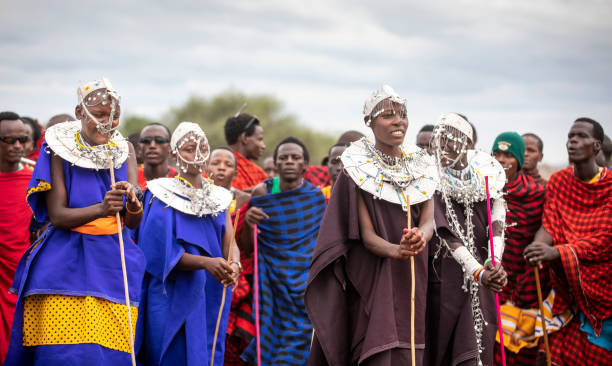
Understanding cultural etiquette for travelers in Tanzania is essential for anyone visiting the country for safaris, beach holidays, business, or cultural exploration. Tanzania is known for its warm hospitality, deep-rooted traditions, and strong community values. Respecting local customs not only enhances your travel experience but also helps you build positive relationships with local people.
This guide explains everything international visitors need to know about Tanzanian cultural norms, behavior, communication, dress, religion, and daily life.
Tanzania is home to over 120 ethnic groups, each with its own customs and traditions. While diversity is a defining feature, there are shared cultural values across the country. Learning cultural etiquette for travelers in Tanzania helps you:
Avoid unintentional disrespect
Communicate more effectively with locals
Feel more comfortable in social situations
Gain deeper cultural understanding
Be welcomed with genuine warmth
Tanzanians value politeness, humility, and respect, especially from visitors.
One of the most important aspects of cultural etiquette for travelers in Tanzania is how you greet people.
Greetings are essential and should never be rushed
A handshake is common, often gentle and prolonged
Use the right hand when shaking hands or giving items
It is polite to ask about someone’s well-being before starting a conversation
Common greetings include:
Jambo (Hello – informal)
Habari? (How are you?)
Shikamoo (Respectful greeting to elders)
Marahaba (Response to Shikamoo)
Skipping greetings is considered rude, especially in rural areas.
Respect for elders is deeply ingrained in Tanzanian society. A key principle of cultural etiquette for travelers in Tanzania is showing deference to older people.
Greet elders first in a group
Use polite language and tone
Avoid interrupting elders while they speak
Stand or slightly bow your head when greeting elderly individuals
Elders are highly respected as sources of wisdom and authority.
Dress plays a major role in cultural etiquette for travelers in Tanzania, particularly outside tourist resorts.
Dress modestly in towns, villages, and public places
Avoid very short shorts, mini skirts, or revealing tops
Cover shoulders and knees when possible
Zanzibar is predominantly Muslim
Modest dress is expected outside beaches and resorts
Women should avoid sleeveless tops and short skirts in public areas
Beachwear is acceptable only at beaches, resorts, and swimming areas.
Religion is central to daily life in Tanzania, and respecting it is part of proper cultural etiquette for travelers in Tanzania.
Christianity and Islam are the dominant religions
Avoid loud behavior near mosques and churches
Dress modestly when visiting religious sites
Ask permission before entering places of worship
During Ramadan:
Avoid eating or drinking in public during daylight hours in Muslim areas
Be respectful of fasting practices
Understanding body language is a subtle but important part of cultural etiquette for travelers in Tanzania.
Avoid pointing with your index finger; use an open hand
Do not touch someone’s head, especially children
Public displays of affection are discouraged
Maintain respectful personal space, especially with elders
Calm, relaxed body language is appreciated.
In Tanzanian culture, the right hand is considered clean and respectful.
Use your right hand for eating
Give and receive items with your right hand
Avoid using the left hand for greetings or exchanges
This is one of the most basic yet important rules of cultural etiquette for travelers in Tanzania.
Tanzanians value polite, indirect communication.
Speak calmly and respectfully
Avoid confrontation or aggressive tones
Public arguments are considered inappropriate
Saying “please” and “thank you” is highly valued
Patience and courtesy go a long way in daily interactions.
Photography is popular, but sensitivity is required.
Always ask permission before photographing people
Do not photograph government buildings or military personnel
Respect religious sites where photography may be restricted
Responsible photography is an essential part of cultural etiquette for travelers in Tanzania.
If you visit rural areas or traditional communities:
Greet community leaders or elders first
Dress modestly
Accept hospitality politely, even if brief
Avoid imposing or intrusive behavior
Visitors who show respect are often warmly welcomed.
Food plays an important role in social life.
Wash hands before and after meals
Eat with the right hand if eating traditionally
Accept food or drink when offered, even if only a small amount
Complimenting the food is appreciated
Sharing food is a sign of friendship and hospitality.
Bargaining is common in markets but should be done respectfully.
Greet vendors before negotiating
Bargain politely and with a smile
Avoid aggressive or dismissive behavior
If you agree on a price, honor it
Respectful bargaining reflects good cultural etiquette for travelers in Tanzania.
Tanzania has a relaxed approach to time, especially outside business settings.
Be patient with delays
Avoid showing frustration
Appointments may start later than scheduled
Flexibility is part of adapting to local culture.
Gender roles may be more traditional in some areas.
Dress modestly regardless of gender
Avoid overly familiar behavior with strangers
Same-sex hand-holding among friends is normal and not romantic
Understanding this helps travelers avoid misunderstandings.
Gift-giving is appreciated but should be handled carefully.
Small, thoughtful gifts are welcome
Avoid giving money or gifts directly to children
If donating, work through local organizations or schools
Responsible giving aligns with respectful cultural etiquette for travelers in Tanzania.
Alcohol is available but should be consumed responsibly.
Avoid public intoxication
Be discreet in conservative or religious areas
Respect local attitudes toward drinking
Moderation shows cultural awareness.
Learning basic Swahili phrases demonstrates respect.
Helpful phrases include:
Asante (Thank you)
Tafadhali (Please)
Samahani (Sorry/Excuse me)
Karibu (Welcome)
Language effort is one of the most appreciated aspects of cultural etiquette for travelers in Tanzania.
Even during tours, etiquette matters:
Listen to guides and follow instructions
Respect wildlife and conservation rules
Avoid loud behavior during game drives
Respect local staff and their expertise
Safari etiquette reflects respect for both people and nature.
Avoid these common errors:
Ignoring greetings
Dressing inappropriately
Using the left hand for exchanges
Photographing people without consent
Speaking disrespectfully about religion or traditions
Being mindful prevents uncomfortable situations.
Responsible travel supports cultural preservation.
Support local businesses and artisans
Respect customs and traditions
Avoid behavior that reinforces stereotypes
Be a positive ambassador for your home country
Responsible behavior strengthens cultural exchange.
While many customs overlap, Zanzibar has stronger Islamic influences.
Stricter dress expectations
Greater sensitivity around religious practices
Higher importance of modest behavior in public
Adapting your behavior shows respect and cultural understanding.
Practicing proper cultural etiquette for travelers in Tanzania allows you to experience the country more deeply and meaningfully. Respect, humility, patience, and openness are the foundations of Tanzanian culture. By understanding local customs, greeting people warmly, dressing modestly, and behaving respectfully, travelers are rewarded with genuine hospitality and unforgettable cultural connections.
African Trek & Travel is a leading Tanzania tour operator in Moshi and Arusha for 2026–2027, specializing in Kilimanjaro treks, safaris, and tailor-made adventures. With deep local expertise and a strong commitment to safety and quality, we deliver unforgettable travel experiences across East Africa.
Discover popular Safaris, Serengeti Migration, Kilimanjaro Climbing & Zanzibar Beach Holidays. Plan your perfect adventure today!
 Popular
Experience the wildebeest migration across the vast Serengeti and Ngorongoro plains. Perfect for wildlife lovers and photography enthusiasts.
Book Now New
New
Climb Africa’s highest peak via scenic routes with expert guides and safe treks. Experience adventure with full support and accommodation included.
Book Now Popular
Relax in paradise with pristine white beaches, spice tours, and cultural charm. Ideal for families and honeymooners seeking luxury and tranquility.
Book Now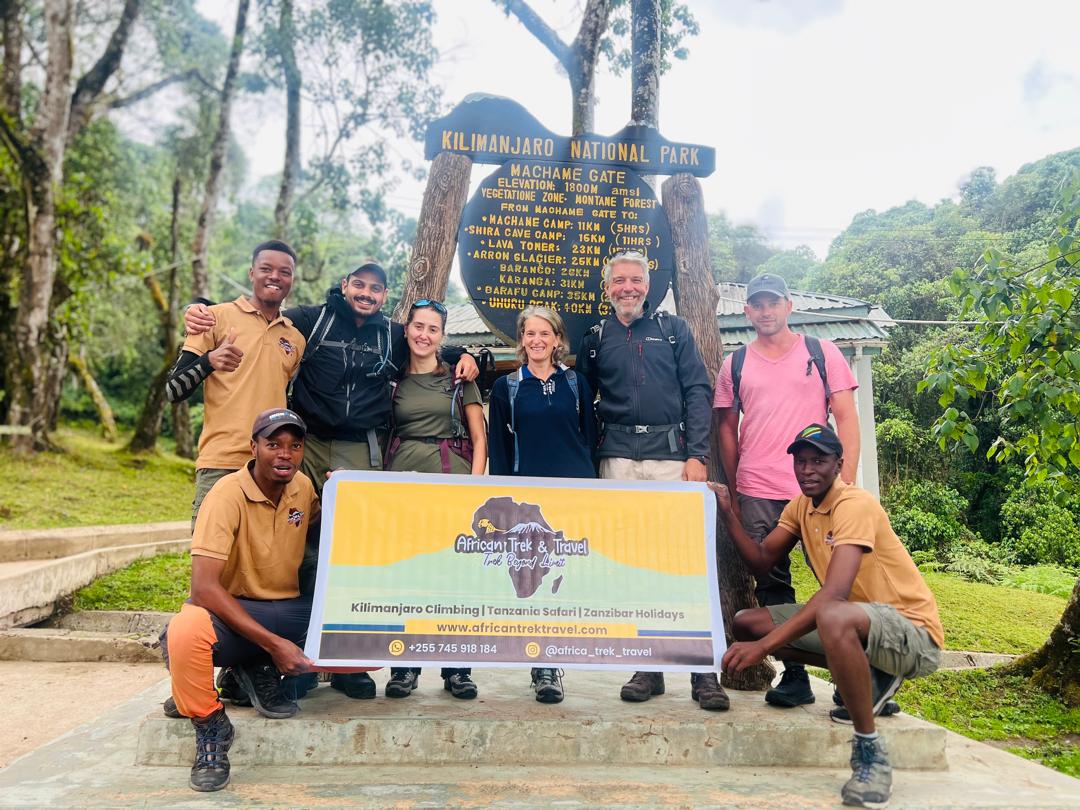


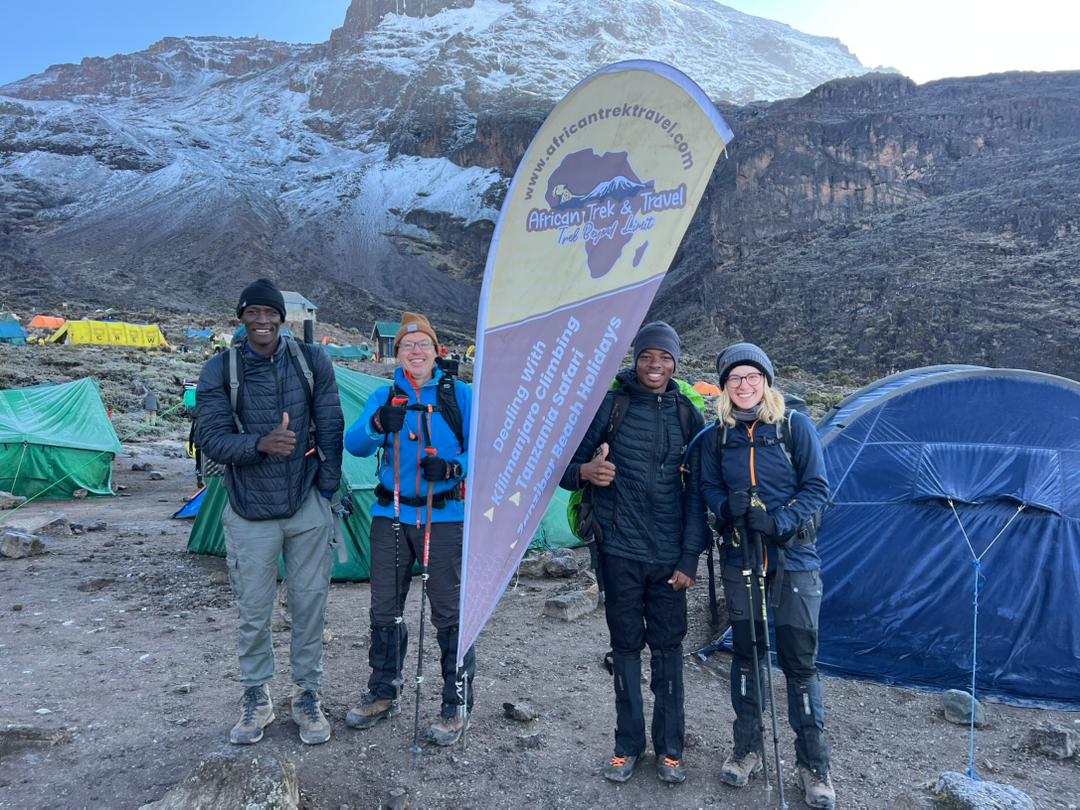
We collaborate with top tour operators to provide the best experiences for Kilimanjaro treks, safaris, and adventures.