Navigate your finances with the Currency and Payments in Tanzania 2026–2027 guide. Learn about local currency, payment methods, ATMs, and tips for safe and convenient transactions.
Currency and Payments in Tanzania 2026–2027 is an essential guide for travelers who want to manage money safely and efficiently while exploring the country. Understanding the local currency, payment options, and financial practices ensures a smooth and stress-free travel experience.
During Currency and Payments in Tanzania 2026–2027, travelers will learn about the Tanzanian Shilling (TZS), exchange rates, and the use of foreign currencies in tourist areas. The guide covers payment methods including cash, credit/debit cards, mobile money services, and digital payment apps. Tips for withdrawing money from ATMs, handling currency exchange, and avoiding scams are also included to ensure financial safety.
Currency and Payments in Tanzania 2026–2027 emphasizes practical advice for budgeting, paying for tours, shopping, dining, and transportation. Ideal for solo travelers, families, and groups, this guide ensures that you can handle money conveniently and securely while enjoying Tanzania’s wildlife, beaches, and cultural experiences. By following these tips, travelers can focus on exploring Tanzania without worrying about financial challenges.
Understanding currency and payments in Tanzania is essential for a smooth and stress-free travel experience. Whether you are booking safaris, shopping for souvenirs, or paying for accommodations and transport, knowing how money works in Tanzania ensures convenience and security. A traveler who prepares in advance can focus on exploring the country’s wildlife, culture, and landscapes without financial hassles.
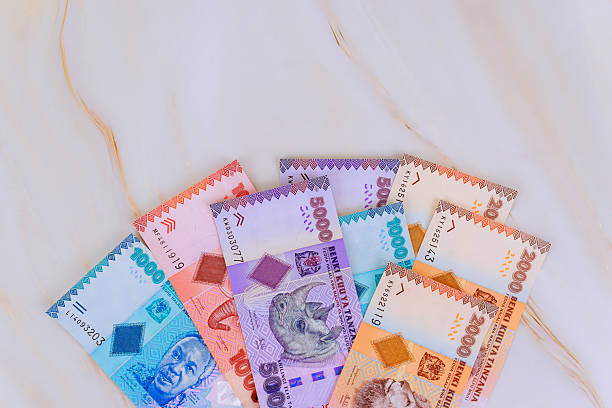
Tanzania’s official currency is the Tanzanian Shilling (TZS). Familiarity with its denominations and usage is critical for daily transactions:
Banknotes: Commonly used banknotes include 1,000, 2,000, 5,000, 10,000, and 20,000 TZS.
Coins: Coins are less frequently used, available in 50, 100, 200, 500, and 1,000 TZS denominations.
Currency Symbol: Often represented as TZS or Sh.
Exchange Rates: Rates fluctuate, so checking current rates before and during travel is important.
Tanzania offers multiple payment options for travelers, from cash to digital solutions:
Widely accepted in markets, small shops, rural areas, and safari lodges.
Ideal for small transactions, tipping, and transportation.
Keep small denominations for convenience.
Accepted in major hotels, restaurants, and urban retail stores.
Visa and MasterCard are the most widely accepted.
Inform your bank before traveling to avoid card blocks.
Mobile money services are widely used and convenient in Tanzania:
M-Pesa (Vodacom): Popular for sending and receiving money, paying bills, and purchasing services.
Tigo Pesa (Tigo): Offers mobile banking, airtime top-ups, and payments.
Airtel Money (Airtel): Enables transactions, transfers, and local payments.
Less commonly used today but accepted in some banks.
Can be a backup for emergencies if digital payments fail.
Booking platforms, airlines, and safari operators often accept online payments via cards or PayPal.
Ensure secure connections when using online payment portals.
Offer reliable and safe currency exchange services.
Usually provide competitive exchange rates and official receipts.
Branches available in major cities like Dar es Salaam, Arusha, and Zanzibar.
Found in airports, city centers, and tourist hubs.
Rates may vary, so compare options before exchanging.
Always count money and request a receipt.
Some hotels offer currency exchange for guests.
Rates may be higher than banks or official bureaus.
Widely available in cities, towns, and airports.
Dispense Tanzanian Shillings using international debit or credit cards.
Check with your bank regarding withdrawal fees and limits.
Some rural areas and safari lodges do not accept cards.
Keep a mix of small and large denominations for flexibility.
Ideal for local transactions, tipping guides, or paying for local services.
Register your SIM card with a mobile money provider for easy setup.
Use apps like XE Currency or local bank websites to track rates.
Exchange money at reliable banks or bureaus for better rates.
Only exchange money at authorized banks or bureaus.
Beware of street exchangers offering “better” rates.
Count money before leaving the counter.
Inform your bank of your travel dates to avoid card blocks.
Check for international transaction fees before using cards.
Restaurants: 10% service charge is common, but rounding up or giving small cash tips is appreciated.
Safari Guides and Drivers: Cash tips are standard; prepare small notes.
Hotels and Lodges: Housekeeping and porters appreciate small tips in cash.
Markets and Vendors: Bargaining is common; pay cash and remain polite.
Safari operators often accept deposits via bank transfers or online payment platforms.
On-location payments may require cash, especially for park fees, tips, or local excursions.
Always clarify accepted payment methods when booking lodges, tours, or transport.
Accommodation: Varies from budget hostels to luxury lodges.
Food and drinks: Costs differ between local eateries and tourist restaurants.
Transport: Includes buses, taxis, or private vehicles.
Safari and activities: Park fees, guides, and equipment rental.
Keep track of spending using mobile money apps or budgeting tools.
Convert major expenses to your home currency to avoid overspending.
Separate cash, cards, and mobile money for security.
Avoid carrying large sums in one place, especially in crowded areas.
Keep a small emergency fund in US dollars or Euros.
Know the location of nearby banks and ATMs.
Have backup cards in case of loss or technical issues.
Smooth and stress-free travel experience.
Ability to manage budgets efficiently and avoid overspending.
Access to local services, tours, and authentic experiences.
Increased safety and convenience during safaris, beach trips, and city exploration.
Limited Card Acceptance in Rural Areas: Carry sufficient cash.
Variable Exchange Rates: Check rates daily and use reputable sources.
Network Reliance for Mobile Money: Have cash backup for remote areas.
ATM Accessibility in Remote Locations: Plan withdrawals ahead of safaris.
Understanding currency and payments in Tanzania is key to enjoying a hassle-free trip. By knowing how Tanzanian Shillings work, choosing the right payment methods, using mobile money, and planning your budget, travelers can explore the country’s wildlife, culture, and landscapes with confidence.
Whether you are navigating bustling cities, remote villages, or safari destinations, being prepared with the right currency and payment methods ensures convenience, safety, and peace of mind. Mastering currency and payments in Tanzania allows you to focus on creating unforgettable memories while traveling responsibly and efficiently.
African Trek & Travel is a leading Tanzania tour operator in Moshi and Arusha for 2026–2027, specializing in Kilimanjaro treks, safaris, and tailor-made adventures. With deep local expertise and a strong commitment to safety and quality, we deliver unforgettable travel experiences across East Africa.
Discover popular Safaris, Serengeti Migration, Kilimanjaro Climbing & Zanzibar Beach Holidays. Plan your perfect adventure today!
 Popular
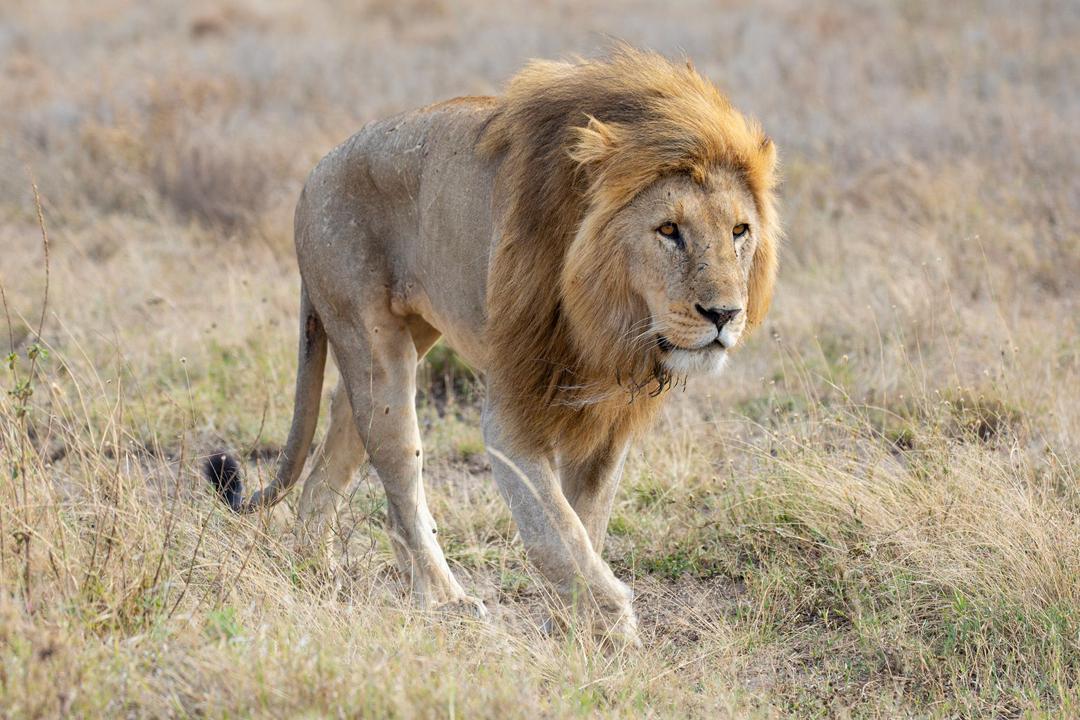
Experience the wildebeest migration across the vast Serengeti and Ngorongoro plains. Perfect for wildlife lovers and photography enthusiasts.
Book Now New
New
Climb Africa’s highest peak via scenic routes with expert guides and safe treks. Experience adventure with full support and accommodation included.
Book Now Popular
Relax in paradise with pristine white beaches, spice tours, and cultural charm. Ideal for families and honeymooners seeking luxury and tranquility.
Book Now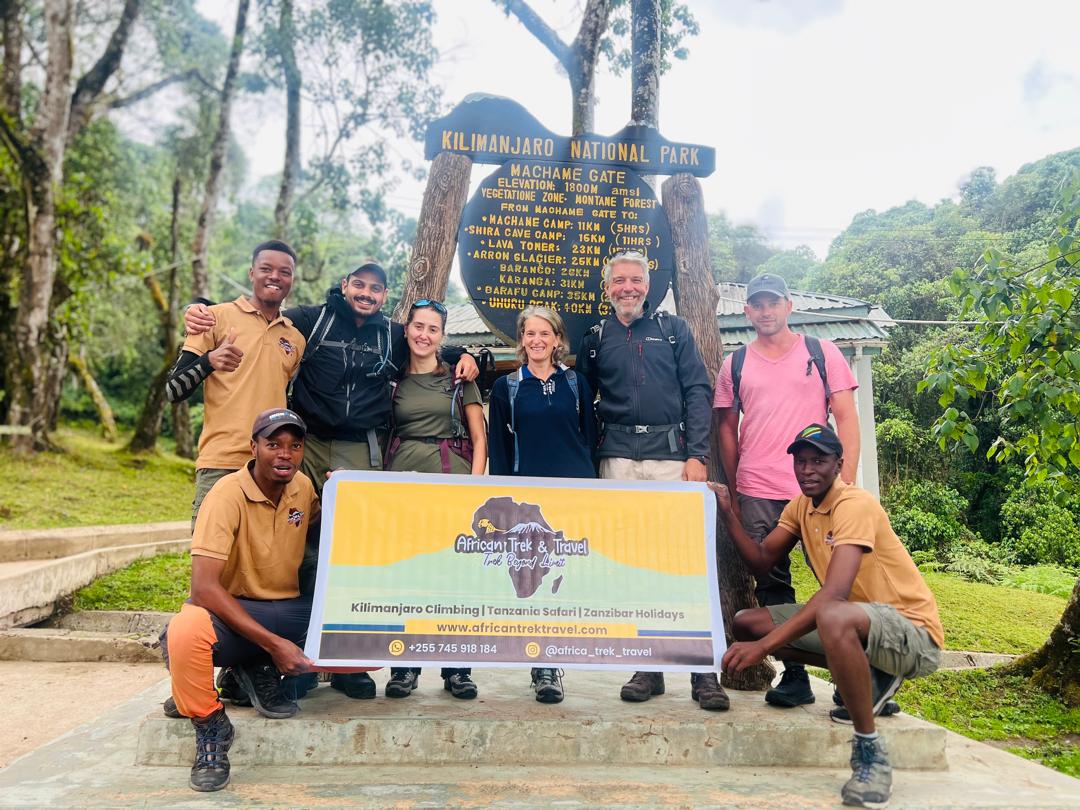


We collaborate with top tour operators to provide the best experiences for Kilimanjaro treks, safaris, and adventures.