Learn about Customs Rules for Tanzania Borders 2026–2027. Understand import limits, restricted items, declarations, and practical tips for smooth border clearance.
The Customs Rules for Tanzania Borders 2026–2027 guide provides essential information for travelers entering or exiting Tanzania through land borders, airports, and seaports. Understanding customs regulations helps prevent delays, fines, and confiscation of items, ensuring a smooth border experience.
Using the Customs Rules for Tanzania Borders 2026–2027, travelers can learn about duty-free allowances, declaration requirements, and restricted or prohibited items. The guide explains regulations related to personal goods, electronics, currency limits, food products, medicines, and commercial items. It also outlines procedures for declaring valuables, temporary imports, and items intended for re-export.
The Customs Rules for Tanzania Borders 2026–2027 also includes practical advice on completing customs forms, responding to inspections, and complying with local regulations. Tips on packing, documentation, and honesty during declarations help travelers avoid complications. Ideal for tourists, business travelers, overland drivers, and regional visitors, this guide supports efficient, lawful, and stress-free customs clearance at Tanzania’s borders.
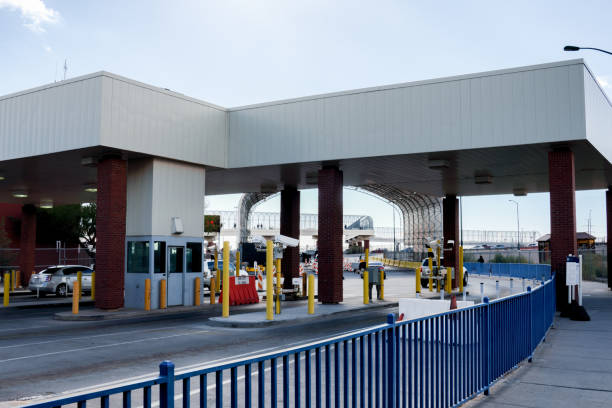
Customs rules for Tanzania borders are a critical part of international travel that many travelers overlook until they are standing at a border post. While immigration focuses on people, customs focuses on goods, luggage, vehicles, currency, and items entering or leaving the country. Understanding customs rules for Tanzania borders helps travelers avoid delays, confiscation of items, fines, or serious legal problems.
Tanzania is a major entry point for East and Southern Africa, welcoming tourists, safari travelers, business visitors, overland explorers, researchers, photographers, and long-stay residents. Whether you enter Tanzania by air, land, or sea, customs rules apply equally and must be respected.
This complete guide explains customs rules for Tanzania borders in detail, including personal luggage allowances, restricted and prohibited items, electronics, professional equipment, vehicles, currency regulations, customs procedures, and practical tips for smooth crossings.
Customs rules for Tanzania borders exist to protect national security, public health, wildlife, and the local economy. Violating customs rules, even unintentionally, can lead to confiscation of goods, heavy fines, delays, or legal action.
Many border problems occur not because travelers intend to break the law, but because they do not understand what must be declared, what is restricted, or what is prohibited. Knowing customs rules for Tanzania borders in advance allows travelers to pack correctly, declare honestly, and pass through customs smoothly.
Customs compliance is just as important as having the right visa or passport.
Customs procedures are present at all official Tanzania borders, including international airports, land border posts, and seaports. After immigration clearance, travelers must pass through customs inspection.
Customs officers have the authority to:
Inspect luggage
Ask questions about items carried
Require declarations
Collect duties or taxes
Confiscate prohibited goods
Customs rules for Tanzania borders apply equally to tourists, residents, and business travelers.
Most travelers enter Tanzania with personal belongings such as clothing, toiletries, and personal electronics. These are generally allowed duty-free if they are clearly for personal use.
Customs rules for Tanzania borders allow reasonable quantities of personal items. Excessive quantities may raise suspicion of commercial intent and require declaration or payment of duty.
Travelers should ensure that luggage contents match the purpose and length of stay.
Customs rules for Tanzania borders permit limited quantities of certain items to be brought in duty-free.
Typical duty-free allowances may include:
A limited amount of alcohol
A limited number of tobacco products
Personal perfumes
Exceeding these limits requires declaration and payment of duty. Carrying excessive quantities without declaring them is a violation of customs rules.
Some items are restricted, meaning they are allowed only with special permission or documentation.
Restricted items often include:
Medicines in large quantities
Professional photography or filming equipment
Scientific or research equipment
Drones
Satellite communication devices
Travelers carrying restricted items must obtain approval in advance and declare them upon entry.
Certain items are strictly prohibited from entering Tanzania.
Customs rules for Tanzania borders prohibit items such as:
Illegal drugs and narcotics
Firearms, ammunition, and explosives without authorization
Pornographic material
Counterfeit goods
Items made from endangered wildlife species
Attempting to bring prohibited items into Tanzania can result in arrest, fines, and imprisonment.
Drones are one of the most commonly misunderstood items under customs rules for Tanzania borders.
Importing a drone into Tanzania requires special permits from relevant authorities. Drones brought without authorization are often confiscated at the border.
Even small recreational drones fall under these rules. Travelers planning aerial photography must secure approval before arrival.
Personal electronics such as phones, laptops, and cameras are generally allowed if they appear reasonable for personal use.
Customs rules for Tanzania borders may require declaration if:
You carry multiple high-value devices
Equipment appears professional
Items are new and unused
Customs officers may question the purpose of electronics to determine whether import duties apply.
Photographers, filmmakers, journalists, and researchers often carry professional equipment.
Customs rules for Tanzania borders may require:
Temporary import permits
Equipment lists
Official letters explaining purpose
Temporary importation ensures equipment is not sold locally and will leave the country after use.
Failure to declare professional equipment can result in delays or confiscation.
Customs rules for Tanzania borders include regulations on how much currency travelers can carry.
Large amounts of cash must be declared. This applies to both local and foreign currency.
Failure to declare large sums may lead to confiscation or questioning.
Travelers are encouraged to use banking systems rather than carrying excessive cash.
Customs rules apply not only on entry but also on exit.
Travelers must declare:
Items purchased in Tanzania that exceed export allowances
Wildlife products such as shells, coral, or carvings (often prohibited)
Large amounts of cash leaving the country
Exporting wildlife products without permits is illegal and strictly enforced.
Tanzania has strong wildlife protection laws.
Customs rules for Tanzania borders strictly prohibit exporting:
Ivory
Animal skins
Coral
Shells
Items made from protected species
Even items sold in markets may be illegal to export. Travelers should never assume souvenirs are legal simply because they are available for sale.
Bringing food, plants, or seeds into Tanzania is regulated to protect agriculture and ecosystems.
Customs rules for Tanzania borders restrict:
Fresh fruits and vegetables
Meat and animal products
Seeds and plants
Travelers should avoid carrying agricultural items unless explicitly permitted.
Travelers entering Tanzania with vehicles must comply with additional customs rules.
Vehicle-related customs rules for Tanzania borders include:
Temporary import permits
Proof of ownership or authorization
Valid insurance
Vehicle inspection
Overland travelers should ensure all vehicle documentation is complete and accurate.
Safari operators handle customs procedures for vehicles professionally. However, travelers should still understand the process.
Customs rules for Tanzania borders apply to safari vehicles, including fuel, equipment, and spare parts.
Using licensed operators reduces risks of customs-related delays.
At land borders, customs facilities may be simpler than at airports, but rules remain the same.
Travelers may be required to:
Open luggage for inspection
Declare goods verbally or in writing
Pay duties if applicable
Patience and cooperation help ensure smooth processing.
Airports have more structured customs systems, often using red and green channels.
Green channel is for travelers with nothing to declare. Red channel is for those declaring items.
Choosing the correct channel is part of complying with customs rules for Tanzania borders.
Business travelers may carry samples, equipment, or promotional materials.
These items may require declaration and duty payment or temporary import permits.
Failing to declare business items can cause delays or fines.
Long-stay travelers may bring household items or large quantities of personal goods.
Customs rules may require:
Inventory lists
Proof of residence or visa status
Payment of import duties
Planning shipments carefully helps avoid complications.
Common mistakes include:
Failing to declare restricted items
Carrying prohibited wildlife products
Bringing drones without permits
Assuming personal use exemptions always apply
Not declaring large amounts of cash
Understanding customs rules for Tanzania borders prevents these mistakes.
Honest declaration is always the best approach.
When in doubt, declare items. Customs officers are more lenient with travelers who declare honestly than with those who attempt to hide items.
Declaration forms or verbal declarations should be completed accurately.
Customs inspections are routine.
Travelers should:
Remain calm and polite
Answer questions honestly
Follow instructions
Avoid arguing
Professional conduct leads to faster resolution.
Penalties vary depending on the violation.
Possible consequences include:
Confiscation of goods
Fines
Delays
Legal action
Serious violations may affect future travel.
Key tips include:
Research customs rules before travel
Pack responsibly
Carry documentation for valuable items
Avoid prohibited souvenirs
Declare honestly
Preparation saves time and stress.
Respecting customs rules is part of respecting the country.
Compliance shows responsibility and supports conservation, security, and fair trade.
Customs rules for Tanzania borders are clear, enforceable, and essential for safe and legal travel. While the process may seem intimidating, most travelers pass through customs without issues when they are prepared and honest.
By understanding what you can bring, what you must declare, and what is prohibited, you protect yourself from unnecessary stress and contribute to responsible travel.
Customs rules for Tanzania borders are not barriers—they are safeguards. When followed correctly, they allow travelers to enter and exit Tanzania smoothly, focusing on what truly matters: exploring the country’s wildlife, culture, landscapes, and unforgettable experiences with confidence and peace of mind.
African Trek & Travel is a leading Tanzania tour operator in Moshi and Arusha for 2026–2027, specializing in Kilimanjaro treks, safaris, and tailor-made adventures. With deep local expertise and a strong commitment to safety and quality, we deliver unforgettable travel experiences across East Africa.
Discover popular Safaris, Serengeti Migration, Kilimanjaro Climbing & Zanzibar Beach Holidays. Plan your perfect adventure today!
 Popular
Experience the wildebeest migration across the vast Serengeti and Ngorongoro plains. Perfect for wildlife lovers and photography enthusiasts.
Book Now New
New
Climb Africa’s highest peak via scenic routes with expert guides and safe treks. Experience adventure with full support and accommodation included.
Book Now Popular
Relax in paradise with pristine white beaches, spice tours, and cultural charm. Ideal for families and honeymooners seeking luxury and tranquility.
Book Now


We collaborate with top tour operators to provide the best experiences for Kilimanjaro treks, safaris, and adventures.