Travel with confidence using the East Africa Vacation Safety Guide 2026–2027, covering health, security, transport safety, and practical travel tips.
The East Africa Vacation Safety Guide 2026–2027 is designed to help travelers enjoy a safe, comfortable, and worry-free holiday across the region. East Africa is a well-established tourism destination with experienced guides, regulated national parks, and reliable travel services in countries such as Tanzania, Kenya, Uganda, Rwanda, and Ethiopia.
Using the East Africa Vacation Safety Guide 2026–2027, travelers learn essential safety practices including health precautions, wildlife safety during safaris, road and transport awareness, and personal security tips in cities and rural areas. Guided tours, licensed vehicles, and professional guides greatly enhance safety while allowing travelers to focus on enjoying wildlife, culture, and scenic landscapes.
The East Africa Vacation Safety Guide 2026–2027 also covers travel insurance, medical facilities, emergency support, and documentation requirements. With proper planning, local expertise, and common-sense precautions, East Africa vacations are safe and rewarding. This guide ensures travelers are well-prepared to explore the region confidently while enjoying unforgettable experiences.

Planning a trip to East Africa is an exciting decision, but safety is often one of the first concerns travelers have. Questions about health, security, transport, wildlife, and daily travel are common, especially for first-time visitors. The good news is that East Africa is a well-established travel region with decades of tourism experience, professional guides, and clear safety practices.
This East Africa Vacation Safety Guide is designed to give travelers realistic, balanced, and practical information. Rather than focusing on fear or exaggeration, this guide explains how safety works in real travel situations, what risks actually exist, and how travelers can prepare properly. With the right planning, East Africa vacations are not only safe, but deeply rewarding, comfortable, and enjoyable.
Safety is not about avoiding travel—it is about being informed, prepared, and aware. East Africa is a large and diverse region, and safety considerations vary depending on destination, travel style, season, and personal behavior.
An East Africa vacation safety guide helps travelers:
Understand realistic risks
Prepare properly before arrival
Make informed travel choices
Avoid common mistakes
Travel confidently rather than anxiously
Well-prepared travelers almost always have positive experiences.
East Africa has hosted millions of international travelers for decades. Safari tourism, cultural travel, beach holidays, and adventure trips are well established, with strong local expertise supporting visitors.
Key safety strengths in East Africa include:
Experienced professional guides
Well-developed safari circuits
Established tourism infrastructure
Friendly and hospitable communities
Strong focus on visitor safety in tourism areas
Like anywhere in the world, safety depends on preparation and behavior rather than fear.
Safety conditions can vary slightly by country, though tourist areas are generally well managed across the region.
Tanzania is considered one of the safest destinations in East Africa for tourists.
Safety strengths include:
Stable political environment
Strong safari and tourism regulation
Professional guiding standards
Tourist routes are well established and secure.
Kenya has a large tourism industry with strong safety systems in place.
Key points include:
Safe safari regions and coastal areas
Well-developed infrastructure
Clear security presence in tourist zones
As in major cities worldwide, awareness in urban areas is important.
Rwanda is widely regarded as one of the safest countries in Africa.
Highlights include:
Clean, organized cities
Low crime rates
Strong public order
Rwanda is especially suitable for first-time travelers.
Uganda is friendly and welcoming, with a strong community atmosphere.
Safety considerations include:
Rural travel awareness
Professional guides for nature areas
Uganda is safe when travel is well planned.
Health preparation is one of the most important aspects of safe travel.
Travelers should:
Consult a healthcare provider before departure
Ensure routine vaccinations are up to date
Follow region-specific health advice
Good preparation reduces stress during travel.
Food safety in East Africa is generally good, especially in tourist accommodations.
Best practices include:
Drinking bottled or treated water
Eating freshly prepared meals
Avoiding unwashed fruits and vegetables in informal settings
Most travelers experience no food-related issues when following basic precautions.
Major cities and tourist hubs have:
Private hospitals and clinics
English-speaking medical staff
Travel insurance is essential for covering medical care and evacuation if needed.
Wildlife is one of East Africa’s biggest attractions, but it must be respected.
Safari safety is based on:
Staying inside vehicles during game drives
Following guide instructions
Keeping safe distances from animals
Professional guides are trained to manage wildlife interactions safely.
Nature walks are usually guided.
Safety measures include:
Armed or trained rangers where required
Clear instructions
Controlled walking routes
Unsupervised walking in wildlife areas is not recommended.
Transport safety is a key concern for many travelers.
Most travelers use:
Private vehicles with drivers
Safari vehicles
Organized transfers
Professional drivers understand road conditions and safety protocols.
Domestic flights are commonly used for long distances.
Safety considerations:
Regulated airlines
Experienced pilots
Well-established routes
Flights save time and reduce road fatigue.
Public transport exists but is not recommended for tourists unfamiliar with local systems.
Organized transport is safer and more reliable.
Accommodation safety in East Africa is generally very good.
Tourist accommodations typically offer:
Security staff
Controlled access
Safe storage for valuables
Choosing reputable accommodation greatly enhances safety.
Cities require the same awareness as any major city worldwide.
Travelers should:
Avoid displaying valuables
Use registered taxis or ride services
Be aware of surroundings
Simple precautions go a long way.
Solo travel is increasingly common in East Africa.
Solo travelers should:
Share itineraries with someone
Choose reputable operators
Avoid unnecessary risks
Many solo travelers report feeling welcomed and supported.
Female travelers often ask specific safety questions.
East Africa is generally respectful toward visitors.
Best practices include:
Modest dress in conservative areas
Confident body language
Using professional guides and accommodation
Many women travel safely alone or in small groups.
Families often worry about safety for children.
Family safety strengths include:
Child-friendly lodges
Flexible itineraries
Strong guiding support
Families travel safely when trips are well planned.
Senior travelers benefit from structured travel.
Safety considerations include:
Comfortable pacing
Medical preparation
Professional assistance
East Africa is well suited for senior travelers with proper planning.
Adventure travel requires additional awareness.
Activities such as:
Trekking
Cycling
Water activities
are safe when guided by professionals and done with appropriate equipment.
East Africa is generally stable in tourism areas.
Important points:
Tourist regions are prioritized for security
Travelers should stay informed through official channels
Major disruptions rarely affect tourism directly.
Scams exist everywhere, but are avoidable.
Common issues include:
Overpriced souvenirs
Unofficial guides
Taxi price disputes
Using licensed services minimizes risk.
Handling money safely is important.
Best practices include:
Using hotel safes
Carrying limited cash
Using ATMs in secure locations
Digital payments are increasingly common.
Respecting culture improves safety.
Cultural awareness includes:
Appropriate dress
Respectful behavior
Asking permission for photos
Respect builds goodwill and trust.
Staying connected improves safety.
Travelers should:
Purchase local SIM cards or eSIMs
Keep emergency contacts accessible
Communication provides reassurance and support.
Travel insurance is essential.
Coverage should include:
Medical treatment
Emergency evacuation
Trip cancellation
Insurance provides peace of mind.
Weather affects travel safety.
Dry seasons offer:
Easier road travel
Rainy seasons require:
Flexible scheduling
Awareness of road conditions
Planning accounts for seasonal changes.
Common myths include:
“East Africa is dangerous everywhere”
“Wildlife is unpredictable and unsafe”
In reality, structured tourism is very safe.
Preparation steps include:
Choosing reputable operators
Understanding destinations
Packing appropriately
Staying informed
Preparation builds confidence.
Travelers often report feeling safe because:
People are welcoming
Tourism is well managed
Guides prioritize safety
Positive experiences are the norm.
Misinformation discourages meaningful travel. This East Africa vacation safety guide exists to replace fear with facts and help travelers approach East Africa with confidence, respect, and realistic expectations.
East Africa is a remarkable region offering wildlife, culture, landscapes, and human connection found nowhere else in the world. Safety is not about avoiding this experience—it is about traveling wisely. With professional guidance, proper planning, cultural respect, and common sense, East Africa vacations are safe, comfortable, and deeply rewarding.
By following the principles in this East Africa Vacation Safety Guide, travelers can focus on what truly matters: discovering extraordinary places, meeting inspiring people, and creating memories that last a lifetime.
For travelers who prepare thoughtfully and travel responsibly, East Africa is not a destination to fear—it is a destination to embrace with confidence.
African Trek & Travel is a leading Tanzania tour operator in Moshi and Arusha for 2026–2027, specializing in Kilimanjaro treks, safaris, and tailor-made adventures. With deep local expertise and a strong commitment to safety and quality, we deliver unforgettable travel experiences across East Africa.
Discover popular Safaris, Serengeti Migration, Kilimanjaro Climbing & Zanzibar Beach Holidays. Plan your perfect adventure today!
 Popular
Experience the wildebeest migration across the vast Serengeti and Ngorongoro plains. Perfect for wildlife lovers and photography enthusiasts.
Book Now New
New
Climb Africa’s highest peak via scenic routes with expert guides and safe treks. Experience adventure with full support and accommodation included.
Book Now Popular
Relax in paradise with pristine white beaches, spice tours, and cultural charm. Ideal for families and honeymooners seeking luxury and tranquility.
Book Now

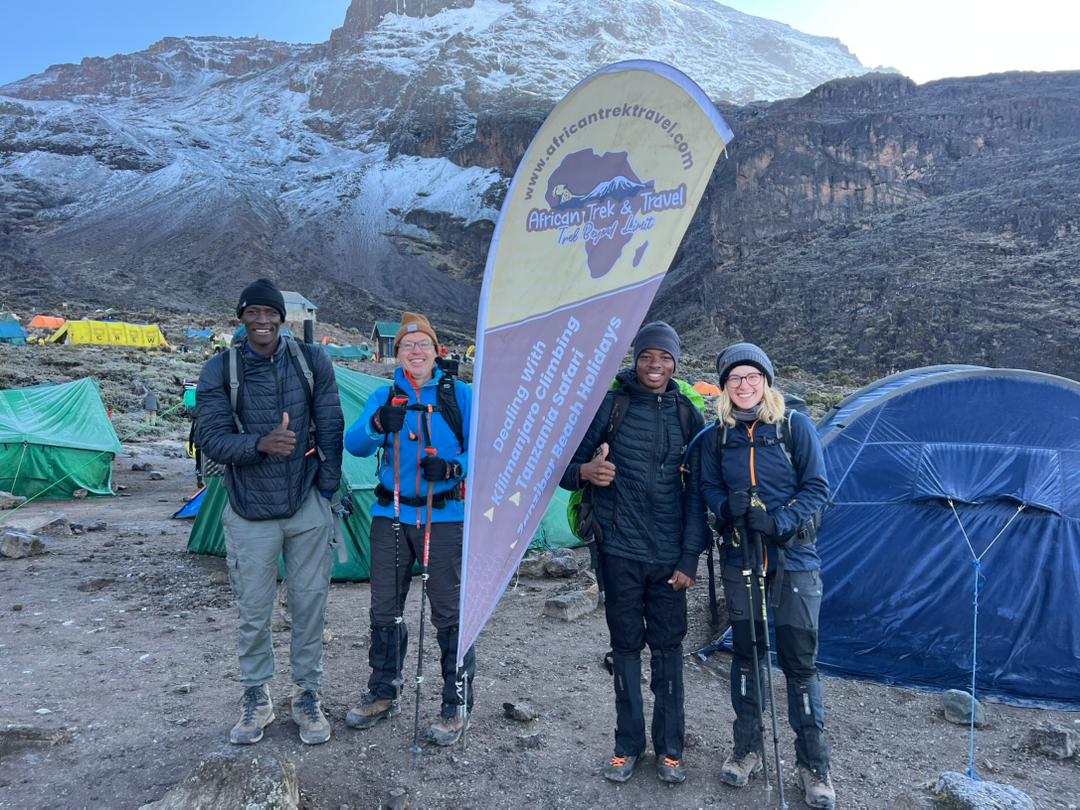
We collaborate with top tour operators to provide the best experiences for Kilimanjaro treks, safaris, and adventures.