Eco-Friendly Trekking Expeditions: Responsible Adventure Travel for a Sustainable Future
Eco-Friendly Trekking Expeditions are transforming the way people experience nature, mountains, and remote landscapes. Travelers today are no longer satisfied with adventure alone; they want meaningful journeys that protect the environment, support local communities, and preserve natural ecosystems for future generations. Eco-Friendly Trekking Expeditions combine responsible travel principles with unforgettable outdoor experiences, making them the preferred choice for conscious adventurers worldwide.
From the snow-capped peaks of East Africa to dense rainforests, volcanic highlands, and alpine trails, Eco-Friendly Trekking Expeditions focus on low-impact trekking, ethical guiding practices, and sustainable tourism development. These expeditions are designed to reduce carbon footprints, protect wildlife habitats, and ensure that tourism benefits the people who call these destinations home.
What Makes Eco-Friendly Trekking Expeditions Different?
Eco-Friendly Trekking Expeditions go beyond traditional hiking or trekking tours. They are carefully designed to minimize environmental damage while maximizing cultural and economic benefits for local communities. Every aspect of the journey, from waste management to accommodation and food sourcing, is planned with sustainability in mind.
Key elements of Eco-Friendly Trekking Expeditions include responsible trail use, small group sizes, locally employed guides and porters, eco-conscious camping practices, and strong conservation ethics. These expeditions avoid mass tourism routes where possible and prioritize natural preservation over speed or convenience.
Eco-Friendly Trekking Expeditions also emphasize education. Travelers learn about fragile ecosystems, climate challenges, and conservation efforts directly from local experts, creating a deeper connection with the environment they explore.
The Importance of Eco-Friendly Trekking Expeditions in Modern Travel
Adventure tourism has grown rapidly over the last two decades, and without responsible management, it can place enormous pressure on sensitive environments. Eco-Friendly Trekking Expeditions address these challenges by promoting sustainable travel models that protect biodiversity and cultural heritage.
Mountain regions, forests, and wildlife corridors are especially vulnerable to over-tourism. Eco-Friendly Trekking Expeditions help reduce soil erosion, deforestation, and pollution by enforcing strict environmental guidelines. These expeditions also support conservation initiatives through park fees, community projects, and environmental education programs.
By choosing Eco-Friendly Trekking Expeditions, travelers actively contribute to preserving iconic trekking destinations while ensuring they remain accessible and unspoiled for future generations.
Core Principles of Eco-Friendly Trekking Expeditions
Environmental Conservation
Environmental conservation is the foundation of Eco-Friendly Trekking Expeditions. Trekking routes are selected to avoid sensitive habitats, and trekkers are educated on Leave No Trace principles. This includes proper waste disposal, avoiding wildlife disturbance, and respecting vegetation.
Reusable water bottles, biodegradable toiletries, and eco-friendly gear are strongly encouraged. Campsites are carefully managed to prevent long-term environmental damage, and many Eco-Friendly Trekking Expeditions actively participate in trail clean-up initiatives.
Community-Based Tourism
Eco-Friendly Trekking Expeditions prioritize local employment and community engagement. Local guides, porters, cooks, and drivers are hired and paid fair wages. This ensures that tourism revenue stays within the community and supports education, healthcare, and infrastructure development.
Cultural exchanges are an important part of Eco-Friendly Trekking Expeditions. Travelers are encouraged to learn local customs, languages, and traditions, fostering mutual respect and understanding.
Ethical Trekking Practices
Ethical treatment of trekking staff is a key aspect of Eco-Friendly Trekking Expeditions. Proper equipment, fair workloads, insurance coverage, and access to medical care are standard practices. Responsible operators follow international trekking and porter welfare guidelines to ensure safe and dignified working conditions.
Eco-Friendly Trekking Expeditions in East Africa
East Africa is one of the world’s leading destinations for Eco-Friendly Trekking Expeditions. The region offers diverse landscapes, from volcanic mountains and alpine deserts to lush rainforests and savannah plains.
Mount Kilimanjaro Eco-Friendly Trekking Expeditions
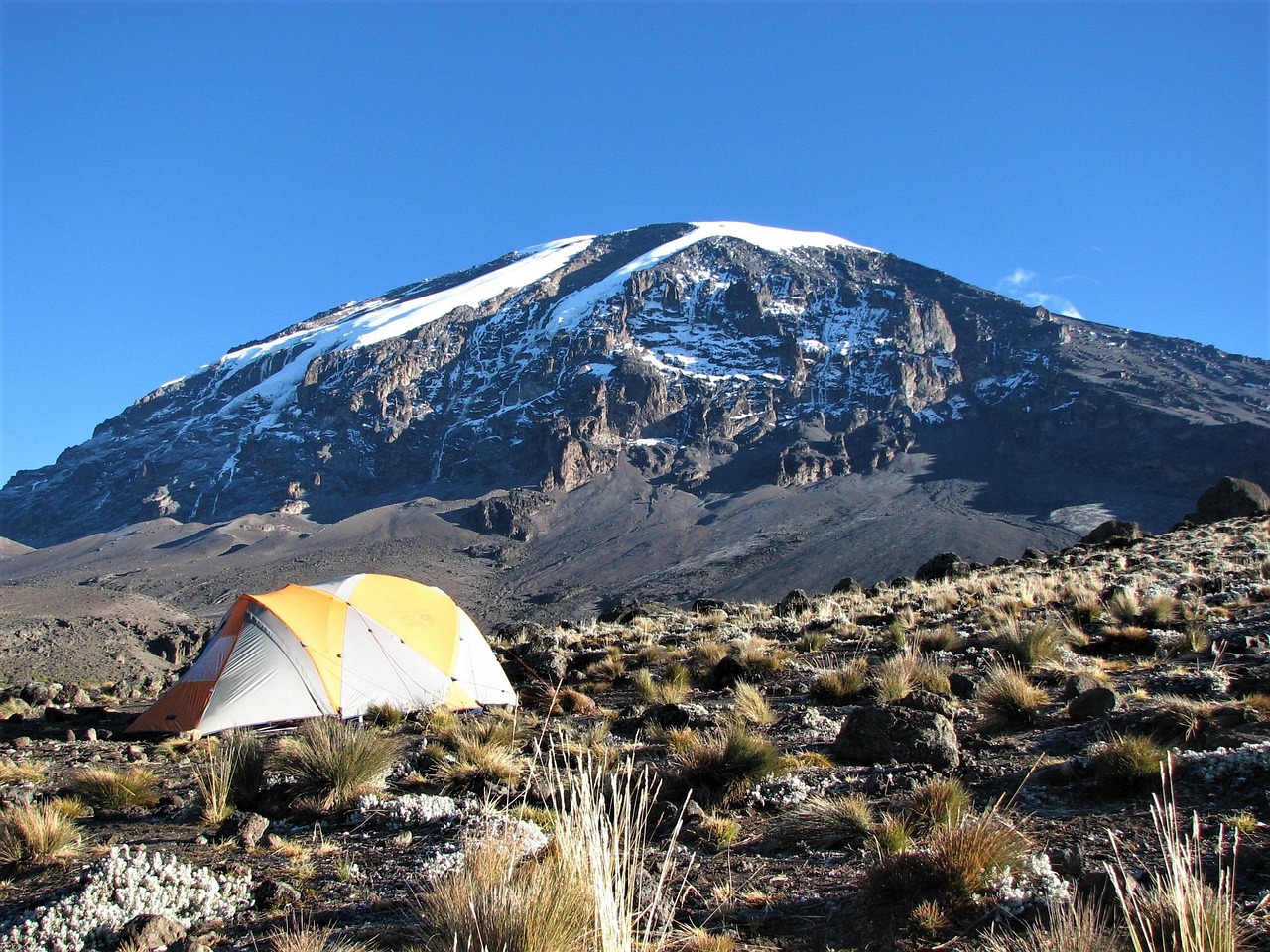
Mount Kilimanjaro is a prime example of how Eco-Friendly Trekking Expeditions can protect a world-famous destination. Sustainable trekking practices help preserve the mountain’s fragile ecosystems, which range from tropical rainforest to arctic summit conditions.
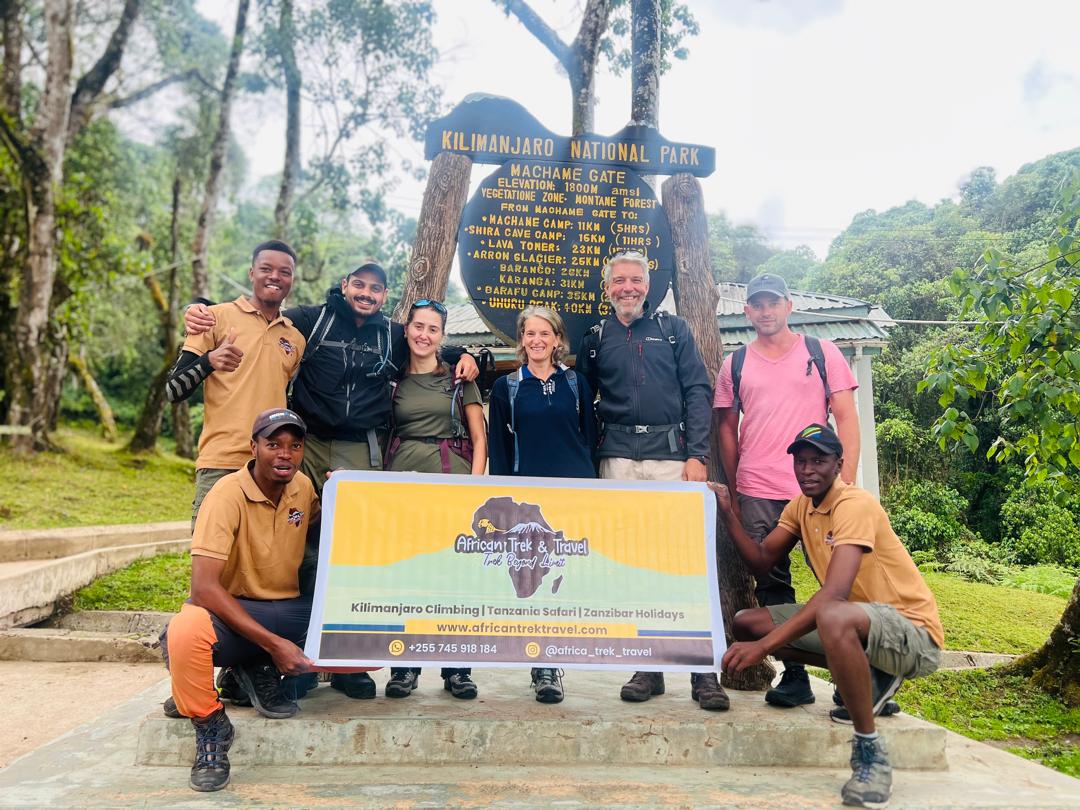
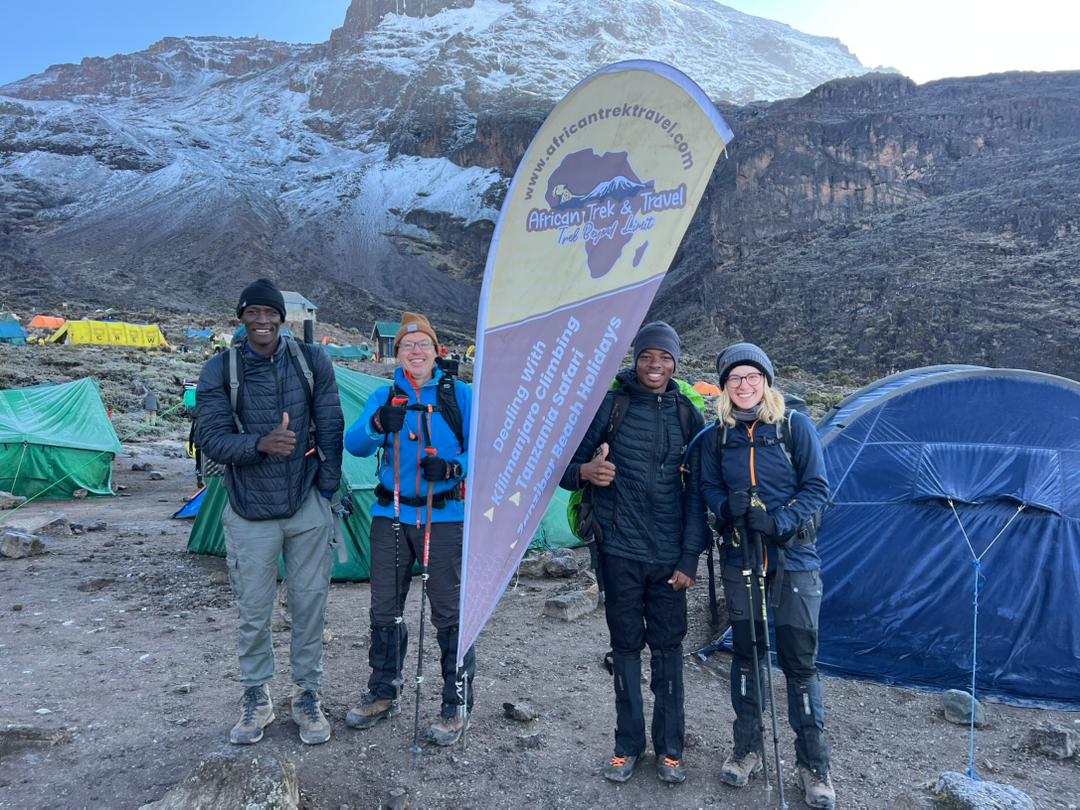
Eco-Friendly Trekking Expeditions on Kilimanjaro focus on proper waste management, regulated group sizes, and the use of eco-conscious campsites. Local guides and porters play a central role, sharing their knowledge of the mountain while benefiting directly from responsible tourism.
Mount Meru Sustainable Trekking Experiences
Mount Meru offers a quieter alternative for Eco-Friendly Trekking Expeditions. Its diverse wildlife, forested slopes, and dramatic crater views make it ideal for low-impact trekking. Conservation efforts on Mount Meru are closely linked to community involvement and park protection initiatives.
Kenya and Uganda Trekking Destinations
Eco-Friendly Trekking Expeditions in Kenya and Uganda include mountain trekking, forest hikes, and conservation-focused journeys. These expeditions often integrate wildlife protection programs and community conservation projects, offering travelers a chance to contribute positively while exploring stunning landscapes.
Sustainable Gear and Equipment for Eco-Friendly Trekking Expeditions
Choosing the right gear is essential for Eco-Friendly Trekking Expeditions. Sustainable equipment reduces waste, lowers environmental impact, and supports ethical manufacturing practices.
Eco-conscious trekking gear includes durable backpacks made from recycled materials, responsibly sourced down or synthetic insulation, and long-lasting footwear designed for extended use. Renting trekking equipment locally is another sustainable option that reduces transportation emissions and supports local businesses.
Reusable items such as water bottles, food containers, and solar-powered chargers are standard for Eco-Friendly Trekking Expeditions. These choices significantly reduce plastic waste in remote trekking areas.
Low-Impact Camping and Accommodation
Accommodation plays a major role in Eco-Friendly Trekking Expeditions. Eco-lodges, community-run campsites, and regulated mountain huts are preferred over large-scale developments.
Eco-Friendly Trekking Expeditions follow strict guidelines for campsite selection, ensuring minimal disturbance to wildlife and vegetation. Camps are set up on durable surfaces, and all waste is packed out or responsibly disposed of according to park regulations.
Many Eco-Friendly Trekking Expeditions support eco-lodges that use renewable energy, rainwater harvesting, and sustainable construction methods. These accommodations provide comfort while maintaining a low environmental footprint.
Wildlife Protection and Biodiversity Conservation
Eco-Friendly Trekking Expeditions play an important role in wildlife protection. Trekking routes often pass through habitats shared by endangered species, making responsible behavior essential.
Guides trained in wildlife conservation ensure that trekkers maintain safe distances and avoid disturbing animals. Eco-Friendly Trekking Expeditions also contribute to conservation funding through park fees and partnerships with environmental organizations.
By choosing Eco-Friendly Trekking Expeditions, travelers help protect biodiversity and support ongoing conservation efforts in some of the world’s most fragile ecosystems.
Cultural Respect and Responsible Interaction
Respect for local cultures is a cornerstone of Eco-Friendly Trekking Expeditions. Travelers are encouraged to dress modestly, ask permission before taking photographs, and follow local customs.
Eco-Friendly Trekking Expeditions often include visits to villages, schools, or cultural centers, providing meaningful interactions rather than staged experiences. These encounters foster genuine connections and mutual respect between travelers and host communities.
Supporting local artisans and businesses during Eco-Friendly Trekking Expeditions further strengthens the positive impact of tourism.
Health, Safety, and Sustainability
Eco-Friendly Trekking Expeditions prioritize safety while maintaining environmental responsibility. Proper acclimatization schedules, trained guides, and emergency preparedness ensure a safe trekking experience without compromising sustainability.
Medical kits, communication devices, and evacuation plans are standard on Eco-Friendly Trekking Expeditions. At the same time, operators avoid unnecessary infrastructure development that could harm the environment.
Climate Change and Eco-Friendly Trekking Expeditions
Climate change poses a significant threat to trekking destinations worldwide. Glacial retreat, changing weather patterns, and ecosystem disruption are increasingly visible in mountain regions.
Eco-Friendly Trekking Expeditions address these challenges by reducing emissions, supporting climate adaptation projects, and raising awareness among travelers. Carbon offset programs, reforestation initiatives, and renewable energy use are becoming standard practices.
By participating in Eco-Friendly Trekking Expeditions, travelers contribute to climate-conscious tourism that prioritizes long-term environmental health.
Choosing the Right Eco-Friendly Trekking Expedition Operator
Selecting a responsible operator is essential for a genuine Eco-Friendly Trekking Expedition. Ethical operators are transparent about their sustainability practices, staff welfare policies, and community involvement.
Look for operators who actively support conservation projects, employ local teams, and adhere to environmental regulations. Genuine Eco-Friendly Trekking Expeditions focus on quality experiences rather than mass tourism.
Benefits of Eco-Friendly Trekking Expeditions for Travelers
Eco-Friendly Trekking Expeditions offer deeper, more meaningful travel experiences. Travelers gain a stronger connection to nature, a better understanding of local cultures, and the satisfaction of traveling responsibly.
These expeditions often provide quieter trails, personalized guiding, and authentic cultural interactions. The sense of purpose and positive impact adds lasting value to the trekking experience.
The Future of Eco-Friendly Trekking Expeditions
The future of adventure travel lies in sustainability, and Eco-Friendly Trekking Expeditions are leading the way. As travelers become more environmentally conscious, demand for responsible trekking experiences continues to grow.
Innovations in sustainable gear, renewable energy, and community-based tourism will further strengthen Eco-Friendly Trekking Expeditions. These journeys will continue to protect natural landscapes while providing economic opportunities for local communities.
Why Eco-Friendly Trekking Expeditions Matter
Eco-Friendly Trekking Expeditions are more than outdoor adventures; they are a commitment to protecting the planet and supporting people. Every step taken responsibly helps preserve trails, wildlife, and cultures for future generations.
By choosing Eco-Friendly Trekking Expeditions, travelers become active participants in conservation and sustainable development. These expeditions demonstrate that adventure and responsibility can go hand in hand.
Eco-Friendly Trekking Expeditions as a Responsible Travel Choice
Eco-Friendly Trekking Expeditions represent the ideal balance between exploration and preservation. They allow travelers to experience breathtaking landscapes while leaving a positive legacy behind.
Responsible trekking ensures that mountains, forests, and trails remain pristine, communities thrive, and future travelers can enjoy the same natural beauty. Eco-Friendly Trekking Expeditions are not just a trend; they are the future of adventure travel.
Final Thoughts on Eco-Friendly Trekking Expeditions
Eco-Friendly Trekking Expeditions redefine what it means to explore the world responsibly. Through conservation, community support, and ethical travel practices, these expeditions offer unforgettable journeys with lasting positive impact.
Choosing Eco-Friendly Trekking Expeditions means choosing sustainability, respect, and meaningful adventure. It is a powerful way to explore nature while protecting it, ensuring that the spirit of trekking remains alive for generations to come.

 Popular
 New
New
 Popular