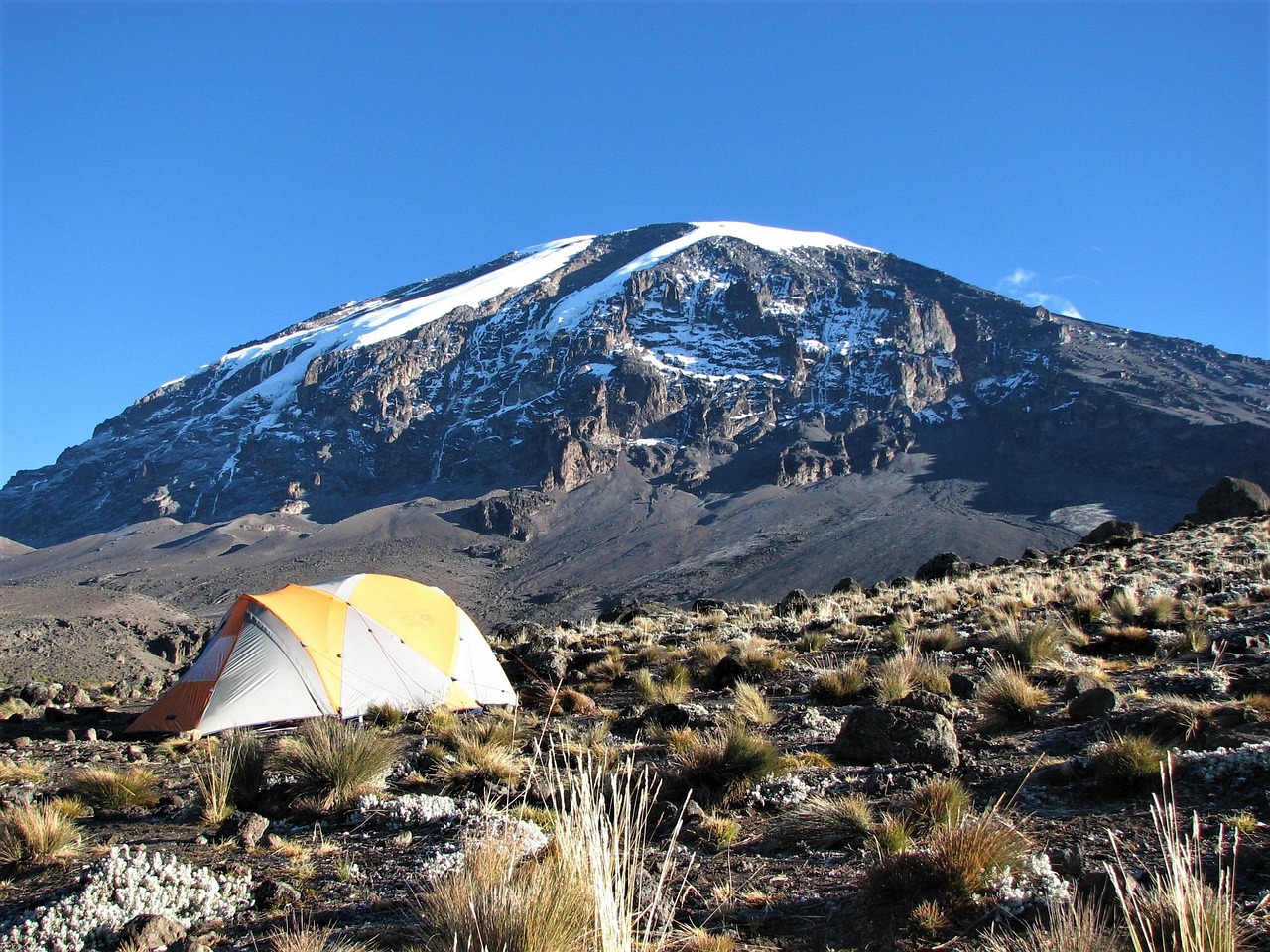
Travel responsibly with Eco-Friendly Vacations in East Africa 2026–2027, featuring sustainable lodges, conservation activities, and low-impact travel experiences.
Eco-Friendly Vacations in East Africa 2026–2027 are designed for travelers who want to explore the region while protecting its natural environment and supporting local communities. East Africa is a leader in sustainable tourism, offering eco-lodges, community-based tourism initiatives, and conservation-focused travel across countries such as Tanzania, Kenya, Uganda, Rwanda, and Ethiopia.
During Eco-Friendly Vacations in East Africa 2026–2027, travelers stay in environmentally responsible lodges, participate in wildlife conservation activities, and enjoy nature-based experiences with minimal environmental impact. Activities may include low-impact safaris, guided nature walks, birdwatching, marine conservation tours, and visits to community projects that promote cultural preservation and sustainable livelihoods.
Eco-Friendly Vacations in East Africa 2026–2027 include expert local guides, eco-certified accommodations, and carefully planned itineraries that emphasize responsible travel practices. Ideal for environmentally conscious travelers, families, and nature lovers, these vacations offer meaningful experiences that contribute to conservation efforts while showcasing East Africa’s incredible wildlife, landscapes, and cultures.

Eco-friendly vacations in East Africa offer travelers the chance to explore one of the world’s most spectacular regions while minimizing environmental impact and supporting local communities. As awareness of climate change, wildlife conservation, and cultural preservation grows, more travelers are seeking travel experiences that align with their values. East Africa is uniquely positioned to offer eco-friendly travel thanks to its strong conservation culture, community-based tourism initiatives, and vast protected natural areas.
This comprehensive guide to eco-friendly vacations in East Africa explains what sustainable travel truly means, who it is best for, where to go, how to plan responsibly, and how eco-friendly choices enhance rather than limit the travel experience. Whether you are planning a safari, beach holiday, cultural journey, long stay, or family trip, this guide helps you plan eco-friendly vacations in East Africa that are ethical, enriching, and impactful.
Eco-friendly vacations in East Africa focus on reducing negative environmental impact while maximizing positive contributions to nature, wildlife, and local communities. These vacations prioritize sustainability, conservation, and responsible interaction with people and ecosystems.
Eco-friendly vacations may include:
Staying at eco-lodges and low-impact accommodations
Supporting conservation and community projects
Minimizing waste and resource use
Respecting wildlife and natural habitats
Choosing responsible transport and activities
Engaging in cultural exchange with local communities
Eco-friendly travel is about thoughtful choices, not sacrifice.
Eco-friendly vacations in East Africa matter because the region’s natural beauty and biodiversity are its greatest treasures—and also its most vulnerable assets. Wildlife habitats, ecosystems, and traditional cultures depend on responsible tourism for long-term survival.
Key reasons travelers choose eco-friendly vacations in East Africa include:
Protecting wildlife and ecosystems
Supporting local livelihoods
Reducing environmental footprint
Experiencing more authentic travel
Traveling with purpose and awareness
Eco-friendly travel creates positive impact that lasts beyond the journey.
Eco-friendly vacations in East Africa appeal to a wide range of travelers.
They are ideal for:
Environmentally conscious travelers
Wildlife and nature lovers
Families teaching children responsible travel
Couples seeking meaningful experiences
Long-stay and slow travelers
Photographers and writers
Travelers who value ethics over excess
Eco-friendly travel welcomes anyone willing to travel thoughtfully.
Sustainability in East Africa focuses on balancing tourism growth with environmental and cultural preservation.
Key sustainability pillars include:
Wildlife conservation
Community empowerment
Environmental protection
Cultural respect
Eco-friendly vacations support all four pillars simultaneously.
Several East African countries lead the way in sustainable tourism.
Tanzania is one of the strongest destinations for eco-friendly vacations in East Africa.
It offers:
Large protected wildlife areas
Community-based tourism initiatives
Eco-lodges and conservation camps
Marine conservation zones
Tanzania allows travelers to experience nature while supporting preservation efforts.
Kenya has a long history of conservation-focused tourism.
Highlights include:
Community conservancies
Responsible safari operations
Sustainable coastal tourism
Kenya’s eco-tourism model emphasizes community benefit.
Uganda is known for low-impact, nature-based travel.
It offers:
Forest conservation programs
Community tourism initiatives
Small-scale eco-lodges
Uganda suits travelers seeking simple, responsible experiences.
Rwanda is a global example of conservation-led tourism.
It is known for:
Strict environmental regulations
Community benefit programs
Clean and organized tourism practices
Rwanda demonstrates how eco-friendly tourism can drive national development.
Safaris can be eco-friendly when managed responsibly.
Eco-friendly safari practices include:
Limiting vehicle numbers
Respecting wildlife distances
Supporting conservation fees
Employing local guides
Responsible safaris protect animals and habitats.
Eco-friendly wildlife vacations prioritize animal welfare.
Travelers should expect:
Ethical wildlife viewing
No interaction or feeding of animals
Education about animal behavior
Wildlife is observed, not disturbed.
Coastal ecosystems are sensitive environments.
Eco-friendly beach vacations include:
Staying at eco-conscious resorts
Protecting coral reefs
Supporting local fishing communities
Reducing plastic use
Marine conservation is central to eco-friendly coastal travel.
Culture and sustainability go hand in hand.
Eco-friendly cultural travel includes:
Community-based tourism
Local guides and hosts
Respect for traditions and customs
Cultural tourism becomes a tool for preservation rather than exploitation.
Accommodation choices define eco-friendly travel.
Eco-lodges often feature:
Renewable energy sources
Water conservation systems
Waste reduction programs
Local materials and design
Employment of local staff
Eco-friendly accommodations enhance immersion and comfort.
Transport contributes significantly to travel impact.
Eco-friendly transport options include:
Shared transfers
Efficient route planning
Minimizing unnecessary flights
Slow travel where possible
Thoughtful transport choices reduce emissions.
Eco-friendly travel is educational for children.
Families benefit from:
Learning about conservation
Cultural awareness
Responsible behavior modeling
Eco-friendly vacations create lifelong values.
Couples often choose eco-friendly vacations for:
Peaceful natural settings
Meaningful shared experiences
Low-impact luxury
Eco-friendly travel enhances intimacy and connection.
Solo travelers benefit from eco-friendly travel through:
Community connection
Personal growth
Purposeful exploration
Eco-travel aligns well with independent journeys.
Long stays amplify impact.
Eco-friendly long stays include:
Supporting local economies
Reducing frequent travel
Building community relationships
Slow travel is inherently eco-friendly.
Eco-friendly travel is possible year-round.
Seasonal considerations include:
Avoiding overcrowding
Traveling during shoulder seasons
Reducing pressure on ecosystems
Off-peak travel supports sustainability.
Packing choices matter.
Eco-conscious packing includes:
Reusable water bottles
Eco-friendly toiletries
Minimal packaging
Durable, multi-use items
Less waste means less impact.
Health preparation supports responsible travel.
Travelers should:
Follow local health advice
Respect food and water safety
Carry personal medications
Prepared travelers reduce strain on local resources.
Traveler behavior matters.
Responsible actions include:
Conserving water and energy
Respecting wildlife and communities
Supporting local businesses
Small actions create meaningful change.
Education is central to eco-friendly travel.
Travelers often learn about:
Wildlife conservation challenges
Environmental protection efforts
Community development
Understanding deepens appreciation.
Common mistakes include:
Assuming eco-friendly means basic or uncomfortable
Ignoring local guidance
Choosing experiences based on labels rather than practices
True eco-travel requires informed choices.
Travelers should look for:
Transparent sustainability practices
Community involvement
Conservation contributions
Responsible wildlife policies
Authenticity matters more than marketing.
Eco-friendly travel blends well with:
Wildlife and nature vacations
Cultural travel
Adventure travel
Long-stay travel
Sustainability enhances every travel style.
Eco-friendly vacations in East Africa are impactful because tourism directly supports conservation and communities. When done responsibly, travel becomes a force for protection rather than exploitation.
Sustainable travel requires awareness and intention. This guide exists to help travelers understand how eco-friendly vacations in East Africa work and how their choices shape the future of tourism in the region.
Eco-friendly vacations in East Africa offer travelers the chance to experience extraordinary landscapes, wildlife, and cultures while contributing positively to their preservation. Rather than limiting enjoyment, sustainable travel deepens it—adding meaning, connection, and responsibility to every experience.
With thoughtful planning, respectful behavior, and conscious choices, eco-friendly vacations in East Africa become journeys that benefit both travelers and host communities. They create memories rooted not only in beauty, but in purpose.
For travelers who believe that exploration and protection can go hand in hand, eco-friendly vacations in East Africa offer a powerful way to see the world while safeguarding it for future generations.
African Trek & Travel is a leading Tanzania tour operator in Moshi and Arusha for 2026–2027, specializing in Kilimanjaro treks, safaris, and tailor-made adventures. With deep local expertise and a strong commitment to safety and quality, we deliver unforgettable travel experiences across East Africa.
Discover popular Safaris, Serengeti Migration, Kilimanjaro Climbing & Zanzibar Beach Holidays. Plan your perfect adventure today!
 Popular
Experience the wildebeest migration across the vast Serengeti and Ngorongoro plains. Perfect for wildlife lovers and photography enthusiasts.
Book Now New
New
Climb Africa’s highest peak via scenic routes with expert guides and safe treks. Experience adventure with full support and accommodation included.
Book Now Popular
Relax in paradise with pristine white beaches, spice tours, and cultural charm. Ideal for families and honeymooners seeking luxury and tranquility.
Book Now



We collaborate with top tour operators to provide the best experiences for Kilimanjaro treks, safaris, and adventures.