Experience Educational Safari Exploration Journeys in Tanzania for 2026–2027. Learn about wildlife, ecosystems, and conservation through guided safaris and immersive field experiences.
Educational Safari Exploration Journeys 2026–2027 are designed for students, schools, families, and lifelong learners seeking deeper understanding of Africa’s wildlife and natural ecosystems. These journeys combine guided safari experiences with educational insight, offering meaningful learning opportunities across Tanzania’s most important conservation areas, including the Serengeti, Ngorongoro Conservation Area, Tarangire, and Lake Manyara.
Throughout Educational Safari Exploration Journeys 2026–2027, participants gain hands-on knowledge about animal behavior, biodiversity, conservation challenges, and ecosystem balance. Professional guides and educators provide clear explanations during game drives, nature walks, and cultural visits, turning each experience into a practical learning session. The pace allows time for questions, observation, and reflection, making learning engaging and memorable.
Educational Safari Exploration Journeys 2026–2027 include comfortable accommodation, guided educational safaris, park fees, and curated learning activities tailored to different age groups and academic interests. Ideal for study tours, school groups, and curious travelers, these journeys blend adventure with education, creating impactful safari experiences that inspire environmental awareness and responsible travel.
Educational Safari Exploration Journeys offer a powerful way to combine travel, learning, and real-world experience in Africa’s most remarkable natural environments. These journeys are designed for students, families, educators, institutions, and curious travelers who want more than sightseeing. Educational Safari Exploration Journeys focus on knowledge, understanding, and discovery, using wildlife and landscapes as living classrooms.
Across savannahs, forests, wetlands, and conservation areas, Educational Safari Exploration Journeys provide hands-on learning opportunities that cannot be replicated in traditional classrooms. Participants gain direct exposure to wildlife behavior, ecosystems, conservation challenges, and cultural heritage while guided by experts who transform observation into meaningful education.
Educational Safari Exploration Journeys are structured travel experiences designed with learning objectives at their core. They integrate wildlife observation, environmental studies, cultural understanding, and conservation education into immersive journeys across Africa’s protected areas and communities.
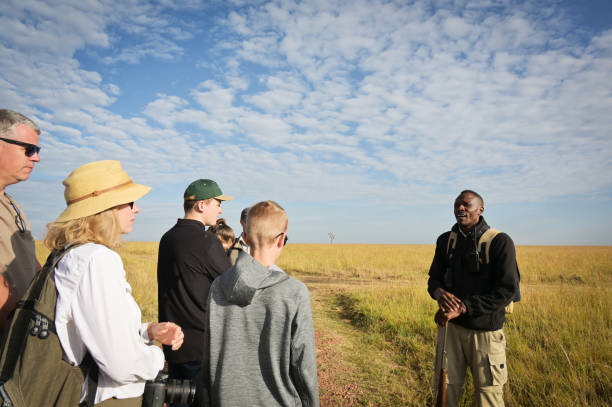
Unlike standard safaris, Educational Safari Exploration Journeys are paced to allow discussion, questioning, and reflection. Guides act as educators, explaining ecological processes, animal behavior, and human–environment relationships. These journeys are suitable for school groups, universities, families with children, gap-year students, and lifelong learners.
Education plays a critical role in conservation and sustainable development. Educational Safari Exploration Journeys help participants understand the value of biodiversity and the importance of protecting natural ecosystems. By learning directly in the field, travelers develop deeper awareness and long-lasting respect for wildlife and the environment.
Educational Safari Exploration Journeys also inspire future careers in conservation, ecology, tourism, and environmental science. Exposure to real conservation challenges encourages critical thinking and responsible global citizenship.
Educational Safari Exploration Journeys emphasize experiential learning. Participants observe wildlife in natural habitats, analyze ecosystems in real time, and connect theory with practice. Learning becomes active rather than passive, making knowledge more memorable and impactful.
Through guided walks, game drives, and interactive discussions, Educational Safari Exploration Journeys transform curiosity into understanding.
Conservation education is a central theme of Educational Safari Exploration Journeys. Participants learn about endangered species, habitat protection, climate change, and human–wildlife coexistence. Visits to conservation projects, ranger stations, and research centers provide insight into how protection efforts are implemented.
This awareness encourages responsible behavior and long-term support for conservation initiatives.
Educational Safari Exploration Journeys include meaningful engagement with local communities. Participants learn about traditional lifestyles, land-use practices, and cultural heritage. These interactions promote mutual respect and highlight the role communities play in conservation.
Understanding cultural context enriches the educational value of safari journeys.
Educational Safari Exploration Journeys are suitable for a wide range of participants. Schools and universities use them for field studies and educational travel programs. Families choose these journeys to introduce children to nature and wildlife in a structured and informative way.
Educators, researchers, and professionals also benefit from Educational Safari Exploration Journeys as opportunities for continued learning and professional development.
These Educational Safari Exploration Journeys focus on animal behavior, species identification, and ecological relationships. Participants learn how predators and prey interact, how animals adapt to their environments, and how ecosystems function as interconnected systems.
Conservation-centered Educational Safari Exploration Journeys explore protected areas, community conservancies, and conservation projects. Participants gain insight into anti-poaching efforts, habitat restoration, and sustainable tourism practices.
Educational Safari Exploration Journeys also examine landscapes, geology, climate, and ecosystems. From volcanic craters and river systems to savannah plains and forests, participants study how physical geography shapes biodiversity.
Some Educational Safari Exploration Journeys emphasize cultural learning alongside wildlife exploration. These journeys include visits to indigenous communities, historical sites, and cultural centers, offering a holistic understanding of people and nature.
Students benefit greatly from Educational Safari Exploration Journeys because learning is interactive and immersive. Biology, geography, environmental science, and social studies come to life through direct observation and expert explanation.
Educational Safari Exploration Journeys help students develop critical thinking, teamwork, and observation skills while fostering appreciation for nature and conservation.
Guides are essential to the success of Educational Safari Exploration Journeys. They are trained naturalists and educators with deep knowledge of wildlife, ecosystems, and local cultures. Their ability to explain complex concepts in simple terms makes learning accessible to all age groups.
Expert guides encourage questions, lead discussions, and adapt explanations to suit the interests and educational level of participants.
Accommodation for Educational Safari Exploration Journeys is selected for safety, comfort, and educational suitability. Eco-lodges, research camps, and safari lodges often provide spaces for group discussions, presentations, and reflection.
Many accommodations operate sustainably, reinforcing the environmental lessons taught during the journey.
Tanzania is a leading destination for Educational Safari Exploration Journeys. The Serengeti ecosystem offers opportunities to study migration, predator-prey relationships, and ecosystem dynamics. Ngorongoro Conservation Area provides a unique model of conservation and human coexistence.
Kenya’s national parks and community conservancies are ideal for Educational Safari Exploration Journeys. Participants learn about wildlife management, community-based conservation, and sustainable land use.
Forest-based Educational Safari Exploration Journeys in Uganda and Rwanda focus on primate conservation, forest ecology, and biodiversity protection. These journeys highlight the importance of habitat preservation.
Countries such as Botswana, Namibia, and Zambia offer excellent settings for Educational Safari Exploration Journeys focused on arid ecosystems, wetlands, and conservation success stories.
Educational Safari Exploration Journeys can take place year-round, depending on learning objectives. Dry seasons offer clear wildlife viewing, while green seasons provide insights into plant growth, breeding cycles, and seasonal changes.
Choosing the right time enhances both educational outcomes and overall experience.
Preparation enhances the success of Educational Safari Exploration Journeys. Participants are encouraged to research destinations, understand basic ecological concepts, and pack responsibly. Journals, field guides, and binoculars are useful tools for learning in the field.
Respect for wildlife, local cultures, and conservation guidelines is emphasized before travel.
Educational Safari Exploration Journeys have lasting impact beyond the journey itself. Participants often become advocates for conservation, sustainability, and responsible travel. Knowledge gained in the field influences future studies, career paths, and personal values.
Tourism revenue from Educational Safari Exploration Journeys also supports conservation projects and community development.
Educational Safari Exploration Journeys align closely with sustainable tourism principles. They promote low-impact travel, ethical wildlife viewing, and community engagement. By choosing educational journeys, travelers support tourism models that protect natural and cultural heritage.
Sustainability ensures that educational opportunities remain available for future generations.
As interest in experiential learning grows, Educational Safari Exploration Journeys are becoming increasingly important. Schools, universities, and families seek meaningful travel experiences that combine education and adventure.
These journeys will continue to evolve, incorporating new teaching approaches, conservation initiatives, and interdisciplinary learning opportunities.
Educational Safari Exploration Journeys provide a unique way to learn from the natural world. They combine wildlife exploration, conservation education, and cultural understanding into experiences that inspire curiosity and responsibility.
By choosing Educational Safari Exploration Journeys, participants gain knowledge, perspective, and appreciation for the planet while supporting conservation and sustainable development. These journeys ensure that learning continues beyond classrooms and into the heart of nature itself.
African Trek & Travel is a leading Tanzania tour operator in Moshi and Arusha for 2026–2027, specializing in Kilimanjaro treks, safaris, and tailor-made adventures. With deep local expertise and a strong commitment to safety and quality, we deliver unforgettable travel experiences across East Africa.
Discover popular Safaris, Serengeti Migration, Kilimanjaro Climbing & Zanzibar Beach Holidays. Plan your perfect adventure today!
 Popular
Experience the wildebeest migration across the vast Serengeti and Ngorongoro plains. Perfect for wildlife lovers and photography enthusiasts.
Book Now New
New
Climb Africa’s highest peak via scenic routes with expert guides and safe treks. Experience adventure with full support and accommodation included.
Book Now Popular
Relax in paradise with pristine white beaches, spice tours, and cultural charm. Ideal for families and honeymooners seeking luxury and tranquility.
Book Now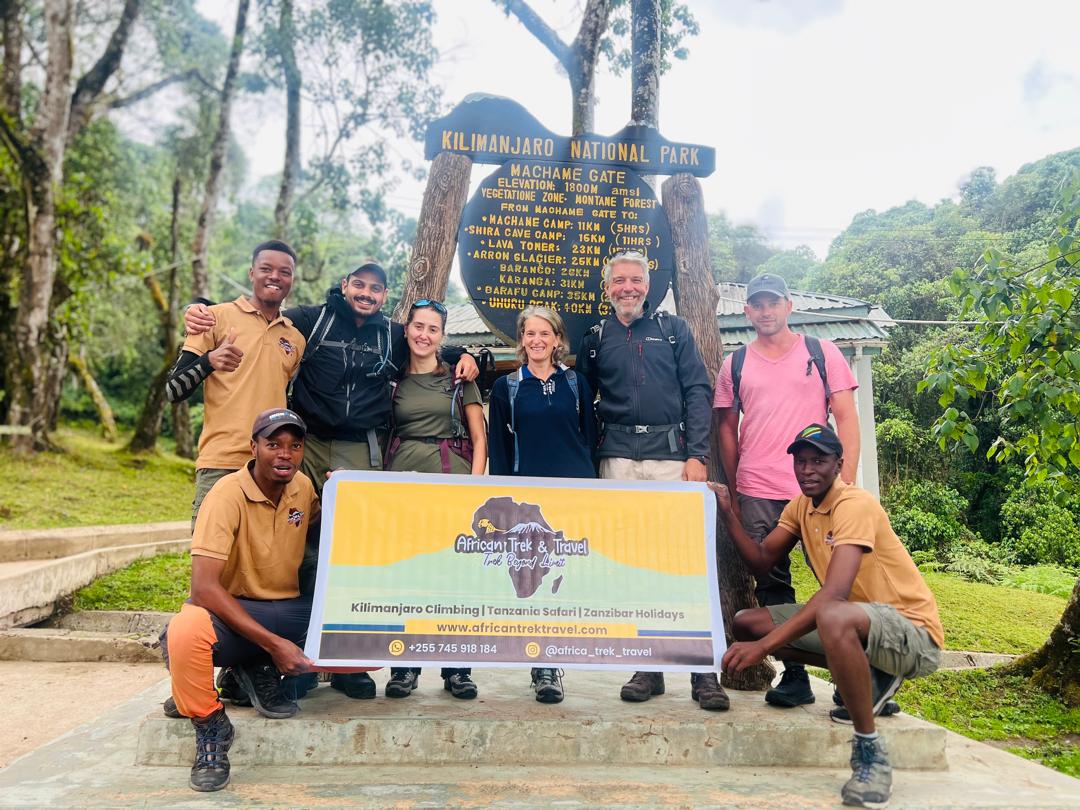
We collaborate with top tour operators to provide the best experiences for Kilimanjaro treks, safaris, and adventures.