How Hard Is Kilimanjaro to Trek: An Honest and Complete Difficulty Guide for First-Time Climbers
Many people dream of standing on the summit of Mount Kilimanjaro, but before booking the climb, one important question always comes up: how hard is Kilimanjaro to trek? The answer is not simple because Kilimanjaro is challenging in different ways. It is not technical, but it is demanding physically, mentally, and emotionally.
This in-depth guide explains how hard Kilimanjaro is to trek by breaking down every factor that affects difficulty. It covers altitude, fitness level, daily trekking distance, weather, mental strength, route choice, preparation, and common misconceptions. By the end, you will clearly understand whether Kilimanjaro is right for you and how to manage its challenges successfully.
Understanding Kilimanjaro Before Judging Its Difficulty
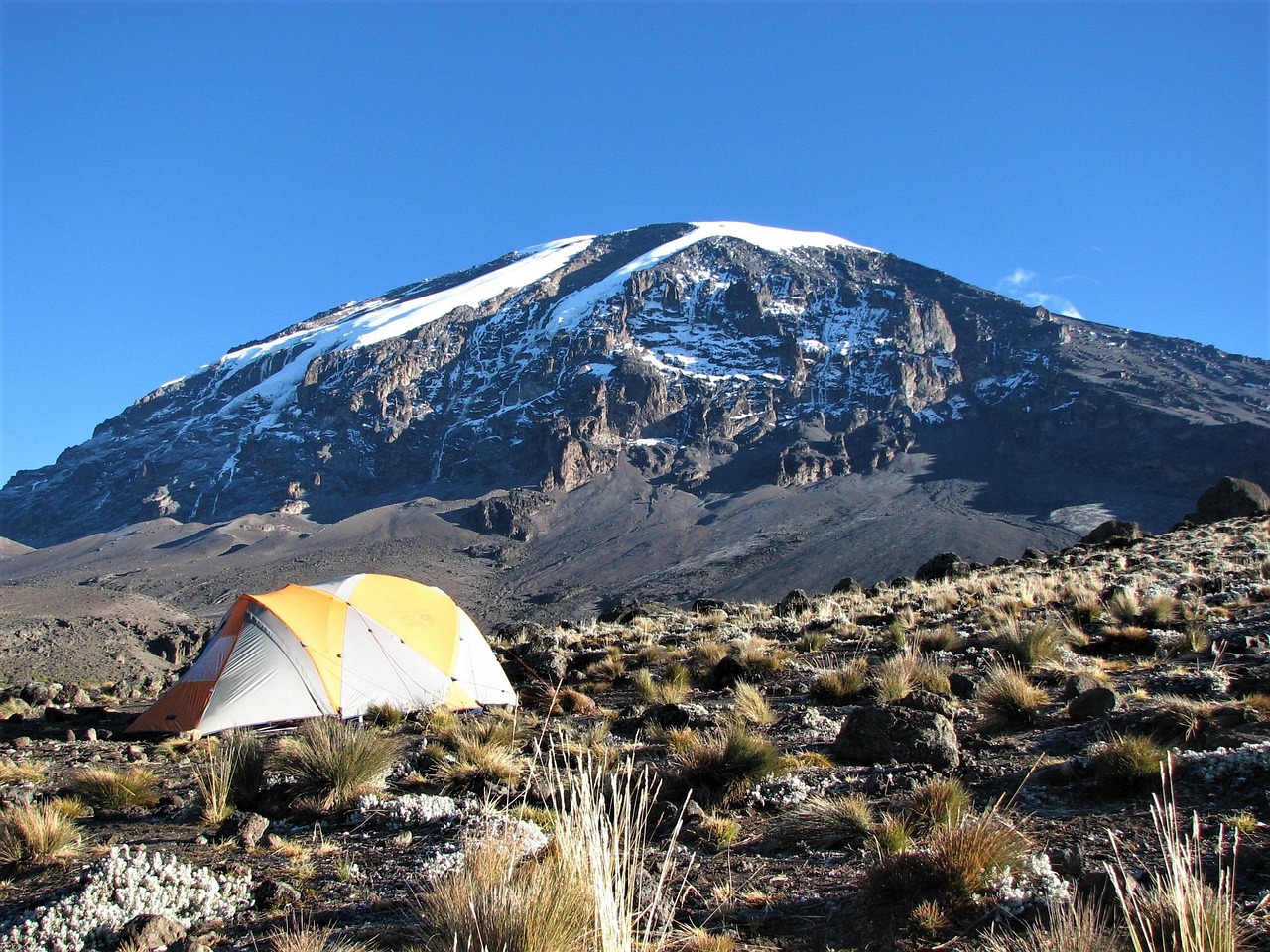
To understand how hard Kilimanjaro is to trek, it is important to first understand what makes this mountain unique. Mount Kilimanjaro is the highest mountain in Africa at 5,895 meters and the tallest free-standing mountain in the world. Unlike many famous peaks, it does not require ropes, climbing skills, or mountaineering experience.
However, Kilimanjaro rises quickly from low altitude to extreme altitude. This rapid ascent is the main reason people ask how hard Kilimanjaro is to trek. The difficulty is not steep cliffs or dangerous terrain, but the thin air and long days of walking.
Is Kilimanjaro a Technical Climb?
One common misconception when asking how hard is Kilimanjaro to trek is that it involves rock climbing or ice climbing. In reality, Kilimanjaro is a trekking mountain.
Technical Difficulty Level
-
No ropes required
-
No climbing equipment needed
-
No technical skills required
-
Walking and hiking only
From a technical perspective, Kilimanjaro is not hard. Anyone who can walk for several hours a day can physically complete the trail. However, technical ease does not mean the trek is easy overall.
Altitude: The Biggest Challenge on Kilimanjaro
When discussing how hard Kilimanjaro is to trek, altitude is the single most important factor. As you climb higher, oxygen levels decrease, making breathing more difficult.
How Altitude Affects Trekkers
-
Reduced oxygen intake
-
Increased fatigue
-
Slower walking pace
-
Difficulty sleeping
-
Headaches and nausea
Even very fit people can struggle at high altitude. This is why Kilimanjaro can feel hard even for athletes.
Altitude Sickness and Trek Difficulty
Altitude sickness plays a major role in determining how hard Kilimanjaro is to trek.
Common Altitude Symptoms
-
Headaches
-
Loss of appetite
-
Nausea
-
Dizziness
-
Extreme tiredness
Severe altitude sickness is rare when routes are chosen wisely, but mild symptoms are common. Managing altitude through slow ascent and proper acclimatization is essential.
How Hard Is Kilimanjaro to Trek Physically?
From a physical standpoint, Kilimanjaro is demanding but achievable for many people.
Daily Physical Demands
-
5 to 7 hours of walking most days
-
Summit day: 10 to 14 hours of trekking
-
Uneven terrain
-
Cold temperatures at night
You do not need to be an elite athlete, but basic fitness is necessary. Many people underestimate how physically tiring continuous days of walking can be.
Fitness Level Required to Trek Kilimanjaro
When asking how hard is Kilimanjaro to trek, fitness level matters, but not as much as people think.
Who Can Trek Kilimanjaro Successfully?
-
Regular walkers or hikers
-
People with moderate cardiovascular fitness
-
Determined beginners with training
Being extremely fit does not guarantee success, and being moderately fit does not mean failure. Altitude adaptation matters more than muscle strength.
How Hard Is Kilimanjaro to Trek for Beginners?
For beginners, Kilimanjaro is challenging but achievable. Many first-time trekkers reach the summit every year.
Why Beginners Can Succeed
-
Well-marked trails
-
Experienced guides
-
Porters carrying equipment
-
Gradual ascent on beginner-friendly routes
With proper preparation and the right route, beginners can manage how hard Kilimanjaro is to trek.
Mental Difficulty of Trekking Kilimanjaro
Mental strength plays a huge role in how hard Kilimanjaro is to trek.
Mental Challenges
-
Long, repetitive walking days
-
Cold nights
-
Fatigue buildup
-
Slow progress due to altitude
-
Summit night exhaustion
Summit night is especially tough. Trekkers walk in darkness, cold temperatures, and extreme altitude. Mental determination often makes the difference between success and turning back.
How Hard Is Summit Night on Kilimanjaro?
Summit night is widely considered the hardest part of the trek.
What Makes Summit Night Difficult
-
Very cold temperatures
-
Steep scree slopes
-
Low oxygen levels
-
6 to 8 hours of uphill walking
-
Physical and mental exhaustion
When people ask how hard is Kilimanjaro to trek, they are often referring to summit night. This is the most demanding section, but it is short compared to the entire trek.
Weather Conditions and Their Impact on Difficulty
Weather significantly affects how hard Kilimanjaro is to trek.
Weather Challenges
-
Freezing temperatures near the summit
-
Rain in lower zones
-
Strong winds
-
Sudden weather changes
Good gear and choosing the right season reduce weather-related difficulty.
How Hard Is Kilimanjaro to Trek Compared to Other Mountains?
Many people compare Kilimanjaro to other famous mountains.
Kilimanjaro vs Mount Everest Base Camp
-
Kilimanjaro is shorter in duration
-
Higher summit altitude
-
Faster altitude gain
Kilimanjaro vs Mount Kenya
-
Kilimanjaro has higher altitude
-
Less technical climbing
-
Longer trekking days
Kilimanjaro is harder due to altitude but easier technically.
Route Choice and Trek Difficulty
Route selection has a huge impact on how hard Kilimanjaro is to trek.
Easier Routes
-
Lemosho Route
-
Northern Circuit Route
-
Rongai Route
More Challenging Routes
-
Umbwe Route
-
Short Marangu itineraries
Longer routes with better acclimatization make Kilimanjaro feel less hard.
How Hard Is Kilimanjaro to Trek Based on Route Length?
Shorter routes are harder because they allow less time for acclimatization.
Route Length Comparison
-
5–6 days: Very hard
-
7 days: Moderate to hard
-
8–9 days: Manageable
Choosing a longer itinerary significantly reduces difficulty.
Age and Kilimanjaro Trek Difficulty
Age is not a major factor when asking how hard is Kilimanjaro to trek.
People in their 20s, 40s, 60s, and even 70s have successfully climbed Kilimanjaro. Fitness, preparation, and attitude matter more than age.
How Hard Is Kilimanjaro to Trek for Women?
Kilimanjaro does not favor one gender over another. Women often perform equally well or better due to pacing and altitude adaptation.
The difficulty level is the same, and success depends on preparation and mental strength.
How Hard Is Kilimanjaro to Trek Without Training?
Trekking Kilimanjaro without training makes the experience much harder.
Risks of No Training
-
Faster exhaustion
-
Increased discomfort
-
Higher chance of turning back
Training does not eliminate difficulty, but it makes the trek manageable.
Training to Reduce Kilimanjaro Trek Difficulty
Proper training reduces how hard Kilimanjaro is to trek.
Recommended Training
-
Walking or hiking regularly
-
Stair climbing
-
Cardio exercises
-
Leg strength workouts
Consistency matters more than intensity.
Gear and Its Effect on Difficulty
Wrong gear makes Kilimanjaro much harder than it needs to be.
Essential Gear
-
Comfortable hiking boots
-
Warm layers
-
Sleeping bag rated for cold
-
Trekking poles
Good gear reduces fatigue and discomfort.
Porters and Support on Kilimanjaro
One reason Kilimanjaro is manageable is the strong support system.
Porters carry most of your equipment, allowing you to focus on walking. Guides monitor health daily. This support significantly reduces how hard Kilimanjaro is to trek.
Common Misconceptions About Kilimanjaro Difficulty
-
“It is easy because no climbing is needed”
-
“Only athletes can succeed”
-
“Hut routes are easier”
These misconceptions cause poor planning and failure.
Is Kilimanjaro Worth the Difficulty?
Despite the challenges, many climbers say the difficulty makes the achievement meaningful. Standing on Uhuru Peak after days of effort is a powerful experience.
Frequently Asked Questions About How Hard Kilimanjaro Is to Trek
Is Kilimanjaro harder than a marathon?
Physically, no. Mentally and due to altitude, it can feel harder.
Can an average person trek Kilimanjaro?
Yes, with preparation and the right route.
What percentage of people reach the summit?
Approximately 65–85%, depending on route and itinerary.
Final Verdict: How Hard Is Kilimanjaro to Trek?
So, how hard is Kilimanjaro to trek? Kilimanjaro is not technically difficult, but it is physically tiring, mentally demanding, and strongly affected by altitude. The difficulty increases with poor preparation, short routes, and bad planning.
With proper training, the right route, enough days, and a positive mindset, Kilimanjaro is challenging but achievable for many people. Understanding how hard Kilimanjaro is to trek helps you prepare realistically and increases your chances of a successful and rewarding climb to the Roof of Africa.