Discover How Hard Mount Meru Is in 2026–2027. Learn about the trek’s difficulty, elevation, terrain, and tips to prepare for a safe and enjoyable climb.
Mount Meru is a challenging but rewarding climb, and understanding its difficulty is essential for planning. Knowing How Hard Mount Meru Is 2026–2027 helps trekkers prepare physically and mentally, ensuring a safe and successful ascent.
The difficulty of Mount Meru depends on factors such as elevation gain, trail conditions, and trek duration. How Hard Mount Meru Is 2026–2027 typically involves hiking through dense forests, volcanic terrain, and steep slopes, with the summit reaching 4,562 meters (14,968 feet). While lower than Kilimanjaro, the climb still requires good fitness and proper acclimatization.
How Hard Mount Meru Is 2026–2027 also considers factors such as weather, trekking pace, and altitude sensitivity. With preparation, including cardiovascular training, strength exercises, and proper gear, climbers can enjoy Mount Meru’s scenic trails, wildlife, and panoramic summit views while safely managing the trek’s challenges.
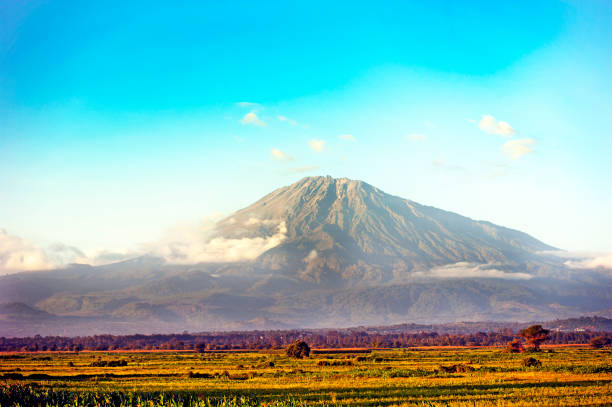
Learn how hard is Mount Meru to trek, including route difficulty, altitude challenges, daily hiking hours, fitness requirements, and tips to prepare for a safe and enjoyable climb.
Understanding how hard is Mount Meru is essential for planning a safe and successful trek. Mount Meru, Tanzania’s second-highest peak at 4,566 meters, offers breathtaking scenery, wildlife encounters, and a less crowded alternative to Kilimanjaro. Its varying terrain, altitude, and climate make assessing difficulty important for first-time trekkers and experienced hikers alike. This guide provides a detailed overview of trekking challenges, route options, fitness requirements, and preparation tips to help climbers gauge the difficulty of Mount Meru.
Mount Meru presents a moderate to challenging trek depending on route, itinerary, and individual fitness. Understanding how hard is Mount Meru involves evaluating several factors:
Summit: 4,566 meters (14,980 feet)
Daily altitude gain ranges from 500–1,000 meters depending on route
Proper acclimatization is essential to reduce altitude sickness
Trails range from dense rainforest, volcanic ridges, alpine desert, to crater rim
Uneven paths, rocks, and muddy sections can increase difficulty
Steep sections such as saddle approaches require endurance and careful footing
Typical treks: 2–4 days depending on route
Daily hiking: 4–7 hours, summit day may take 6–9 hours
Longer itineraries allow gradual ascent, reducing perceived difficulty
Knowing the route options helps assess how hard is Mount Meru:
Duration: 3–4 days
Moderate difficulty, suitable for intermediate trekkers
Steep sections, especially near Saddle Hut
Offers scenic forests, volcanic features, and crater views
Duration: 2–3 days
Shorter and less demanding, suitable for beginners
Provides easier access but limited acclimatization time
Views of Momella Lakes and wildlife on lower slopes
Duration: 4–5 days
Longer and more remote, physically more demanding
Best for trekkers seeking wildlife encounters and off-the-beaten-path experience
Requires endurance and navigation skills
Several factors influence how hard is Mount Meru for individual trekkers:
Cardiovascular endurance and leg strength are essential
Prior trekking experience helps with stamina and pace
Beginners should consider longer itineraries for gradual ascent
Proper acclimatization reduces risk of altitude sickness
Longer treks with rest days help the body adjust
Hydration and nutrition play a key role in adaptation
Dry season: clearer trails, less strenuous conditions
Wet season: muddy trails, slippery surfaces, increased effort
Temperature variations require layered clothing and preparation
Large groups may require slower pace, impacting perceived difficulty
Private or small group treks can set comfortable personal pace
Summit day is the most physically demanding aspect, essential to understand how hard is Mount Meru:
Early morning start around midnight or 1:00 AM
Duration: 6–9 hours round trip from highest camp
Steep ascent over rocky or scree terrain
Extreme cold, wind, and altitude fatigue require preparation
Mental resilience is key to pushing through final ascent
Proper preparation is vital to manage how hard is Mount Meru:
Stay hydrated and consume sufficient calories
Monitor for altitude sickness: headaches, nausea, dizziness
Carry personal first aid kit and medications
Follow guide instructions and do not rush the ascent
Maintain steady, slow pace for energy conservation
Physical preparation can significantly influence how hard is Mount Meru:
Hiking, running, or cycling to improve stamina
Simulate long uphill trekking for endurance
Leg exercises: squats, lunges, step-ups
Core exercises for balance and stability
Hike with a weighted backpack to prepare for summit load
Train on uneven or rocky terrain to simulate trail conditions
Prepare for long hours, steep sections, and altitude fatigue
Visualization and pacing strategies help with summit day
Proper gear makes the trek safer and less strenuous:
Layered clothing for temperature and weather variations
Trekking poles to reduce strain on knees and improve balance
Sturdy, waterproof hiking boots for rough terrain
Sleeping bag rated for cold nights at high elevation
Headlamp for summit night and early morning hiking
Gear directly impacts how challenging the trek feels, improving comfort and endurance.
Season affects both trail conditions and perceived difficulty:
Dry season (June–October, January–March): Easier trekking, fewer slippery sections, better visibility
Wet season (April–May, November–December): Muddy trails, slippery rocks, potential delays
Choose trekking season carefully to manage physical exertion and safety
Understanding how hard is Mount Meru is easier when compared to Kilimanjaro:
Meru is shorter (4,566 m vs 5,895 m), so altitude challenges are slightly less severe
Trails are less crowded, offering a more intimate experience
Summit day is still physically demanding but more manageable
Excellent choice for acclimatization before Kilimanjaro
Dense forest trails provide shade but can be physically challenging
Crater rim and saddle sections require careful navigation on rocky terrain
Wildlife encounters add excitement but require alertness and cautious trekking
The combination of natural beauty, wildlife, and elevation gain affects how hard is Mount Meru for each trekker.
Key Factors Affecting Difficulty:
Elevation gain: 4,566 m summit
Terrain: forest, volcanic ridges, alpine desert
Daily hiking hours: 4–7 hours, summit day 6–9 hours
Fitness and endurance required: moderate to high
Acclimatization improves summit success and reduces difficulty
Route Comparison:
| Route | Duration | Difficulty | Summit Success Rate |
|---|---|---|---|
| Miriakamba | 3–4 days | Moderate | High |
| Momella | 2–3 days | Easy to Moderate | Moderate |
| Game Track | 4–5 days | Moderate to Hard | High |
Tips for making the trek easier: proper training, pacing, acclimatization, hydration, and high-quality gear.
Understanding how hard is Mount Meru helps trekkers plan a safe, enjoyable, and successful climb. While physically demanding, proper preparation, training, itinerary selection, and gear make Mount Meru accessible to moderately fit hikers. Summit day remains challenging but rewarding with spectacular views, wildlife encounters, and a sense of achievement. Whether as a standalone adventure or a preparation for Kilimanjaro, Mount Meru provides a fulfilling trekking experience for all levels.
African Trek & Travel is a leading Tanzania tour operator in Moshi and Arusha for 2026–2027, specializing in Kilimanjaro treks, safaris, and tailor-made adventures. With deep local expertise and a strong commitment to safety and quality, we deliver unforgettable travel experiences across East Africa.
Discover popular Safaris, Serengeti Migration, Kilimanjaro Climbing & Zanzibar Beach Holidays. Plan your perfect adventure today!
 Popular
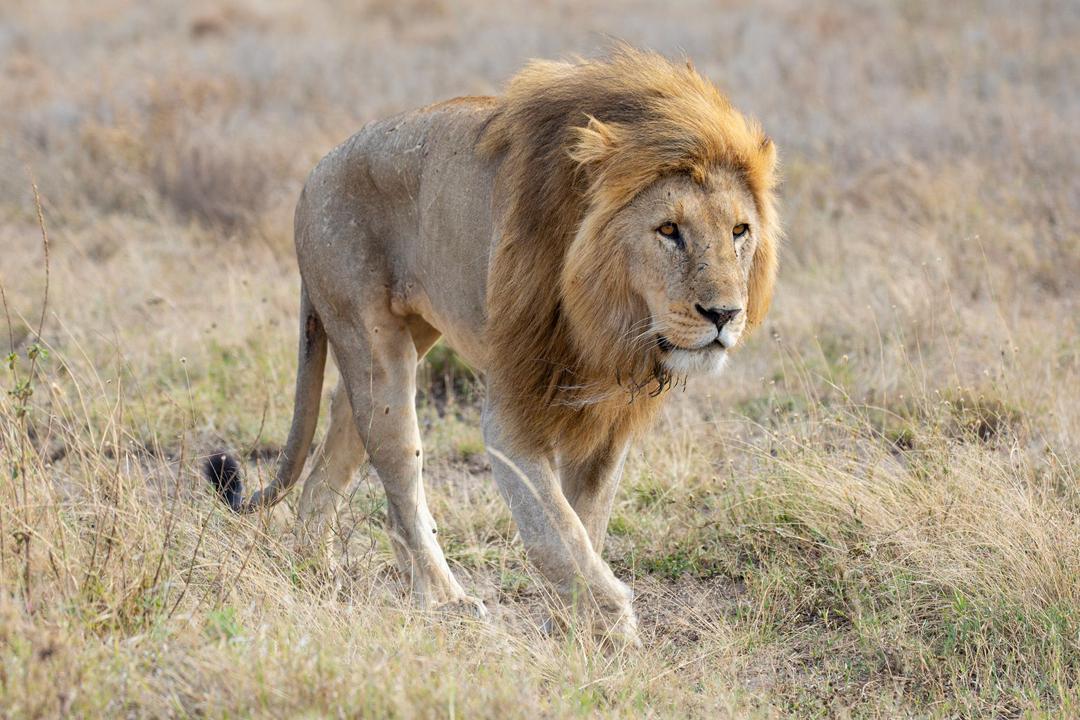
Experience the wildebeest migration across the vast Serengeti and Ngorongoro plains. Perfect for wildlife lovers and photography enthusiasts.
Book Now New
New
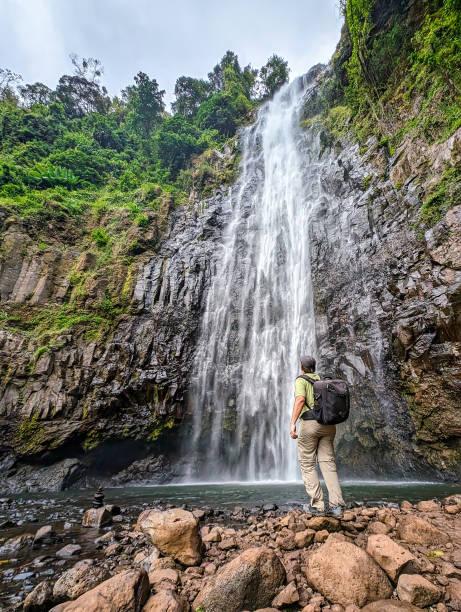
Climb Africa’s highest peak via scenic routes with expert guides and safe treks. Experience adventure with full support and accommodation included.
Book Now Popular
Relax in paradise with pristine white beaches, spice tours, and cultural charm. Ideal for families and honeymooners seeking luxury and tranquility.
Book Now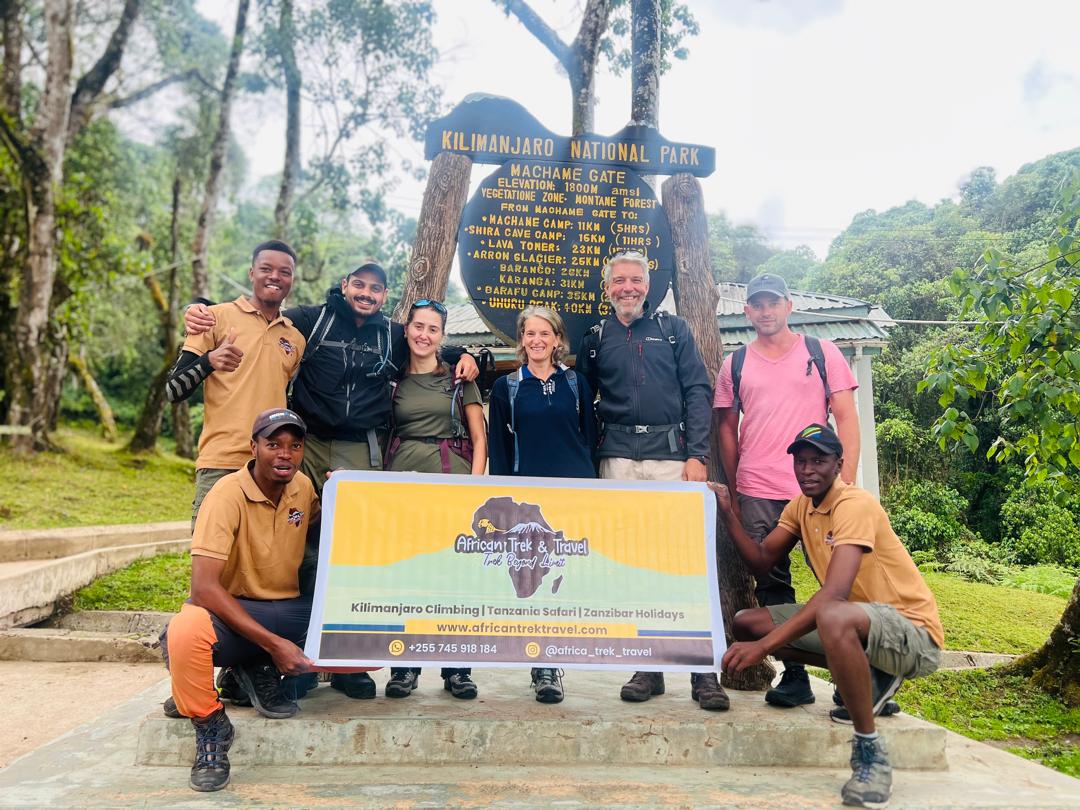
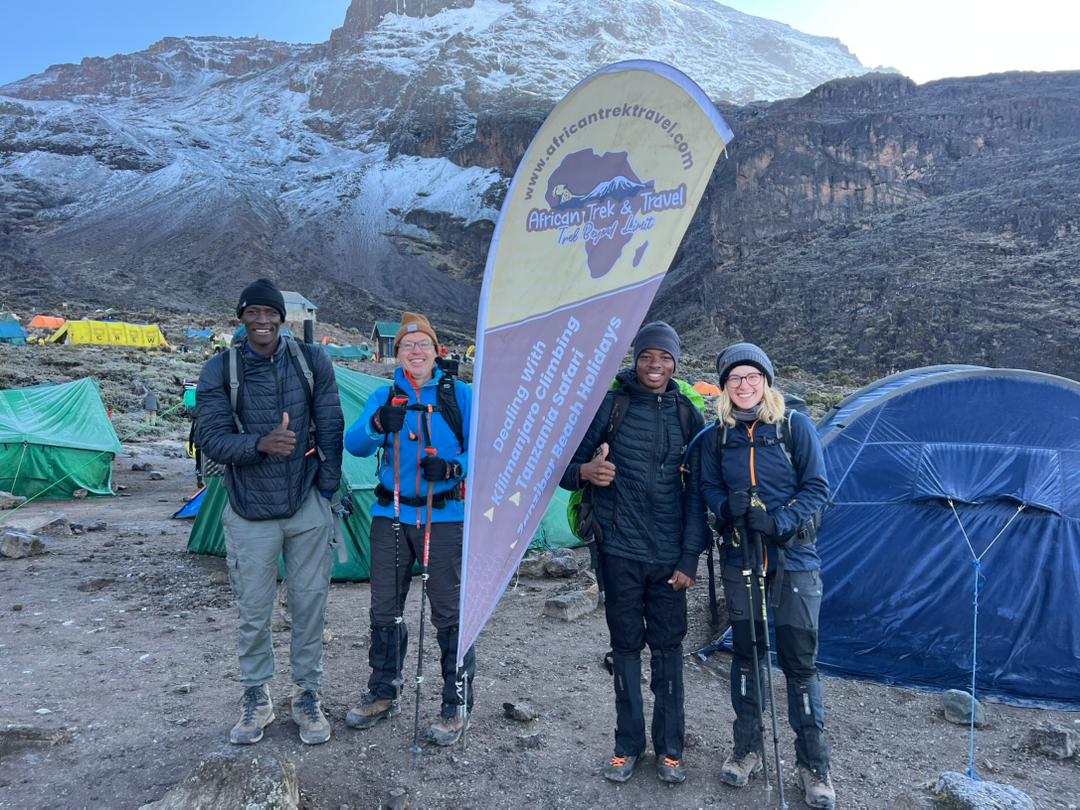
We collaborate with top tour operators to provide the best experiences for Kilimanjaro treks, safaris, and adventures.