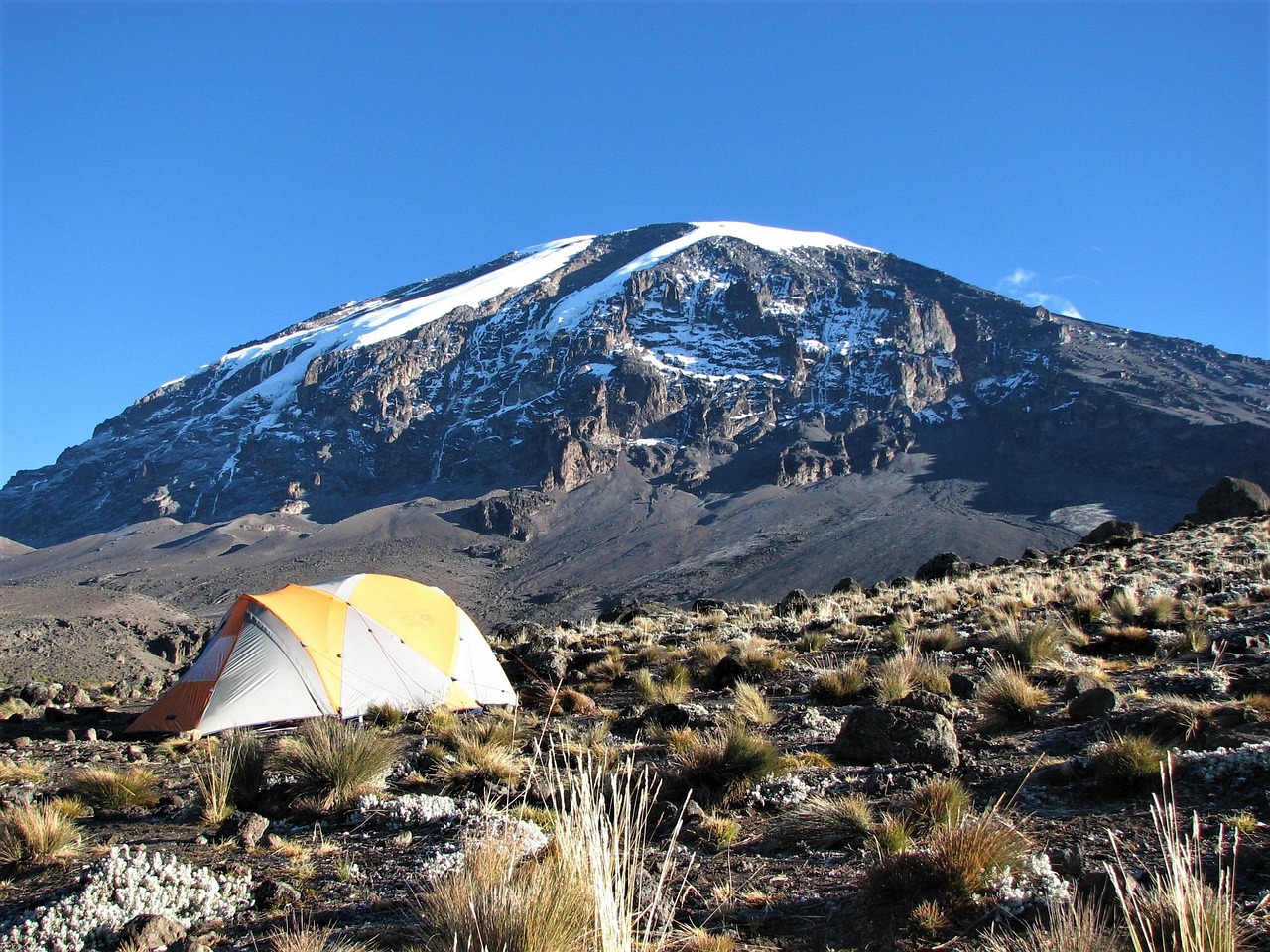
Learn essential safety insights with How Safe Is It to Travel to Africa 2026–2027. Discover travel tips, health advice, and practical precautions for a secure and enjoyable trip across the continent.
How Safe Is It to Travel to Africa 2026–2027 is a practical guide designed to help travelers understand and navigate safety considerations while exploring Africa’s diverse destinations. With the right preparation, visitors can enjoy a rewarding, secure, and memorable experience.
Using How Safe Is It to Travel to Africa 2026–2027, travelers gain insights into personal safety, transportation precautions, and local customs to ensure respectful and safe interactions. The guide also covers health measures, including vaccinations, travel insurance, safe food and water practices, and tips for avoiding common travel risks.
How Safe Is It to Travel to Africa 2026–2027 also emphasizes responsible tourism, emergency preparedness, and selecting reputable accommodations and tour operators. Ideal for first-time visitors, solo travelers, families, and adventure seekers, this guide equips travelers with the knowledge and confidence to explore Africa safely while enjoying its wildlife, culture, and landscapes.

How Safe Is It to Travel to Africa is a critical question for first-time visitors and even experienced travelers considering a trip to the continent. Africa is vast and diverse, with over 50 countries, each with unique cultures, landscapes, and safety conditions. Understanding the safety environment helps travelers make informed decisions, plan carefully, and enjoy a worry-free journey.
This comprehensive guide on How Safe Is It to Travel to Africa covers general safety, country-specific considerations, health precautions, transportation, wildlife safety, urban and rural travel, cultural etiquette, and practical tips for a secure and enjoyable experience.
Africa is not a single destination; safety conditions vary widely.
Millions of tourists visit Africa safely every year
Most popular destinations (Kenya, Tanzania, South Africa, Morocco, Egypt) are well-prepared for international travelers
Petty theft is the most common issue, while violent crime against tourists is rare in major tourist areas
Awareness and preparation are more important than fear.
Countries: Kenya, Tanzania, Uganda, Rwanda
Safety Level: Generally safe for tourists
Tips: Use licensed guides, avoid walking alone at night in cities, follow park rules
Countries: South Africa, Botswana, Namibia, Zambia, Zimbabwe
Safety Level: Safe in main tourist areas; petty crime exists in urban areas
Tips: Stay in secure accommodations, use registered taxis, avoid risky neighborhoods
Countries: Morocco, Egypt, Tunisia
Safety Level: Tourist-friendly, especially in major cities and resorts
Tips: Dress modestly, be cautious in crowded markets, follow travel advisories
Countries: Ghana, Senegal, Ivory Coast
Safety Level: Generally stable in key tourist destinations
Tips: Check for regional travel advisories, avoid remote areas without guidance
Health is a crucial aspect of travel safety in Africa.
Yellow fever (required for certain countries)
Hepatitis A & B
Typhoid
Routine vaccinations (tetanus, polio, measles)
Use insect repellent with DEET
Sleep under mosquito nets
Take malaria prophylaxis where advised
Drink bottled or filtered water
Avoid ice from unknown sources
Eat thoroughly cooked foods
Being prepared for health risks enhances safety and comfort.
Understanding simple precautions improves security.
Avoid displaying valuables in public
Keep wallets, phones, and cameras secure
Walk in well-lit areas and avoid isolated streets at night
Use hotel safes for passports and cash
Personal awareness is the simplest way to reduce risks.
Travel safety varies depending on the mode of transport.
Use reputable drivers and tour companies
Avoid night driving outside cities
Expect occasional police checkpoints
Buses and minibusses are common but can be crowded
Keep personal belongings secure
Choose first-class options where available
Safe and widely used for long distances
Check airline safety records and follow luggage rules
Tourism in Africa often involves wildlife encounters.
Always follow guide instructions
Keep a safe distance from animals
Never leave vehicles unless authorized
Avoid feeding wildlife
Guided safaris ensure safe and memorable experiences.
Safety differs between cities and remote areas.
Generally secure in tourist districts
Petty theft can occur; stay alert
Use registered taxis and ride-hailing apps
Popular parks and lodges are safe when using guides
Avoid traveling alone in unpopulated regions
Check accessibility during rainy season
Understanding local customs contributes to safety.
Dress modestly in conservative regions
Respect local traditions and etiquette
Ask before taking photos of people
Avoid confrontational behavior
Cultural respect minimizes misunderstandings and enhances personal security.
Solo travelers can enjoy Africa safely by:
Sharing itineraries with friends or family
Staying in reputable accommodations
Avoiding risky areas at night
Using trusted guides and transportation
Solo travel is common and safe when proper precautions are taken.
Women traveling alone or in groups can feel secure with these practices:
Dress modestly and avoid drawing unnecessary attention
Travel in groups when possible
Use licensed taxis and ride-hailing services
Maintain situational awareness
Confidence combined with common-sense precautions ensures safety.
Carry small amounts of cash for daily expenses
Use ATMs in secure locations
Avoid exchanging money on the street
Keep a backup credit or debit card
Store digital copies of important documents
Use secure apps for communication and navigation
Avoid public Wi-Fi for sensitive transactions
Know local tourist police and embassy numbers
Keep hotel reception numbers handy
Save emergency contacts before travel
Being prepared for emergencies enhances peace of mind.
Reality: Millions visit safely every year; risks are manageable with preparation
Reality: Guided safaris follow strict safety protocols
Reality: African communities are known for hospitality and friendliness
Dispelling myths encourages informed and confident travel.
Use licensed guides and operators
Respect wildlife and the environment
Support local businesses and communities
Avoid risky behavior that endangers yourself or others
Responsible travelers contribute to overall safety in Africa.
Dry season: easier road access, fewer mosquitoes, better game viewing
Wet season: risk of slippery roads, flooding, and dispersed wildlife
Peak tourist seasons may require advanced bookings for accommodation and tours
Seasonal planning improves convenience and safety.
How Safe Is It to Travel to Africa depends on preparation, awareness, and responsible choices. Most African destinations, including Kenya, Tanzania, South Africa, Morocco, and Ghana, are safe for tourists who follow common-sense precautions, health advice, and local guidance.
By understanding regional differences, maintaining personal security, respecting cultural norms, and taking health precautions, travelers can explore Africa confidently. This guide ensures visitors enjoy the continent’s wildlife, landscapes, and cultures safely and without unnecessary worry.
African Trek & Travel is a leading Tanzania tour operator in Moshi and Arusha for 2026–2027, specializing in Kilimanjaro treks, safaris, and tailor-made adventures. With deep local expertise and a strong commitment to safety and quality, we deliver unforgettable travel experiences across East Africa.
Discover popular Safaris, Serengeti Migration, Kilimanjaro Climbing & Zanzibar Beach Holidays. Plan your perfect adventure today!
 Popular
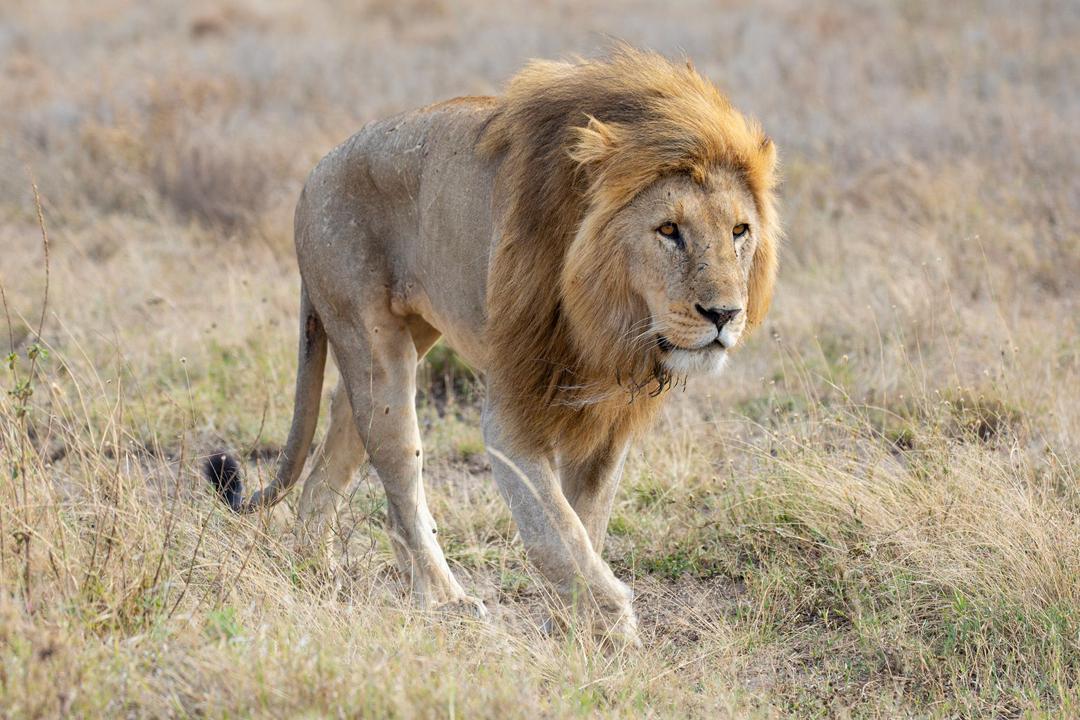
Experience the wildebeest migration across the vast Serengeti and Ngorongoro plains. Perfect for wildlife lovers and photography enthusiasts.
Book Now New
New
Climb Africa’s highest peak via scenic routes with expert guides and safe treks. Experience adventure with full support and accommodation included.
Book Now Popular
Relax in paradise with pristine white beaches, spice tours, and cultural charm. Ideal for families and honeymooners seeking luxury and tranquility.
Book Now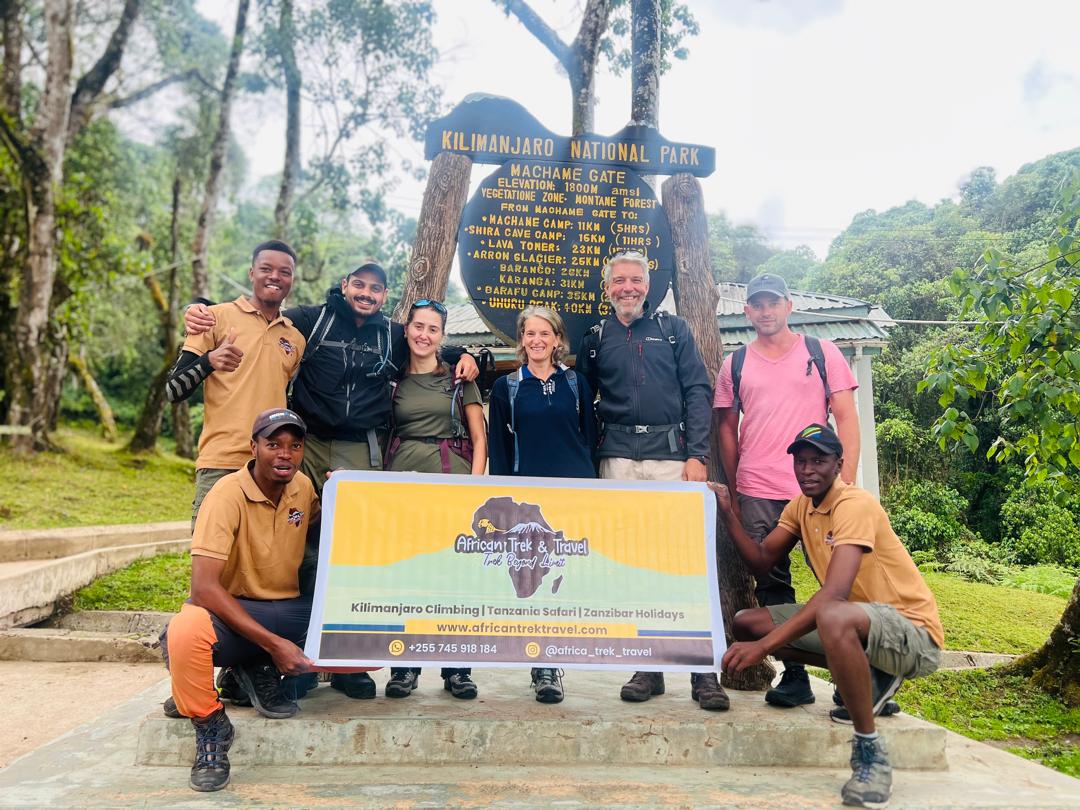
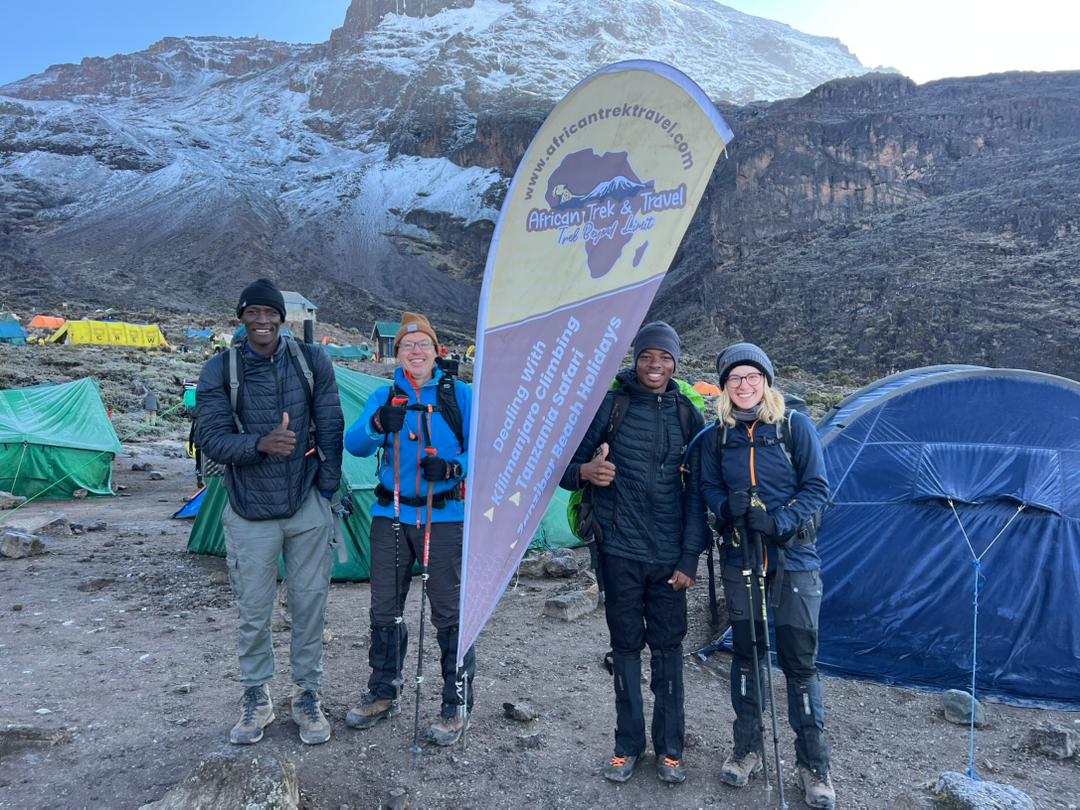
We collaborate with top tour operators to provide the best experiences for Kilimanjaro treks, safaris, and adventures.