Learn How to Visit Africa’s Historical Slave Route Sites in 2026–2027. Discover key locations, travel tips, guided tours, and cultural insights for an educational and respectful journey.
Knowing How to Visit Africa’s Historical Slave Route Sites 2026–2027 is essential for travelers seeking to explore this significant part of Africa’s history. These sites, spanning West Africa, East Africa, and the Caribbean-connected coastal regions, provide insights into the transatlantic slave trade and its enduring cultural and historical impact. Visiting these locations offers both an educational experience and an opportunity to honor the memory of those affected. Key destinations for How to Visit Africa’s Historical Slave Route Sites 2026–2027 include Ghana’s Cape Coast Castle and Elmina Castle, Senegal’s Gorée Island, Benin’s Ouidah, and Zanzibar’s Stone Town in Tanzania. Travelers can take guided tours, explore museums, and learn about the history, culture, and resilience of local communities. Respectful engagement and understanding local narratives are central to meaningful visits. When planning How to Visit Africa’s Historical Slave Route Sites 2026–2027, consider seasonal travel, guided tour availability, accessibility, and cultural etiquette. Proper planning ensures safety, comfort, and a deeper understanding of the historical significance of each site. With careful preparation, visitors can experience educational, reflective, and transformative journeys across Africa’s historical slave route sites.
Title: How to Visit Africa’s Historical Slave Route Sites – Complete 2026–2027 Guide
Meta Description: Learn how to visit Africa’s historical slave route sites with this comprehensive guide. Explore key destinations, cultural landmarks, guided tours, travel tips, and historical insights for an educational and immersive journey.
Africa’s historical slave route sites are a poignant reminder of the transatlantic slave trade and its profound impact on the continent and the world. Knowing how to visit Africa’s historical slave route sites allows travelers to explore this history respectfully while understanding the cultural and social significance of these landmarks.
These heritage sites preserve the memory of millions of Africans who were forcibly transported and offer visitors an opportunity to learn, reflect, and engage with local communities. This guide provides detailed insights into destinations, seasonal tips, accommodations, travel logistics, cultural experiences, and safety considerations for an impactful visit.
The historical slave routes in Africa connect regions where enslaved Africans were captured, traded, and transported to the Americas and Europe. Visiting these sites is essential to:
Understand the human impact of the transatlantic slave trade
Preserve the memory of African ancestors
Engage with communities maintaining historical heritage
Support educational and cultural tourism initiatives
By visiting these sites, travelers contribute to keeping this history alive and ensure that the stories of resilience and survival are shared with future generations.
Highlights: House of Slaves, Door of No Return, Goree Museum
Experiences: Guided tours of the island, storytelling by local historians, exploration of the museum exhibits
Best season: November–March for dry weather and comfortable touring
Why it’s significant: Goree Island is one of the most well-known historical slave route sites, symbolizing the departure point of enslaved Africans during the transatlantic slave trade
Highlights: Elmina Castle, historical dungeons, local museums
Experiences: Guided tours, historical reenactments, visits to nearby fishing villages
Best season: November–March to avoid heavy rains
Why it’s significant: Built by the Portuguese in 1482, Elmina Castle was a central hub for the slave trade and remains a powerful educational site on African history
Highlights: Slave dungeons, Door of No Return, on-site museum
Experiences: Educational tours, storytelling sessions by local guides, cultural performances
Best season: November–March, dry season for comfortable visits
Why it’s significant: Cape Coast Castle provides a comprehensive view of the transatlantic slave trade and is critical for understanding Africa’s historical heritage
Highlights: The Slave Route, Python Temple, historical monuments
Experiences: Walking tours along the historic slave route, visits to local museums and heritage sites
Best season: November–March, avoiding the rainy season
Why it’s significant: Ouidah was a major slave port in West Africa and now serves as a place of remembrance and education for travelers on Africa historical slave route tours
Highlights: Fort São Sebastião, Slave Route markers, colonial architecture
Experiences: Walking tours of heritage areas, guided cultural tours, exploration of local markets
Best season: May–October, the dry season
Why it’s significant: Ilha de Moçambique was a key hub in East Africa’s slave trade, offering insights into the Indian Ocean slave routes
Highlights: Slave Market Memorial, former slave holding cells, Stone Town historic district
Experiences: Guided historical tours, cultural performances, spice tours to learn about trade history
Best season: June–October for dry and sunny weather
Why it’s significant: Zanzibar’s slave markets were central to East Africa’s trade networks, providing a perspective on regional history for Africa historical slave route tours
Prioritize sites with rich historical documentation and guided tour options
Combine West and East African sites for a broader perspective of the transatlantic and Indian Ocean slave trades
Short trips: 5–10 days for one or two countries
Extended tours: 2–4 weeks to explore multiple historical sites across Africa
Learn about the history of each site before visiting
Respect cultural practices and rituals associated with these heritage sites
Boutique hotels or guesthouses near heritage sites provide immersive experiences
Luxury hotels offer comfort while remaining close to historical locations
Homestays or eco-lodges can allow engagement with local communities
Guided heritage tours of castles, forts, and markets
Storytelling sessions from local historians
Cultural performances and artisan workshops
Reflection visits and photography to capture the significance of each site
Flights for long-distance travel between countries
Private cars or buses for local travel
Walking tours to explore heritage sites intimately
West Africa (Ghana, Benin, Senegal): November–March, dry season for comfortable touring
East Africa (Tanzania, Mozambique): May–October, avoiding the rainy season
North Africa (optional sites in Morocco or Egypt): March–May or September–November for mild temperatures
Visiting during the right season ensures ease of travel and full accessibility to historical sites.
Hire knowledgeable local guides for accurate historical context
Observe moments of reflection and respect at sensitive locations
Engage with cultural performances and community storytelling
Capture photos respectfully and follow site rules
Support local museums and heritage initiatives through donations or guided tours
Following these tips ensures that your visit to Africa’s historical slave route sites is both respectful and educational.
Keep valuables secure at crowded heritage sites
Avoid isolated areas, particularly after dark
Stay hydrated and use sun protection during outdoor tours
Follow local health and safety guidelines
Use licensed guides for sites in remote or historically sensitive areas
Safety planning is essential for an educational and stress-free heritage tour.
Beach and Coastal Visits: Combine East African slave route sites with Zanzibar’s beaches
Cultural Exploration: Pair tours with visits to local festivals, artisan markets, and museums
Adventure Tourism: Incorporate trekking, hiking, or wildlife tours nearby heritage locations
Culinary Experiences: Learn about local dishes and traditional food that shaped cultural identity
Combining heritage tours with other activities creates a more enriching travel experience.
Visiting Africa’s historical slave route sites offers a deep, educational, and reflective experience. Sites like Goree Island, Elmina Castle, Cape Coast Castle, Ouidah, Ilha de Moçambique, and Zanzibar provide travelers with profound insights into the human impact of the slave trade while highlighting resilience, culture, and history.
Knowing how to visit Africa’s historical slave route sites allows travelers to plan carefully, respect cultural sensitivities, engage meaningfully with local communities, and experience these landmarks safely. By combining historical tours with cultural, culinary, and scenic experiences, travelers can create an impactful and unforgettable journey that honors Africa’s past while celebrating its living heritage.
African Trek & Travel is a leading Tanzania tour operator in Moshi and Arusha for 2026–2027, specializing in Kilimanjaro treks, safaris, and tailor-made adventures. With deep local expertise and a strong commitment to safety and quality, we deliver unforgettable travel experiences across East Africa.
Discover popular Safaris, Serengeti Migration, Kilimanjaro Climbing & Zanzibar Beach Holidays. Plan your perfect adventure today!
 Popular
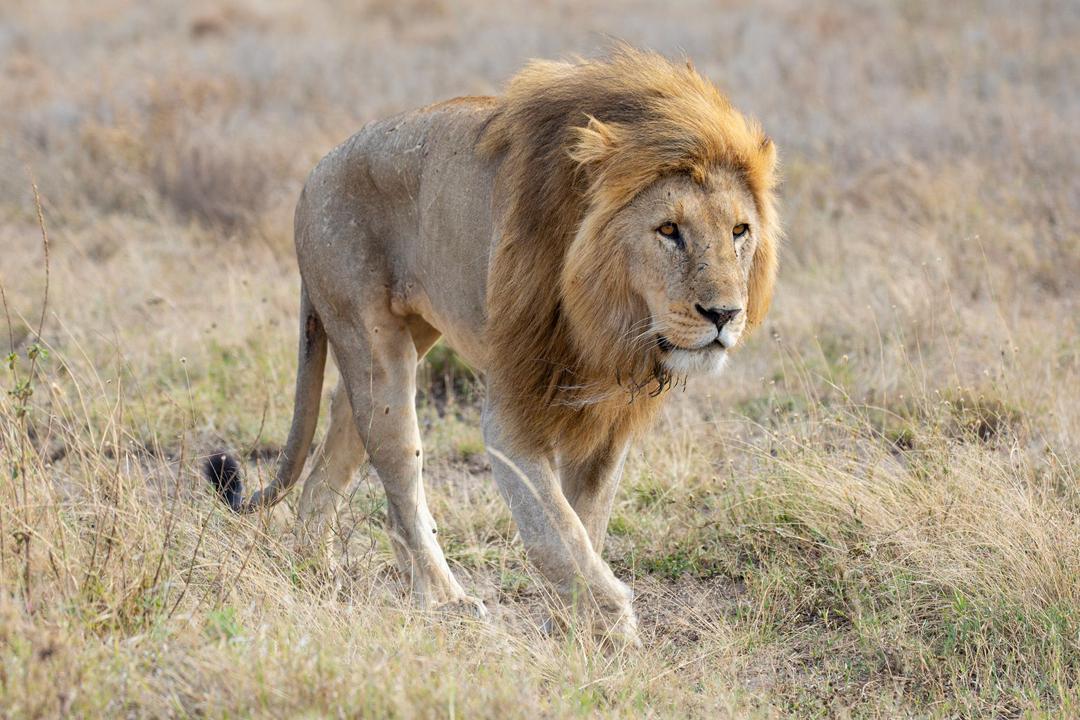
Experience the wildebeest migration across the vast Serengeti and Ngorongoro plains. Perfect for wildlife lovers and photography enthusiasts.
Book Now New
New
Climb Africa’s highest peak via scenic routes with expert guides and safe treks. Experience adventure with full support and accommodation included.
Book Now Popular
Relax in paradise with pristine white beaches, spice tours, and cultural charm. Ideal for families and honeymooners seeking luxury and tranquility.
Book Now


We collaborate with top tour operators to provide the best experiences for Kilimanjaro treks, safaris, and adventures.