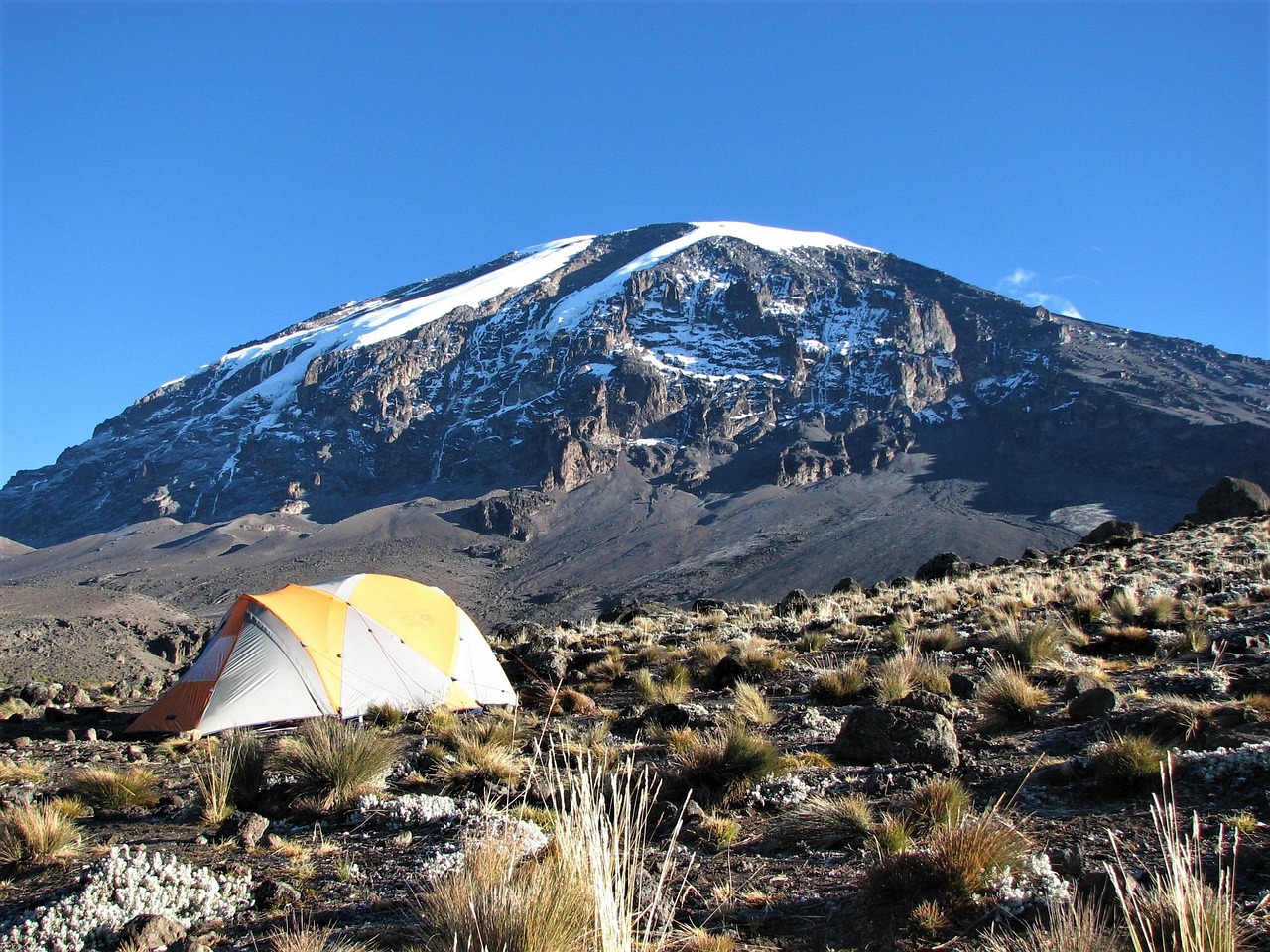
Check Kilimanjaro Group Departure Dates for 2026–2027 and plan your climb with scheduled group treks, expert guides, and organized support to summit Africa’s highest peak.
The Kilimanjaro Group Departure Dates 2026–2027 are perfect for travelers who want a well-planned and social way to climb Africa’s highest mountain. These scheduled departures allow participants to join groups of fellow adventurers, ensuring professional guidance, safety, and a structured trekking experience.
During the Kilimanjaro Group Departure Dates 2026–2027, climbers follow popular routes such as Machame, Marangu, Lemosho, or Rongai. Each departure is organized to allow proper acclimatization, gradual altitude gain, and maximum chances of reaching the summit. Along the way, trekkers experience Kilimanjaro’s stunning landscapes—from tropical rainforests and moorlands to alpine deserts and the iconic snow-capped peak—while enjoying the support and camaraderie of the group.
The Kilimanjaro Group Departure Dates 2026–2027 include professional mountain guides, porters, park fees, group accommodation (tents or huts depending on the route), meals, safety equipment, and all logistics. Ideal for solo travelers, friends, or adventure seekers, planning around group departure dates ensures a well-organized, cost-effective, and unforgettable Mount Kilimanjaro trekking experience.
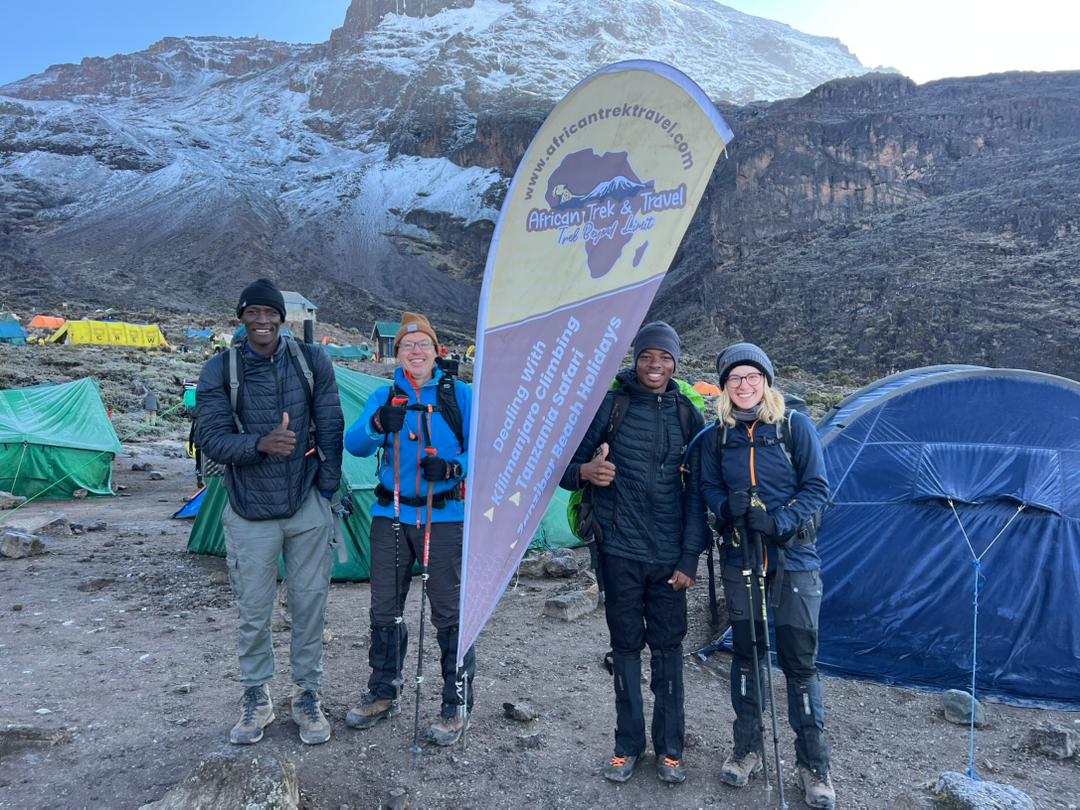
.jpg "Kilimanjaro Group Departure Dates")
Kilimanjaro group departure dates are pre‑scheduled climbing starts that allow adventurers from around the world to join shared expeditions up Mount Kilimanjaro. These planned departure dates make it easy to book, prepare, and climb with a group — providing structure, motivation, safety, and cost savings compared to private climbs.
This in‑depth guide explains everything about Kilimanjaro group departure dates, including how they work, typical schedules, best months to climb, how departure dates affect cost and availability, booking tips, and how to choose the best departure date for your Kilimanjaro group climb.
Kilimanjaro group departure dates are specific dates set by trekking companies when groups of climbers begin their ascent together. Instead of organizing your own private party, you join a pre‑arranged schedule alongside other climbers, guides, and support staff.
These group departures are available on all major Kilimanjaro routes — Machame, Marangu, Lemosho, Rongai, and others — and are typically released by tour operators months in advance so climbers can plan flights, training, and logistics.
Joining a scheduled Kilimanjaro group climb on a set departure date helps ensure proper planning, shared costs, professional support, and a community experience on the trail.
Here’s how it typically works when climbers use Kilimanjaro group departure dates:
Choose a Route — Popular options include Machame, Marangu, Lemosho, and Rongai.
Select a Departure Date — Pick from the available group departure dates that suit your travel calendar.
Book Your Climb — Secure your spot by paying a deposit or full balance.
Train & Prepare — Use the lead time before departure for fitness, gear, and acclimatization planning.
Join the Group — Meet your fellow climbers, guides, and support staff at the designated start point.
Climb Together — Follow the itinerary, pace, and safety protocol set by the guides.
Summit & Celebrate — Reach Uhuru Peak with your group and enjoy the descent together.
Scheduled departure dates are ideal for those who want structure and shared logistics, without planning a private climb from scratch.
With preset group departure dates, you know exactly when your climb begins and ends, making it simple to arrange flights, accommodations, and training schedules.
Scheduled climbs create a team environment. Climbers encourage and support each other throughout the trek — especially on tough summit nights.
Guides and support staff are assigned based on departure dates, ensuring proper staffing, acclimatization pacing, and safety protocols throughout the trek.
Because the cost of guides, porters, equipment, and camp setups are shared across the group, Kilimanjaro group departure dates usually offer better value than private or custom climbs.
Departure dates align with the best seasons for climbing Kilimanjaro, which correspond to the dryer months for more stable weather conditions. While operators vary in frequency, the general pattern is:
January to March – Great weather, clear skies, and frequent departure dates
June to October – Peak trekking season with the highest number of scheduled group departures
During these months, departure dates are often spaced weekly or biweekly, especially on popular routes like Machame and Marangu.
April to May – Fewer departures because of wetter trail conditions
November – Similar pattern with reduced scheduling
December – Increasing departures toward the festive season
While rainier months have fewer dates, scheduled group climbs still run — often with quieter trails and lower prices.
Below is a general illustration of how departure dates might be spaced throughout the year (actual schedules vary by operator):
| Month | Machame | Marangu | Lemosho | Rongai |
|---|---|---|---|---|
| January | Weekly | Weekly | Biweekly | Biweekly |
| February | Weekly | Weekly | Biweekly | Biweekly |
| March | Weekly | Weekly | Biweekly | Biweekly |
| April | Biweekly | Biweekly | Monthly | Monthly |
| May | Biweekly | Biweekly | Monthly | Monthly |
| June | Weekly | Weekly | Biweekly | Biweekly |
| July | Weekly | Weekly | Biweekly | Biweekly |
| August | Weekly | Weekly | Biweekly | Biweekly |
| September | Weekly | Weekly | Weekly | Biweekly |
| October | Weekly | Weekly | Biweekly | Biweekly |
| November | Biweekly | Biweekly | Monthly | Monthly |
| December | Weekly | Weekly | Biweekly | Biweekly |
Note: This table is a general example. Actual Kilimanjaro group departure dates vary across operators and routes.
Excellent weather conditions
Frequent departure dates
Great visibility and cooler temperatures
Peak climbing season
Most departure dates available
High summit success rates
Fewer departure dates
Tracks are less crowded
Higher chance of rain but quieter trails
Choosing the best month depends on your preference for weather, crowd levels, pricing, and overall experience.
Departure dates — especially in peak months — fill quickly. Early booking often secures better pricing, preferred routes, and more gear or accommodation options.
Departure dates during wetter months (April–May, November) may offer lower prices and fewer climbers, which can be attractive for budget adventurers.
Departure dates with larger group sizes often lower the per‑person cost because guides, porters, and logistics are shared more widely. Smaller departure group sizes may slightly increase the price per climber.
Pick a departure date that gives you enough time to train, acquire gear, and prepare mentally for high–altitude trekking.
Want clearer skies and dry trails? Stick to peak dry season departures.
Prefer quieter routes and don’t mind rain? Choose shoulder season dates.
Make sure your flights and hotels align with the departure date so you have rest days before and after your climb.
Some travelers prefer larger departure groups for more social interaction, while others like smaller departure dates for a quieter, more personal experience.
When booking a Kilimanjaro group departure date, be sure to:
✔ Confirm exact inclusions (meals, transfers, gear, accommodation)
✔ Understand cancellation and refund policies
✔ Inquire about tipping guidelines for guides and porters
✔ Ask about recommended training and acclimatization plans
Booking with a reputable operator ensures your departure date is supported by experienced guides and proper safety standards.
Unforeseen changes can happen, so check the operator’s policies on:
🔁 Rescheduling to another departure date
💰 Partial or full refunds
🩺 Medical or weather‑related changes
Having good travel insurance that covers trekking, cancellation, and evacuation is always recommended.
Understanding Kilimanjaro group departure dates helps you plan with confidence, choose the best weather windows, coordinate travel logistics, and secure the most suitable schedule for your climb.
Whether you prefer the peak dry season with frequent departures or quieter shoulder season dates with fewer climbers, Kilimanjaro group departure dates offer structured and supportive climbs that enhance your chances of summit success and create lifelong memories.
African Trek & Travel is a leading Tanzania tour operator in Moshi and Arusha for 2026–2027, specializing in Kilimanjaro treks, safaris, and tailor-made adventures. With deep local expertise and a strong commitment to safety and quality, we deliver unforgettable travel experiences across East Africa.
Discover popular Safaris, Serengeti Migration, Kilimanjaro Climbing & Zanzibar Beach Holidays. Plan your perfect adventure today!
 Popular
Experience the wildebeest migration across the vast Serengeti and Ngorongoro plains. Perfect for wildlife lovers and photography enthusiasts.
Book Now New
New
Climb Africa’s highest peak via scenic routes with expert guides and safe treks. Experience adventure with full support and accommodation included.
Book Now Popular
Relax in paradise with pristine white beaches, spice tours, and cultural charm. Ideal for families and honeymooners seeking luxury and tranquility.
Book Now

We collaborate with top tour operators to provide the best experiences for Kilimanjaro treks, safaris, and adventures.