Explore top Kilimanjaro Group Trekking Company options for 2026–2027 and climb Africa’s highest peak with expert guides, organized support, and reliable group trekking services.
A Kilimanjaro Group Trekking Company 2026–2027 provides climbers with professionally organized group trekking experiences to summit Mount Kilimanjaro. These companies specialize in creating safe, well‑supported group adventures, combining experienced guides, logistics management, and shared trekking itineraries for climbers from around the world.
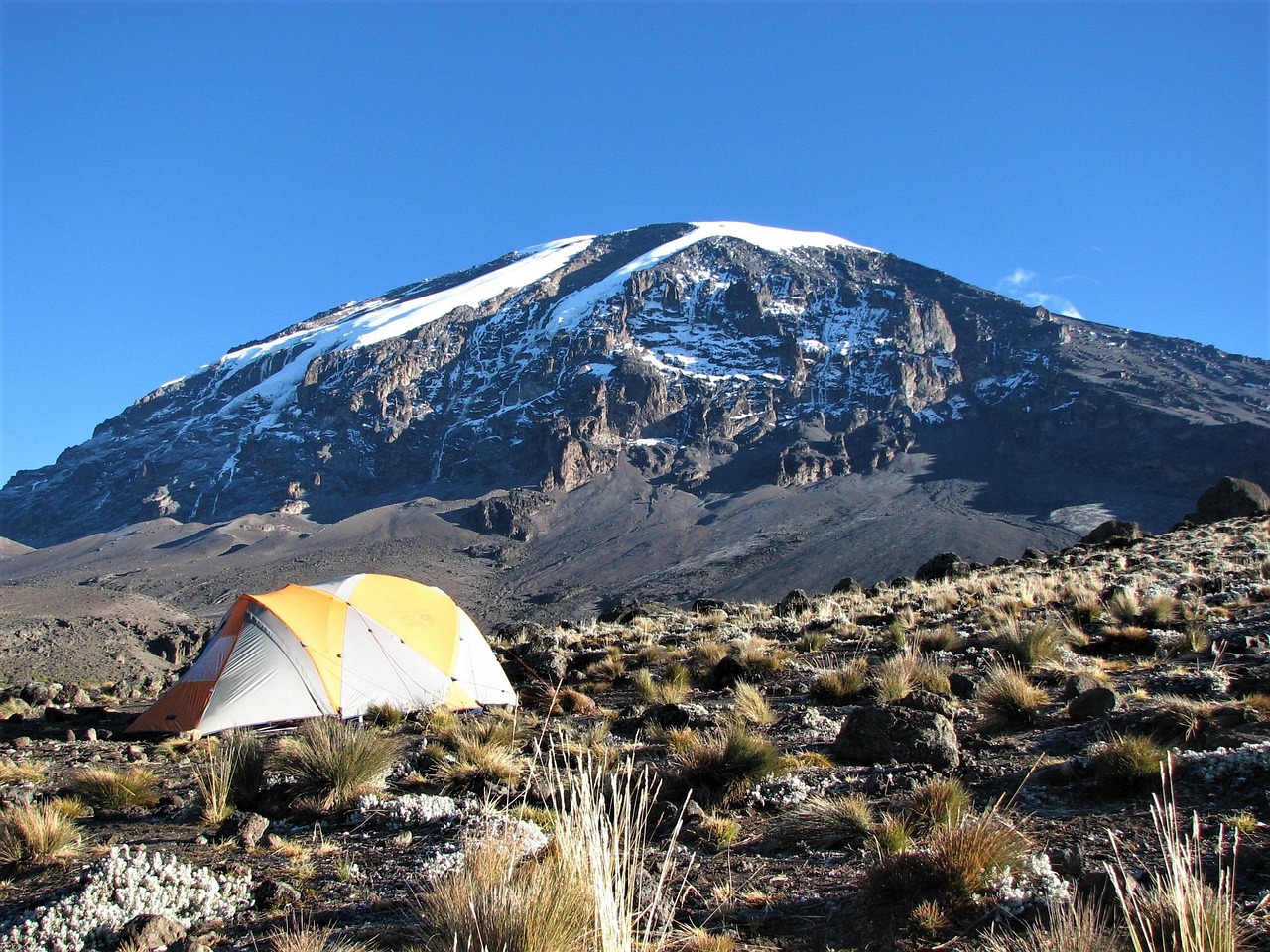
During a Kilimanjaro Group Trekking Company 2026–2027 experience, trekkers follow established routes such as Machame, Marangu, Lemosho, or Rongai. Group treks are designed for proper acclimatization, gradual altitude gain, and increased summit success, while also fostering group camaraderie. Participants enjoy Kilimanjaro’s stunning landscapes—from lush rainforests and moorlands to alpine deserts and the iconic snow‑capped summit—under professional guidance.
A Kilimanjaro Group Trekking Company 2026–2027 typically includes professional mountain guides, porters, park fees, group accommodation (tents or huts depending on the route), meals on the mountain, safety equipment, and coordinated logistics. Ideal for solo travelers, friends, and adventure seekers, choosing a reputable group trekking company ensures a well‑organized, memorable, and rewarding Mount Kilimanjaro climbing experience.
.jpg "Kilimanjaro Group Trekking Company")
A Kilimanjaro group trekking company is an organization that plans, organizes, and leads scheduled group expeditions to the summit of Mount Kilimanjaro, Africa’s highest peak. These companies make it easier, safer, and more affordable for climbers from around the world to reach Uhuru Peak. Choosing the right Kilimanjaro group trekking company can mean the difference between a challenging but rewarding adventure and a difficult, poorly organized experience.
This in‑depth guide covers everything you need to know about Kilimanjaro group trekking companies: how they operate, what services they provide, how pricing works, safety standards, what to look for when choosing one, important questions to ask before you book, differences between budget and premium providers, and how to get the best value for your climb.
A Kilimanjaro group trekking company is a professional tour operator that organizes shared climbing expeditions up Mount Kilimanjaro. Unlike private climbs, where one individual or group pays for exclusive guides and services, group trekking companies schedule departures where climbers join other participants, share logistics, and reduce individual costs.
These companies handle all major planning tasks, including:
Permits and park fees
Route selection and itinerary planning
Hiring certified mountain guides and support staff
Providing meals, camping or hut accommodation
Managing safety, rescue plans, and acclimatization schedules
Transport and pre‑/post‑trek arrangements
By handling logistics, a credible Kilimanjaro group trekking company allows climbers to focus on training, preparing gear, and enjoying the adventure.
There are many benefits to booking with a reputable Kilimanjaro group trekking company:
Mount Kilimanjaro presents real risks, especially altitude sickness, weather changes, and physical fatigue. A quality Kilimanjaro group trekking company employs certified mountain guides who monitor climbers, adjust itineraries as needed, and ensure safety protocols are followed throughout the trek.
Group climbs split costs across participants — including guides, porters, equipment, and meals — making a Kilimanjaro group trekking company more affordable than private expeditions.
Trekking companies organize routes with acclimatization days, rest stops, and safety checks built into the schedule, which improves climbers’ chances of summiting successfully.
From airport transfers to food, water treatment, camping setup, and emergency procedures, a Kilimanjaro group trekking company handles all details so climbers don’t have to worry about planning.
Climbing with others fosters encouragement, teamwork, and shared motivation — especially on challenging summit nights when mental strength matters most.
A good Kilimanjaro group trekking company will typically include the following in its standard packages:
National park entry is mandatory and is handled by the company when you book.
Experienced guides trained in first‑aid, altitude response, and daily health monitoring.
Porters carry equipment and food; assistant guides support the lead guides and help maintain group safety.
Nutritious meals prepared on the mountain — breakfast, lunch, and dinner — often with snacks and hot drinks.
Either camping tents with sleeping mats or huts/dormitories (available on Marangu Route).
Transfers from hotel to the trailhead and return.
Kitchen tents, dining tents, safety gear (first aid kits, oxygen canisters), and sometimes communal items like chairs and tables.
Procedures for altitude sickness, evacuation plans, and 24/7 support during the trek.
Before booking, verify whether the following are included or extra:
Flights to Kilimanjaro International Airport (JRO) or Arusha Airport (ARK)
Hotel nights before/after the trek
Personal trekking gear (sleeping bag, hiking poles, down jacket)
Travel insurance covering high‑altitude trekking
Tips for guides and porters
Visas (if required)
Always read the fine print so there are no surprises.
Most reputable Kilimanjaro group trekking companies offer climbs on all major routes. Each route has its own advantages:
Excellent scenery and acclimatization profile
Higher success rates
Great for group motivation and support
Uses dormitory huts instead of camping
Shorter daily walks
Good for climbers preferring more comfort
Longer itinerary for better acclimatization
Stunning landscapes
Excellent choice for small group climbers
Quiet trails and gentler terrain
Ideal during rainy seasons
Less crowded
The price you pay influences the level of service, safety, and overall experience. Group climbs are typically priced based on:
Route chosen
Duration (6–8 days or longer)
Size of the group
Season and demand
Included services
Typical price ranges per person (approximate and dependent on operator):
| Route | Duration | Typical Price (USD) |
|---|---|---|
| Machame | 6–7 days | $1,600 – $2,200 |
| Machame | 8 days | $1,900 – $2,500 |
| Marangu | 5–6 days | $1,400 – $1,900 |
| Lemosho | 7–8 days | $2,000 – $2,800 |
| Rongai | 6–7 days | $1,600 – $2,300 |
Additional costs to consider: tips for guides/porters ($200–$300), flights, insurance, gear rental, and visas.
When choosing a company, prioritize quality and safety over just price. Key factors include:
Ensure guides are licensed and trained in high‑altitude response and emergency procedures.
Good companies follow porter welfare guidelines: fair wages, proper gear, weight limits, and rest periods. Ask about porter policies.
Look for companies with high summit success rates and documented safety protocols.
Smaller groups often mean personalized attention, higher safety, and better group dynamics.
Read independent reviews on travel platforms to assess real feedback.
Transparent cost breakdowns help you compare providers more effectively.
Before committing, ask potential companies:
What is included and not included in the price?
What is the guide‑to‑client ratio?
Are guides certified and experienced?
What is your safety and evacuation protocol?
How do you handle altitude sickness?
What is your cancellation and refund policy?
How are porters treated and compensated?
Do you provide pre‑trek support and advice?
A reputable Kilimanjaro group trekking company will answer fully, transparently, and professionally.
Lower prices
Basic meals and accommodation
Smaller support staff
Essential safety measures
Good choice if price is the priority and safety standards are still met
Better meals and group gear
Larger support teams
More attention to comfort
Good balance of cost and experience
Hotel pre/post stays included
High‑quality meals and gear
Smaller group sizes with more personalized attention
Extra comforts like hot drinks, upgraded tents, and massage options
Choose based on your priorities: price, comfort, service level, or overall experience.
Booking steps typically include:
Select route, dates, and itinerary length
Check availability and group size
Pay a deposit to secure your spot
Receive confirmation and trek details
Prepare fitness, gear, travel arrangements, and insurance
Booking early — especially for peak seasons (January–March, June–October) — often secures better pricing and spot availability.
Once booked, a good company will support you with:
Training advice tailored to Kilimanjaro’s demands
Gear checklists and gear rental options
Pre‑departure safety advice
Packing tips specific to your route and season
Communication channels for questions before the trek
Their pre‑trek support can be invaluable, especially for first‑time climbers.
Safety is paramount. A professional Kilimanjaro group trekking company will provide:
Daily health checks and oxygen monitoring
Gradual pacing to minimize altitude sickness
Emergency oxygen and first‑aid kits
Evacuation procedures (carried out by guides when needed)
Clear communication about risks and decision points
Never choose a company that cannot clearly articulate its safety standards.
Top trekking companies also commit to:
Leave No Trace principles
Protecting Kilimanjaro’s fragile ecosystems
Supporting local communities
Educating clients about sustainable climbing practices
Ask your chosen company about environmental policies and community support initiatives.
✔ Are the guides certified and experienced?
✔ What services are included in the price?
✔ Is there clear information on tipping?
✔ Are porter welfare policies transparent?
✔ Are safety and emergency protocols explained?
✔ Are departure dates and group sizes suitable?
✔ Do client reviews support their claims?
Choosing the right Kilimanjaro group trekking company is one of the most important decisions you’ll make when planning your Mount Kilimanjaro climb. The right company improves your chance of summiting successfully while keeping you safe, supported, and well cared for — physically, mentally, and logistically.
Whether you prioritize affordability, comfort, support, or personalized service, this guide equips you with the knowledge to evaluate trekking companies smartly. By comparing services, reading reviews, clarifying inclusions, and verifying ethical and safety standards, you can pick a Kilimanjaro group trekking company that offers the best balance of value, experience, and success for your adventure.
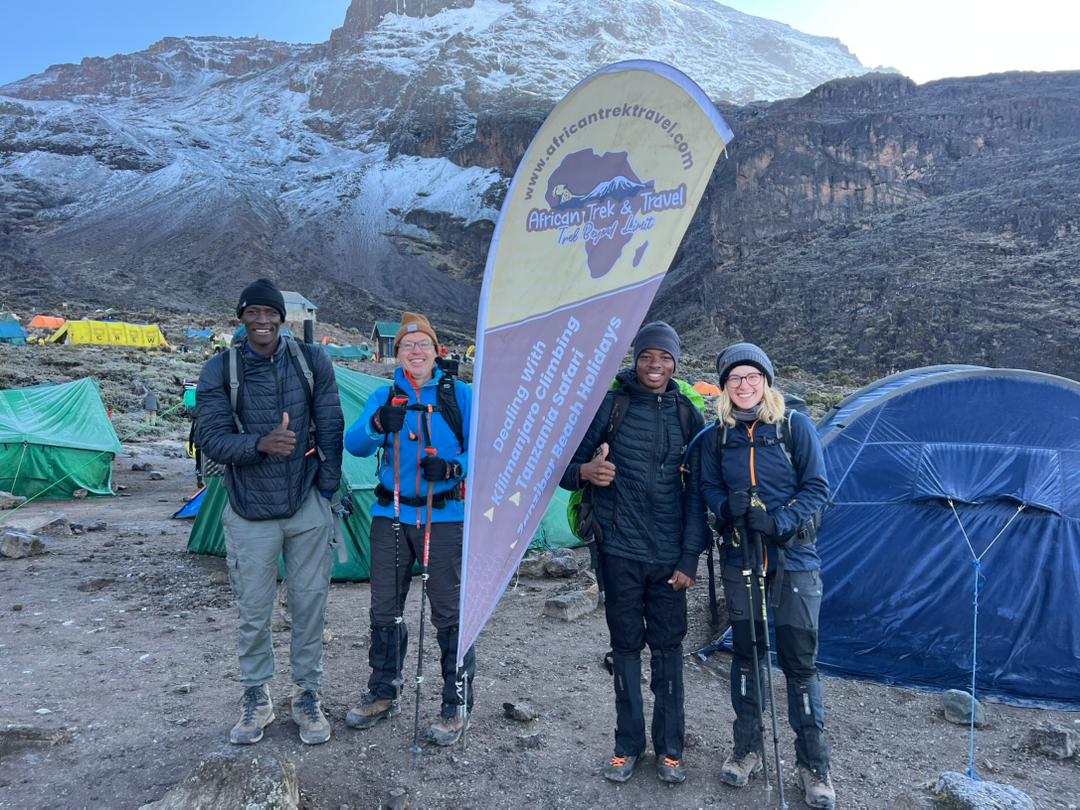
African Trek & Travel is a leading Tanzania tour operator in Moshi and Arusha for 2026–2027, specializing in Kilimanjaro treks, safaris, and tailor-made adventures. With deep local expertise and a strong commitment to safety and quality, we deliver unforgettable travel experiences across East Africa.
Discover popular Safaris, Serengeti Migration, Kilimanjaro Climbing & Zanzibar Beach Holidays. Plan your perfect adventure today!
 Popular
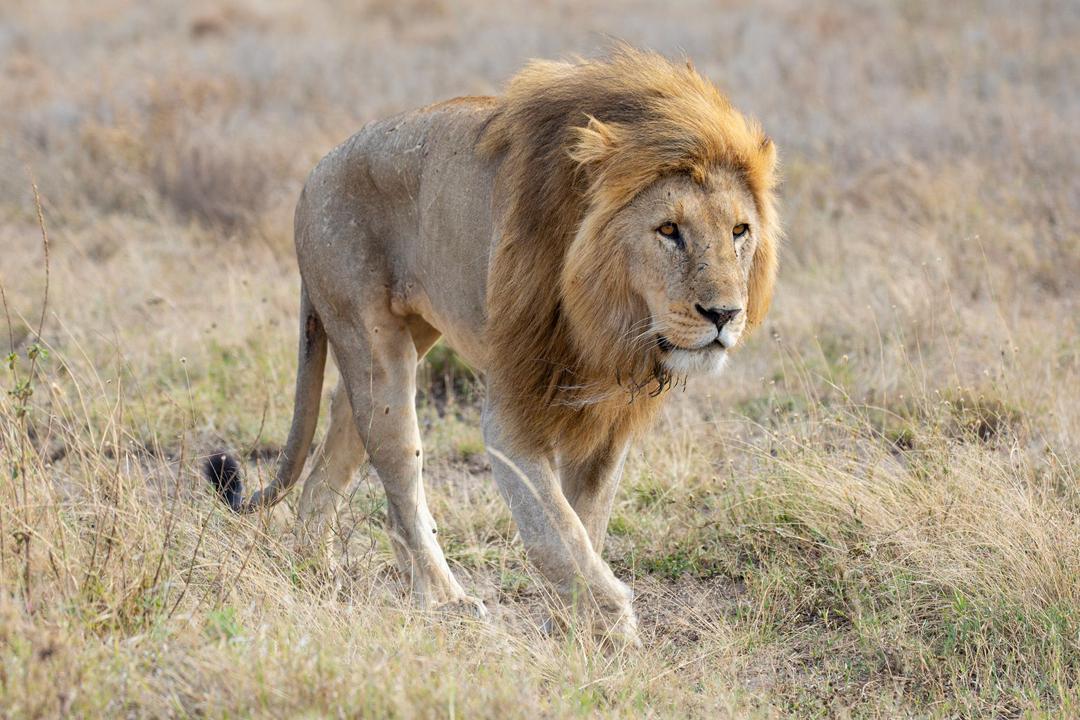
Experience the wildebeest migration across the vast Serengeti and Ngorongoro plains. Perfect for wildlife lovers and photography enthusiasts.
Book Now New
New
Climb Africa’s highest peak via scenic routes with expert guides and safe treks. Experience adventure with full support and accommodation included.
Book Now Popular
Relax in paradise with pristine white beaches, spice tours, and cultural charm. Ideal for families and honeymooners seeking luxury and tranquility.
Book Now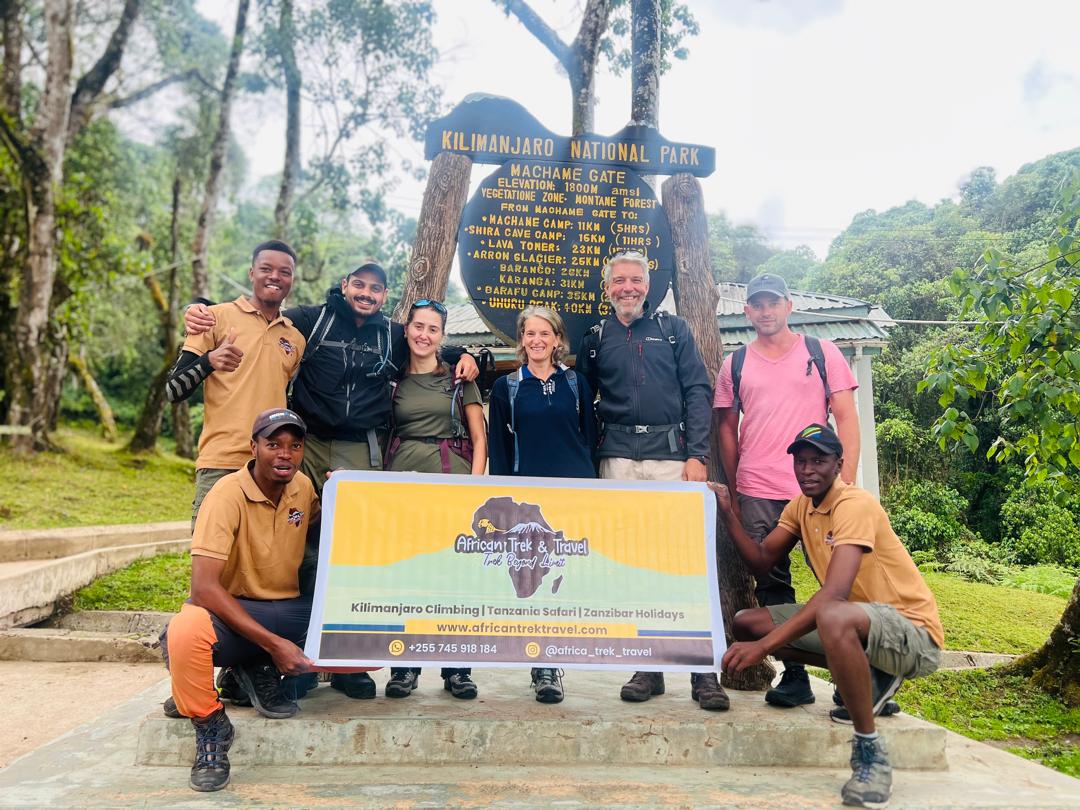
We collaborate with top tour operators to provide the best experiences for Kilimanjaro treks, safaris, and adventures.