Communicate effectively with Language Tips for Traveling Tanzania 2026–2027. Learn essential Swahili phrases, communication tips, and cultural etiquette for a smooth travel experience.
Language Tips for Traveling Tanzania 2026–2027 is a practical guide for travelers who want to communicate effectively and respectfully while exploring the country. Understanding basic language skills enhances your travel experience, helps you connect with locals, and ensures smoother navigation in cities, rural areas, and national parks.
During Language Tips for Traveling Tanzania 2026–2027, travelers will learn key Swahili phrases for greetings, shopping, dining, asking for directions, and cultural etiquette. The guide also provides tips on body language, polite expressions, and local customs to ensure respectful interactions. Travelers will discover how to handle situations where English may not be widely spoken and how to use translation apps effectively.
Language Tips for Traveling Tanzania 2026–2027 emphasizes practical communication, cultural respect, and confidence in everyday interactions. Ideal for solo travelers, families, and groups, this guide ensures that you can navigate Tanzania, engage with communities, and enjoy immersive experiences without language barriers. By following these tips, travelers can enhance their journey, foster meaningful connections, and fully appreciate Tanzanian culture.
Understanding language is key to a smooth and immersive experience in Tanzania. While English is widely spoken in tourist areas, Swahili (Kiswahili) is the national language and dominates daily life. Following language tips for traveling Tanzania helps visitors communicate effectively, navigate both cities and rural regions, and engage meaningfully with local communities.
Travelers benefit from knowing local languages for several reasons:
Effective Communication: Order food, book tours, and ask directions.
Cultural Respect: Shows locals that you value their traditions and customs.
Safety: Easier to seek help or guidance in emergencies.
Enhanced Experience: Deepens interaction with guides, hosts, and residents.
Even a few basic phrases in Swahili can make a big difference in your travel experience.
Tanzania’s national and most widely spoken language.
Used in daily life, public transport, markets, and government offices.
Learning common Swahili phrases improves your ability to connect with locals.
Widely used in tourism, business, and higher education.
Spoken in major cities, hotels, safari lodges, and airports.
Even if English is common, learning Swahili demonstrates cultural appreciation.
Tanzania has over 120 tribal languages, including Maasai, Chaga, Sukuma, and Hehe.
Mostly spoken in rural areas.
Basic greetings in tribal languages are appreciated but not essential for tourists.
Hello – “Jambo” / “Habari”
Good morning – “Habari ya asubuhi”
Good afternoon – “Habari ya mchana”
Good evening – “Habari ya jioni”
Goodbye – “Kwaheri”
Thank you – “Asante”
Thank you very much – “Asante sana”
Please – “Tafadhali”
Sorry / Excuse me – “Samahani”
How much is this? – “Hii ni bei gani?”
Where is the bathroom? – “Choo kiko wapi?”
I don’t understand – “Sielewi”
Do you speak English? – “Unasema Kiingereza?”
Help! – “Msaada!”
Left – “Kushoto”
Right – “Kulia”
Straight ahead – “Moja kwa moja”
Near – “Karibu”
Far – “Mbali”
I would like… – “Ningependa…”
Water – “Maji”
Food – “Chakula”
Can you lower the price? – “Unaweza punguzia?”
Rural communities may speak limited English; Swahili is often the only language.
Maasai and other tribes may only speak their local language and basic Swahili.
Learning polite greetings and key phrases enhances cultural respect and safety.
Carry a small Swahili phrasebook or download a translation app for remote areas.
Google Translate: Supports offline Swahili-English translation.
Microsoft Translator: Offers text, voice, and camera translation features.
Duolingo: Helps travelers learn basic Swahili before their trip.
Handy for offline situations like safaris or village visits.
Include key phrases for dining, transport, and emergencies.
Gestures: Smiling, nodding, or shaking hands politely is widely appreciated.
Eye Contact: Moderate eye contact is considered respectful.
Hand Gestures: Avoid pointing with one finger; use your whole hand if needed.
Body Language: Maintain personal space and avoid aggressive gestures.
Speak slowly and clearly in English if needed.
Use simple words and gestures to supplement spoken language.
Repeat or confirm information when asking for directions or services.
Be patient; Tanzanians appreciate polite and respectful travelers.
Learn key phrases for safety, directions, and emergencies.
Use translation apps for independent navigation.
Teach children basic greetings and polite phrases.
Encourage interaction with locals using simple language.
Learn wildlife-related Swahili vocabulary for communicating with guides.
Master directional phrases to follow instructions during off-road travel.
Learn village greetings and traditional phrases for workshops or cultural tours.
Demonstrating effort in language learning builds rapport with locals.
Improves travel experience and cultural immersion.
Builds trust and rapport with locals and guides.
Enhances safety and confidence in rural or remote areas.
Encourages authentic interactions and understanding of traditions.
Language Barriers in Rural Areas: Use offline translation apps and basic Swahili phrases.
Mispronunciation: Practice essential words before arrival.
Limited English in Villages: Rely on gestures, polite greetings, and patience.
Local Dialects: Focus on commonly understood Swahili phrases.
Prepare a pocket-sized Swahili phrase list for travel essentials.
Download offline translation apps for areas with poor connectivity.
Practice key phrases before departure to build confidence.
Incorporate language learning into your itinerary to enhance cultural experiences.
Mastering language tips for traveling Tanzania enhances safety, cultural understanding, and the overall travel experience. Learning basic Swahili phrases, using translation apps, and practicing respectful communication allows travelers to navigate cities, markets, safari parks, and rural villages confidently.
Effective language use deepens your connection with local people, enriches cultural interactions, and opens doors to authentic experiences. By following these language tips for traveling Tanzania, every encounter becomes an opportunity to engage, learn, and create lasting memories.
African Trek & Travel is a leading Tanzania tour operator in Moshi and Arusha for 2026–2027, specializing in Kilimanjaro treks, safaris, and tailor-made adventures. With deep local expertise and a strong commitment to safety and quality, we deliver unforgettable travel experiences across East Africa.
Discover popular Safaris, Serengeti Migration, Kilimanjaro Climbing & Zanzibar Beach Holidays. Plan your perfect adventure today!
 Popular
Experience the wildebeest migration across the vast Serengeti and Ngorongoro plains. Perfect for wildlife lovers and photography enthusiasts.
Book Now New
New
Climb Africa’s highest peak via scenic routes with expert guides and safe treks. Experience adventure with full support and accommodation included.
Book Now Popular
Relax in paradise with pristine white beaches, spice tours, and cultural charm. Ideal for families and honeymooners seeking luxury and tranquility.
Book Now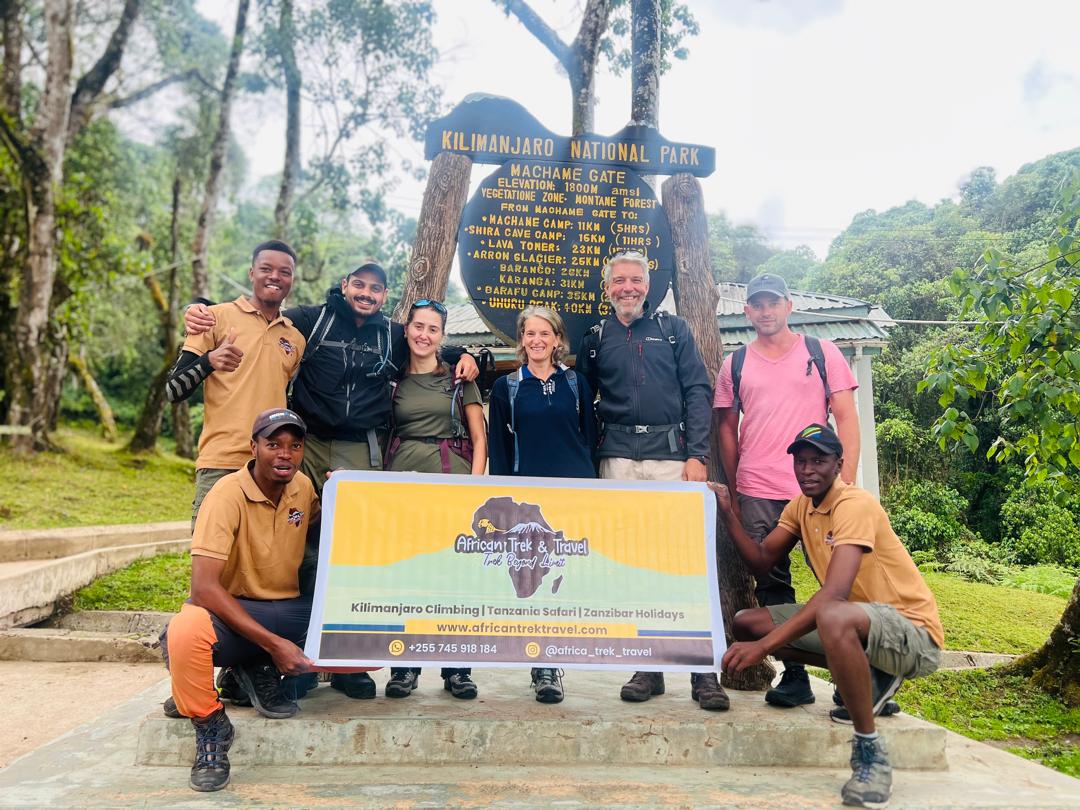

We collaborate with top tour operators to provide the best experiences for Kilimanjaro treks, safaris, and adventures.