Compare Mount Kenya vs Kilimanjaro in 2026–2027. Discover differences in height, trekking difficulty, routes, and scenery to choose the best mountain adventure.
Choosing between Mount Kenya and Kilimanjaro is an important decision for trekkers seeking a memorable African mountain adventure. Understanding Mount Kenya vs Kilimanjaro 2026–2027 helps climbers compare altitude, terrain, trekking challenges, and scenic diversity to make an informed choice.
Mount Kenya offers rugged peaks, glaciers, and diverse ecosystems with moderate technical difficulty, making it ideal for climbers seeking a challenging but scenic trek. Kilimanjaro, Africa’s highest peak, features longer routes, varying climates, and less technical trails, making it accessible to trekkers with good fitness and stamina.
Mount Kenya vs Kilimanjaro 2026–2027 also considers trek duration, acclimatization needs, and summit strategies. By understanding the differences, climbers can select the mountain that aligns with their experience, goals, and desired adventure, ensuring a safe and rewarding climbing experience.
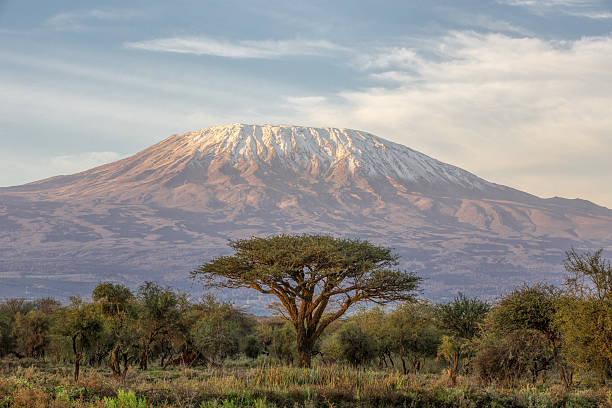
Compare Mount Kenya vs Kilimanjaro to determine which trek suits your adventure style. Learn about height, difficulty, routes, weather, best time to climb, and trekking experiences in East Africa.
Adventurers often face the decision of Mount Kenya vs Kilimanjaro when planning East African mountain treks. Both mountains offer spectacular scenery, challenging climbs, and unique experiences, but they differ in altitude, trekking difficulty, route options, and overall adventure style. Understanding the key differences helps trekkers choose the right mountain for their fitness level, time availability, and personal preferences. This guide explores all aspects of the Mount Kenya vs Kilimanjaro comparison to make your decision easier.
Mount Kenya, located in central Kenya, is Africa’s second-highest peak. Key facts for the Mount Kenya vs Kilimanjaro comparison include:
Highest Peak: Batian (5,199 meters)
Other Peaks: Nelion (5,188 meters) and Point Lenana (4,985 meters)
Terrain: Forest, moorland, alpine, and rocky ridges
Routes: Sirimon, Chogoria, Naro Moru, and Burguret
Trekking Duration: 3–7 days depending on route
Experience: Mix of technical climbs and high-altitude trekking
Mount Kenya is ideal for those seeking technical climbs, wilderness experience, and varied alpine scenery.
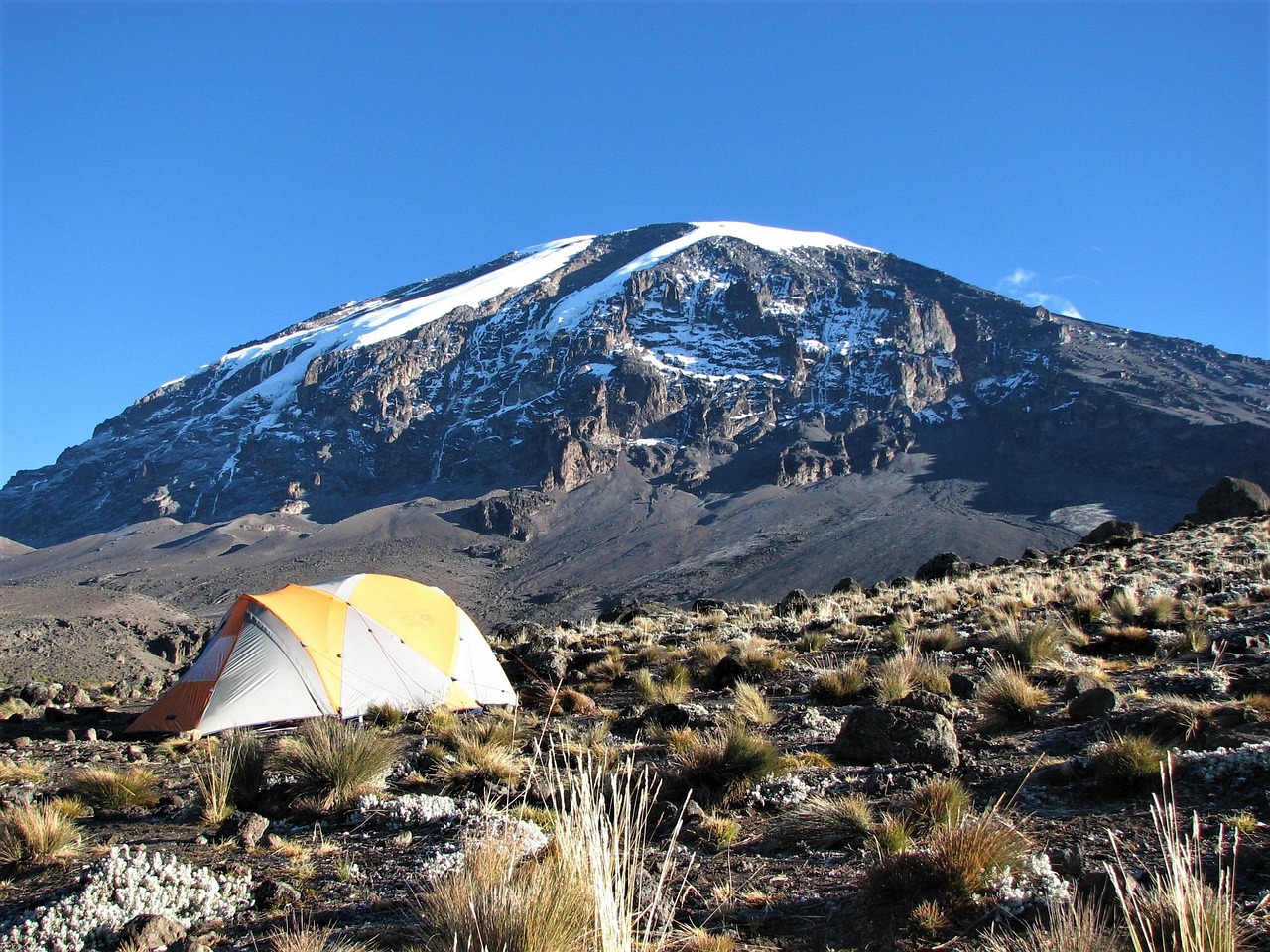
Mount Kilimanjaro, located in northern Tanzania, is Africa’s highest peak and a popular trekking destination. Key facts for the Mount Kenya vs Kilimanjaro comparison include:
Highest Peak: Uhuru Peak (5,895 meters)
Terrain: Rainforest, heath, moorland, alpine desert, and summit ice cap
Routes: Machame, Marangu, Lemosho, Rongai, Shira, and Umbwe
Trekking Duration: 5–9 days depending on route
Experience: Non-technical but high-altitude trekking with gradual ascent
Kilimanjaro suits trekkers seeking a non-technical, yet challenging, high-altitude summit experience.
Height is a key factor when comparing Mount Kenya vs Kilimanjaro:
Mount Kenya: 5,199 meters (Batian)
Mount Kilimanjaro: 5,895 meters (Uhuru Peak)
Kilimanjaro is taller, offering higher altitude exposure and longer acclimatization needs
Mount Kenya’s highest peaks are more technical and less accessible to casual trekkers
Height affects difficulty, acclimatization, and summit success considerations.
Understanding difficulty is crucial in the Mount Kenya vs Kilimanjaro debate:
Technical climbs to Batian and Nelion require rock climbing skills
Point Lenana is accessible to trekkers with moderate fitness
Multi-day treks through rugged terrain and dense forests
Altitude sickness is less severe but still possible at higher peaks
Non-technical trekking to Uhuru Peak
Longer ascent, high altitude, and potential for altitude sickness
Steep sections near summit and extreme temperatures
Routes provide gradual acclimatization for safer summit attempts
Mount Kenya is more technical, while Kilimanjaro is higher and physically demanding due to altitude.
Route variety impacts the Mount Kenya vs Kilimanjaro experience:
Sirimon Route: Gradual ascent, scenic moorlands, safer for beginners
Chogoria Route: Remote, waterfalls, lakes, and alpine scenery
Naro Moru Route: Steep and challenging, shorter duration
Burguret Route: Least used, remote wilderness experience
Machame Route: Popular, scenic, moderately challenging
Marangu Route: “Coca-Cola” route, easier but less scenic
Lemosho Route: Longer, excellent acclimatization, remote scenery
Rongai Route: Less crowded, northern approach
Shira Route: Remote, gradual acclimatization
Umbwe Route: Steep, short, challenging for experienced trekkers
Mount Kenya offers technical and wilderness experiences; Kilimanjaro provides non-technical high-altitude trekking with varied scenery.
Summit success depends on route, fitness, and altitude:
Mount Kenya: Technical peaks like Batian require rock climbing experience; Point Lenana easier but still physically demanding
Kilimanjaro: Gradual ascent improves acclimatization; summit success rates higher with longer routes
Altitude Considerations: Kilimanjaro’s higher peak increases risk of acute mountain sickness compared to Mount Kenya
Choosing the right route and proper acclimatization is critical in both mountains.
Seasonality affects trekking conditions in the Mount Kenya vs Kilimanjaro comparison:
Dry seasons: January–March and July–October
Safer trails, clearer summit views, and lower risk of hypothermia
Dry seasons: June–October and December–February
Reduced rainfall, firmer trails, and better summit visibility
Season selection improves safety, summit success, and overall trekking experience on both mountains.
Flora and fauna differ and affect the trekking experience:
Unique alpine vegetation: giant lobelias, heathers, and moorlands
Wildlife: elephants, buffalo, monkeys, diverse bird species
Rainforest zone: monkeys, birds, small mammals
Alpine desert zone: sparse vegetation, glaciers, and volcanic features
Mount Kenya offers more wildlife diversity and technical nature exploration, while Kilimanjaro emphasizes high-altitude landscapes.
Ease of access is a consideration for Mount Kenya vs Kilimanjaro:
Mount Kenya: Accessible from Nairobi; longer trek preparation, remote routes require guides and camping
Kilimanjaro: Accessible from Kilimanjaro International Airport (Tanzania); organized trekking packages widely available
Kilimanjaro easier to reach for international travelers, Mount Kenya offers a more secluded experience
Trekking costs differ depending on mountain:
Mount Kenya: $700–$1,500 for multi-day treks with guides and permits
Kilimanjaro: $1,200–$2,500 depending on route, operator, and duration
Kilimanjaro often more expensive due to higher popularity and infrastructure support
Safety is a key factor when comparing Mount Kenya vs Kilimanjaro:
Mount Kenya: Technical climbs require rock climbing experience for Batian and Nelion; risk of slips and falls on rocky ridges
Kilimanjaro: High-altitude sickness more common; less technical climbing but extreme weather near summit
Guides recommended for both mountains to ensure safety, navigation, and emergency support
| Feature | Mount Kenya | Kilimanjaro |
|---|---|---|
| Highest Peak | 5,199 m (Batian) | 5,895 m (Uhuru Peak) |
| Difficulty | Technical climbs | Non-technical, high altitude |
| Routes | 4 main routes | 6 main routes |
| Duration | 3–7 days | 5–9 days |
| Wildlife | Diverse, moorland and forest | Rainforest and alpine desert |
| Accessibility | From Nairobi, remote | From Kilimanjaro Airport, well-organized |
| Cost | $700–$1,500 | $1,200–$2,500 |
Choosing between Mount Kenya and Kilimanjaro depends on fitness level, technical climbing experience, altitude tolerance, and desired scenery.
Deciding between Mount Kenya vs Kilimanjaro involves considering peak height, difficulty, routes, scenery, wildlife, accessibility, and cost. Mount Kenya offers a more technical and wilderness-focused experience with diverse flora and fauna, while Kilimanjaro provides the highest altitude in Africa with non-technical trekking suitable for moderately experienced climbers. Understanding these differences ensures that trekkers select the mountain that aligns with their fitness, adventure style, and personal goals for an unforgettable East African trekking experience.
African Trek & Travel is a leading Tanzania tour operator in Moshi and Arusha for 2026–2027, specializing in Kilimanjaro treks, safaris, and tailor-made adventures. With deep local expertise and a strong commitment to safety and quality, we deliver unforgettable travel experiences across East Africa.
Discover popular Safaris, Serengeti Migration, Kilimanjaro Climbing & Zanzibar Beach Holidays. Plan your perfect adventure today!
 Popular
Experience the wildebeest migration across the vast Serengeti and Ngorongoro plains. Perfect for wildlife lovers and photography enthusiasts.
Book Now New
New
Climb Africa’s highest peak via scenic routes with expert guides and safe treks. Experience adventure with full support and accommodation included.
Book Now Popular
Relax in paradise with pristine white beaches, spice tours, and cultural charm. Ideal for families and honeymooners seeking luxury and tranquility.
Book Now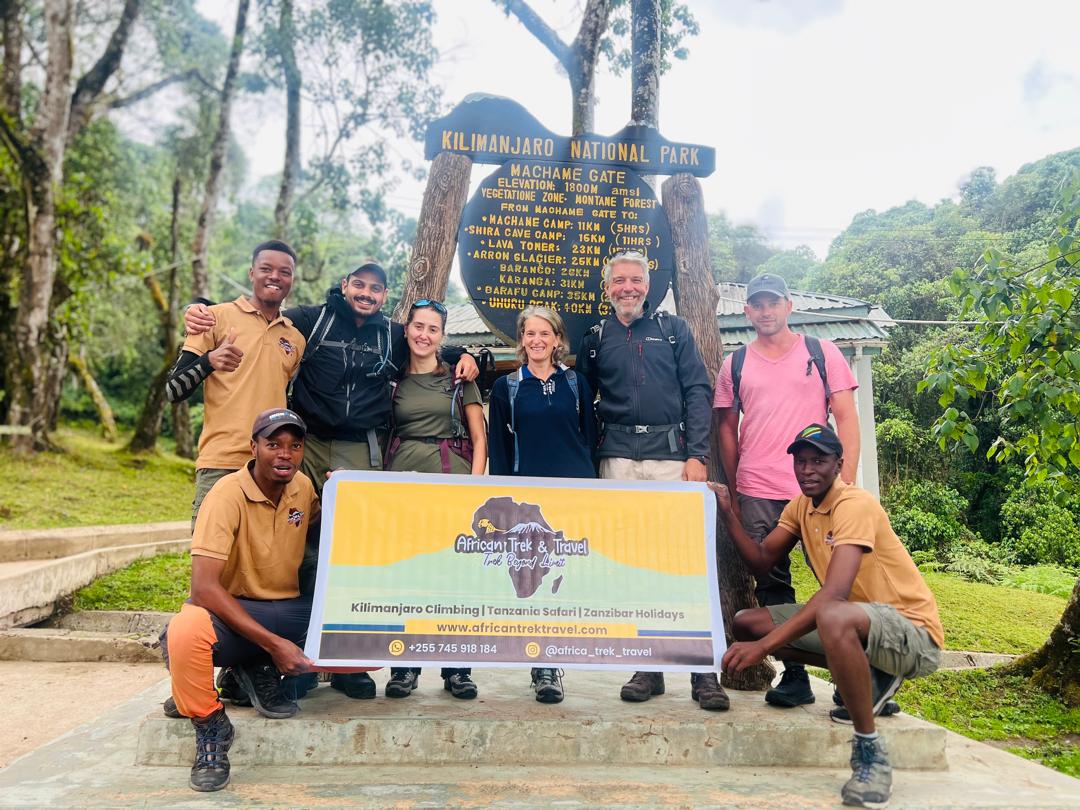
We collaborate with top tour operators to provide the best experiences for Kilimanjaro treks, safaris, and adventures.