Overland Travel in Tanzania Explained 2026–2027. Learn about buses, private vehicles, road conditions, travel times, and tips for safe land travel across Tanzania.
Overland Travel in Tanzania Explained 2026–2027 helps travelers understand how to move efficiently by road across one of East Africa’s largest and most diverse countries. Overland travel is a common and rewarding way to explore Tanzania, connecting cities, national parks, cultural regions, and coastal destinations.
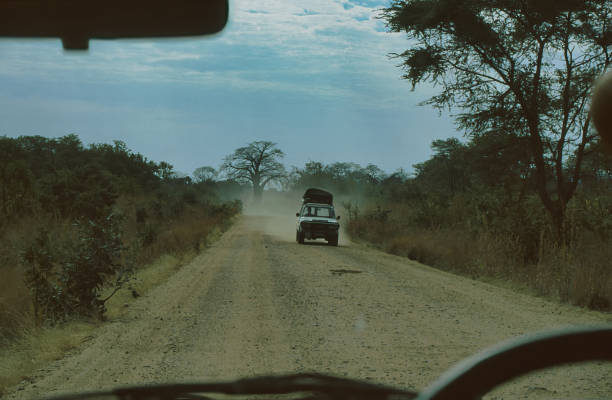
During Overland Travel in Tanzania Explained 2026–2027, travelers can choose from long-distance buses, private cars, safari vehicles, and shared transport depending on route and comfort needs. Major highways link cities such as Dar es Salaam, Arusha, Moshi, and Dodoma, while safari routes use well-maintained gravel roads leading to national parks. Travel times can be long due to distance, road conditions, and traffic, making early departures and realistic planning essential.
The Overland Travel in Tanzania Explained 2026–2027 guide also covers safety considerations, vehicle choices, and seasonal factors such as weather that affect road travel. Many visitors prefer private or guided overland travel for flexibility and comfort, especially when combining safaris and cultural tours. With good preparation, overland travel in Tanzania is safe, scenic, and an excellent way to experience the country’s landscapes and local life.
Overland travel in Tanzania explained clearly and practically is essential for travelers who want to experience the country beyond airports and short flights. Tanzania is one of Africa’s largest and most diverse countries, offering savannahs, mountains, lakes, forests, cities, villages, and remote wildlife areas. Traveling overland allows visitors to see the changing landscapes, interact with local communities, and understand the rhythm of daily life.
This guide explains overland travel in Tanzania in detail, covering transport types, road conditions, safety, costs, travel times, routes, and best practices. Whether you are a tourist, long-stay visitor, researcher, volunteer, or adventure traveler, understanding overland travel in Tanzania helps you move confidently and efficiently across the country.
Overland travel in Tanzania refers to traveling by road rather than by air. This includes buses, safari vehicles, private cars, shared minibuses, trucks, and specialized overland expedition vehicles. It is the most common way Tanzanians move within the country and a popular choice for travelers who want flexibility and cultural immersion.
Overland travel in Tanzania explained simply means experiencing the country step by step, passing through towns, landscapes, and regions that flights completely skip.
There are many reasons travelers choose overland travel in Tanzania. Cost is one factor, as road transport is often more affordable than domestic flights. Flexibility is another, allowing travelers to stop along the way, adjust routes, and visit lesser-known destinations.
Overland travel in Tanzania also provides access to remote areas where airports do not exist. National parks, rural villages, lakeshores, and mountain regions are best reached by road.
For many travelers, overland travel offers a deeper connection to Tanzania’s people, culture, and geography.
Understanding the different transport options is key to overland travel in Tanzania explained properly.
Long-distance buses connect major cities and towns across Tanzania. Routes include Dar es Salaam to Arusha, Mwanza, Mbeya, Moshi, Dodoma, and other regional centers.
Modern buses offer assigned seating, luggage compartments, and scheduled departures. They are affordable and widely used, but travel times can be long due to distance and road conditions.
Shared minibuses, often referred to locally as smaller regional transport, operate between towns and rural areas. They are flexible and frequent but less predictable in timing.
These vehicles are a core part of overland travel in Tanzania and are commonly used by locals. Travelers should expect crowded conditions and multiple stops.
Hiring a private vehicle with a driver is one of the most comfortable ways to experience overland travel in Tanzania. This option is popular with families, groups, photographers, researchers, and business travelers.
Drivers provide local knowledge, help navigate road conditions, and adapt routes based on weather and traffic. This option offers reliability and safety.
Self-drive overland travel in Tanzania is possible but requires preparation. Roads vary widely in quality, signage can be limited, and driving habits differ from many countries.
This option suits experienced drivers who want independence and are comfortable with long distances and changing road conditions.
Safari vehicles are a specialized form of overland travel in Tanzania, especially within national parks. These vehicles are designed for rough terrain and long distances and are operated by trained drivers.
Overland expeditions across Tanzania often use custom vehicles that combine transport, accommodation, and logistics.
Overland travel in Tanzania explained honestly must include road conditions. Major highways connecting cities are generally paved and in reasonable condition. Rural roads and routes to national parks can be rough, dusty, or muddy depending on the season.
Rainy seasons affect road quality, especially in remote areas. Travel times can increase significantly during heavy rains. Planning flexibility is essential for successful overland travel in Tanzania.
Several routes are commonly used for overland travel in Tanzania.
The northern circuit connects Arusha, Moshi, Serengeti, Ngorongoro, Tarangire, and Lake Manyara. This route is popular with safari travelers.
The southern route includes Dar es Salaam, Morogoro, Iringa, Ruaha, and Mbeya. It offers scenic landscapes and fewer crowds.
The western route connects Mwanza, Kigoma, Lake Tanganyika, and remote regions rarely visited by tourists.
Overland travel in Tanzania allows travelers to combine these routes based on interests and time.
Most national parks in Tanzania are accessed by road. Overland travel in Tanzania explained for wildlife travelers includes understanding park entry points, driving distances, and vehicle requirements.
Safari operators use 4x4 vehicles for park access. Self-drive travelers must ensure their vehicles are suitable for rough terrain and carry necessary supplies.
Travel times between parks can be long, but the journey itself often includes wildlife sightings and dramatic landscapes.
Safety is an important part of overland travel in Tanzania explained properly. Using licensed drivers, well-maintained vehicles, and reputable transport providers reduces risks.
Night travel is generally avoided on long-distance routes due to reduced visibility and livestock on roads. Daytime travel is safer and more predictable.
Keeping valuables secure, staying informed about routes, and following local advice enhance safety during overland journeys.
Overland travel in Tanzania is generally affordable, but costs vary by transport type.
Buses and shared transport are the cheapest options. Private vehicles and safari transport cost more but offer comfort and flexibility.
Fuel prices, park fees, and vehicle maintenance influence overall costs. Budgeting for contingencies is important for long journeys.
Tanzania is vast, and overland travel often involves long distances. Planning rest stops, accommodation, and meals is essential.
Breaking journeys into multiple days improves comfort and allows travelers to explore towns along the route. Overland travel in Tanzania becomes more enjoyable when treated as part of the experience rather than just a transfer.
One of the greatest advantages of overland travel in Tanzania is cultural exposure. Travelers pass through villages, markets, farms, and roadside communities.
Stopping at local restaurants, interacting with drivers, and observing daily life provide insights that flights cannot offer. Overland travel in Tanzania explained from a cultural perspective highlights its value beyond transportation.
Tanzania shares borders with several countries. Overland travel can include international routes to Kenya, Uganda, Rwanda, Burundi, Zambia, Malawi, and Mozambique.
Border crossings require proper documentation and patience. Transport providers experienced in cross-border travel simplify the process.
Overland travel has an environmental footprint, but responsible practices reduce impact. Choosing fuel-efficient vehicles, sharing transport, and supporting local services contribute to sustainability.
Responsible overland travel in Tanzania supports conservation efforts and local economies.
Challenges include delays, road conditions, and weather changes. Overland travel in Tanzania explained realistically includes flexibility and patience.
Planning buffer time, traveling during daylight, and staying informed about road conditions help avoid problems.
Overland travel suits travelers who value experience, flexibility, and discovery. It is ideal for safari travelers, photographers, long-stay visitors, researchers, and adventure seekers.
Those with limited time may combine overland travel with flights to balance efficiency and experience.
Overland travel in Tanzania explained fully reveals a country best experienced from the ground. Roads connect landscapes, cultures, and ecosystems in a way that no flight can replicate.
By understanding transport options, planning routes carefully, and embracing flexibility, travelers can enjoy safe, affordable, and meaningful journeys across Tanzania.
Overland travel in Tanzania is not just about reaching a destination—it is about experiencing the journey itself, discovering hidden places, and connecting with the heart of the country along the way.
African Trek & Travel is a leading Tanzania tour operator in Moshi and Arusha for 2026–2027, specializing in Kilimanjaro treks, safaris, and tailor-made adventures. With deep local expertise and a strong commitment to safety and quality, we deliver unforgettable travel experiences across East Africa.
Discover popular Safaris, Serengeti Migration, Kilimanjaro Climbing & Zanzibar Beach Holidays. Plan your perfect adventure today!
 Popular
Experience the wildebeest migration across the vast Serengeti and Ngorongoro plains. Perfect for wildlife lovers and photography enthusiasts.
Book Now New
New
Climb Africa’s highest peak via scenic routes with expert guides and safe treks. Experience adventure with full support and accommodation included.
Book Now Popular
Relax in paradise with pristine white beaches, spice tours, and cultural charm. Ideal for families and honeymooners seeking luxury and tranquility.
Book Now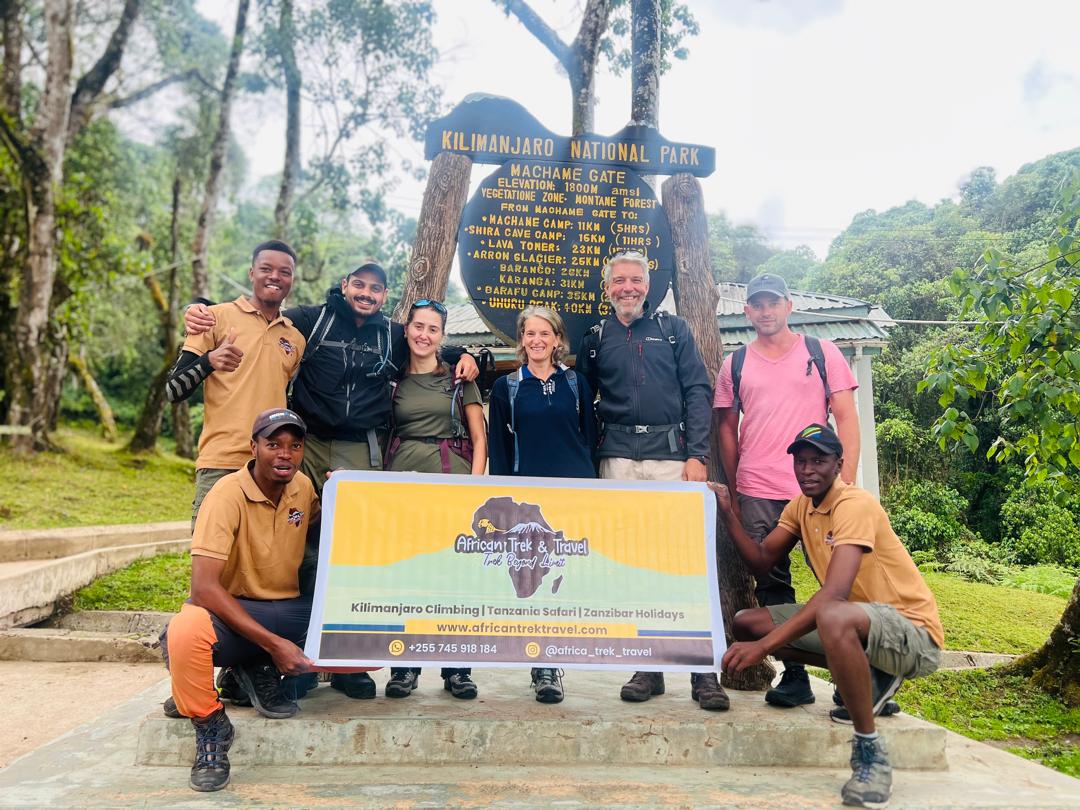
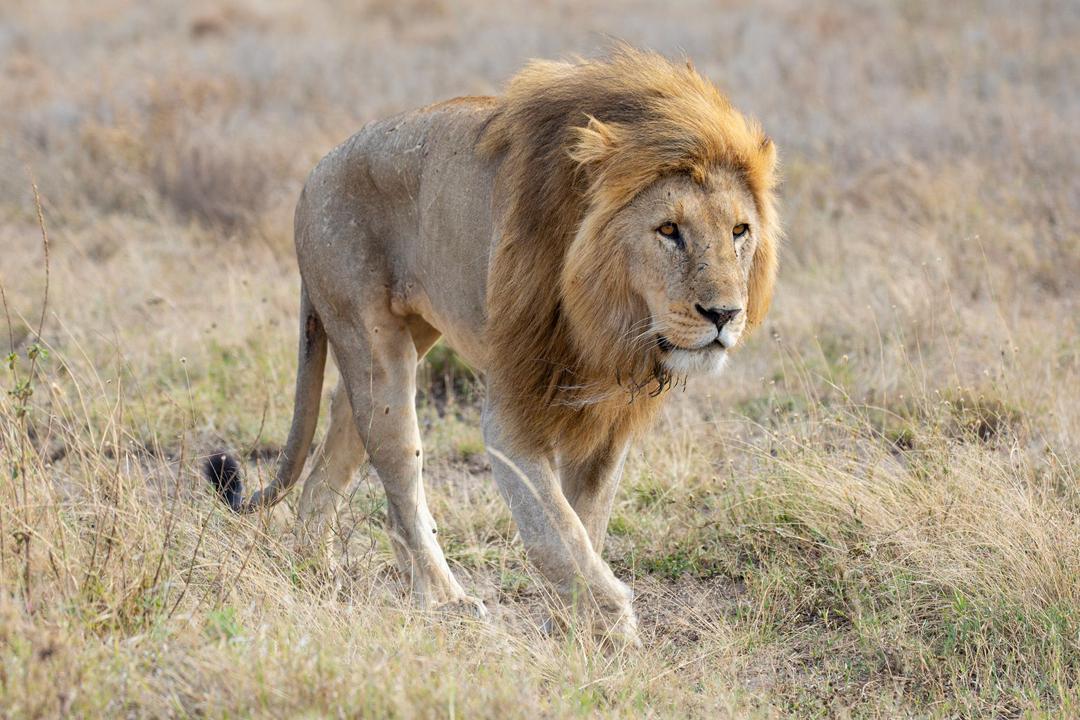
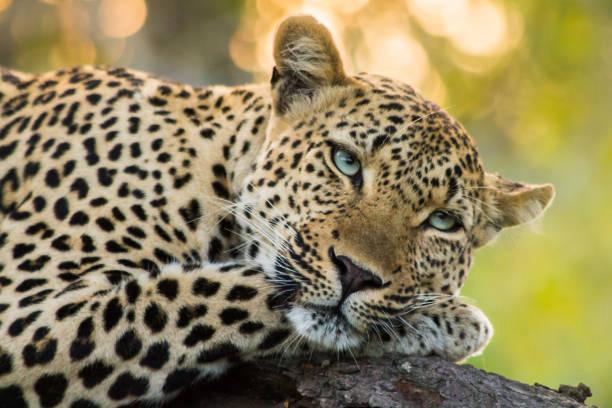
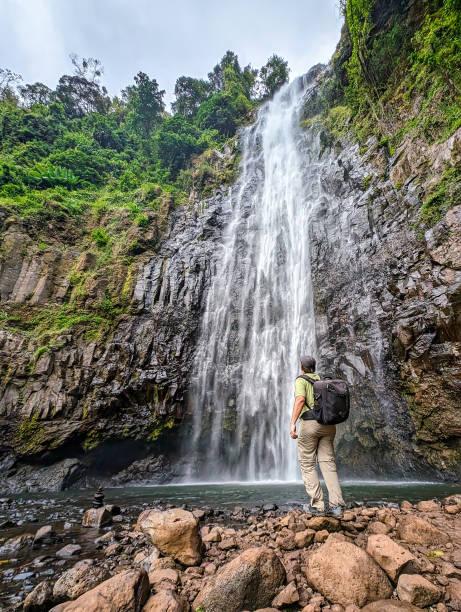
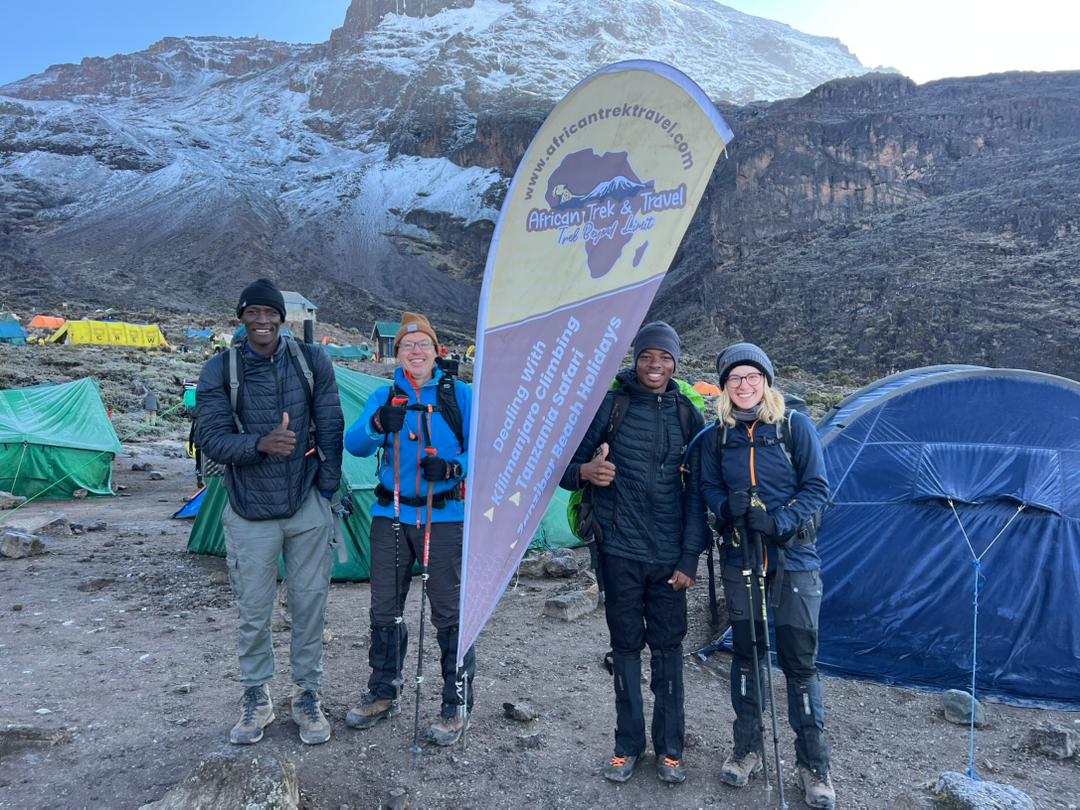
We collaborate with top tour operators to provide the best experiences for Kilimanjaro treks, safaris, and adventures.