Overland Travel Safety in East Africa – A Complete Guide for Confident and Secure Journeys
Overland travel safety in East Africa is one of the most important concerns for travelers planning to move across the region by road. East Africa offers extraordinary landscapes, world-famous wildlife, vibrant cultures, and unforgettable adventures, but traveling overland also requires awareness, preparation, and smart decision-making. Roads cross remote areas, international borders, rural communities, and busy cities, making safety a critical part of every journey.
This comprehensive guide explains overland travel safety in East Africa in detail. It covers personal safety, road conditions, border crossings, transport choices, health considerations, weather, communication, documentation, and practical safety strategies. Whether you are a safari traveler, backpacker, long-stay visitor, volunteer, or overland explorer, understanding overland travel safety in East Africa will help you travel confidently and responsibly.
Why Overland Travel Safety in East Africa Matters
Overland travel is one of the most rewarding ways to experience East Africa. It allows travelers to see landscapes change gradually, interact with local communities, and access destinations beyond major airports. However, overland travel safety in East Africa matters because distances are long, infrastructure varies, and conditions can change quickly.
Many safety issues can be avoided with good planning, realistic expectations, and situational awareness. Understanding risks does not mean avoiding overland travel; it means traveling smartly and responsibly.
Overland travel safety in East Africa is about prevention, not fear.
Understanding the Overland Travel Environment in East Africa
East Africa includes countries such as Tanzania, Kenya, Uganda, Rwanda, Burundi, Ethiopia, South Sudan, and parts of neighboring regions. Overland routes range from modern highways to remote dirt roads.
Overland travel safety in East Africa depends on understanding:
-
Road quality differences
-
Urban versus rural environments
-
Border region dynamics
-
Seasonal weather patterns
Travelers who understand the environment are better equipped to make safe decisions.
Choosing Safe Transport for Overland Travel
Transport choice plays a major role in overland travel safety in East Africa.
Buses and Coaches
Long-distance buses are widely used and generally safe when operated by reputable companies. However, safety varies by operator.
For safer bus travel:
-
Choose well-known companies
-
Avoid overcrowded vehicles
-
Prefer daytime travel
Night buses increase risks related to fatigue and visibility.
Shuttle Services and Minivans
Shuttle services are common on popular routes and often safer than large buses due to better maintenance and fewer passengers.
They are a good balance between cost and safety.
Private Vehicles with Drivers
Private vehicles with experienced drivers are among the safest options for overland travel safety in East Africa. Drivers understand local roads, traffic behavior, and border procedures.
This option is ideal for families, safari travelers, photographers, and business visitors.
Self-Drive Overland Travel
Self-drive travel requires the highest level of preparation. Drivers must understand road rules, signage, fuel availability, and border documentation.
Overland travel safety in East Africa for self-drive travelers depends on experience, planning, and caution.
Road Safety and Driving Conditions
Road safety is a major component of overland travel safety in East Africa.
Road Quality
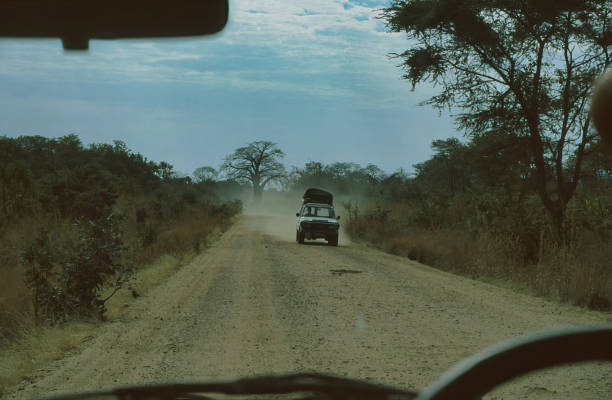
Main highways are generally paved, but rural roads can be rough, dusty, or muddy. Unexpected potholes, livestock, and pedestrians are common.
Drivers should maintain moderate speeds and avoid night driving.
Traffic Behavior
Driving styles vary across countries. Defensive driving is essential.
Overtaking, speeding, and limited enforcement can increase risk. Awareness and patience improve safety.
Night Driving Risks
Night driving significantly reduces overland travel safety in East Africa. Risks include:
-
Poor visibility
-
Livestock on roads
-
Fatigued drivers
-
Increased accident rates
Traveling during daylight hours is strongly recommended.
Border Crossing Safety for Overland Travelers
Borders are a critical part of overland travel safety in East Africa.
Choosing Official Border Crossings
Always use official border posts. Avoid informal crossings or shortcuts.
Official borders have immigration, customs, and security presence.
Timing Border Crossings
Arrive at borders early in the day. Late crossings increase risk due to reduced staffing and limited onward transport.
Overland travel safety in East Africa improves when borders are crossed during daylight hours.
Personal Awareness at Borders
Borders can be crowded and chaotic. Travelers should:
-
Keep documents secure
-
Avoid displaying valuables
-
Ignore unofficial “helpers”
Staying alert reduces risks.
Personal Safety During Overland Travel
Personal safety is central to overland travel safety in East Africa.
Awareness and Behavior
Travelers should remain aware of their surroundings and avoid drawing unnecessary attention.
Simple, respectful behavior reduces risk and builds positive interactions.
Handling Money and Valuables
Carry limited cash and use secure bags.
Avoid counting money publicly. Use ATMs when available.
Overland travel safety in East Africa improves when valuables are kept discreet.
Solo Travel Safety
Solo travelers should plan routes carefully and avoid risky situations.
Sharing itineraries with trusted contacts adds an extra layer of safety.
Luggage Safety for Overland Travelers
Luggage management is part of overland travel safety in East Africa.
Use:
-
Lockable bags
-
Minimal luggage
-
Separate bags for valuables
Never leave luggage unattended during border stops or breaks.
Health and Medical Safety
Health is a critical aspect of overland travel safety in East Africa.
Medical Preparation
Carry a basic medical kit with personal medications.
Travel insurance covering medical evacuation is strongly recommended.
Access to Healthcare
Healthcare access varies by region. Remote areas may lack facilities.
Understanding this helps travelers plan routes and respond calmly in emergencies.
Food and Water Safety
Drink bottled or treated water.
Eat at reputable establishments and avoid risky street food when traveling long distances.
Weather and Seasonal Safety Considerations
Weather affects overland travel safety in East Africa.
Rainy Seasons
Heavy rains can cause flooding, road damage, and delays.
Travelers should monitor weather forecasts and avoid risky routes during peak rains.
Dry Seasons
Dry seasons offer better road conditions but may increase dust and heat exposure.
Hydration and vehicle maintenance are important.
Communication and Navigation Safety
Reliable communication improves overland travel safety in East Africa.
Carry:
-
Local SIM cards
-
Offline maps
-
Emergency contact numbers
Inform someone of your route and expected arrival.
Cultural Awareness and Safety
Respecting local customs enhances safety.
Cultural misunderstandings can escalate situations unnecessarily.
Learning basic greetings and customs improves interactions.
Overland Travel Safety for Safari Travelers
Safari travelers often move between parks over long distances.
Safety considerations include:
-
Following guide instructions
-
Staying inside vehicles in wildlife areas
-
Avoiding night travel
Professional safari operators prioritize safety.
Overland Travel Safety for Backpackers
Backpackers often use public transport and shared accommodation.
Flexibility is important, but safety should not be compromised.
Choosing reputable transport and accommodation improves overland travel safety in East Africa.
Overland Travel Safety for Families
Families should prioritize comfort and reliability.
Private transport and pre-arranged accommodation reduce risks.
Children should remain supervised at all times during travel.
Overland Travel Safety in Urban Areas
Cities present different risks than rural areas.
Traffic congestion, petty crime, and confusion are more common.
Avoid displaying valuables and use reputable transport services.
Emergency Preparedness for Overland Travelers
Preparedness improves outcomes.
Travelers should:
-
Know emergency numbers
-
Carry copies of documents
-
Understand basic first aid
Preparation builds confidence.
Common Safety Mistakes Overland Travelers Make
Common mistakes include:
-
Rushing schedules
-
Driving at night
-
Ignoring local advice
-
Overpacking
-
Underestimating distances
Avoiding these mistakes improves overland travel safety in East Africa.
Role of Local Knowledge and Guides
Local drivers and guides greatly enhance safety.
They understand road conditions, local dynamics, and border procedures.
Using local expertise is one of the best safety strategies.
Overland Travel Safety and Border Regions
Border regions may have increased security presence.
Follow instructions from officials and avoid photography in sensitive areas.
Compliance ensures smooth passage.
Staying Calm in Challenging Situations
Delays, roadblocks, and breakdowns happen.
Remaining calm and respectful helps resolve issues faster.
Overland travel safety in East Africa includes emotional and mental preparedness.
Technology and Safety
Technology supports safety when used wisely.
GPS, messaging apps, and travel alerts provide valuable information.
Avoid relying on technology alone; local advice remains crucial.
Sustainable and Responsible Overland Travel
Responsible travel supports safer environments.
Respect communities, follow regulations, and minimize environmental impact.
Overland travel safety in East Africa improves when tourism benefits local people.
Long-Distance Overland Journeys
Long journeys require extra planning.
Regular rest, vehicle checks, and flexible schedules reduce fatigue and risk.
Overland travel safety in East Africa depends on pacing and realism.
Final Thoughts on Overland Travel Safety in East Africa
Overland travel safety in East Africa is not about avoiding adventure—it is about embracing it responsibly. With proper planning, smart transport choices, cultural awareness, and situational awareness, overland travel can be safe, enriching, and deeply rewarding.
East Africa welcomes travelers from around the world, and millions move across the region safely every year. Those who understand overland travel safety in East Africa gain the confidence to explore beyond the obvious, connect with communities, and experience the region at a meaningful pace.
When safety is treated as a foundation rather than an afterthought, overland travel becomes not only secure but unforgettable—turning roads into journeys and destinations into stories worth remembering.