Predator Tracking Safari Experiences: Following Africa’s Apex Hunters With Skill, Patience, and Respect
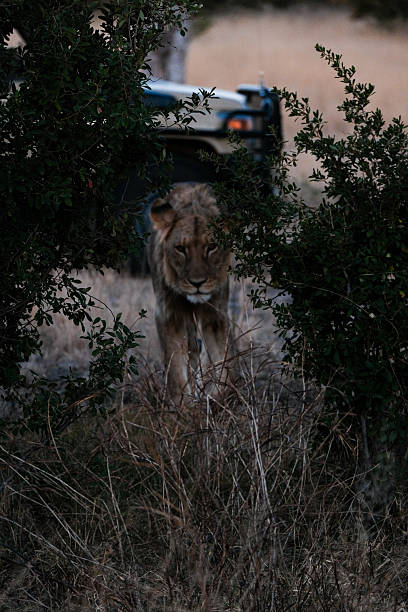
Predator Tracking Safari Experiences offer one of the most intense and educational ways to explore Africa’s wildlife. These safaris focus on understanding, locating, and observing apex predators by reading the landscape, interpreting signs, and following natural behavior rather than relying on chance encounters. Predator Tracking Safari Experiences are about knowledge, patience, and respect—learning how predators move, hunt, rest, and interact within complex ecosystems.
Unlike general wildlife safaris, Predator Tracking Safari Experiences prioritize process over spectacle. The journey of tracking—footprints in the sand, alarm calls from prey, changes in wind direction—becomes as meaningful as the sighting itself.
What Defines Predator Tracking Safari Experiences
Predator Tracking Safari Experiences are specialized wildlife journeys designed around tracking skills and behavioral understanding. They are led by highly experienced guides trained in animal behavior, spoor identification, and ecological interpretation.
Key characteristics of Predator Tracking Safari Experiences include:
-
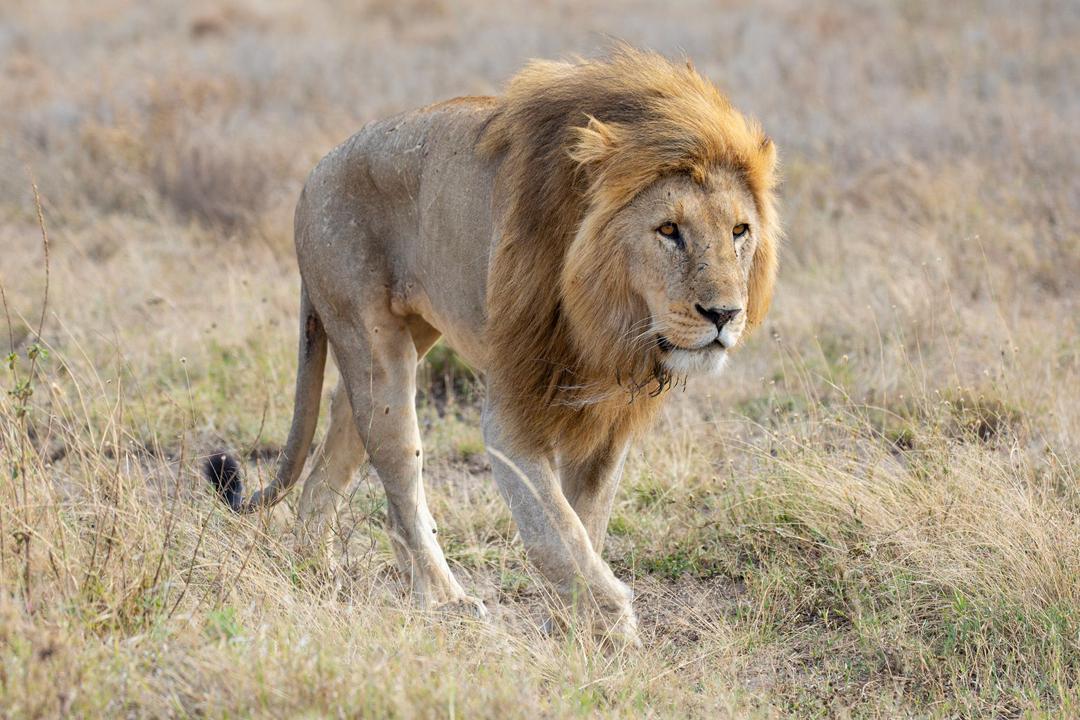
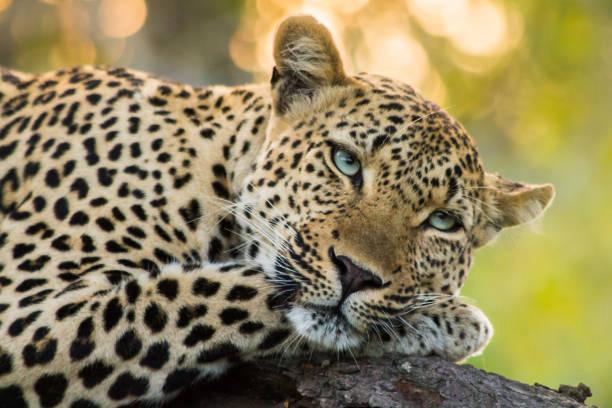
Focus on apex predators such as lions, leopards, cheetahs, and hyenas
-
Skilled tracking using natural signs rather than radio calls alone
-
Small group sizes for flexibility and learning
-
Extended observation of predator behavior
-
Ethical, non-intrusive wildlife viewing
These safaris value understanding predators as ecological forces, not just dramatic subjects.
Why Predator Tracking Safari Experiences Are So Unique
Predator Tracking Safari Experiences stand apart because they emphasize how wildlife is found, not just where it appears. Tracking reveals the invisible story behind every sighting.
Travelers choose Predator Tracking Safari Experiences because they:
-
Want deeper understanding of predator behavior
-
Enjoy learning tracking and interpretation skills
-
Prefer active, knowledge-based safaris
-
Value patience and authenticity over guaranteed sightings
These safaris transform wildlife viewing into an investigative journey.
Predator Tracking Safari Experiences in East Africa
East Africa is one of the world’s premier regions for Predator Tracking Safari Experiences due to its open landscapes, high predator densities, and strong guiding traditions.
Predator Tracking Safari Experiences in Tanzania
Tanzania offers outstanding Predator Tracking Safari Experiences across vast open plains and seasonal ecosystems. The scale of the landscape allows predators to move naturally, making tracking both challenging and rewarding.
Predator Tracking Safari Experiences in Tanzania emphasize reading terrain, prey movement, and environmental conditions to locate predators responsibly.
Predator Tracking Safari Experiences in Kenya
Kenya has a long tradition of expert tracking and guiding. Predator Tracking Safari Experiences here often focus on interpreting subtle signs in varied terrain, from open plains to bushland.
These experiences highlight the relationship between predators, prey, and landscape.
Understanding Predator Behavior During Tracking Safaris
A central element of Predator Tracking Safari Experiences is learning how predators behave. Tracking is guided by understanding routines rather than chance.
Key behavioral aspects include:
-
Hunting patterns and timing
-
Resting and territorial behavior
-
Social structures and communication
-
Interaction with prey species
Understanding behavior increases the chance of meaningful sightings while maintaining ethical distance.
Tracking Techniques Used in Predator Tracking Safari Experiences
Tracking is a skill developed through experience and observation. Predator Tracking Safari Experiences introduce travelers to fundamental techniques.
Common tracking elements include:
-
Identifying footprints and spoor
-
Reading direction and freshness of tracks
-
Interpreting prey alarm calls
-
Observing wind direction and terrain
-
Understanding water and shade usage
These techniques turn the landscape into a living map.
Landscapes That Shape Predator Tracking Safari Experiences
Landscape plays a crucial role in predator tracking. Predator Tracking Safari Experiences are planned around environments where tracking is both possible and ethical.
Open Savannahs
Open savannahs are ideal for Predator Tracking Safari Experiences due to visibility and track clarity. Soft ground reveals footprints, and open space allows safe observation.
Riverine Areas and Water Sources
Predators often use rivers and water sources strategically. Tracking in these areas reveals patterns related to hunting and movement.
Woodlands and Bush Zones
Wooded areas make tracking more challenging and require heightened awareness. Predator Tracking Safari Experiences here emphasize listening, patience, and guide expertise.
Wildlife Beyond Predators
While predators are the focus, Predator Tracking Safari Experiences also deepen understanding of prey species and ecosystem balance.
Observing antelope behavior, bird alarm calls, and grazing patterns provides essential clues. These interactions demonstrate how entire ecosystems respond to predator presence.
Tracking teaches that predators are part of a larger ecological conversation.
The Role of Expert Guides in Predator Tracking Safari Experiences
Guides are the foundation of Predator Tracking Safari Experiences. Their experience ensures safety, ethics, and meaningful interpretation.
Professional guides:
-
Read subtle signs and behavior
-
Decide when to follow or stop tracking
-
Ensure respectful distances
-
Explain ecological context clearly
Without expert guidance, true predator tracking would not be possible.
Ethical Standards in Predator Tracking Safari Experiences
Ethics are central to Predator Tracking Safari Experiences. Predators are sensitive to disturbance, especially during hunting or resting.
Responsible practices include:
-
Avoiding pressure on animals
-
Maintaining safe and respectful distances
-
Never blocking movement paths
-
Allowing predators to dictate the encounter
Ethical tracking protects both wildlife and the integrity of the experience.
Safety Considerations in Predator Tracking Safari Experiences
Safety is always a priority. Predator Tracking Safari Experiences follow strict protocols to minimize risk.
Safety measures include:
-
Constant situational awareness
-
Clear communication within the group
-
Understanding escape routes and animal signals
-
Adhering to guide instructions at all times
Respect for predators ensures safe coexistence.
Predator Tracking Safari Experiences and Conservation
Predator Tracking Safari Experiences support conservation by promoting understanding and respect for apex species.
Predators play a critical role in maintaining healthy ecosystems. These safaris help travelers appreciate:
-
The importance of predators in population control
-
Challenges predators face from habitat loss
-
The need for protected corridors and coexistence
Informed appreciation leads to stronger conservation support.
Community Involvement in Predator Tracking Safari Experiences
Local communities often contribute to Predator Tracking Safari Experiences through guiding, conservation partnerships, and traditional knowledge.
Community involvement:
-
Provides employment
-
Encourages wildlife protection
-
Preserves tracking skills and knowledge
When communities benefit, predator conservation becomes sustainable.
Photography During Predator Tracking Safari Experiences
Photography on Predator Tracking Safari Experiences emphasizes storytelling rather than close-up action.
Photographers capture:
-
Movement through landscapes
-
Behavior over time
-
Environmental context
-
Interaction between predator and prey
Ethical photography prioritizes animal welfare over dramatic imagery.
Predator Tracking Safari Experiences and Slow Safari Travel
Predator Tracking Safari Experiences align closely with slow travel values. Tracking cannot be rushed.
Waiting, observing, and interpreting are essential. Some days end with long tracking efforts and quiet conclusions, while others deliver remarkable encounters.
Patience enhances understanding and reward.
Who Predator Tracking Safari Experiences Are Best For
Predator Tracking Safari Experiences are ideal for travelers who:
-
Enjoy learning and interpretation
-
Are patient and observant
-
Prefer depth over guarantees
-
Value ethical wildlife encounters
-
Want to understand ecosystems
They may not suit travelers seeking fast-paced or checklist-style safaris.
Choosing the Right Predator Tracking Safari Experiences
Selecting the right Predator Tracking Safari Experiences depends on:
-
Guide expertise
-
Ethical standards
-
Group size
-
Landscape type
-
Conservation focus
Well-designed experiences balance excitement with responsibility.
Common Misconceptions About Predator Tracking Safari Experiences
Some travelers expect constant action during Predator Tracking Safari Experiences. In reality, tracking involves effort, patience, and uncertainty.
Another misconception is that tracking disturbs wildlife. When done properly, tracking is respectful and minimally intrusive.
Understanding the process improves appreciation.
The Future of Predator Tracking Safari Experiences
As interest grows in meaningful and educational wildlife travel, Predator Tracking Safari Experiences are becoming increasingly valued.
These safaris promote conservation awareness, traditional skills, and ethical tourism practices.
Their future lies in responsible guiding and ecosystem protection.
Why Predator Tracking Safari Experiences Truly Matter
Predator Tracking Safari Experiences reveal the intelligence, adaptability, and ecological importance of Africa’s apex hunters.
They replace fear and myth with understanding and respect.
Predator Tracking Safari Experiences as Transformational Journeys
For many travelers, Predator Tracking Safari Experiences are transformative. Learning to read the land and follow invisible stories reshapes perception of wildlife.
These journeys foster humility, patience, and deep respect for nature.
Final Reflections on Predator Tracking Safari Experiences
Predator Tracking Safari Experiences offer one of the most rewarding ways to engage with Africa’s wildlife. By focusing on knowledge, ethics, and observation, they create encounters rooted in understanding rather than chance.
Choosing Predator Tracking Safari Experiences means choosing curiosity over certainty, respect over intrusion, and learning over spectacle. When guided responsibly, these safaris honor Africa’s apex predators and the ecosystems they sustain—allowing travelers to follow nature’s most skilled hunters not as pursuers, but as respectful observers within a living, breathing landscape.