Experience Responsible Cultural Tourism Journeys in 2026–2027. Explore local heritage, traditions, and communities while supporting sustainable and ethical tourism practices.
Responsible Cultural Tourism Journeys 2026–2027 is perfect for travelers who want to immerse themselves in culture while promoting sustainable and ethical tourism. This journey focuses on visiting heritage sites, engaging with local communities, and participating in responsible cultural activities.
During Responsible Cultural Tourism Journeys 2026–2027, guests explore historic towns, cultural centers, and community projects guided by knowledgeable cultural guides. Highlights include interacting with local artisans, attending traditional ceremonies, and participating in workshops that promote community development. Optional experiences may include volunteering activities, attending festivals, and cultural storytelling sessions.
Responsible Cultural Tourism Journeys 2026–2027 includes comfortable accommodation, daily breakfast, private transfers, guided cultural tours, and all logistics for responsible tourism activities. Ideal for solo travelers, families, or small groups interested in sustainable cultural travel, this package offers an engaging, educational, and unforgettable experience while supporting local communities.

Responsible cultural tourism journeys allow travelers to experience local heritage, traditions, and communities in ways that respect culture, environment, and society. Unlike conventional tourism, responsible cultural tourism emphasizes ethical engagement, sustainable practices, and meaningful interaction with local communities.
Through responsible cultural tourism journeys, travelers can explore historic sites, participate in cultural workshops, attend festivals, and engage with artisans while minimizing negative impacts on the environment and society. These journeys appeal to travelers seeking immersive experiences that prioritize sustainability and ethical practices.
Travelers are increasingly choosing responsible cultural tourism journeys for several reasons:
Ethical Engagement: Interact with communities while respecting their customs, traditions, and values.
Sustainable Travel: Minimize environmental impacts through eco-friendly practices and responsible sightseeing.
Meaningful Experiences: Gain authentic insights into local heritage, crafts, and lifestyles.
Support Local Economies: Contribute to community livelihoods through responsible tourism activities.
Responsible cultural tourism journeys ensure that travel benefits both the traveler and the communities visited.
Community-focused responsible cultural tourism journeys involve:
Visiting villages or neighborhoods where travelers learn about local customs, crafts, and daily life
Participating in workshops, storytelling sessions, or artisan activities that support local livelihoods
Engaging with community projects or educational initiatives to create meaningful impact
These journeys foster authentic cultural exchange while benefiting local residents.
Heritage-oriented responsible cultural tourism journeys include:
Visiting historical towns, monuments, and museums while respecting cultural protocols
Guided tours that emphasize the significance of sites and responsible behavior
Educational workshops that teach travelers about heritage preservation and conservation
These journeys allow travelers to appreciate history responsibly while contributing to preservation efforts.
Responsible cultural tourism can revolve around local festivals and events:
Attending ceremonies, performances, or celebrations while following local etiquette
Learning about rituals, art, and traditions directly from community members
Participating in hands-on festival activities that respect cultural norms
Festival-based responsible cultural tourism ensures cultural experiences are immersive and ethically conducted.
Food-focused responsible cultural tourism journeys involve:
Visiting local markets, culinary workshops, and traditional food centers
Learning about sustainable cooking practices and sourcing local ingredients responsibly
Participating in tastings and cooking classes that respect local customs
Culinary responsible cultural tourism combines learning, sustainability, and cultural immersion.
Art-focused responsible cultural tourism journeys allow travelers to:
Observe or participate in traditional arts, music, and crafts in ethical settings
Engage with artisans while respecting cultural intellectual property and creative rights
Support local art initiatives through purchases or workshops that benefit communities
These journeys highlight creativity while emphasizing ethical cultural engagement.
Successful responsible cultural tourism journeys include several key components:
Respect local customs, traditions, and spiritual sites during all cultural activities.
Minimize environmental impact through eco-friendly transportation, accommodations, and resource use.
Ensure that tourism supports local livelihoods, projects, and social initiatives.
Prioritize genuine interaction with local communities over commercialized or superficial encounters.
Work with guides trained in responsible tourism, culture, and environmental conservation.
To maximize responsible cultural tourism journeys, travelers should consider:
Destination Research: Choose destinations with established responsible tourism practices and community-based initiatives.
Timing and Season: Travel during festivals or cultural events that welcome responsible participation.
Accommodation and Transport: Opt for eco-lodges, homestays, or local hotels that follow sustainable practices.
Engagement Preparation: Learn about local customs, etiquette, and expectations before visiting communities.
Participation in Ethical Activities: Prioritize workshops, guided tours, and experiences that directly benefit communities and heritage preservation.
Effective planning ensures responsible cultural tourism journeys are immersive, ethical, and impactful.
Participating in responsible cultural tourism journeys provides multiple benefits:
Travelers gain authentic insights into traditions, history, and lifestyle while respecting local norms.
Responsible practices ensure minimal ecological impact and positive contributions to communities.
Immersive experiences foster empathy, cultural awareness, and social consciousness.
Responsible cultural tourism offers meaningful memories that prioritize ethics, sustainability, and authenticity.
Responsible cultural tourism journeys can be undertaken worldwide, particularly in regions emphasizing sustainability and community engagement:
Africa: Maasai villages in Kenya, Tanzania’s rural communities, and heritage sites in Morocco.
Asia: Traditional villages, temples, and markets in Japan, Nepal, and Sri Lanka.
Europe: Historic towns, cultural festivals, and artisan workshops in Italy, France, and Spain.
Americas: Indigenous communities, heritage trails, and cultural events in Mexico, Peru, and Brazil.
Each destination offers opportunities to engage meaningfully while practicing responsible tourism.
To fully benefit from responsible cultural tourism journeys:
Engage Respectfully: Listen, observe, and participate in cultural activities with care and humility.
Support Local Communities: Purchase locally-made crafts, participate in community workshops, and support eco-friendly businesses.
Minimize Environmental Impact: Use sustainable transport, reduce waste, and follow conservation guidelines.
Document Responsibly: Take photos respectfully and avoid exploiting cultural or sacred moments.
Educate Yourself: Learn about the history, values, and context of the communities and sites visited.
Responsible cultural tourism journeys can educate and inspire children while creating meaningful family experiences.
Solo travelers benefit from immersive, ethical experiences that promote personal growth and cultural understanding.
Combining cultural exploration with outdoor activities, workshops, or festivals creates enriching experiences.
Travelers passionate about sustainability and ethics can engage in meaningful cultural exchange while respecting communities.
Storytelling and community involvement are central to responsible cultural tourism journeys:
Oral Histories: Learn local legends, folklore, and traditional knowledge from elders.
Arts, Crafts, and Music: Participate in creative activities while respecting cultural rights.
Community Participation: Engage in village life, festivals, and local projects with ethical guidance.
Cultural and Environmental Awareness: Understand how heritage, ecology, and traditions are interwoven in the local context.
This combination ensures responsible cultural tourism journeys are immersive, ethical, and transformative.
While responsible cultural tourism journeys are rewarding, travelers should consider:
Logistics: Ensure accommodation, transport, and activities align with responsible tourism standards.
Cultural Sensitivity: Respect sacred sites, rituals, and local customs at all times.
Sustainability: Choose experiences that minimize environmental and social impact.
Safety and Preparedness: Plan with safety, health, and weather considerations in mind.
Community Engagement: Prioritize experiences that genuinely benefit local communities.
Proper preparation ensures meaningful, safe, and ethical responsible cultural tourism journeys.
Responsible cultural tourism journeys are evolving with trends in sustainability, community empowerment, and immersive travel:
Community-Led Experiences: Local residents guide tourists, ensuring authenticity and benefit for communities.
Eco-Friendly Practices: Sustainable accommodations, transport, and resource management are increasingly prioritized.
Digital Tools for Responsible Travel: Apps, guides, and virtual resources help travelers engage ethically and learn responsibly.
Integrated Learning: Combining heritage, arts, culinary experiences, and conservation fosters holistic understanding.
These developments ensure responsible cultural tourism journeys continue to be meaningful, ethical, and enriching.
Responsible cultural tourism journeys offer travelers a unique opportunity to experience culture, heritage, and community life ethically and sustainably. By participating in village visits, festivals, workshops, and heritage exploration, travelers gain authentic knowledge, personal enrichment, and lasting memories.
For families, solo travelers, cultural enthusiasts, and socially conscious explorers, responsible cultural tourism journeys provide immersive, ethical, and transformative travel experiences. By engaging respectfully, supporting communities, and prioritizing sustainability, travelers can enjoy journeys that celebrate heritage, environment, and humanity.
African Trek & Travel is a leading Tanzania tour operator in Moshi and Arusha for 2026–2027, specializing in Kilimanjaro treks, safaris, and tailor-made adventures. With deep local expertise and a strong commitment to safety and quality, we deliver unforgettable travel experiences across East Africa.
Discover popular Safaris, Serengeti Migration, Kilimanjaro Climbing & Zanzibar Beach Holidays. Plan your perfect adventure today!
 Popular
Experience the wildebeest migration across the vast Serengeti and Ngorongoro plains. Perfect for wildlife lovers and photography enthusiasts.
Book Now New
New
Climb Africa’s highest peak via scenic routes with expert guides and safe treks. Experience adventure with full support and accommodation included.
Book Now Popular
Relax in paradise with pristine white beaches, spice tours, and cultural charm. Ideal for families and honeymooners seeking luxury and tranquility.
Book Now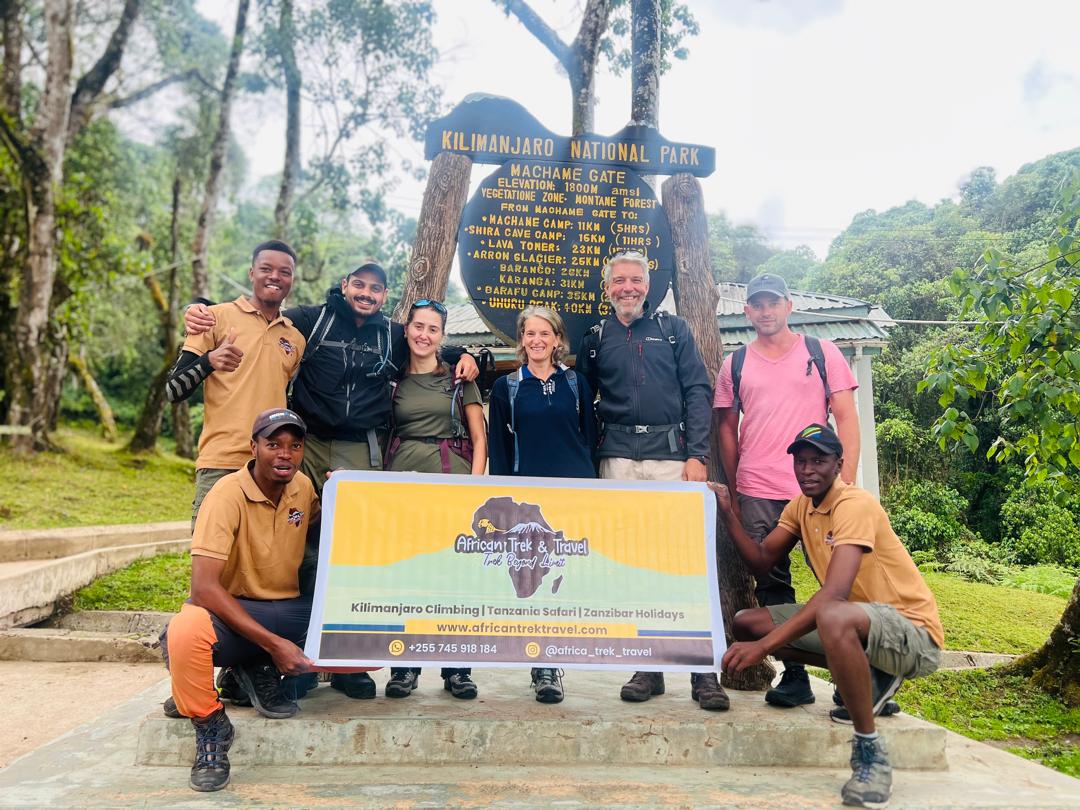




We collaborate with top tour operators to provide the best experiences for Kilimanjaro treks, safaris, and adventures.