Learn about Responsible Safari Tourism in 2026–2027. Discover how to enjoy East Africa safaris sustainably while protecting wildlife, supporting local communities, and preserving natural habitats.
Responsible Safari Tourism 2026–2027 focuses on sustainable travel practices that ensure East Africa’s wildlife and natural environments are preserved for future generations. By choosing responsible tourism, travelers can enjoy unforgettable safaris while minimizing their ecological and social impact.
During Responsible Safari Tourism 2026–2027, visitors are encouraged to follow park rules, maintain safe distances from wildlife, and avoid disturbing animals or their habitats. Guided game drives with trained professionals help ensure wildlife is observed respectfully and safely.
Responsible Safari Tourism 2026–2027 also includes supporting local communities through cultural visits, purchasing locally made crafts, and engaging in experiences that directly benefit Maasai, Samburu, and other indigenous groups. Travelers are encouraged to respect local customs and traditions, contributing to community development and cultural preservation.
Other key aspects of Responsible Safari Tourism 2026–2027 include reducing waste, using eco-friendly accommodations, conserving water and energy, and choosing tour operators committed to sustainable practices. Avoiding single-use plastics and leaving no trace in natural areas helps protect fragile ecosystems.
By practicing Responsible Safari Tourism 2026–2027, travelers can enjoy rich wildlife encounters, breathtaking landscapes, and cultural experiences, all while actively contributing to conservation and the well-being of local communities, ensuring East Africa remains a premier safari destination for generations to come.
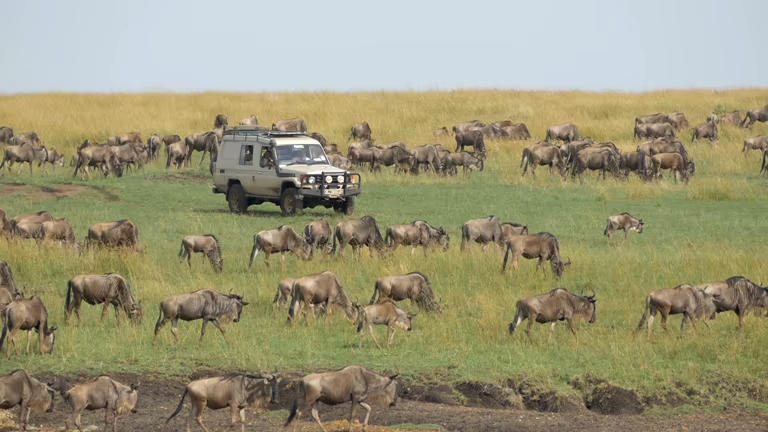
Embracing responsible safari tourism ensures travelers enjoy unforgettable wildlife experiences while protecting Africa’s natural ecosystems and local communities. Safaris offer close encounters with majestic animals and vibrant landscapes, but tourism can have both positive and negative impacts if not managed sustainably.
This guide explores all aspects of responsible safari tourism, including environmental conservation, ethical wildlife interactions, community engagement, and practical travel tips for eco-conscious travelers.
Understanding responsible safari tourism is essential because:
Wildlife habitats are fragile and can be damaged by unregulated tourism.
Ethical practices reduce stress and danger to animals.
Local communities benefit economically when tourism is managed responsibly.
Sustainable tourism preserves natural resources for future generations.
Incorporating responsible practices ensures that safaris remain safe, ethical, and environmentally sustainable.
A cornerstone of responsible safari tourism is how travelers interact with wildlife. Key guidelines include:
Keep a safe distance from animals to avoid stressing them or risking danger.
Use binoculars or telephoto lenses for close-up views and photography.
Feeding animals disrupts their natural diet and behavior.
It may encourage aggression or dependency on humans.
Safari guides understand animal behavior and know how to approach safely.
Adhering to their advice ensures minimal impact on wildlife.
Avoid loud noises or sudden movements that may startle animals.
Let wildlife behave naturally for authentic and ethical encounters.
These practices are fundamental to responsible safari tourism.
Sustainable safaris help protect Africa’s ecosystems. Key responsible safari tourism practices include:
Stick to Designated Trails and Roads: Prevents soil erosion and vegetation damage.
Minimize Waste: Dispose of trash properly; carry reusable water bottles and containers.
Avoid Single-Use Plastics: Support eco-friendly lodges and camps.
Support Conservation Initiatives: Contribute to park fees and donations for wildlife protection.
Respect Water Sources: Avoid polluting rivers, lakes, and wetlands.
Environmentally conscious travelers actively promote responsible safari tourism.
Community involvement is a vital part of responsible safari tourism:
Hire Local Guides and Staff: Boosts employment and skills development.
Buy Local Products: Handicrafts, art, and souvenirs support community livelihoods.
Respect Cultural Practices: Dress modestly, ask permission before photographing people, and learn about local customs.
Contribute to Community Projects: Support schools, healthcare, or conservation programs where possible.
Responsible engagement empowers communities while enriching the safari experience.
Accommodation plays a key role in responsible safari tourism:
Eco-Lodges and Camps: Use sustainable energy, water-saving systems, and recycling practices.
Conservation-Focused Operators: Partner with wildlife protection initiatives.
Minimal Environmental Impact: Structures blend with natural surroundings and avoid habitat disruption.
Staff Training: Employ locals and train staff in environmental awareness.
Selecting sustainable lodges supports ethical tourism practices and aligns with responsible safari tourism principles.
Transportation choices affect environmental impact. Key responsible safari tourism tips include:
Use Fuel-Efficient Vehicles: Many operators offer eco-friendly 4x4 options.
Minimize Air Travel: Consider overland travel between destinations when possible.
Carpool on Game Drives: Reduces vehicle numbers and carbon footprint.
Follow Vehicle Guidelines: Stay on designated paths to protect habitats.
Adopting sustainable transport practices is an integral part of responsible safari tourism.
Ethical travel also includes personal and public health considerations:
Vaccinations and Malaria Prevention: Protect both yourself and local communities.
Respect Wildlife Health: Avoid touching or disturbing animals to prevent disease transmission.
Use Safe Drinking Water: Prevent contamination of local water sources.
Responsible Waste Disposal: Avoid polluting environments with medical or personal waste.
Health-conscious practices reinforce safe and ethical safari experiences.
Photography is a highlight of any safari, but it must align with responsible safari tourism:
Avoid Flash Photography: Prevents distress to nocturnal or sensitive animals.
Stay in Vehicles: Avoid leaving vehicles for better shots unless guides confirm it is safe.
Do Not Disturb Nests or Dens: Avoid interfering with animal habitats.
Respect Fellow Tourists: Ensure photography does not disrupt others’ experiences.
Following ethical photography guidelines strengthens responsible safari tourism.
An informed traveler contributes more effectively to responsible safari tourism:
Learn about local ecosystems, endangered species, and conservation efforts.
Attend talks or guided tours that explain wildlife and environmental issues.
Share knowledge with fellow travelers to promote sustainable practices.
Support research initiatives by visiting wildlife reserves and conservation centers.
Education enhances appreciation for wildlife and encourages sustainable behavior.
Minimizing environmental impact is part of responsible safari tourism:
Offset Carbon Emissions: Consider donating to carbon offset programs for flights.
Use Renewable Energy: Stay in lodges powered by solar or wind energy.
Minimize Energy Use: Turn off lights and electronics when not needed.
Walk or Cycle Locally: Explore lodge surroundings on foot when safe.
These actions reduce the ecological impact of safari travel.
For multi-country safaris, responsible practices include:
Cross-Border Environmental Compliance: Respect rules of each country’s parks and reserves.
Sustainable Transport Between Countries: Choose buses, trains, or eco-friendly flights.
Community and Conservation Support Across Borders: Engage ethically with communities in all visited countries.
Permit and Park Fee Compliance: Ensure legal and responsible entry into protected areas.
Multi-country planning enhances the scope of responsible safari tourism.
Families can model sustainable behavior for children by:
Teaching kids about wildlife respect and ethical practices.
Using reusable water bottles and minimizing waste.
Choosing family-friendly eco-lodges that teach conservation.
Engaging children in guided educational tours and community activities.
Family-oriented practices foster a culture of responsible safari tourism in future generations.
Embracing responsible safari tourism offers numerous benefits:
Wildlife Protection: Reduced stress and danger to animals.
Environmental Preservation: Sustainable practices protect landscapes and ecosystems.
Community Empowerment: Local communities gain economic and social benefits.
Enhanced Traveler Experience: Ethical practices create meaningful and memorable safaris.
Responsible tourism ensures that safaris remain viable for generations to come.
Responsible safari tourism combines ethical wildlife interaction, environmental conservation, community engagement, and practical travel practices. By following sustainable guidelines, travelers protect Africa’s ecosystems, support local communities, and enjoy safe, memorable safari experiences.
Whether traveling solo, with family, or in a group, adopting responsible safari tourism practices ensures that your adventure contributes positively to wildlife preservation and the communities that host these iconic safari destinations.
African Trek & Travel is a leading Tanzania tour operator in Moshi and Arusha for 2026–2027, specializing in Kilimanjaro treks, safaris, and tailor-made adventures. With deep local expertise and a strong commitment to safety and quality, we deliver unforgettable travel experiences across East Africa.
Discover popular Safaris, Serengeti Migration, Kilimanjaro Climbing & Zanzibar Beach Holidays. Plan your perfect adventure today!
 Popular
Experience the wildebeest migration across the vast Serengeti and Ngorongoro plains. Perfect for wildlife lovers and photography enthusiasts.
Book Now New
New
Climb Africa’s highest peak via scenic routes with expert guides and safe treks. Experience adventure with full support and accommodation included.
Book Now Popular
Relax in paradise with pristine white beaches, spice tours, and cultural charm. Ideal for families and honeymooners seeking luxury and tranquility.
Book Now
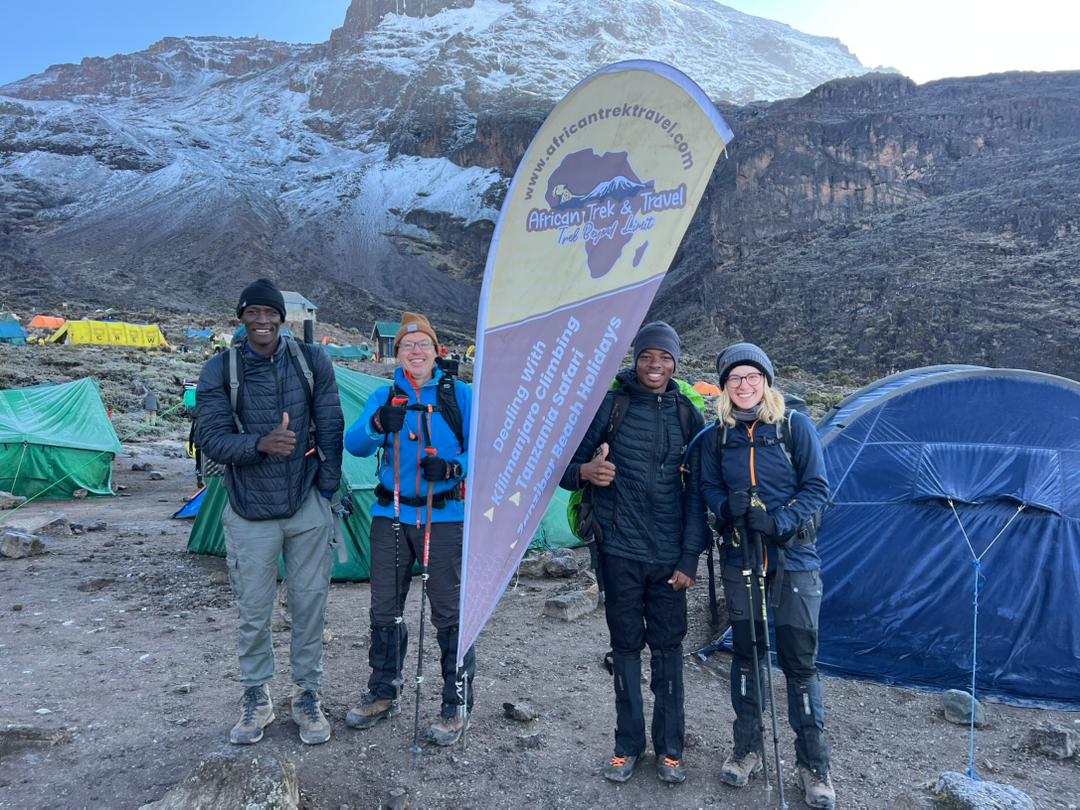
We collaborate with top tour operators to provide the best experiences for Kilimanjaro treks, safaris, and adventures.