Experience Responsible Tourism in Tanzania 2026–2027. Learn how to travel ethically, support local communities, and protect wildlife while exploring Tanzania’s natural and cultural wonders.
Responsible Tourism in Tanzania 2026–2027 is designed for travelers who want to explore the country ethically, minimizing negative impacts on the environment and communities. This approach combines meaningful cultural interactions, sustainable travel practices, and wildlife conservation for a more enriching travel experience.
During Responsible Tourism in Tanzania 2026–2027, visitors engage in ethical wildlife encounters, community-based tours, and eco-friendly activities. Travelers are encouraged to support local businesses, respect cultural traditions, and participate in conservation initiatives. Highlights include visiting community projects, learning about local crafts, and observing wildlife responsibly in national parks and reserves.
Responsible Tourism in Tanzania 2026–2027 emphasizes sustainable accommodations, locally sourced meals, low-impact transport, and education on conservation practices. Ideal for solo travelers, families, and groups, this travel approach ensures your Tanzanian adventure is both enjoyable and beneficial for the environment and local communities. By choosing responsible tourism practices, travelers contribute to preserving Tanzania’s natural beauty, wildlife, and cultural heritage for generations to come.
Responsible tourism in Tanzania focuses on traveling in a way that benefits local communities, conserves the environment, and preserves cultural heritage. With its diverse wildlife, stunning landscapes, and rich cultures, Tanzania offers travelers the opportunity to make a positive impact while exploring its wonders. By practicing responsible tourism, visitors help ensure that Tanzania remains a sustainable destination for future generations.
Tanzania is home to iconic national parks, wildlife, and cultural sites. Responsible tourism in Tanzania is essential to:
Protect endangered species and fragile ecosystems.
Support local communities and sustainable livelihoods.
Preserve cultural traditions and heritage.
Promote ethical and safe tourism practices.
Travelers who adopt responsible tourism principles contribute to the long-term sustainability of Tanzania’s environment and society.
Responsible tourism in Tanzania is guided by several key principles:
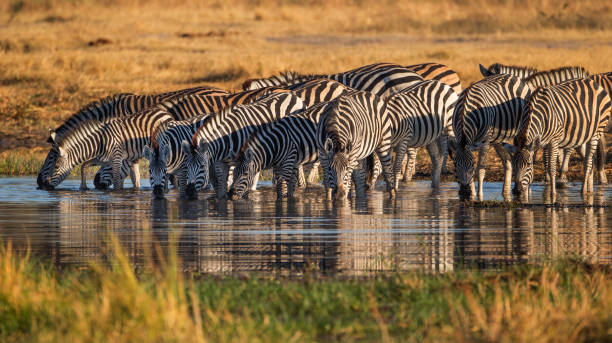
Follow park regulations and observe animals from safe distances.
Avoid activities that exploit wildlife, such as elephant rides or lion cub interactions.
Support conservation programs and donate to wildlife protection initiatives.
Choose locally-owned accommodations, restaurants, and tour operators.
Purchase handicrafts and goods directly from artisans to ensure fair trade.
Participate in community-based tourism projects that fund education, healthcare, and infrastructure.
Learn about local customs and traditions before visiting villages or cultural sites.
Dress modestly in rural areas and during cultural visits.
Ask for permission before photographing people or their property.
Reduce plastic use and carry reusable water bottles and bags.
Conserve energy and water in accommodations and lodges.
Properly dispose of waste and follow recycling guidelines.
Choosing eco-conscious and locally-run accommodations is central to responsible tourism in Tanzania:
Community-owned lodges allow travelers to support local economies directly. Staying in these lodges funds education, healthcare, and conservation programs, while providing authentic cultural experiences.
Eco-lodges follow sustainable practices, including renewable energy, water conservation, and waste management. Staying at eco-lodges aligns with responsible tourism goals while offering comfort and immersion in nature.
Luxury lodges are increasingly adopting sustainable practices, such as sourcing local food, minimizing plastic use, and supporting wildlife conservation programs.
Safaris are a highlight of any Tanzania trip. Responsible tourism ensures that these experiences are ethical and sustainable:
Choose operators who prioritize animal welfare and follow park regulations.
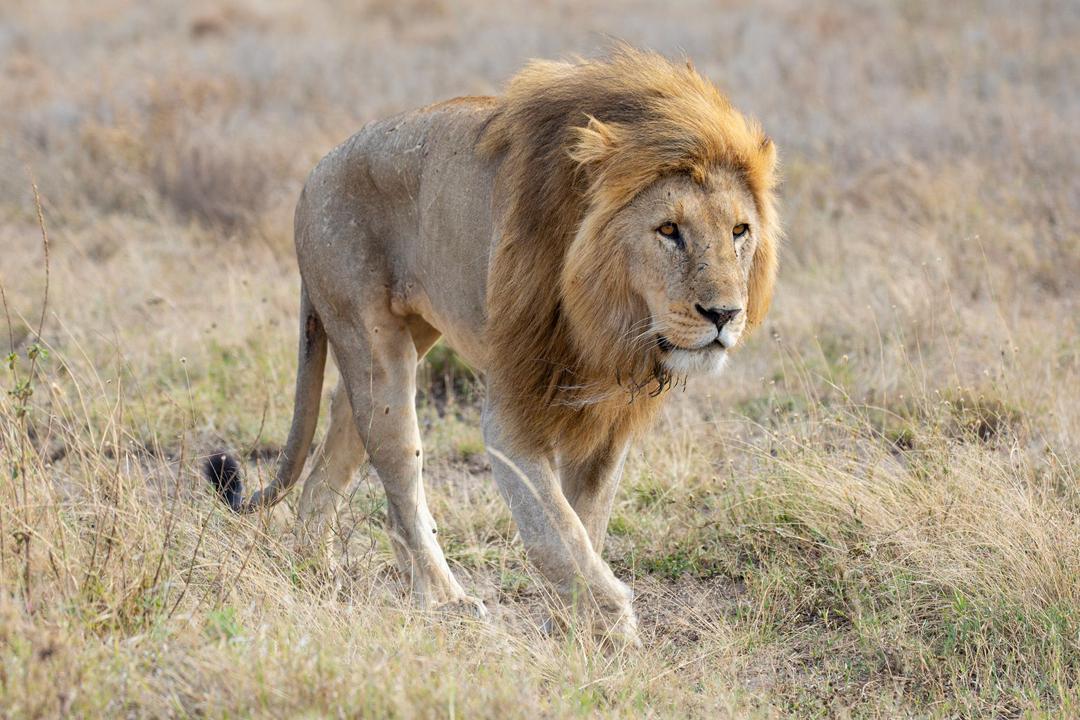
Avoid overcrowded safari vehicles and maintain safe distances from wildlife.
Support tour companies involved in conservation and community projects.
Limit off-road driving and stick to designated routes.
Travel in small groups to reduce disturbance to wildlife.
Ensure vehicles follow fuel-efficient and eco-friendly practices.
Volunteer with wildlife conservation programs or donate to anti-poaching initiatives.
Support research and community-based wildlife management efforts.
Tanzania offers a variety of responsible and ethical tourism experiences:
Explore Serengeti, Ngorongoro, Tarangire, and Selous National Parks responsibly.
Opt for guided tours that emphasize ethical wildlife observation and environmental stewardship.
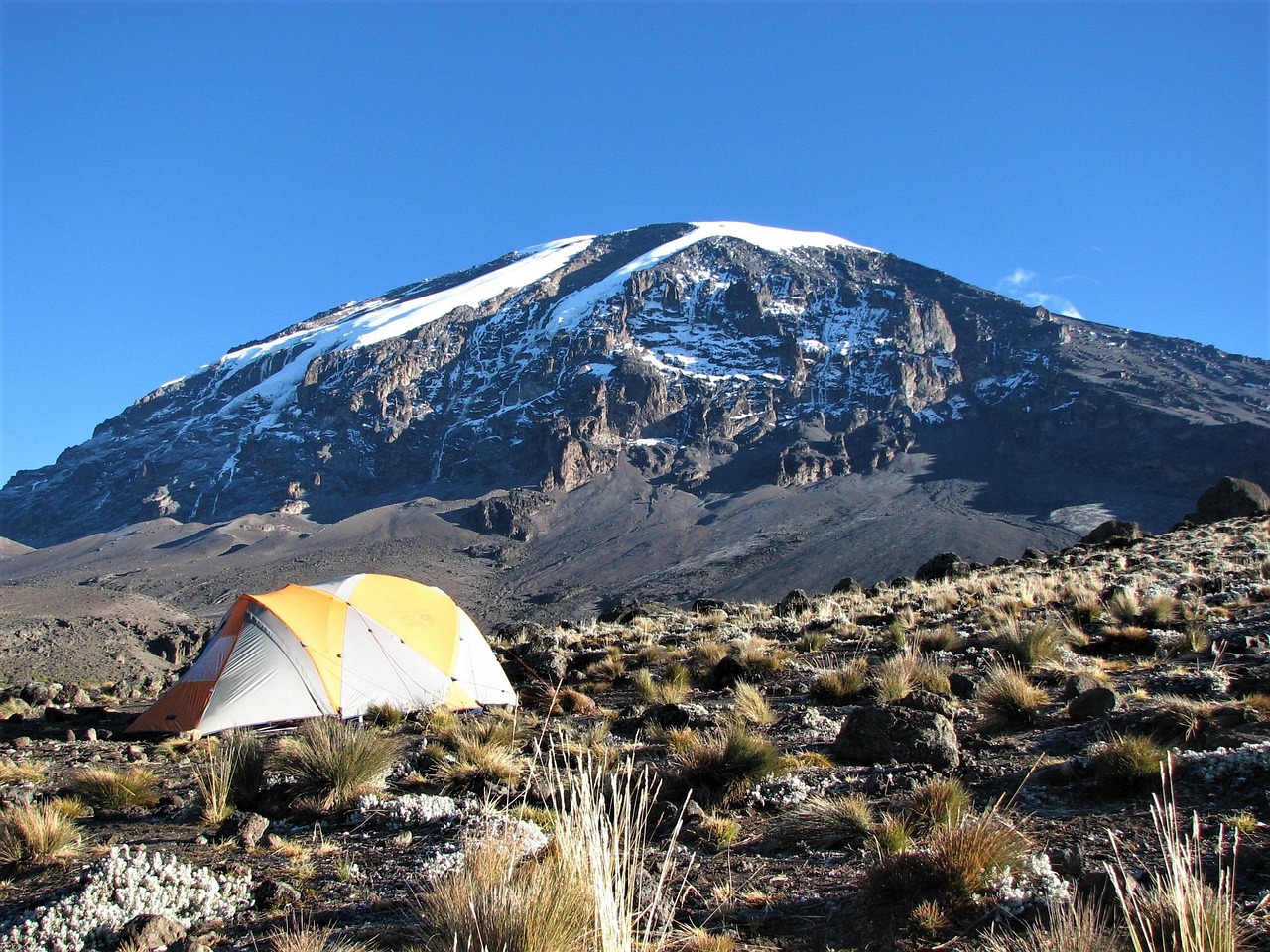
Climb Mount Kilimanjaro, Mount Meru, or explore Usambara Mountains with local guides.
Stick to marked trails and minimize environmental impact.
Visit Maasai villages, spice farms in Zanzibar, and local markets.
Engage respectfully with local communities and participate in workshops or cultural programs.
Snorkeling and diving in Zanzibar, Pemba, or Mafia Islands with responsible operators.
Support coral reef preservation and avoid activities that damage marine ecosystems.
Transportation choices play a role in responsible tourism in Tanzania:
Choose airlines with sustainability initiatives.
Limit unnecessary flights to reduce carbon footprint.
Share transportation with other travelers when possible.
Use fuel-efficient vehicles for safaris and tours.
Explore towns, villages, and natural areas on foot or by bike.
Reduce emissions and enjoy closer interactions with local communities.
Responsible tourism in Tanzania begins with mindful packing:
Reusable water bottles, bags, and utensils.
Eco-friendly toiletries and biodegradable sunscreen.
Lightweight clothing suitable for different climates.
Minimal packaging to reduce waste and environmental impact.
Adopting responsible tourism practices offers several advantages:
Environmental Protection: Safeguards wildlife, ecosystems, and natural resources.
Community Empowerment: Provides economic opportunities and supports local initiatives.
Cultural Preservation: Helps maintain traditions, arts, and heritage.
Enhanced Travel Experience: Creates meaningful interactions and authentic experiences.
Travelers may encounter challenges while practicing responsible tourism:
Limited eco-friendly or community-based options in remote areas.
Higher costs for sustainable lodges or ethical tours.
Balancing convenience with ethical choices, such as avoiding certain tourist attractions.
Planning and research help overcome these challenges effectively.
To maximize the benefits of responsible tourism:
Research eco-certified lodges, guides, and operators.
Choose the best travel season to minimize environmental strain.
Include cultural and community-based experiences in your itinerary.
Plan transportation efficiently to reduce your carbon footprint.
Join safaris with operators committed to wildlife conservation and low-impact practices.
Trek with guides who follow waste management protocols and preserve trails.
Participate in cultural tours and marine conservation projects.
Support community-led tourism initiatives that fund education and healthcare.
Responsible tourism in Tanzania allows travelers to enjoy the country’s wildlife, culture, and natural beauty while making a positive impact. By choosing eco-friendly accommodations, supporting local communities, practicing ethical wildlife tourism, and minimizing environmental impact, visitors contribute to the sustainable development of Tanzania.
Every decision, from booking ethical safaris to purchasing local crafts, strengthens the future of Tanzania as a vibrant and sustainable travel destination. Responsible tourism in Tanzania is not just a trend—it is a commitment to adventure, conservation, and cultural respect.
African Trek & Travel is a leading Tanzania tour operator in Moshi and Arusha for 2026–2027, specializing in Kilimanjaro treks, safaris, and tailor-made adventures. With deep local expertise and a strong commitment to safety and quality, we deliver unforgettable travel experiences across East Africa.
Discover popular Safaris, Serengeti Migration, Kilimanjaro Climbing & Zanzibar Beach Holidays. Plan your perfect adventure today!
 Popular
Experience the wildebeest migration across the vast Serengeti and Ngorongoro plains. Perfect for wildlife lovers and photography enthusiasts.
Book Now New
New
Climb Africa’s highest peak via scenic routes with expert guides and safe treks. Experience adventure with full support and accommodation included.
Book Now Popular
Relax in paradise with pristine white beaches, spice tours, and cultural charm. Ideal for families and honeymooners seeking luxury and tranquility.
Book Now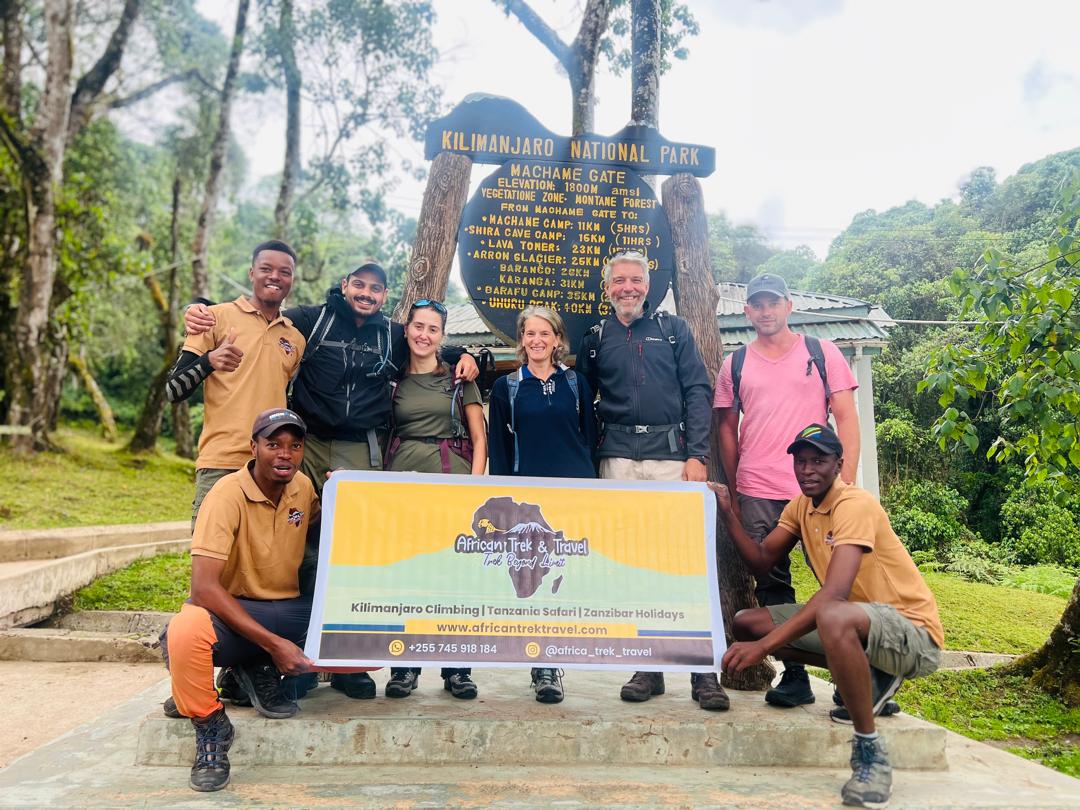

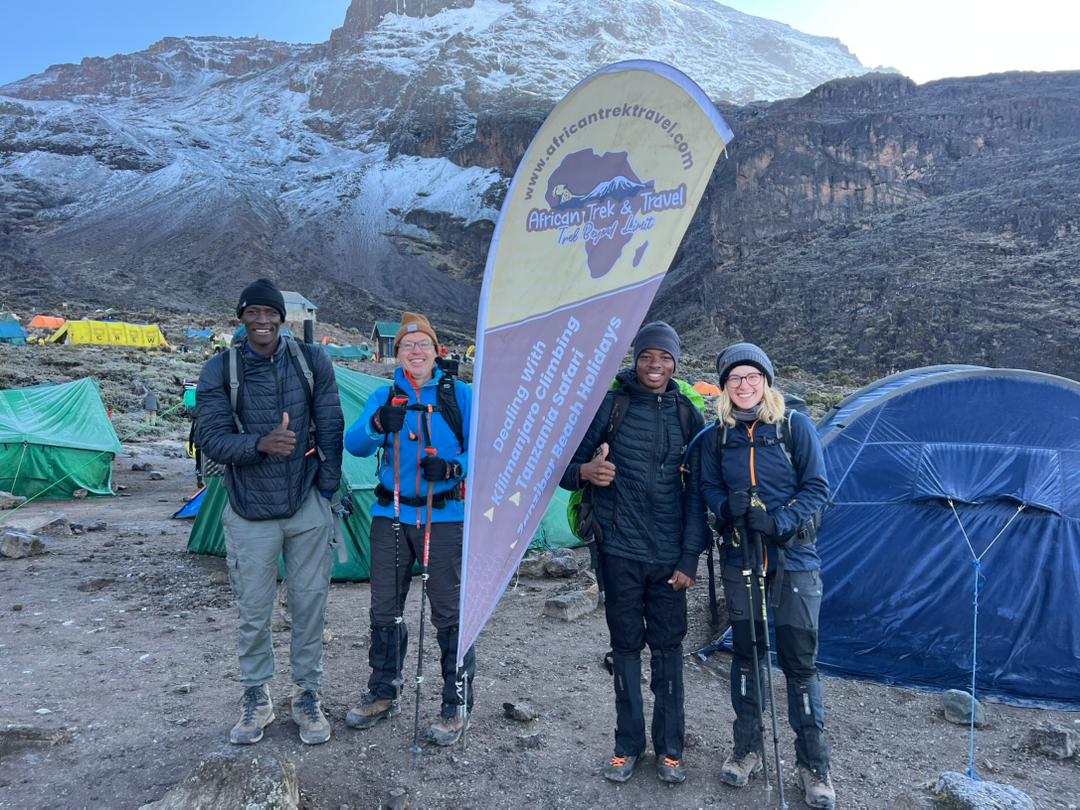
We collaborate with top tour operators to provide the best experiences for Kilimanjaro treks, safaris, and adventures.