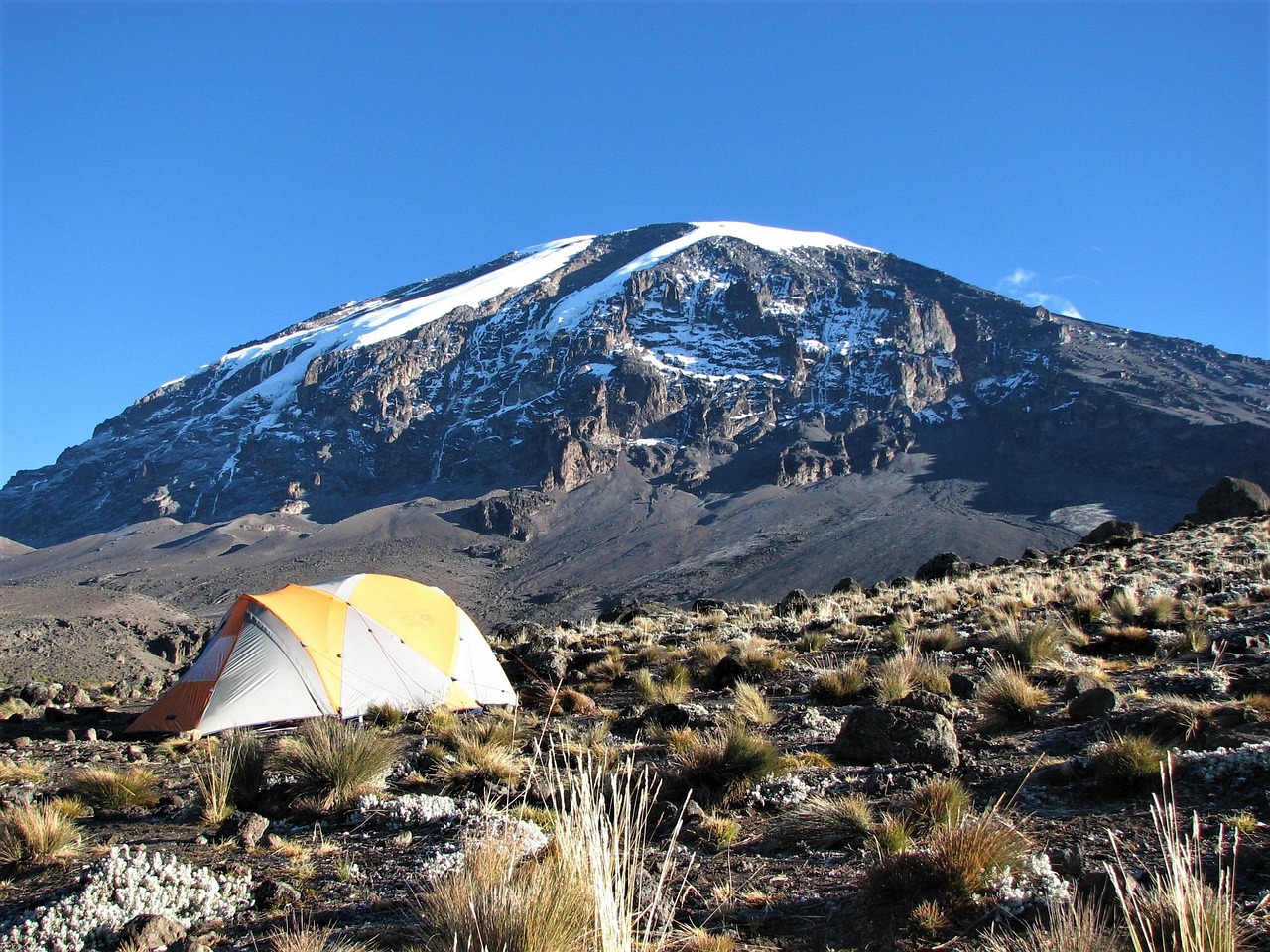
Explore Responsible Walking Tourism in 2026–2027. Enjoy guided walking tours that respect local communities, culture, and the environment while traveling sustainably.
Responsible Walking Tourism 2026–2027 is designed for travelers who want to explore new destinations on foot while minimizing their environmental impact and supporting local communities. These tours focus on sustainable travel practices, cultural respect, and ethical engagement with the places and people you visit.
During Responsible Walking Tourism 2026–2027, participants enjoy guided walks through historic sites, cultural hubs, natural landscapes, and local villages. Expert guides emphasize environmentally friendly practices, including waste reduction, conservation awareness, and support for community-based tourism initiatives. Optional activities may include volunteering, participating in local workshops, or supporting eco-friendly projects during the tour.
Responsible Walking Tourism 2026–2027 includes professional guides, carefully planned itineraries, sustainable travel practices, community engagement opportunities, and safety support. Ideal for eco-conscious travelers, students, and anyone eager to make a positive impact while exploring, these tours provide meaningful experiences that combine discovery, learning, and responsible travel practices.
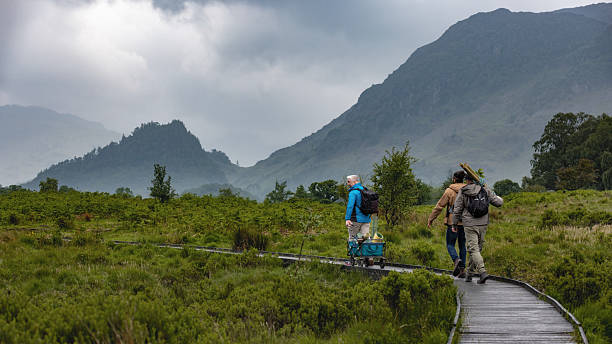
Walking tours offer travelers an intimate, immersive way to explore destinations, but they also come with responsibilities toward the environment, local communities, and cultural heritage. Responsible Walking Tourism emphasizes ethical, sustainable, and mindful practices while walking, ensuring that travel benefits both the traveler and the destination.
By participating in responsible walking experiences, travelers enjoy authentic encounters with nature, culture, and local communities while minimizing negative impacts. Responsible Walking Tourism is ideal for conscious travelers seeking meaningful experiences that respect people, wildlife, and the environment.
Adopting responsible practices during walking tours benefits everyone:
Protects natural habitats and preserves biodiversity
Supports local communities through economic and cultural engagement
Encourages cultural respect and ethical interactions with locals
Promotes sustainable tourism that can continue for future generations
Enhances personal travel experiences by fostering deeper understanding and meaningful connections
Responsible walking tourism allows travelers to explore the world thoughtfully, ensuring their journeys leave positive footprints.
Stay on marked trails to avoid damaging flora and fauna
Dispose of waste responsibly and avoid littering
Minimize energy use and avoid unnecessary resource consumption
Support eco-friendly accommodations and transportation options
Environmental stewardship ensures that natural landscapes remain vibrant and accessible for future travelers.
Learn about local customs, traditions, and etiquette before visiting
Engage respectfully with local communities and seek permission before photographing people
Support local artisans, vendors, and community-run enterprises
Avoid activities that exploit people, animals, or cultural heritage
Cultural respect fosters meaningful interactions and preserves the authenticity of destinations.
Participate in tours that hire local guides and employ community members
Contribute to projects or initiatives that benefit the local population
Respect local governance, rules, and social norms
Educate oneself on the social and historical context of visited areas
Social responsibility ensures that walking tourism supports communities in positive, sustainable ways.
Choose local businesses for meals, accommodation, and souvenirs
Avoid multinational chains that drain resources from local economies
Participate in fair-trade experiences that benefit artisans and service providers
Economic sustainability allows tourism to create lasting benefits for residents and communities.
Helps maintain biodiversity and reduce human impact on fragile ecosystems
Encourages eco-friendly practices like sustainable trekking, low-impact camping, and responsible wildlife observation
Supports the protection of heritage sites and traditions
Encourages participation in cultural learning without commodifying or exploiting local culture
Fosters mindfulness, awareness, and connection with the environment
Encourages learning about ecosystems, history, and community life in a meaningful way
Creates trust and respect between travelers and locals
Supports fair labor practices and responsible tourism businesses
Research the destination, its culture, and environmental concerns
Understand local regulations, sensitive areas, and protected sites
Choose reputable guides and tour operators committed to sustainability
Use reusable water bottles, utensils, and bags
Limit plastic use and minimize waste
Pack appropriate clothing to avoid excessive environmental impact
Observe animals from a safe distance without disturbing them
Avoid feeding or interacting with wildlife in unnatural ways
Follow park or reserve regulations to protect ecosystems
Buy locally made crafts, products, and foods
Participate in community-led tours or cultural activities
Tip responsibly and acknowledge the work of local guides
Learn about local history, traditions, and environmental issues
Share knowledge with fellow travelers to promote responsible tourism
Encourage respectful and mindful behavior during tours
Walking through forests, mountains, or wildlife reserves demands special care:
Stick to designated trails to avoid damaging fragile ecosystems
Avoid loud noises that disturb wildlife
Carry biodegradable products and avoid chemical pollutants
Respect conservation rules and contribute to park fees if applicable
Nature-based responsible walking tourism helps maintain pristine environments and encourages biodiversity protection.
Respect historic buildings, monuments, and public spaces
Avoid behaviors that may offend local customs
Support cultural centers, museums, and local initiatives
Engage in educational experiences to understand the local context
Urban and cultural responsible walking tourism ensures that heritage sites remain preserved and communities thrive.
Empowers local communities through employment and entrepreneurship
Strengthens cultural identity and pride
Encourages sustainable local development
Creates opportunities for cultural exchange and learning
By engaging in community-based walking tourism, travelers help preserve traditions while gaining authentic experiences.
Choose Eco-Friendly Tours: Seek operators with sustainability certifications or eco-tourism standards.
Minimize Carbon Footprint: Use public transport, bicycles, or walking to reach starting points.
Avoid Single-Use Plastics: Bring reusable bottles, containers, and utensils.
Respect Group Size Limits: Smaller groups reduce environmental and cultural impact.
Leave No Trace: Carry out all waste and leave natural and cultural sites undisturbed.
Educate Children and Youth: Encourage the next generation to value responsible tourism practices.
Walking improves cardiovascular health, endurance, and overall fitness
Mindful walking enhances mental clarity, reduces stress, and fosters mindfulness
Connecting with nature and culture promotes emotional well-being
Responsible walking tourism combines physical, mental, and environmental benefits for travelers.
Sustainable accommodation choices such as eco-lodges or green hotels
Participating in conservation projects or volunteering
Using locally sourced food and beverages during tours
Supporting community-run craft markets and cultural programs
Integration with broader sustainable practices enhances the impact and quality of travel.
Encourages empathy and cultural understanding
Promotes mindful interaction with nature and communities
Builds a sense of accomplishment and personal growth
Creates meaningful memories with minimal negative impact
Travelers experience more rewarding journeys when their actions align with ethical and sustainable principles.
Responsible Walking Tourism allows travelers to explore destinations consciously, ethically, and sustainably. By respecting nature, culture, and local communities, walking tours become a tool for learning, connection, and positive impact.
From urban streets and historic towns to forests, mountains, and coastal trails, responsible walking tourism ensures that every step contributes to preserving the environment, supporting communities, and enriching the travel experience.
For travelers seeking meaningful, immersive, and ethical adventures, Responsible Walking Tourism combines exploration, learning, and care, leaving a positive footprint while creating unforgettable journeys.
African Trek & Travel is a leading Tanzania tour operator in Moshi and Arusha for 2026–2027, specializing in Kilimanjaro treks, safaris, and tailor-made adventures. With deep local expertise and a strong commitment to safety and quality, we deliver unforgettable travel experiences across East Africa.
Discover popular Safaris, Serengeti Migration, Kilimanjaro Climbing & Zanzibar Beach Holidays. Plan your perfect adventure today!
 Popular
Experience the wildebeest migration across the vast Serengeti and Ngorongoro plains. Perfect for wildlife lovers and photography enthusiasts.
Book Now New
New
Climb Africa’s highest peak via scenic routes with expert guides and safe treks. Experience adventure with full support and accommodation included.
Book Now Popular
Relax in paradise with pristine white beaches, spice tours, and cultural charm. Ideal for families and honeymooners seeking luxury and tranquility.
Book Now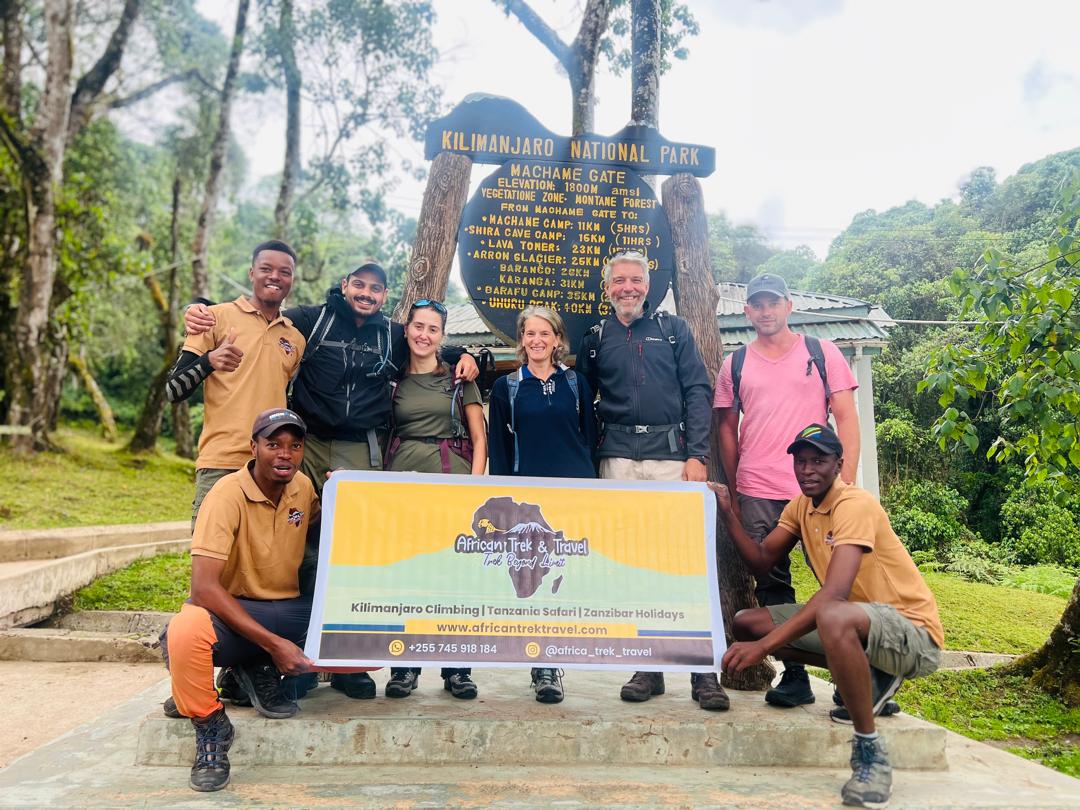


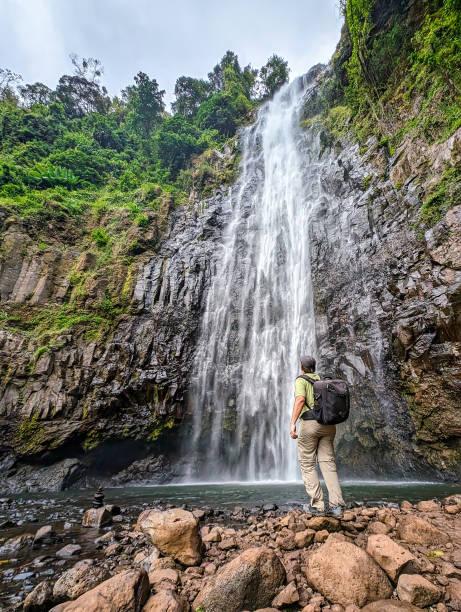
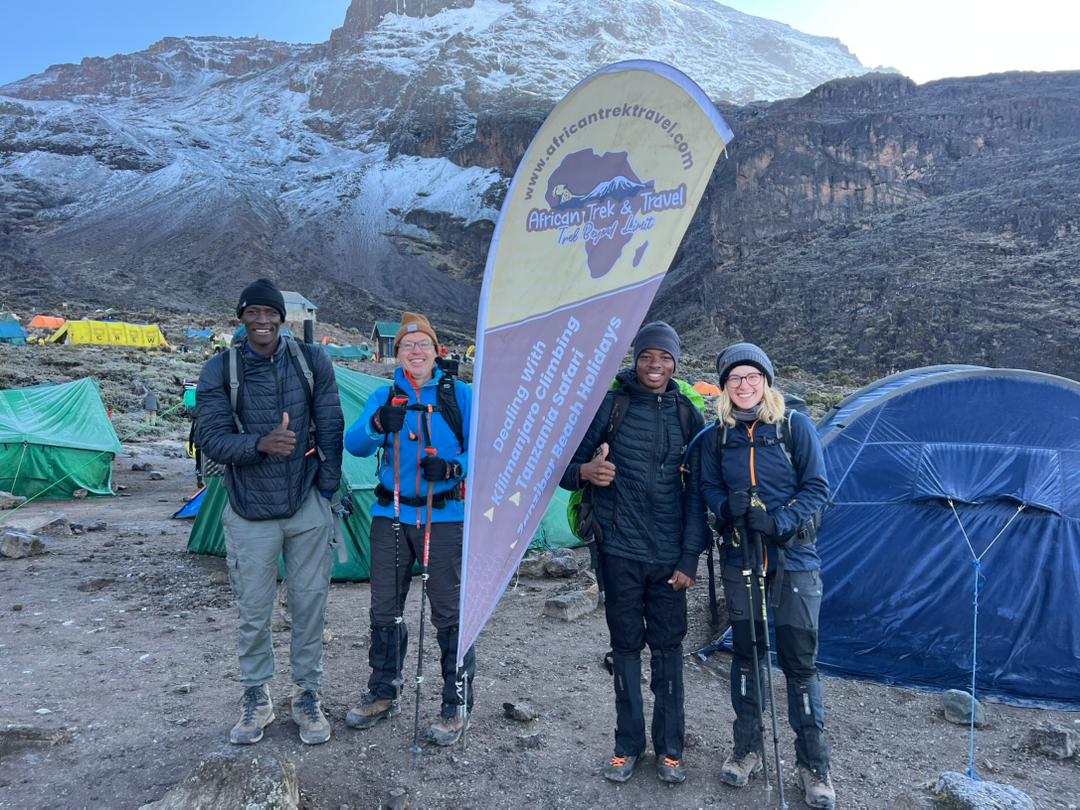
We collaborate with top tour operators to provide the best experiences for Kilimanjaro treks, safaris, and adventures.