Join Responsible Wildlife Expeditions in Tanzania for 2026–2027. Experience ethical safaris, conservation-focused travel, and authentic wildlife encounters guided by local experts.
Responsible Wildlife Expeditions 2026–2027 are crafted for travelers who value ethical tourism, conservation awareness, and genuine connections with nature. These expeditions focus on protecting wildlife habitats while delivering rewarding safari experiences across Tanzania’s most celebrated destinations, including the Serengeti, Ngorongoro Crater, Tarangire National Park, and lesser-visited conservation areas.
Throughout Responsible Wildlife Expeditions 2026–2027, travelers participate in carefully planned game drives that respect animal behavior and natural ecosystems. Small-group travel, low-impact safari practices, and partnerships with conservation-driven lodges ensure that wildlife viewing remains sustainable and non-intrusive. Expert local guides provide educational insights into animal movements, endangered species protection, and the importance of biodiversity conservation.
Responsible Wildlife Expeditions 2026–2027 include eco-conscious accommodation, professionally guided safaris, park and conservation fees, and opportunities to engage with local communities through cultural visits and conservation initiatives. Perfect for nature enthusiasts, photographers, and mindful travelers, these expeditions deliver unforgettable wildlife encounters while contributing positively to environmental protection and community development across Tanzania.
Responsible Wildlife Expeditions are redefining the way travelers experience the natural world. These expeditions focus on ethical wildlife encounters, conservation-driven tourism, and respectful engagement with local communities. Rather than prioritizing fast-paced sightseeing, Responsible Wildlife Expeditions emphasize understanding ecosystems, protecting biodiversity, and ensuring that tourism benefits both wildlife and people.
Across Africa and other wildlife-rich regions, Responsible Wildlife Expeditions allow travelers to explore pristine environments while contributing to long-term conservation goals. From open savannahs and dense forests to wetlands and deserts, these journeys offer meaningful encounters that leave a positive footprint on the planet.
Responsible Wildlife Expeditions are carefully designed travel experiences that place animal welfare, environmental protection, and community involvement at their core. Every aspect of the journey—from planning and guiding to accommodation and activities—is guided by ethical standards that minimize negative impact on wildlife and habitats.
Unlike conventional wildlife tours, Responsible Wildlife Expeditions limit group sizes, follow strict wildlife viewing guidelines, and collaborate closely with conservation authorities. The goal is not only to observe animals but also to understand their behavior, challenges, and the importance of protecting their natural environments.
Wildlife populations worldwide face increasing pressure from habitat loss, climate change, and human activity. Responsible Wildlife Expeditions play a vital role in addressing these challenges by creating sustainable tourism models that fund conservation while raising awareness.
Travelers who choose Responsible Wildlife Expeditions become part of a solution. Their presence supports protected areas, discourages illegal activities such as poaching, and provides alternative livelihoods for local communities. Responsible tourism helps demonstrate that living wildlife is more valuable than exploited wildlife.
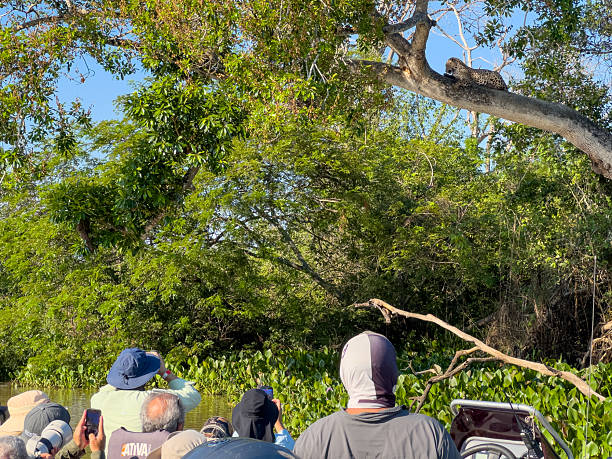
Responsible Wildlife Expeditions follow strict rules to ensure animals are never stressed, disturbed, or manipulated. Guides are trained to read animal behavior and maintain safe distances at all times. Vehicles avoid overcrowding sightings, and off-road driving is limited to protect habitats.
These practices ensure that wildlife encounters remain natural and respectful, allowing animals to behave as they would without human interference.
Conservation is central to Responsible Wildlife Expeditions. Many expeditions directly support anti-poaching patrols, habitat restoration projects, wildlife research, and species monitoring programs. A portion of expedition revenue often goes directly toward conservation initiatives.
Travelers on Responsible Wildlife Expeditions gain insight into these efforts, learning how conservation works on the ground and why it matters for the future of wildlife.
Responsible Wildlife Expeditions recognize that local communities are essential partners in conservation. Expeditions often employ local guides, drivers, trackers, and hospitality staff, ensuring economic benefits stay within the region.
Community visits are conducted respectfully, focusing on cultural understanding rather than entertainment. These interactions foster mutual respect and long-term cooperation between conservation efforts and local populations.
Safari-based Responsible Wildlife Expeditions focus on observing wildlife in national parks and conservancies. Destinations such as the Serengeti, Maasai Mara, Kruger, and Okavango Delta offer exceptional opportunities to witness large mammals while supporting protected areas.
These expeditions prioritize low-impact vehicles, eco-certified accommodations, and expert naturalist guides.
Walking expeditions provide an immersive way to experience nature. Responsible Wildlife Expeditions on foot emphasize awareness, tracking skills, and understanding ecosystems from the ground level. Accompanied by trained rangers, travelers learn to appreciate the interconnectedness of plants, animals, and landscapes.
Responsible Wildlife Expeditions centered on primates, such as gorilla and chimpanzee tracking, follow some of the strictest ethical guidelines in wildlife tourism. Visitor numbers are limited, encounters are carefully timed, and health protocols protect both animals and humans.
These expeditions generate crucial funding for forest conservation and community development.
Responsible Wildlife Expeditions also take place in marine environments. Whale watching, dolphin observation, reef exploration, and marine research trips are conducted under strict guidelines that protect marine life and fragile ecosystems.
Accommodation is a key element of Responsible Wildlife Expeditions. Lodges and camps are chosen for their commitment to sustainability, including renewable energy use, water conservation, waste reduction, and environmentally sensitive design.
Many accommodations support local suppliers, employ community members, and participate in conservation programs. Staying in such lodges enhances the positive impact of Responsible Wildlife Expeditions.
Tanzania is one of the world’s leading destinations for Responsible Wildlife Expeditions. Its extensive network of national parks and conservation areas supports some of Africa’s most diverse wildlife populations. Ethical safari practices and community-based tourism initiatives make Tanzania a strong example of responsible travel.
Kenya’s conservancy model is central to Responsible Wildlife Expeditions. Community-owned wildlife areas protect habitats while generating income for local people. Travelers enjoy exclusive experiences while supporting conservation-driven land management.
Responsible Wildlife Expeditions in Rwanda and Uganda focus on forest conservation and primate protection. Gorilla and chimpanzee expeditions are tightly regulated, ensuring minimal environmental impact and maximum conservation benefit.
Countries such as Botswana, Namibia, and Zambia offer some of the most advanced Responsible Wildlife Expeditions. Strong conservation policies, low-density tourism, and community partnerships define the wildlife experiences in these regions.
Responsible Wildlife Expeditions can be enjoyed throughout the year, depending on destination and wildlife interests. Dry seasons often provide excellent visibility for large mammals, while green seasons support birdlife, newborn animals, and vibrant landscapes.
Choosing travel periods carefully helps reduce pressure on peak-season environments and supports year-round conservation funding.
Preparation is an important part of Responsible Wildlife Expeditions. Travelers are encouraged to pack responsibly, avoid unnecessary waste, and choose eco-friendly personal items. Understanding wildlife behavior and cultural norms enhances the experience and ensures respectful interactions.
Education before travel helps participants fully appreciate the purpose and value of Responsible Wildlife Expeditions.
Responsible Wildlife Expeditions provide reliable funding for conservation efforts. Tourism revenue supports ranger salaries, research programs, infrastructure development, and community education initiatives. These benefits create incentives for protecting wildlife habitats rather than exploiting them.
Over time, Responsible Wildlife Expeditions help build resilient conservation models that balance environmental protection with human development.
Education is a powerful outcome of Responsible Wildlife Expeditions. Travelers gain firsthand knowledge about ecosystems, species behavior, and conservation challenges. This awareness often inspires continued support for conservation initiatives long after the expedition ends.
By sharing these experiences, travelers help spread the message of responsible tourism and wildlife protection.
Responsible Wildlife Expeditions are shaping the future of wildlife tourism. As travelers seek more meaningful and ethical experiences, demand for responsible travel continues to grow. Operators are investing in sustainability, conservation partnerships, and community engagement to meet these expectations.
Responsible Wildlife Expeditions demonstrate that tourism can protect wildlife rather than harm it.
Responsible Wildlife Expeditions offer more than memorable wildlife encounters. They provide a path toward ethical tourism that supports conservation, respects communities, and preserves natural habitats. By choosing responsible expeditions, travelers become active contributors to wildlife protection.
Responsible Wildlife Expeditions ensure that future generations will continue to experience the wonder of wildlife in its natural environment. Traveling responsibly today helps safeguard the planet’s biodiversity for tomorrow.
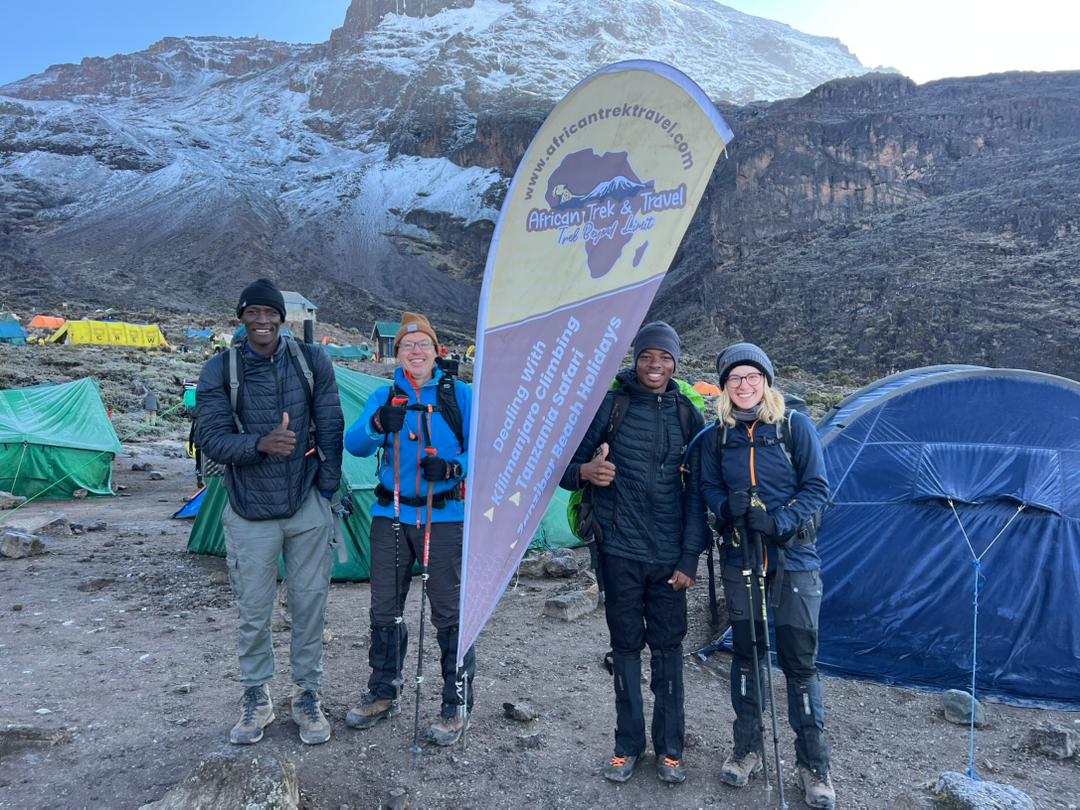
African Trek & Travel is a leading Tanzania tour operator in Moshi and Arusha for 2026–2027, specializing in Kilimanjaro treks, safaris, and tailor-made adventures. With deep local expertise and a strong commitment to safety and quality, we deliver unforgettable travel experiences across East Africa.
Discover popular Safaris, Serengeti Migration, Kilimanjaro Climbing & Zanzibar Beach Holidays. Plan your perfect adventure today!
 Popular
Experience the wildebeest migration across the vast Serengeti and Ngorongoro plains. Perfect for wildlife lovers and photography enthusiasts.
Book Now New
New
Climb Africa’s highest peak via scenic routes with expert guides and safe treks. Experience adventure with full support and accommodation included.
Book Now Popular
Relax in paradise with pristine white beaches, spice tours, and cultural charm. Ideal for families and honeymooners seeking luxury and tranquility.
Book Now
We collaborate with top tour operators to provide the best experiences for Kilimanjaro treks, safaris, and adventures.