Get an overview of typical costs for the Rongai Route Group Climb 2026–2027 — including price ranges, what’s usually included, and key factors that influence the total cost.
The Rongai Route Group Cost 2026–2027 refers to what you can expect to pay when joining a group climb of Mount Kilimanjaro via the Rongai Route. Prices vary by operator, group size, duration, included services, and season, but group climbs are usually more cost‑effective than private climbs due to shared logistics and staff. Typical Price Range (Per Person) 7‑day Rongai Route group climbs: Around $2,400 – $2,800 USD per person for scheduled group departures in 2026–2027. Prices vary by group size: some operators charge about $2,565–$2,699 USD per person for smaller groups (e.g., 2–4 climbers), with slightly lower rates for larger groups (5–8+ climbers). Smaller or locally organized companies may offer lower per‑person rates depending on included services and group size. What’s Usually Included Most group climb packages cover: Kilimanjaro National Park fees (entry, camping, rescue) Professional mountain guides, cooks, and porters Group meals and purified water on the mountain Quality camping equipment (tents, dining tents) Transfers from and back to Moshi or Arusha Pre‑ and post‑trek basic accommodation (sometimes included)* *In some operator packages. It’s worth verifying with your chosen provider. What’s Often Not Included International flights to Tanzania Travel insurance and emergency evacuation cover Personal trekking gear (sleeping bags, boots, etc.) Tipping for guides and porters Optional hotel upgrades or private transfers Factors That Influence Cost Group Size: Larger groups typically reduce the per‑person price because costs for guides, porters, and logistics are spread across more participants. Climb Duration: Some operators offer 6‑day or 7‑day Rongai itineraries, with the 7‑day often costing more due to the extra acclimatization day. Season: High‑season departures (June–October and January–March) can be more expensive due to demand. Operator & Service Level: Established operators with strong safety standards, quality meals, and experienced crew may charge more than smaller local guides.
.jpg "Rongai Route Group Cost")
Planning a climb up Mount Kilimanjaro via the Rongai Route? Understanding the Rongai Route group cost is one of the most important steps in preparing for your trek. The Rongai Route group cost refers to the total amount you will pay when you join a shared group expedition on the northern Rongai Route, including guides, porters, permits, meals, equipment, and support services. Because climbing Kilimanjaro involves permits, logistics, and teamwork, the Rongai Route group cost can vary widely depending on the itinerary length, services included, group size, season, operator standards, and optional extras.
This comprehensive guide covers everything you need to know about the Rongai Route group cost—from what’s included and what’s not, to how to save money, how costs compare with other Kilimanjaro routes, and tips to choose the best value option. Whether you’re a first-time climber looking at shared group options or a seasoned trekker comparing cost with value, this article has you covered.
Before breaking down specific numbers, it’s essential to understand the main factors that influence the Rongai Route group cost:
The number of days you spend on the Rongai Route group climb has a significant impact on cost. Typical itineraries include 6-day, 7-day, and occasionally 8-day options. Longer itineraries generally carry higher Rongai Route group cost because they include extra nights on the mountain, additional meals, more porter support, and increased guide time. However, longer trips often improve acclimatization and summit success.
Group size affects how the Rongai Route group cost is allocated. Larger groups allow operators to distribute fixed costs—such as guides, park permits, and transport—across more climbers, often reducing the per-person Rongai Route group cost. Smaller groups may be more personalized but usually cost more per person.
The time of year influences the Rongai Route group cost. Peak trekking months like January to March and June to October tend to carry higher prices due to increased demand, while shoulder or wetter months like April, May, and November may see slightly lower costs or promotions.
Different trekking companies offer varying levels of service. Budget options may provide basic meals, shared tents, and minimal extras, resulting in a lower Rongai Route group cost. Mid-range and premium operators may include higher-quality meals, upgraded tents, private sleeping arrangements, additional guides, and more intensive support, raising the overall cost but enhancing comfort.
A significant portion of the Rongai Route group cost includes mandatory Kilimanjaro National Park entry fees, conservation fees, and rescue fees. These are non-negotiable charges imposed by Tanzanian authorities and are included in almost all legitimate group packages.
When comparing different Rongai Route group cost packages, it’s important to know what services are typically included. Most reputable operators include:
The Rongai Route group cost covers all required permits for Kilimanjaro National Park access. These permits allow you to enter and trek on the Rongai Route legally.
Certified mountain guides and assistant guides are included in the Rongai Route group cost. They handle pacing, route decisions, health monitoring, and safety. Porters and cooks are also included to carry equipment and prepare meals.
Most Rongai Route group cost packages include full board meals—typically breakfast, lunch, dinner, and snacks—prepared by trained mountain cooks. Drinks like tea and coffee are usually provided, and water is often boiled for safety.
Shared camping equipment such as sleeping tents, dining tents, tables, chairs, and sleeping mats are part of the Rongai Route group cost. Some operators may offer upgrades for private tents.
Ground transport from Moshi or Arusha to the Rongai trailhead and back is usually included in the Rongai Route group cost. This ensures a smooth transition from town to Kilimanjaro National Park.
Credible operators include emergency oxygen, first-aid supplies, and evacuation planning in the Rongai Route group cost. In case of altitude sickness or other emergencies, this support can be life-saving.
While the Rongai Route group cost covers most essentials, some items are typically not included and must be budgeted separately:
Airfare to Kilimanjaro International Airport (JRO) or another Tanzanian airport is not included in the Rongai Route group cost.
Travel insurance—especially policies that cover high-altitude trekking, medical evacuation, and emergency treatment—is not included in the Rongai Route group cost but is highly recommended.
Tips for guides, assistant guides, and porters are not included in standard Rongai Route group cost packages. Tipping is customary in Tanzania and a significant part of crew income.
Gear like hiking boots, insulated jackets, gloves, headlamps, sleeping bags (if not rented), and personal items are usually not included in the Rongai Route group cost.
Lodging before and after the trek is generally excluded from the Rongai Route group cost, unless explicitly stated in the package.
Below are typical price ranges you can expect for different levels of Rongai Route group cost based on itinerary length and services:
Range: $1,700 – $2,100 per person
Includes: Permits, guides, porters, meals, tents, transport
Best For: Climbers with limited time who want a full Rongai experience
The shorter Rongai Route group cost package covers all basics but involves a faster pace. Summit success rates are moderate but still achievable when climbers follow professional guidance.
Range: $2,200 – $2,600 per person
Includes: All of the above with an extra acclimatization day
Best For: Climbers who want better acclimatization and higher summit success
This is often the most popular Rongai Route group cost option, balancing time, comfort, and safety. The extra day enhances acclimatization and increases summit chances.
Range: $2,700 – $3,200+ per person
Includes: Extended itinerary, potentially premium services
Best For: Trekkers focused on maximum acclimatization and comfort
Longer itineraries raise the Rongai Route group cost but also significantly improve summit success and reduce altitude-related risk.
Here’s a hypothetical cost breakdown to help you understand where your money goes:
| Cost Component | Approximate Percentage of Total |
|---|---|
| Park Permits & Conservation Fees | 25–35% |
| Guides and Crew Support | 20–30% |
| Meals and Cooking Services | 15–20% |
| Camping Equipment and Logistics | 10–15% |
| Transport and Administration | 5–10% |
| Emergency Support and Safety | 5–10% |
Note: These percentages vary by operator and included services, but they illustrate how the Rongai Route group cost is distributed across essential trekking components.
Climbers often choose optional services that raise the Rongai Route group cost but enhance comfort or convenience:
Upgrading to a private tent adds to the Rongai Route group cost but provides privacy and extra comfort.
Standard meals are included, but some climbers opt for premium or specialized menus for dietary preferences, which increases the Rongai Route group cost.
Hiring additional porters to carry your personal gear increases the Rongai Route group cost but reduces your physical load.
Pre- and post-trek hotel or lodge upgrades are not included in the standard Rongai Route group cost and can add to your overall travel budget.
If you’re looking to reduce your Rongai Route group cost without sacrificing safety, consider these strategies:
Early bookings often secure lower group rates. Reservations closed to peak season dates can be more expensive.
The Rongai Route group cost may be lower during April–May and November due to lower demand. While weather may be wetter, prices may reflect the off‑peak period.
Bigger group sizes help spread fixed costs like guides and permits, lowering the Rongai Route group cost per person.
Evaluate whether you truly need private tents and premium meals. Skipping these extras can reduce the Rongai Route group cost significantly.
Prepare and buy needed gear before traveling to avoid higher costs for gear rental or purchases near the mountain.
Understanding how the Rongai Route group cost compares to other popular routes can help you assess value for money:
| Route | Typical Group Cost | Notes |
|---|---|---|
| Rongai | $1,700 – $3,200+ | More remote, quieter route |
| Machame | $1,800 – $3,000+ | Popular scenic route |
| Lemosho | $2,000 – $3,400+ | Long acclimatization, higher success |
| Marangu | $1,500 – $2,800+ | “Coca‑Cola” route, basic services |
The Rongai Route group cost sits competitively among these options. While not the cheapest, Rongai’s quieter trail, gradual ascent, and strong group support make it a good value for many trekkers.
When evaluating the Rongai Route group cost, remember that lower price doesn’t always mean better value. Consider:
Guide Experience: Seasoned guides improve safety and summit success, raising the overall value of the cost.
Meal Quality: Fresh, nutritious meals help trekking performance at high altitude.
Safety Standards: Emergency oxygen, first‑aid, and crew ratios affect success and comfort.
Group Dynamics: A well‑organized group improves morale and pacing, reducing stress.
These value components make a meaningful difference in your Kilimanjaro experience, even if they raise the Rongai Route group cost.
The Rongai Route group cost reflects the comprehensive support, permits, logistics, and professional services required to climb Mount Kilimanjaro safely and successfully via the Rongai Route. While costs can vary, understanding what influences price—from itinerary length and group size to included services and optional extras—helps you make an informed decision.
Most climbers find that investing in a well‑structured Rongai Route group cost package pays off in terms of summit success, comfort, and overall trekking experience. Whether you choose a 6‑day, 7‑day, or longer itinerary, careful planning and smart budgeting ensure that your Kilimanjaro adventure is memorable, rewarding, and within your financial expectations.
African Trek & Travel is a leading Tanzania tour operator in Moshi and Arusha for 2026–2027, specializing in Kilimanjaro treks, safaris, and tailor-made adventures. With deep local expertise and a strong commitment to safety and quality, we deliver unforgettable travel experiences across East Africa.
Discover popular Safaris, Serengeti Migration, Kilimanjaro Climbing & Zanzibar Beach Holidays. Plan your perfect adventure today!
 Popular
Experience the wildebeest migration across the vast Serengeti and Ngorongoro plains. Perfect for wildlife lovers and photography enthusiasts.
Book Now New
New
Climb Africa’s highest peak via scenic routes with expert guides and safe treks. Experience adventure with full support and accommodation included.
Book Now Popular
Relax in paradise with pristine white beaches, spice tours, and cultural charm. Ideal for families and honeymooners seeking luxury and tranquility.
Book Now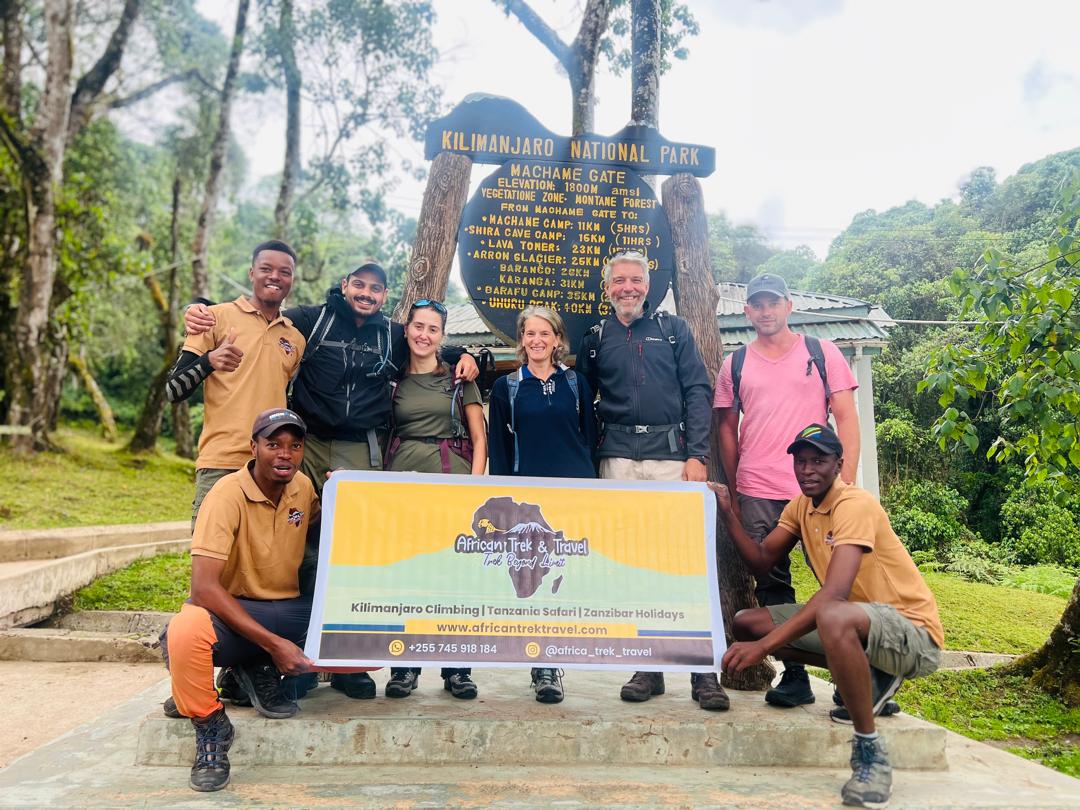
We collaborate with top tour operators to provide the best experiences for Kilimanjaro treks, safaris, and adventures.