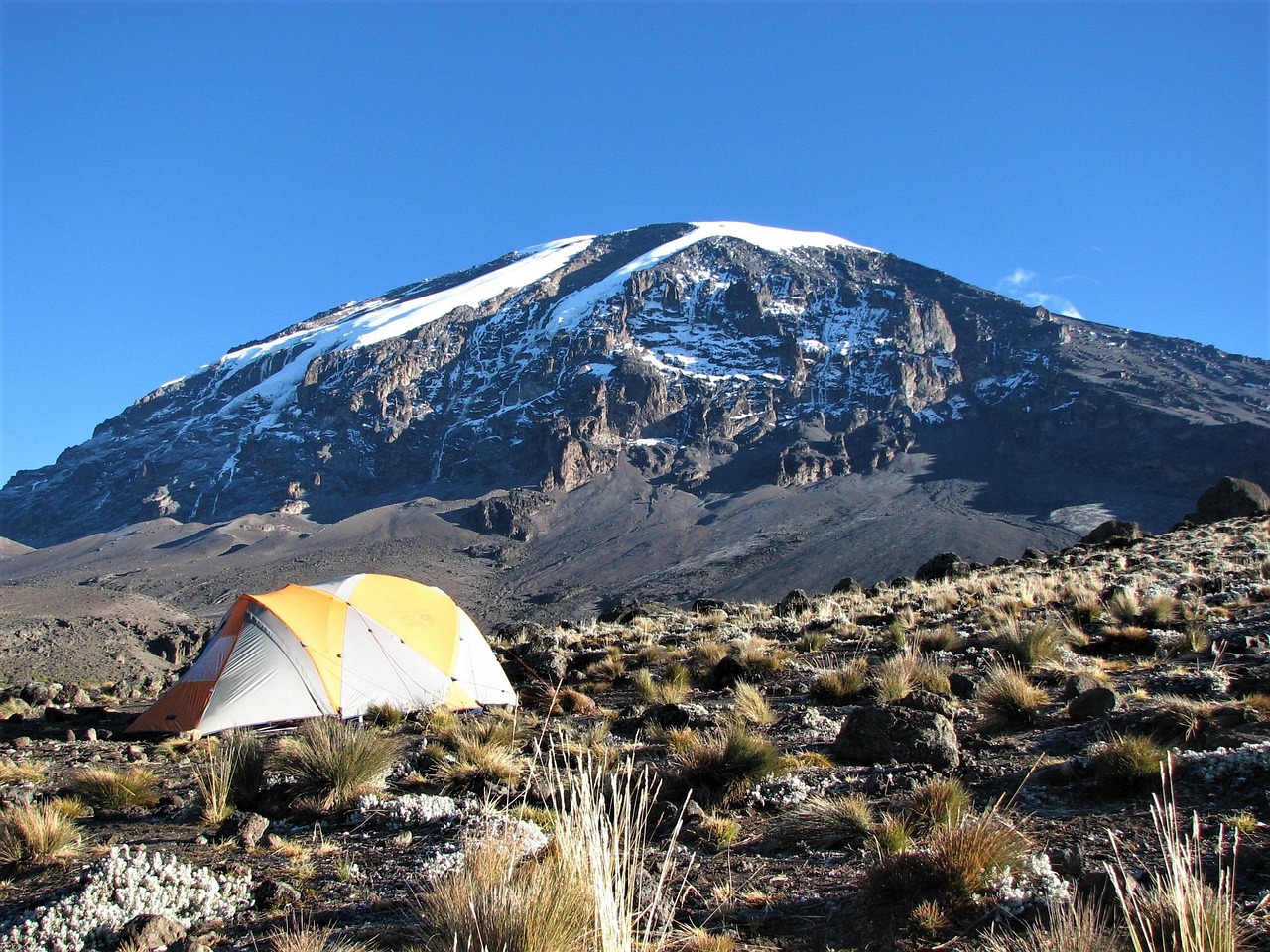
Understand the Rongai Route Group Success Rate 2026–2027 — how likely climbers are to reach Uhuru Peak when trekking Mount Kilimanjaro with a group via the northern Rongai Route.
The Rongai Route Group Success Rate 2026–2027 describes the likelihood that climbers will successfully reach Uhuru Peak when trekking Mount Kilimanjaro as part of a guided group via the scenic Rongai Route. Success rates vary depending on the itinerary length, acclimatization strategy, group pacing, and individual fitness. Typical Success Rates: 7‑day Rongai group climbs: Around 70 % – 85 % summit success — the extra acclimatization day increases your chances of reaching Uhuru Peak. 6‑day Rongai group climbs: Approximately 60 % – 75 % summit success — shorter treks have less time for acclimatization, so success chances are somewhat lower. Many trekking operators and route analyses suggest ~80 % success for 7‑day Rongai itineraries when undertaken with good pacing and professional group support. Why These Rates Occur: ✅ Acclimatization Time: The longer 7‑day itinerary allows more gradual altitude gain, boosting summit odds. ✅ Group Support: Guided group treks typically include experienced guides and crew who manage pacing, hydration, and altitude strategies, which all improve success rates. ✅ Gentle Ascent: The Rongai Route’s relatively gradual elevation profile helps reduce acute altitude sickness risks compared with very steep routes. Factors That Can Improve Your Success Rate: Choosing the 7‑day itinerary over the 6‑day option. Good pre‑trek physical conditioning and altitude training. Trekking with an experienced, reputable operator and crew. Following expert guidance on pacing (“pole pole” slow and steady) and hydration.
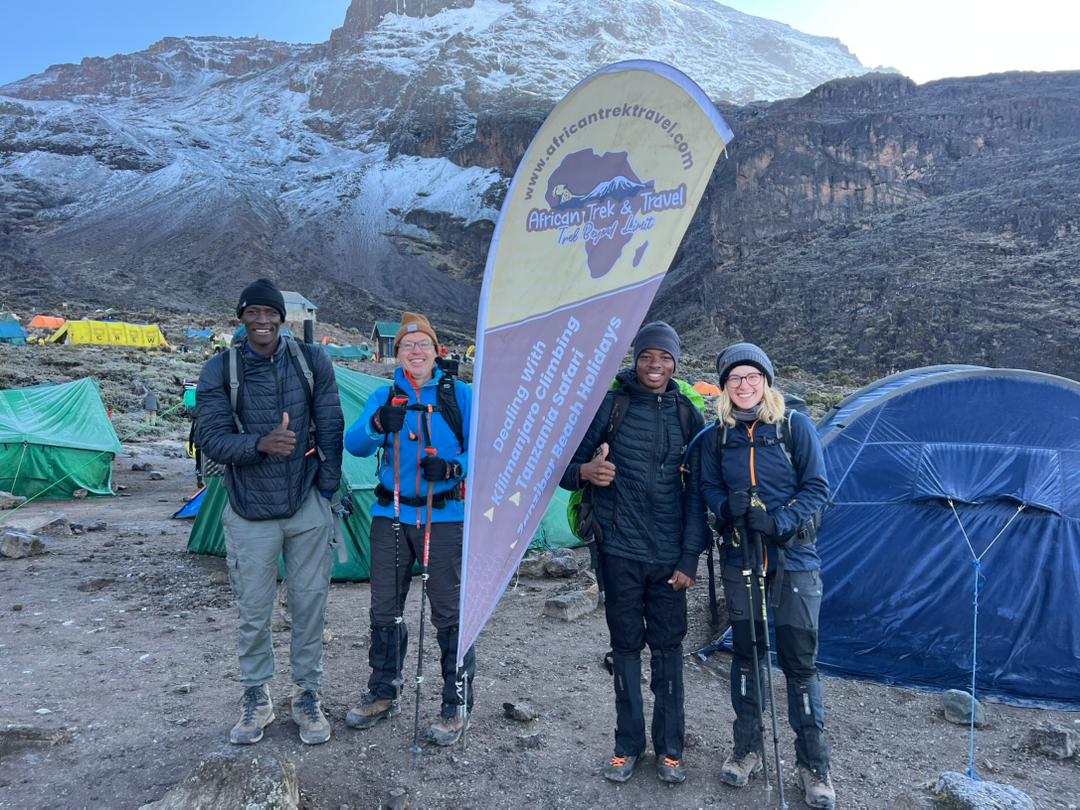
.avif "Rongai Route Group Success Rate")
The Rongai Route group success rate refers to the percentage of climbers in organized group expeditions who reach the summit of Mount Kilimanjaro via the northern Rongai Route. Understanding the success rate is essential for planning your trek, as it reflects how factors like itinerary length, acclimatization, group support, and guide expertise influence the likelihood of reaching Uhuru Peak.
The Rongai Route is known for its gentle slopes, quieter trails, and scenic northern approach. When combined with structured group trekking, the Rongai Route group success rate is generally favorable, especially on longer itineraries that allow proper acclimatization.
This guide will cover everything about the Rongai Route group success rate, including influencing factors, average success percentages, comparisons with other Kilimanjaro routes, tips to improve your summit chances, and the benefits of group trekking.
Several key factors affect the Rongai Route group success rate:
The number of days allocated for the trek significantly impacts success:
6-day Rongai Route group climb: Moderate summit success, around 60–75%
7-day Rongai Route group climb: Higher success due to an extra acclimatization day, approximately 75–85%
8-day Rongai Route group climb (if available): Best success rate, 85–90%
Longer itineraries allow climbers to adjust to altitude gradually, reducing fatigue and the risk of altitude sickness, which is a major factor affecting summit success.
Proper acclimatization is critical for a high Rongai Route group success rate. Routes with “climb high, sleep low” principles, adequate rest stops, and staged elevation gains allow climbers’ bodies to adjust to thinning air. The Rongai Route’s gentle northern slope supports better acclimatization.
Climbers who prepare physically for the Rongai Route group climb through cardio, leg-strengthening exercises, and hiking practice tend to have higher success rates. Fatigue and poor endurance are common reasons climbers fail to summit.
Professional guides, assistant guides, cooks, and porters enhance the Rongai Route group success rate. They monitor climbers’ health, manage pacing, provide meals, and ensure morale is maintained. A strong support team is especially important on summit night.
Weather conditions like heavy rain, strong winds, or snow can temporarily reduce the Rongai Route group success rate. Fortunately, Rongai is generally drier than southern routes, especially in June–October, contributing to steadier success rates.
Altitude sickness is the main cause of summit failure. Guides trained in recognizing early symptoms and managing oxygen or descent strategies help maintain a higher Rongai Route group success rate.
The Rongai Route group success rate varies depending on itinerary length and climber preparation:
| Itinerary Length | Average Summit Success Rate | Notes |
|---|---|---|
| 6 Days | 60–75% | Suitable for climbers with limited time; faster pace |
| 7 Days | 75–85% | Extra acclimatization day improves success; most popular option |
| 8 Days | 85–90% | Maximum acclimatization; ideal for first-time climbers or slower pace |
Longer itineraries correlate directly with higher Rongai Route group success rate. Proper pacing and acclimatization are essential for reaching Uhuru Peak.
Trekking in a group on the Rongai Route significantly enhances summit success:
Guides and assistant guides monitor each climber for signs of altitude sickness, fatigue, or dehydration, enabling timely interventions.
Group trekking encourages steady pacing and mutual motivation, reducing the likelihood of burnout and improving the Rongai Route group success rate.
With porters carrying heavy equipment and cooks preparing meals, climbers expend less energy on non-trekking tasks. Conserving energy contributes directly to summit success.
Groups have access to emergency oxygen and first-aid resources. In case of altitude sickness, climbers can descend safely, reducing risk and improving overall Rongai Route group success rate.
Choose a 7- or 8-Day Itinerary – Extra days for acclimatization increase summit chances.
Train Physically – Cardio, leg-strength training, and hiking practice are essential.
Hydrate and Eat Properly – Proper nutrition and water intake support energy and acclimatization.
Listen to Your Guides – Follow instructions on pacing, rest, and health monitoring.
Layer Clothing Properly – Staying warm prevents exhaustion and altitude-related issues.
Adjust Pace to Your Group – Don’t rush; slow and steady hiking improves the Rongai Route group success rate.
| Route | Typical Success Rate | Notes |
|---|---|---|
| Rongai | 60–90% | Gradual northern slopes, less crowded |
| Lemosho | 75–95% | Longest acclimatization, very high summit potential |
| Machame | 70–90% | Scenic, steeper slopes, moderately crowded |
| Marangu | 60–80% | Shorter route, less acclimatization, “Coca-Cola” route |
Rongai’s group success rate is strong for a northern route, especially with 7-day or longer itineraries. Its gentle ascent and quieter trail contribute to safer and more achievable climbs.
Confidence and motivation for summit night
Safer trekking experience with professional support
Better enjoyment of scenic landscapes without rushing
Increased likelihood of a rewarding Kilimanjaro adventure
The Rongai Route group success rate highlights the probability of reaching Kilimanjaro’s summit safely and successfully when trekking as part of a guided group. Factors such as itinerary length, acclimatization, physical fitness, group support, and weather all influence this success rate.
Choosing a 7- or 8-day Rongai Route group climb, training properly, following guide instructions, and pacing yourself greatly increase the likelihood of reaching Uhuru Peak.
With proper preparation, logistical support, and professional guidance, the Rongai Route group success rate can be high, making this northern route an excellent choice for climbers seeking a safer, scenic, and rewarding Kilimanjaro adventure.
African Trek & Travel is a leading Tanzania tour operator in Moshi and Arusha for 2026–2027, specializing in Kilimanjaro treks, safaris, and tailor-made adventures. With deep local expertise and a strong commitment to safety and quality, we deliver unforgettable travel experiences across East Africa.
Discover popular Safaris, Serengeti Migration, Kilimanjaro Climbing & Zanzibar Beach Holidays. Plan your perfect adventure today!
 Popular
Experience the wildebeest migration across the vast Serengeti and Ngorongoro plains. Perfect for wildlife lovers and photography enthusiasts.
Book Now New
New
Climb Africa’s highest peak via scenic routes with expert guides and safe treks. Experience adventure with full support and accommodation included.
Book Now Popular
Relax in paradise with pristine white beaches, spice tours, and cultural charm. Ideal for families and honeymooners seeking luxury and tranquility.
Book Now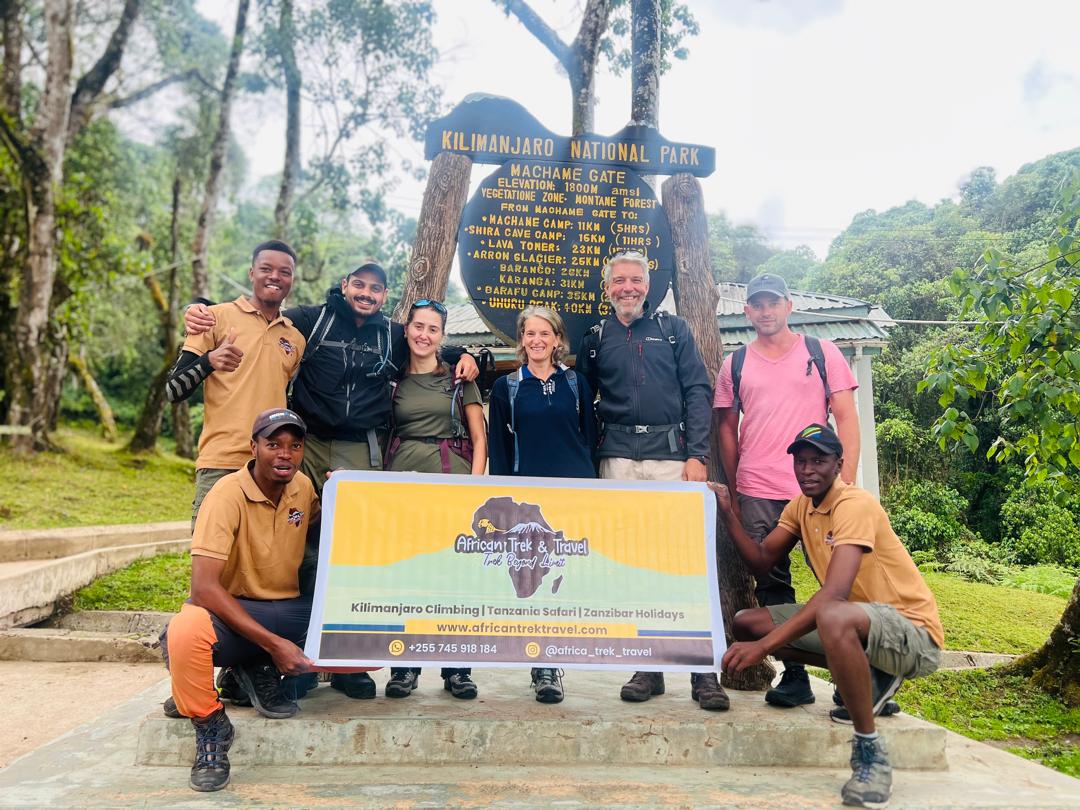
We collaborate with top tour operators to provide the best experiences for Kilimanjaro treks, safaris, and adventures.