Introduction to Rongai Route Group Trekking
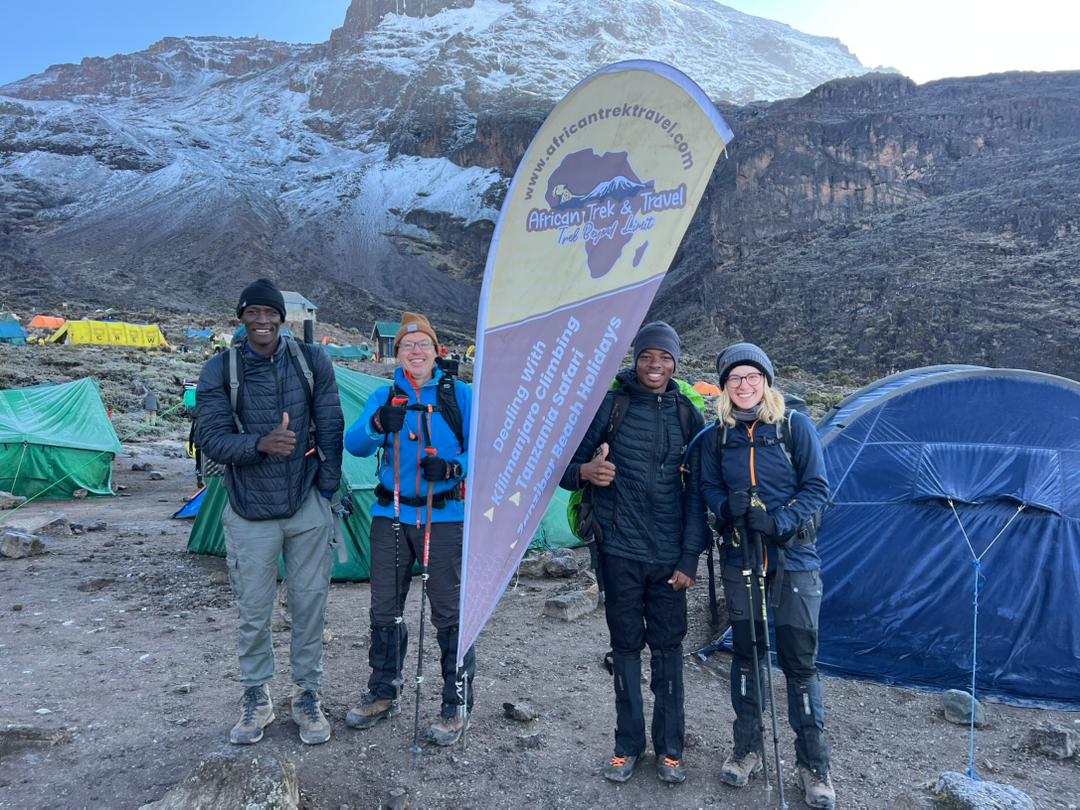
Rongai Route group trekking offers an extraordinary way to ascend Mount Kilimanjaro from its northern side. Unlike the more crowded southern routes, Rongai provides a quieter, scenic, and gradual approach, making it ideal for first-time climbers and those seeking a peaceful trekking experience. Trekking in a group ensures safety, motivation, and logistical support, allowing climbers to focus on the adventure while enjoying the camaraderie of fellow trekkers.
This comprehensive guide covers everything about Rongai Route group trekking, including itineraries, benefits, cost, preparation tips, success rates, inclusions and exclusions, and comparisons with other routes.
What Is Rongai Route Group Trekking?
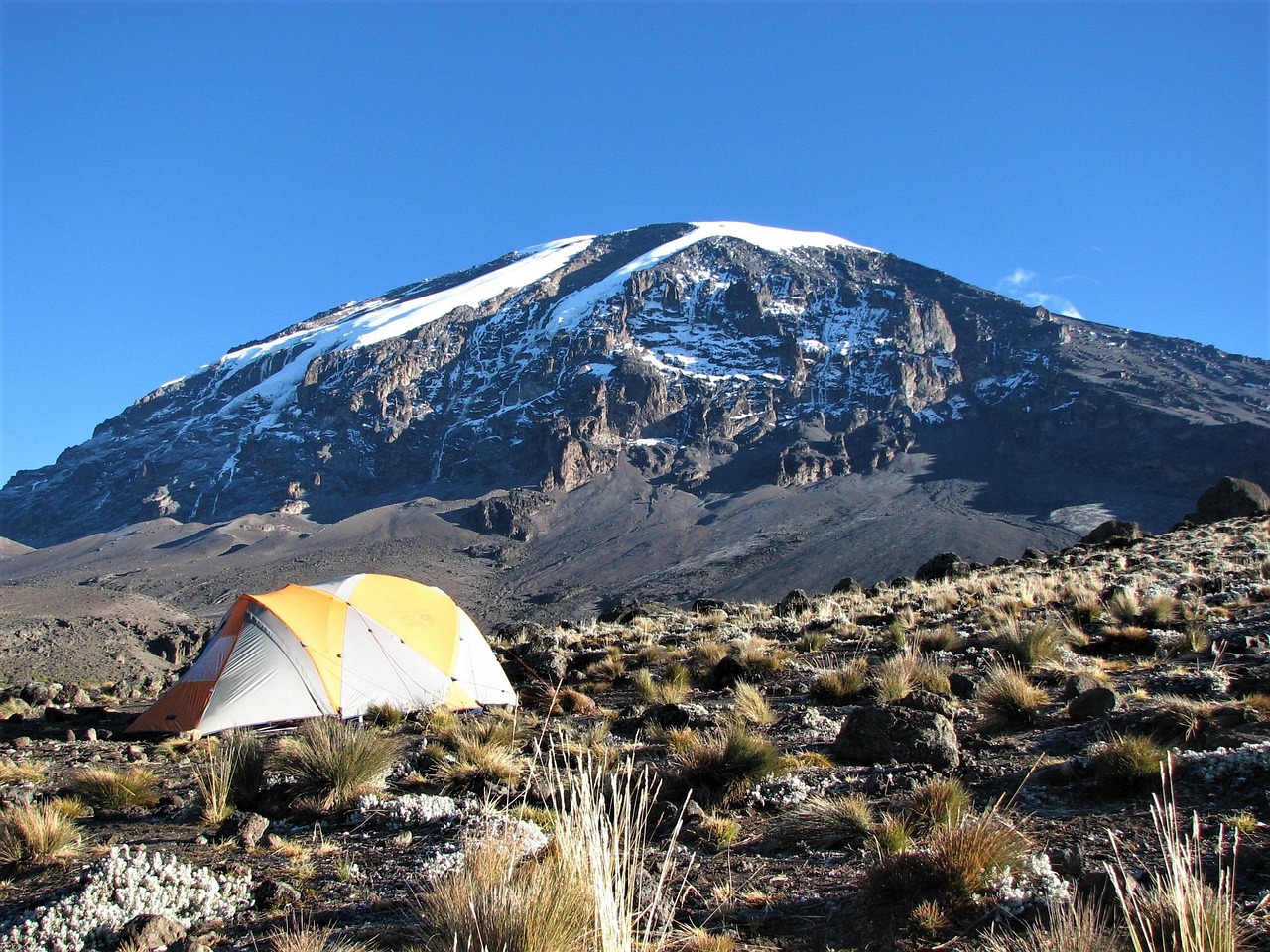
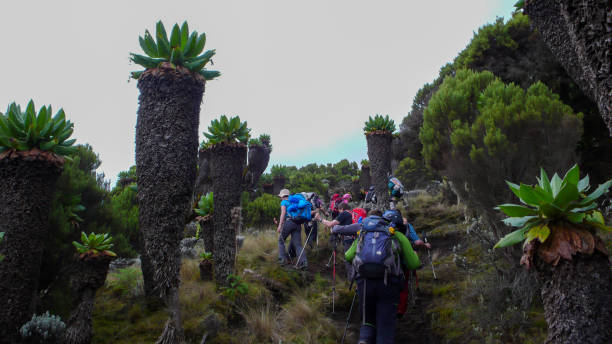
Rongai Route group trekking is a guided Kilimanjaro adventure where climbers ascend via the northern Rongai Route. The trek begins near the Kenyan border and passes through dense forests, moorlands, rocky slopes, and alpine desert before reaching the icy summit.
Trekking in a group means professional guides, cooks, and porters handle all logistics, from meals to camping setup, leaving climbers free to enjoy the scenery and focus on summit success. This structure enhances safety, efficiency, and the overall trekking experience.
Why Choose Rongai Route Group Trekking?
Gentle Gradient
The northern approach of the Rongai Route group trekking is less steep than some southern routes, reducing early fatigue and improving acclimatization.
Quieter Trails
The Rongai Route is less traveled than Machame or Marangu, providing a more private trekking experience while still enjoying group support.
Scenic Variety
The Rongai Route group trekking covers multiple ecological zones:
-
Forest and bamboo zones at the lower slopes
-
Moorland and high-altitude desert
-
Rocky terrain and glaciers near the summit
High Motivation and Group Support
The group environment encourages teamwork and motivation, especially during the physically demanding summit day.
Better Summit Success Potential
Due to a slower initial ascent and effective acclimatization strategies, Rongai Route group trekking offers reasonable summit success rates, particularly with 6–8-day itineraries.
Typical Rongai Route Group Trekking Itinerary
Day 1 – Rongai Gate to Simba Camp
Climbers start in dense forest, gradually ascending to Simba Camp. This day allows for acclimatization and preparation for higher altitudes.
Day 2 – Simba Camp to Second Cave Camp
The trail enters moorlands and open landscapes. Group trekking ensures pacing and support during this moderate ascent.
Day 3 – Second Cave Camp to Kikelewa Caves
High-altitude trekking begins with rocky and open terrain. Proper hydration and group support are essential for Rongai Route group trekking success.
Day 4 – Kikelewa Caves to Mawenzi Tarn / School Camp
Climbers continue ascending through alpine desert. This day is critical for adjusting to thinner air before summit night.
Day 5 – Summit Day: School Camp / Mawenzi Tarn to Uhuru Peak, descend to Millenium Camp
Summit night begins around midnight. Trekkers reach Gilman’s Point and continue to Uhuru Peak for sunrise. The descent to Millenium Camp follows, completing the climb.
Day 6 – Millenium Camp to Rongai Gate
The final descent back to Rongai Gate marks the end of Rongai Route group trekking. Summit certificates are awarded, and climbers return to Moshi or Arusha.
Optional 7-day itineraries include an extra acclimatization day at Kikelewa Caves or Mawenzi Tarn to further increase summit success.
Inclusions in Rongai Route Group Trekking
A standard Rongai Route group trekking package typically includes:
-
Kilimanjaro National Park entry permits
-
Professional mountain guides and assistant guides
-
Porters and cooks for meals and equipment
-
Full board meals while trekking (breakfast, lunch, dinner, snacks)
-
Camping tents, dining tents, and mattresses
-
Transport to and from Rongai Gate
-
Emergency oxygen and first-aid kits
These inclusions provide a safe, supportive, and well-organized trekking experience.
Exclusions from Rongai Route Group Trekking
The following are usually not included in Rongai Route group trekking packages:
-
International flights
-
Travel insurance (with high-altitude coverage)
-
Tips for guides, porters, and support staff
-
Personal trekking gear (boots, sleeping bag, jackets, gloves)
-
Pre- or post-trek accommodation
Knowing what’s excluded helps climbers plan financially for Rongai Route group trekking.
Cost of Rongai Route Group Trekking
The cost depends on itinerary length, group size, season, and included services. Typical estimates:
| Package Level |
Duration |
Price Range (USD) |
| Economy |
6 Days |
$1,700 – $2,100 |
| Standard |
6–7 Days |
$2,200 – $2,600 |
| Premium |
7 Days |
$2,700 – $3,200+ |
Costs usually cover park fees, guide and porter support, meals, and camping gear. Optional extras such as private tents, extra porter support, or premium meals may increase the price.
Rongai Route Group Trekking Success Rate
The Rongai Route group trekking has a moderate to high summit success rate:
-
6-day itinerary: 60–75%
-
7-day itinerary: 75–85%
-
8-day itinerary: 85–90%
Longer itineraries allow for better acclimatization, directly increasing the Rongai Route group trekking success rate. Professional guides and group support play a key role in maximizing summit success.
Advantages of Rongai Route Group Trekking
-
Support and Motivation: Group members encourage each other on challenging sections.
-
Safety: Guides monitor health, manage pacing, and provide emergency equipment.
-
Cost Efficiency: Group trekking spreads costs among participants, making it more affordable.
-
Social Experience: Opportunities to bond and share the Kilimanjaro adventure with fellow climbers.
Preparation for Rongai Route Group Trekking
Physical Fitness
Cardio exercises, leg-strength training, and hiking practice prepare trekkers for the demands of Rongai Route group trekking.
Gear and Clothing
Essential gear includes layered clothing, hiking boots, gloves, trekking poles, a warm sleeping bag, and a reliable backpack. Proper preparation ensures a safer and more enjoyable trek.
Mental Readiness
Altitude and long trekking days require mental focus and resilience. Group trekking enhances motivation, especially during summit night.
Safety and Altitude Management
-
Gradual ascent reduces risk of altitude sickness
-
Guides monitor climbers’ health and pace
-
Emergency oxygen and first-aid kits are standard
-
Following guide instructions is essential for safe Rongai Route group trekking
Rongai Route Group Trekking vs Other Routes
| Route |
Group Success Rate |
Notes |
| Rongai |
60–85% |
Gentler slopes, quieter, moderate summit success |
| Lemosho |
75–95% |
Longer acclimatization, higher summit success |
| Machame |
70–90% |
Popular and scenic, more crowded |
| Marangu |
60–80% |
Shorter, less acclimatization, “Coca-Cola Route” |
Rongai is an excellent choice for climbers seeking a less crowded northern approach with solid summit potential.
Final Thoughts on Rongai Route Group Trekking
Rongai Route group trekking combines gentle slopes, quiet trails, and beautiful northern scenery with professional guidance and full group support. It offers a safe and rewarding way to reach Uhuru Peak, especially for first-time climbers or those seeking a peaceful trekking experience.
Proper preparation, pacing, hydration, and adherence to guide instructions are key to maximizing the Rongai Route group trekking success rate. With these factors, climbers can enjoy a safe, memorable, and successful Kilimanjaro adventure.

 Popular
 New
New
 Popular